

The Ultimate Guide to Walking Shoes That Look as Good as They Feel
For years, the quest for the perfect walking shoe has been bifurcated: style versus substance. We’ve resigned ourselves to clunky orthopedic silhouettes for all-day comfort or sacrificed our arches for a sleek, fashionable profile. That era is over. The modern pursuit is for footwear that delivers uncompromising biomechanical support while embodying personal aesthetic—a shoe that performs as brilliantly on a city pavement as it does in a casual social setting. This guide dismantles the false choice between form and function, providing a roadmap to footwear that truly serves your life in motion. Whether you’re logging purposeful miles for fitness or simply navigating daily errands with ease, the right pair transforms the simple act of shoe walking from a mundane task into a sustained pleasure.
The Biomechanics of Bliss: Why Your Feet Deserve Engineering, Not Just Fabric
Before we admire the silhouette, we must understand the foundation. Every step you take is a complex kinetic chain reaction, starting with heel strike, moving through midfoot pronation (the natural inward roll of the foot), and culminating in the toe-off. A shoe designed for shoe walking must facilitate this gait cycle, not fight it. According to research from the Spaulding National Running Center, affiliated with Harvard Medical School, improper footwear can lead to a cascade of issues beyond foot pain, including stress on knees, hips, and the lower back. The core principle is shock absorption and stability. The midsole, typically made from EVA (ethylene-vinyl acetate) foam or newer compounds like polyurethane or proprietary blends (Nike’s React, Adidas’s Boost), is the primary shock absorber. Its density and resilience determine how much impact is dissipated before it travels up your skeleton. The insole or footbed addresses arch support, a non-negotiable element for preventing plantar fasciitis. As Dr. James Ioli, Chief of Podiatric Services at Brigham and Women’s Hospital, has stated, “The arch is the cornerstone of foot structure; proper support maintains its integrity, distributing weight evenly.” A well-constructed walking shoe will have a heel counter—a firm cup at the back—to stabilize the rearfoot and prevent excessive, injury-causing pronation or supination. This scientific underpinning isn’t about medicalizing a daily activity; it’s about engineering effortless comfort that lasts for miles, making every journey a testament to thoughtful design.
Decoding the Anatomy: A Component-by-Component Breakdown
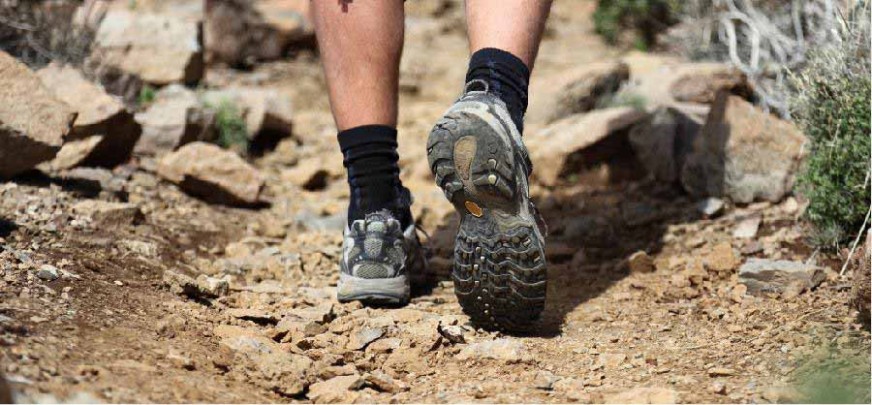
Let’s dissect the ideal walking shoe, moving from the ground up. The outsole is your interface with the world. Look for durable carbon rubber in high-wear areas (like the heel) and flexible blown rubber in the forefoot to allow for a natural toe-off. The pattern of the lugs or grooves—the tread—should offer grip on varied surfaces without being so aggressive they feel clumsy on smooth concrete. Above this sits the midsole, the heart of comfort. Recent advancements have been revolutionary. For instance, ASICS incorporates GEL technology, a silicone-based substance that absorbs shock, a concept born from observing the cushioning properties of sand in a sneaker. The upper must be a marriage of structure and breathability. Mesh panels are essential for ventilation, while synthetic leather or thermoplastic polyurethane (TPU) overlays provide necessary structure and lockdown, ensuring your foot doesn’t slide within the shoe during the shoe walking motion. The tongue should be gusseted (attached to the sides) to keep debris out. Finally, consider the last—the shape the shoe is built around. Brands like New Balance are renowned for offering different widths, acknowledging that a comfortable fit is dimensional, not just linear. A shoe that is too narrow can cause bunions and neuromas, while one too wide fails to provide stability. This granular attention to each component is what separates a true walking tool from mere casual footwear.
The Style Synapse: Where Aesthetic Meets Athletic Intelligence
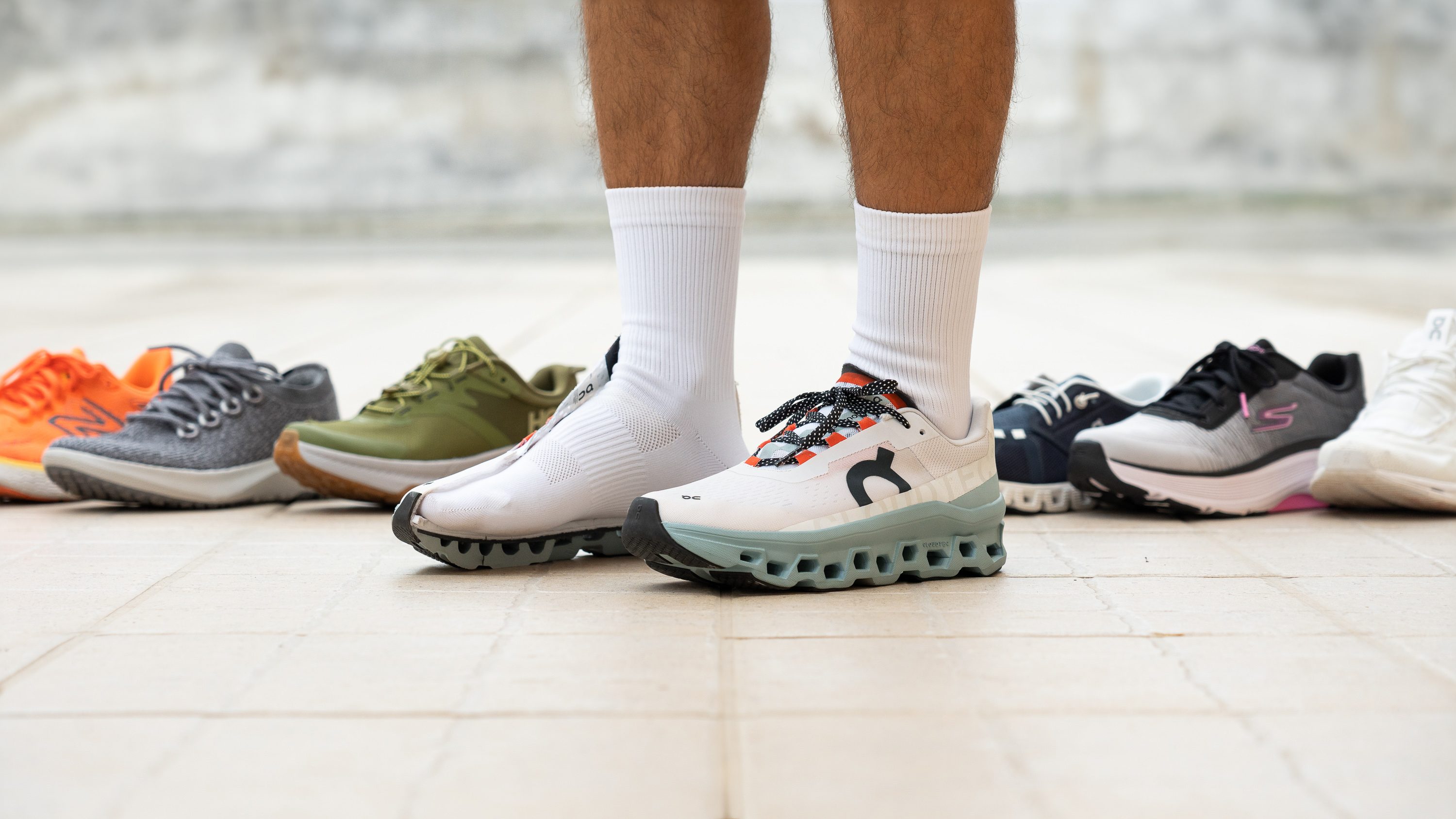
Gone are the days when technical shoes screamed “technical.” The current landscape is defined by stealth performance—shoes that carry their advanced engineering with a minimalist, versatile design. This trend is powerfully evidenced by the rise of brands like HOKA and On Running, whose distinctive, chunky midsoles have crossed over from elite running trails to urban fashion streets. The aesthetic appeal lies in the honest expression of technology. The maximal cushioning of a HOKA Bondi isn’t hidden; it’s celebrated as part of the visual identity, signaling cloud-like comfort. Similarly, the sleek, speed-lacing systems and monochromatic colorways of many modern trainers from Adidas or Salomon speak to a design philosophy where utility is beautiful. This isn’t mere marketing; it’s a cultural shift. As noted in a Wall Street Journal analysis of athleisure, consumers now demand “hybrid” products that transition seamlessly from a morning workout to a midday coffee meeting. The color palette has evolved from loud neon to sophisticated neutrals—olive, charcoal, cream, and navy—that pair effortlessly with both technical fabrics and denim. The right walking shoe becomes a style staple, an accessory that communicates an active, intentional lifestyle without uttering a word. It proves that caring for your body’s mechanics and caring for your personal presentation are not mutually exclusive pursuits but are, in fact, deeply connected.

Personal Gait Analysis: The Non-Negotiable First Step
You wouldn’t buy glasses without a prescription; why buy walking shoes without understanding your gait? The most critical style choice you can make is the one invisible to the eye: matching the shoe’s stability features to your foot’s motion. There are three primary gait types: neutral, overpronation, and underpronation (supination). Overpronation, where the ankle rolls inward excessively, is common and requires a “stability” or “motion control” shoe with a denser medial (inner) post in the midsole to correct the roll. Brands like Brooks (with their GuideRails technology) and Saucony excel here. A neutral gait allows for the widest choice, focusing on cushioning and flexibility. Supinators need highly cushioned, flexible shoes to aid in shock absorption. How do you determine yours? While professional analysis at a specialty running store is gold standard, a simple home test exists: check the wear pattern on an old pair of shoes. Excessive inner heel and ball wear suggests overpronation; wear on the outer edge suggests supination. Investing time in this analysis is the ultimate act of self-care. It ensures the sophisticated shoe you covet is also the biomechanically correct partner for your unique stride, making every shoe walking session effective and injury-free.
The Longevity Equation: Maximizing Your Investment
A premium walking shoe is an investment in your health and daily comfort, and like any good investment, it requires smart management to realize its full value. The cushioning compounds in the midsole, not the visible outsole wear, are usually the first to fail. They compress and lose resiliency after approximately 300-500 miles of shoe walking. This degradation is insidious; it happens so gradually you might not notice the increased joint fatigue. A proactive replacement schedule is key. Rotating between two pairs allows the foam in each to fully decompress between uses, extending the life of both. Furthermore, reserve your technical walking shoes for their intended purpose. Using them for gardening, court sports, or as general knock-arounds breaks down their specialized structure prematurely. Care is simple: use a soft brush to remove dirt, air dry away from direct heat, and never machine wash, which can delaminate adhesives and break down foams. When you do approach the replacement window, take advantage of end-of-season sales or model clearances. Last year’s top-tier technology is often available at a significant discount, offering near-identical performance. This strategic approach ensures you consistently experience that “like-new” feel, mile after comfortable mile, without constantly paying full retail price.
:max_bytes(150000):strip_icc()/when-should-i-replace-my-walking-shoes-3436325-0801-7a1840d83573471092e0380f9e230ecc.jpg)
Voices of Authority: What the Experts and Icons Say
The convergence of performance and style isn’t just a consumer trend; it’s a philosophy echoed by leaders across fields. Celebrity trainer Harley Pasternak, who works with Hollywood A-listers, frequently emphasizes footwear in his 5-Factor methodology, noting, “The right shoe doesn’t just protect you; it motivates you to move more, seamlessly integrating activity into your lifestyle.” This sentiment is mirrored in the business world. Apple’s former Chief Design Officer, Jony Ive, once spoke of design’s role in making technology “accessible and ultimately intuitive.” The best walking shoes achieve this: their technology is so intuitively woven into the experience that you feel supported, not aware of the engineering. Even historical figures provide perspective. The Roman poet Juvenal’s famous dictum, “Mens sana in corpore sano” (a sound mind in a sound body), finds modern expression in our choice of daily gear. When your footwear actively contributes to physical well-being while aligning with your personal taste, it fosters a holistic sense of confidence. It’s a small, daily affirmation that you value both how you feel and how you engage with the world.
“The right shoe doesn’t just protect you; it motivates you to move more, seamlessly integrating activity into your lifestyle.” – Harley Pasternak, Celebrity Trainer and Author.
The journey to find the perfect walking shoe is a rewarding exploration of self-knowledge, material science, and personal style. It begins with a respectful understanding of your body’s mechanics, proceeds through the intelligent selection of components designed for sustained comfort, and culminates in the daily joy of wearing something that looks and feels precisely right. This synergy of support and aesthetics turns the necessary act of shoe walking into a highlight of your day. It’s an invitation to move through life on your own terms—comfortably, confidently, and with undeniable style. Your next step, quite literally, awaits the perfect foundation.
