

Styling 80s Sneakers for Modern Streetwear Edge
The resurgence of 80s sneakers is not a mere nostalgic blip on fashion’s radar; it is a calculated reintegration of foundational design principles into the contemporary streetwear lexicon. These shoes, born from a decade defined by bold experimentation, technological innovation in sportswear, and burgeoning subcultures, offer a tangible connection to an era that fundamentally shaped modern casual aesthetics. To style them today is not to engage in costume play, but to harness their inherent architectural and cultural weight, using them as a cornerstone to build outfits that are both historically resonant and sharply current. This approach moves beyond simple retro appreciation, demanding an understanding of the sneaker’s original context and a deliberate methodology for its modern application. The goal is to achieve an edge—a visual and conceptual sharpness that distinguishes your style from the homogenous mass of fast-fashion trends.
The Architectural Legacy: Deconstructing the 80s Silhouette
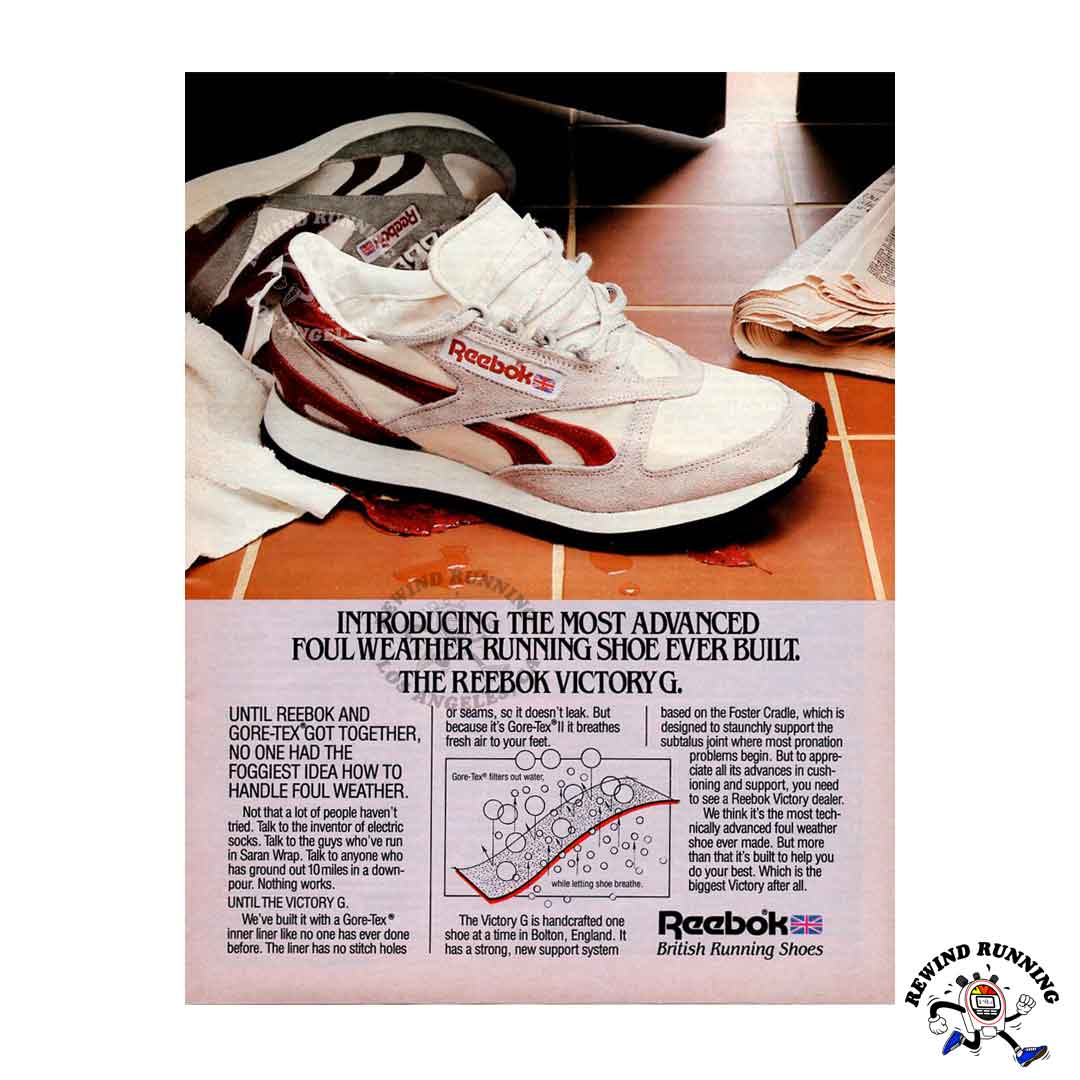
To effectively utilize 80s sneakers in a modern context, one must first dissect their physical DNA. The 1980s represented a golden age of athletic shoe design, where form began to follow—and often exaggerate—function. Key characteristics include pronounced, often chunky, midsoles made from newly popularized ethylene-vinyl acetate (EVA) foam, providing unprecedented cushioning. The uppers frequently featured a mix of leather, nylon mesh, and synthetic suede, creating complex paneling and textural contrast. Bold color blocking was paramount, utilizing primary colors or high-contrast combinations like black, white, and grey, directly influenced by the graphic design and music aesthetics of the time. Brands like Nike, with the Air Force 1 (1982) and Air Jordan 1 (1985), Reebok with the Classic Leather (1983) and the Pump (1989), and adidas with the Forum (1984), established blueprints that are still referenced. As Dr. Elizabeth Semmelhack, Senior Curator at the Bata Shoe Museum, notes in her research on sneaker culture, “The 1980s solidified the sneaker’s transition from the court to the street, embedding it with codes of status, affiliation, and personal identity.” This architectural legacy—the chunk, the color, the material mix—provides the raw material for modern styling. The challenge lies in balancing these assertive elements with the cleaner, often more minimalist or deconstructed, lines of contemporary streetwear and high fashion.

Principle 1: The Foundation of Contrast
The most potent technique for integrating a bold 80s sneaker is through deliberate contrast. The sneaker itself is a statement piece, often visually “heavy.” Therefore, the surrounding garments should provide a counterpoint that allows the shoe to shine without overwhelming the silhouette. This does not mean dressing blandly, but rather strategically. Consider pairing a pair of vibrant, chunky Reebok Pumps or Nike Air Max 1s (whose visible air window debuted in 1987) with tailored, monochromatic separates. A prime example is the combination with loose-fit, single-pleat trousers in a neutral wool or heavy cotton. The volume and drape of the trouser leg create a dynamic interaction with the substantial sneaker, a technique frequently seen in the work of designers like Demna Gvasalia for Balenciaga, who has explicitly referenced 80s and 90s sportswear archives. Alternatively, contrast can be achieved through texture. The technical nylon and leather of the sneaker can be set against the soft, luxurious feel of a cashmere knit or a weathered leather jacket. This approach is rooted in the postmodern design ethos of the 1980s itself, which embraced juxtaposition. As architecture critic Charles Jencks outlined in his writings on postmodernism, the movement thrived on “double-coding”—the combination of traditional and modern elements. In styling terms, the 80s sneakers are the historical, coded element, while a sleek, modern garment represents the contemporary code, creating an outfit with layered intelligence.

Principle 2: Proportional Play and Silhouette Mastery
The proportion is paramount when dealing with the inherently bulky profile of many 80s sneakers. The wrong cut can make an outfit feel clumsy rather than intentional. The key is to balance volume throughout the entire body. The “slim on top, bulky on bottom” formula of the early 2010s is often ineffective here, as it can create a top-heavy, inverted look. Instead, embrace proportional harmony or controlled exaggeration. One effective method is the use of wide-leg or straight-cut jeans or cargo pants. The consistent volume from hip to ankle creates a columnar silhouette that is then grounded by the substantial sneaker, a look championed by streetwear icons and in the styling of hip-hop artists who have long understood the power of the 80s sneaker as a status symbol. Another approach is to play with layers on the upper body to build visual weight that corresponds with the shoes. A boxy overshirt worn over a hoodie, or a structured jacket, can create a balanced, powerful silhouette. This philosophy echoes the principles of 1980s power dressing, where shoulder pads created a strong, authoritative torso. In a modern streetwear context, that authority is translated into confident, considered volume. The goal is to create a silhouette that feels cohesive and deliberate, where the sneaker is an integral, supportive part of the architectural whole, not an awkward appendage.
Beyond the Shoe: Integrating the 80s Ethos
True mastery in styling these pieces involves moving beyond the shoe as an isolated object and tapping into the broader cultural and aesthetic ethos of the 1980s. This decade was a melting pot of influences: the birth of hip-hop, the rise of new wave and post-punk, the explosion of skate and BMX culture, and the glamour of high-tech design. Each of these movements had a distinct relationship with footwear. A pair of adidas Superstars or Nike Dunk Highs (originally a 1985 basketball shoe) can be a direct nod to hip-hop’s foundational style. Incorporating elements like track jackets, bucket hats, or vintage graphic tees can build a contextually rich outfit. Similarly, the vibrant color palettes of Memphis Group design or the dystopian tech-wear of films like “Blade Runner” (1982) can inform color choices and accessory selection—think geometric jewelry, futuristic watches, or technical bags. This contextual layering adds depth to your style. It transforms the outfit from “wearing old sneakers” to “curating a visual narrative.” As filmmaker and cultural commentator Fab 5 Freddy noted about the era’s cross-pollination, “Hip-hop took the sports gear and made it a uniform. It was about taking something that wasn’t meant for you and making it your own.” Styling 80s sneakers today is the same act of re-contextualization, claiming these design icons for your own modern narrative.

The Modern Marketplace: Knowledge as Power
Engaging with this style requires a degree of informed consumption. The market for vintage and reissued 80s models is vast, spanning from rare deadstock finds to widespread retro re-releases. Professional knowledge here directly translates to value and authenticity. Understanding the differences between an original 1985 cut, a 1994 retros, and a 2023 “reimagined” version is crucial, as fit, materials, and subtle design details can vary significantly. Brands often re-release iconic models with modern comfort technology, which can be a superior choice for daily wear. Furthermore, the secondary market on platforms like StockX or GOAT operates on precise knowledge of condition, rarity, and size. This expertise allows you to acquire key pieces intelligently. For instance, knowing that certain colorways of the Nike Air Ship (a precursor to the Jordan 1) are being reissued can allow you to secure a piece of history at a retail price rather than a steep resale premium later. This approach brings a discounted price in the long term—not through chasing cheap imitations, but through strategic, knowledgeable acquisition of authentic pieces that hold or increase their cultural and sartorial value.
Ultimately, styling 80s sneakers for a modern edge is an exercise in informed synthesis. It requires respecting the object’s history—its architectural form and cultural birthplace—while fearlessly projecting it into a contemporary framework. It is about leveraging contrast, mastering proportion, and weaving in contextual threads from the era’s rich tapestry. The result is not a pastiche, but a powerful, personal style statement that stands on the solid foundation of design history. The 80s sneaker ceases to be a relic and becomes a dynamic tool, its chunky sole firmly planted in the present, propelling your aesthetic forward with every step.
