

The Ultimate Guide to Walking Shoes That Elevate Your Everyday Outfits
Forget the notion that style and comfort are mutually exclusive. The right pair of walking shoes can be the cornerstone of a wardrobe that is both effortlessly chic and engineered for the realities of daily life. This isn’t about sacrificing aesthetics for practicality; it’s about embracing footwear that performs seamlessly from a morning commute to an evening stroll, all while complementing your personal style. We’re moving beyond the purely athletic sneaker and into a realm where biomechanical science meets contemporary design. The perfect walking shoe is a tool for living well, a statement piece that supports your body and your confidence with every step you take.
The Anatomy of a Superior Walking Shoe: Beyond Looks
To understand what makes a walking shoe truly elevate your day, we must first dissect its functional core. The science of walking, or gait analysis, reveals that an average person takes between 5,000 to 7,000 steps per day. Each step involves a complex cycle of heel strike, foot flattening (pronation), and toe-off. A shoe designed for shoe walking must expertly manage this cycle. According to research from the American Podiatric Medical Association, proper footwear is critical in preventing common ailments like plantar fasciitis, shin splints, and knee pain. The key components are the midsole, the insole, and the outsole. The midsole, often made from EVA (ethylene-vinyl acetate) or polyurethane, is the primary shock absorber. Its density and construction determine how well it cushions the heel strike and provides energy return. The insole, or footbed, should offer arch support tailored to your foot type—be it neutral, high-arched, or flat. The outsole’s tread pattern and rubber compound dictate traction and durability. A shoe that masters these elements doesn’t just feel good; it becomes a proactive health investment, allowing you to engage in sustained shoe walking without fatigue or injury.
From Gym to Street: The Evolution of Aesthetic Design
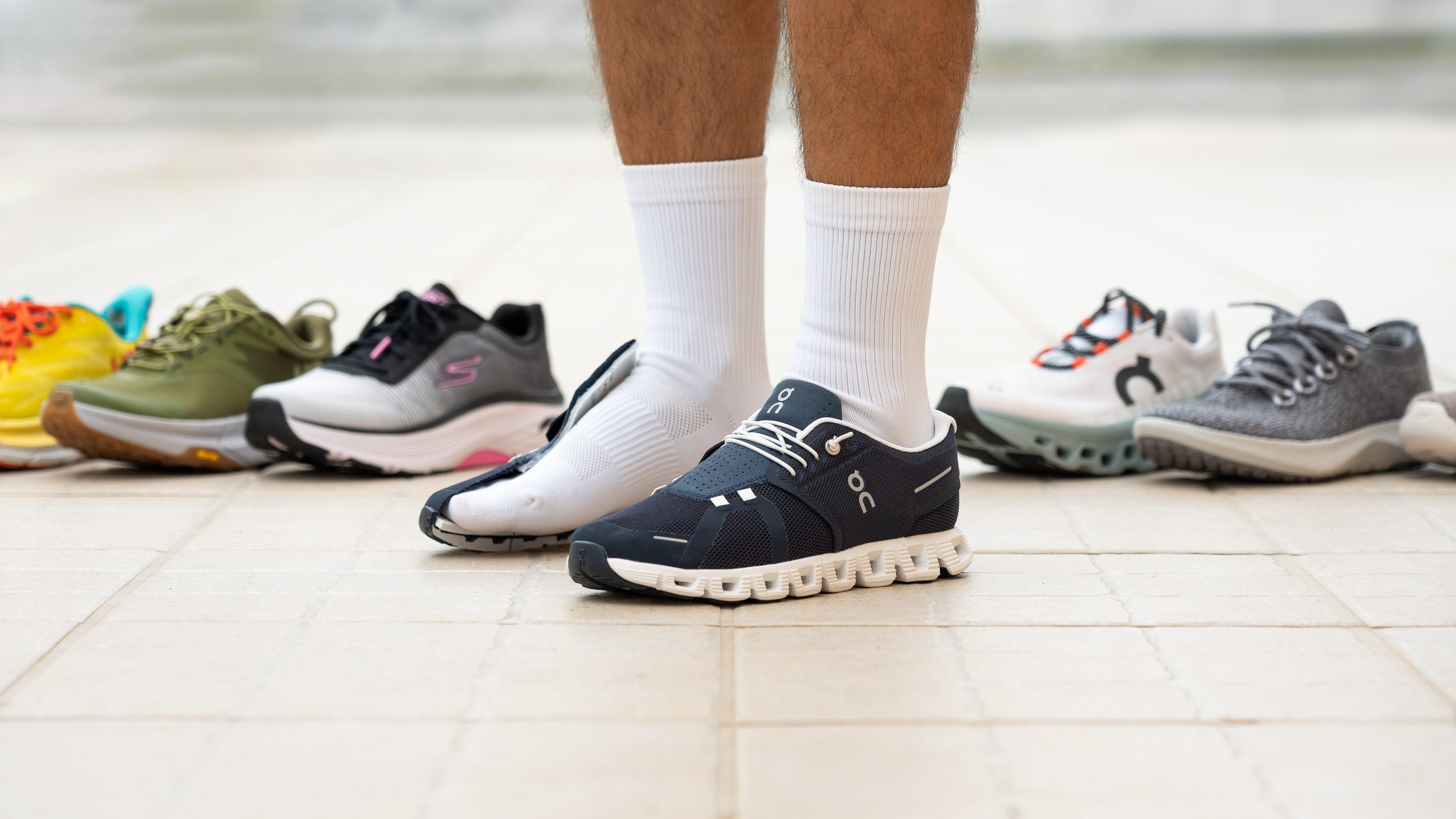
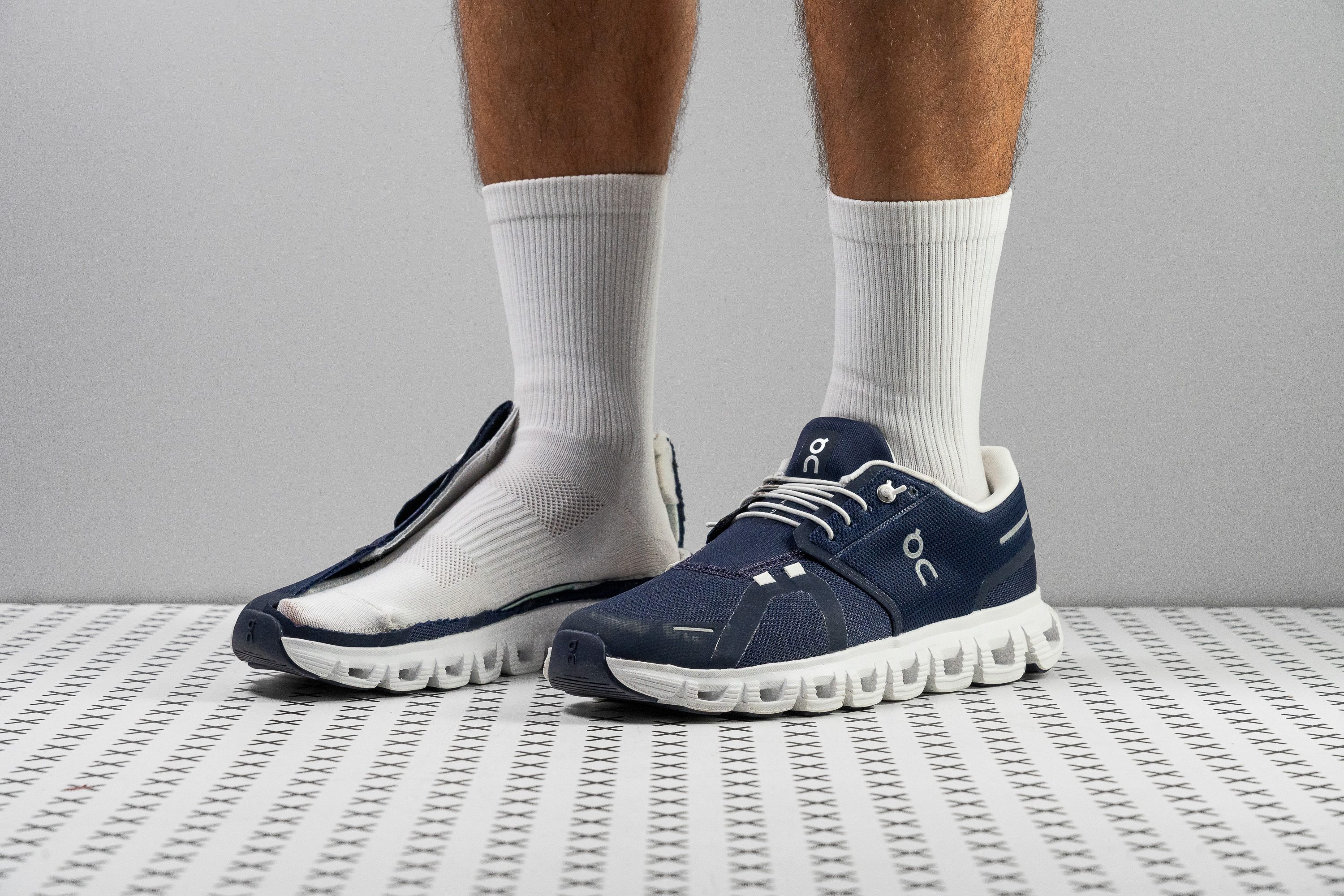
The transformation of the walking shoe from a purely functional item to a fashion staple is a fascinating study in cultural shift. This evolution can be traced to the early 2010s, coinciding with the rise of “athleisure” – a term popularized by trends analysts to describe clothing designed for both exercise and general wear. As noted in publications like The Business of Fashion, this shift was driven by a growing societal emphasis on wellness and a blurring of lines between work, leisure, and fitness. Designers and brands responded by infusing technical footwear with minimalist lines, premium materials like knit uppers and suede, and a refined color palette. The chunky, overtly technical sole was reimagined as a sleek, often monochromatic platform. This design philosophy is perfectly encapsulated by brands like On Running, whose Cloud model features a distinctive “CloudTec” sole that is as much a visual signature as it is a cushioning technology. The result is a shoe that looks as appropriate with tailored trousers or a casual dress as it does with yoga pants. This design intelligence means your choice for shoe walking no longer sits awkwardly in your closet; it integrates, becoming a versatile workhorse that elevates multiple outfits.
The Personal Fit: Why Your Foot’s Blueprint Matters
Selecting a walking shoe is a deeply personal endeavor, akin to finding a tailored suit. The most common mistake is choosing based solely on brand appeal or external design. Your foot’s unique “blueprint” – its length, width, arch height, and even the shape of your toes – dictates the ideal internal architecture of your shoe. A study from the University of Virginia’s Department of Kinesiology emphasizes that improper fit is a leading cause of foot discomfort and inefficiency in locomotion. For instance, a person with a high arch (cavus foot) typically requires shoes with significant cushioning and flexibility to compensate for their foot’s natural rigidity and lack of shock absorption. Conversely, someone with flat feet (overpronation) needs shoes with structured support and motion control to stabilize the foot and ankle. The process of shoe walking becomes strained and potentially harmful without this alignment. I recommend a professional fitting, often available at specialty running stores, where they can analyze your gait and foot shape. Remember, a shoe that fits perfectly in the store after a long day of standing will be your most reliable partner for the miles ahead.
:max_bytes(150000):strip_icc()/woman-feet-running-on-road-closeup-on-shoe--young-fitness-women-runner-legs-ready-for-run-on-the-road--sports-healthy-lifestyle-concept--1192508928-4ad65578a5b64bfe95d29e3182fbb398.jpg)
Material Science: Innovation at Your Feet
The fabrics and compounds used in modern walking shoes are a testament to material science innovation. The traditional leather upper has been largely supplanted by engineered meshes and knits, such as Adidas’s Primeknit or Nike’s Flyknit. These materials are not just lighter; they are strategically woven to provide variable stretch and support—tight where you need structure, flexible where your foot bends. This creates a “sock-like” fit that minimizes hot spots and blisters, a common complaint during extended periods of shoe walking. Furthermore, sustainability has entered the conversation. Brands are increasingly using recycled polyester, ocean plastics, and even plant-based materials. Allbirds, for example, built its reputation on shoes made from merino wool and eucalyptus tree fiber. On the inside, antimicrobial treatments and moisture-wicking linings keep the shoe environment fresh. The outsole rubber, too, has evolved. Companies like Vibram produce specialized compounds that offer exceptional grip on wet surfaces while maintaining flexibility. This confluence of comfort, performance, and ethical manufacturing means your shoes are not just an accessory but a reflection of informed, conscious consumption.
Knowing When to Let Go: The Lifespan of Your Shoes
Even the most advanced walking shoe has a finite lifespan, and wearing them beyond their prime is a disservice to your feet and your style. The cushioning materials in the midsole compress and lose their resiliency over time, long before the outsole tread visibly wears down. The general rule, supported by advice from the American Council on Exercise, is to replace walking shoes every 300 to 500 miles. For someone who engages in daily shoe walking for fitness or commuting, this could be every six to nine months. Telltale signs include persistent foot or leg aches after a walk, visible creasing in the midsole, or a shoe that no longer feels stable or supportive. It’s a cycle of renewal: retiring a worn pair is an opportunity to explore new technologies and designs. Think of it not as an expense, but as a non-negotiable investment in your musculoskeletal health. The confidence that comes from a fresh, supportive foundation underfoot is irreplaceable and directly contributes to the poised posture that makes any outfit look better.
:max_bytes(150000):strip_icc()/when-should-i-replace-my-walking-shoes-3436325-0801-7a1840d83573471092e0380f9e230ecc.jpg)
Curating Your Rotation: A Shoe for Every Context
The concept of a single “perfect” shoe is limiting. The truly savvy individual curates a small rotation tailored to different contexts, all united by the principle of supportive shoe walking. Your rotation might include a sleek, all-white leather sneaker for smart-casual work environments and weekend brunches—think Common Projects or Axel Arigato. For days filled with errands and concrete pavement, a technically advanced model with maximal cushioning, like the Hoka One One Bondi or the ASICS GEL-Nimbus, provides cloud-like comfort. Finally, a weather-resistant option with a Gore-Tex liner or water-repellent treatment is essential for rainy climates. This strategic approach ensures you are always appropriately and comfortably shod, ready to walk through your day with ease. It also extends the life of each pair, as alternating shoes allows the midsoles to decompress fully between wears. Building this capsule footwear wardrobe is an exercise in intentionality, where each purchase is deliberate and each shoe serves a distinct purpose in supporting your active, stylish life.

Expert Voices and Making the Smart Purchase
Navigating the market can be overwhelming, so leaning on expert consensus is wise. Podiatrists frequently recommend brands known for their focus on biomechanics, such as Brooks, New Balance, and ASICS, for their consistent width sizing and support options. Fashion influencers and stylists, meanwhile, champion the minimalist designs of Veja or Koio for their ethical credentials and clean aesthetics. As YouTube fitness expert Chloe Ting often notes in her videos, “The best shoe is the one you’ll actually wear consistently that doesn’t hurt.” This underscores the marriage of form and function. To bring this professional knowledge to you with tangible value, here’s a practical tip: shop during seasonal sales or directly from brand outlet sites. Many premium models from the previous season, which are 95% identical in technology to the new releases, can be found at discounts of 30-50%. This approach allows you to access top-tier engineering for shoe walking without the premium price tag, making superior foot health and elevated style an accessible reality.
The journey to finding walking shoes that truly elevate your everyday is a blend of self-knowledge, scientific understanding, and aesthetic curation. It begins with respecting the biomechanical needs of your feet and culminates in the confident stride that comes from perfect harmony between body and shoe. This is not an endpoint, but an ongoing dialogue with your own lifestyle—a commitment to moving through the world with support, style, and intention. Choose wisely, walk purposefully, and let your feet lead you to both comfort and elegance.
