

Essential Footwear for Your Next Hiking and Walking Adventure
Embarking on a trail, whether a gentle forest walk or a rugged mountain ascent, begins not with a step, but with the gear that makes that step possible. The single most critical piece of equipment bridging your intention and the earth beneath you is your footwear. The right pair of shoes for hiking and walking transcends being mere apparel; it becomes an extension of your body, a foundational tool that dictates comfort, safety, and ultimately, your enjoyment of the journey. This isn’t about fashion or brand loyalty alone—it’s a deliberate choice informed by biomechanics, material science, and terrain dynamics. Choosing incorrectly can transform an anticipated adventure into a painful ordeal, while the right choice can unlock landscapes and experiences with confidence and ease.
The Foundation: Understanding What Makes a Hiking Shoe
At its core, a hiking shoe is an engineered solution to a set of physical challenges. It must provide stability on uneven surfaces, protect the foot from sharp objects and moisture, offer traction across diverse substrates, and do all this while managing the repetitive stress of thousands of steps. The distinction from a standard athletic shoe is profound. As noted by podiatrists and sports medicine experts, the human foot is a complex structure of 26 bones, 33 joints, and over 100 muscles, tendons, and ligaments. On flat, even ground, this system functions well with minimal support. However, introduce the variable angles, unpredictable impacts, and sustained loads of a trail, and the need for structured reinforcement becomes clear. A proper shoe for hiking and walking integrates several non-negotiable components: a stiffened shank in the midsole to prevent fatigue from flexing on rocky terrain, a protective toe cap (or rand) to guard against stubs, a heel counter to lock the foot in place and prevent slippage, and a outsole with deep, multi-directional lugs. The philosophy here is akin to the principles of architecture: a stable foundation (the outsole and midsole) supports and protects the living structure (your foot), allowing it to function optimally within a controlled environment.

Traction and Outsoles: Your Grip on the World
The interface between your foot and the trail is the outsole, and its design is a masterpiece of practical physics. Traction isn’t merely about stickiness; it’s about the science of friction and the mechanical interlocking of materials. High-quality outsoles, like those made from Vibram® rubber compounds, are formulated for a specific balance of durability, flexibility, and grip. The pattern of the lugs—the raised bumps on the sole—is critically important. Deep, widely-spaced lugs are excellent for shedding mud and gripping soft, loose surfaces like gravel or forest duff. Conversely, smaller, more densely packed lugs provide better surface contact and stability on smooth rock or hard-packed dirt. The orientation of these lugs matters too; multi-directional patterns provide braking power on descents and propulsion on ascents from various angles. Consider the analogy from mountaineering: just as a climber’s crampons bite into ice at a specific angle for security, the lugs on your shoes for hiking and walking are designed to engage with the micro-features of the trail. A study on pedestrian locomotion from the University of Massachusetts Amherst’s Department of Kinesiology emphasizes that slip resistance is a primary factor in preventing falls and injuries on uneven terrain, making the outsole the first line of defense in your footwear system.
Support and Stability: The Internal Architecture
While traction deals with the external world, support and stability manage the internal forces generated by your own movement. On a flat sidewalk, your foot pronates (rolls inward) and supinates (rolls outward) in a relatively predictable pattern. A trail, however, forces your foot into unpredictable positions with every step. This is where the midsole and upper of a hiking shoe come into play. The midsole, often made from EVA (ethylene-vinyl acetate) foam or polyurethane, provides cushioning to absorb impact. More importantly, a firm shank—a stiff insert between the outsole and midsole—runs through the arch. This shank prevents the shoe from twisting or folding over rocks and roots, protecting the plantar fascia from strain and reducing overall foot fatigue. The upper, meanwhile, must hold the foot securely to this stable platform. This is achieved through a combination of a molded heel cup, structured lacing systems, and often, supportive overlays. As renowned ultrarunner and biomechanics researcher Dr. Mark Cucuzzella has stated, “The goal is not to immobilize the foot, but to guide it. You want the shoe to be a supportive partner, not a cast.” A well-designed shoe for hiking and walking offers this guided support, allowing natural movement within a safe range of motion, preventing ankle rolls, and distributing pressure evenly.
Protection and Weather Defense: Shielding the Foot
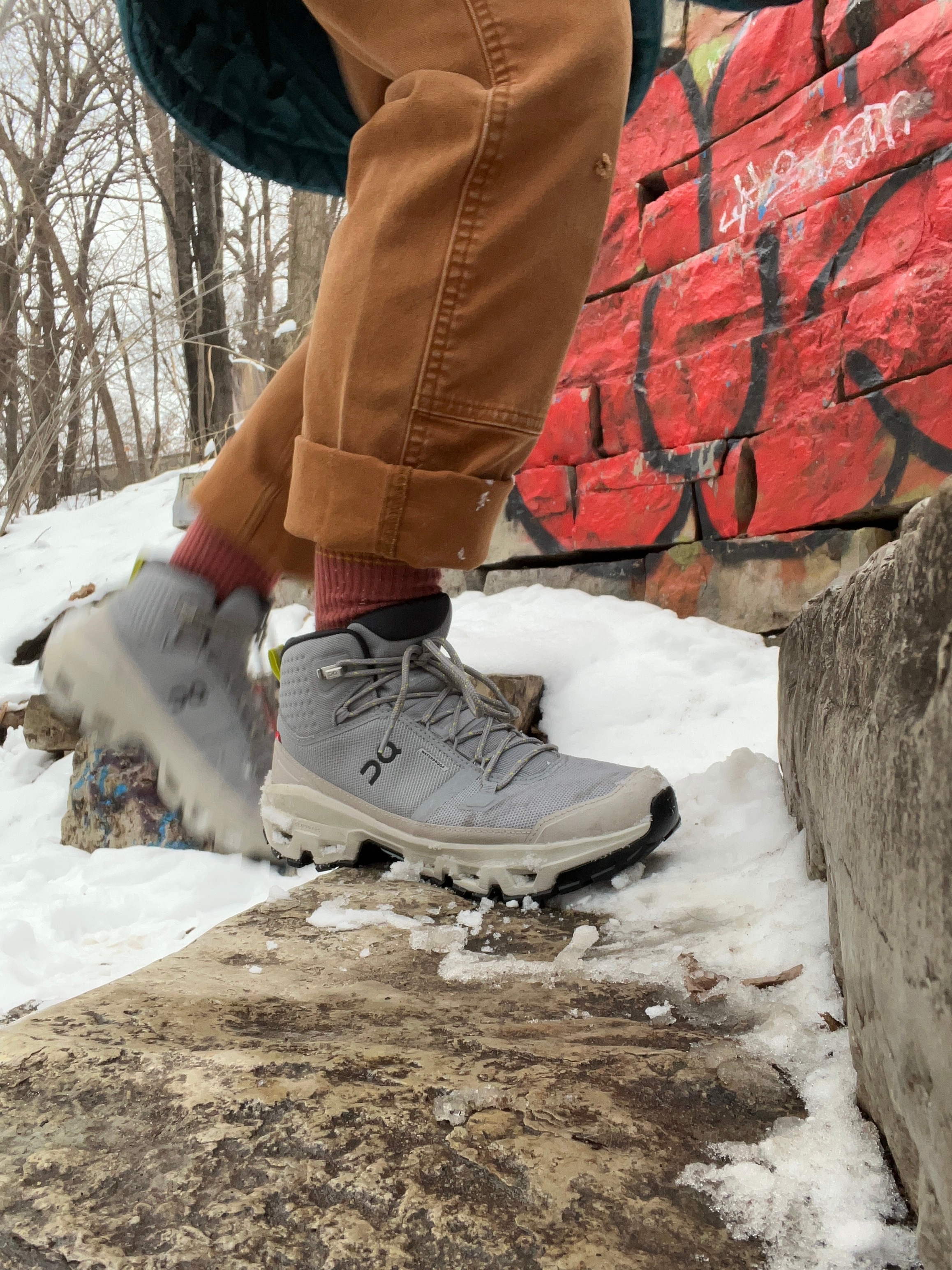
The wilderness does not cater to comfort. Water, cold, sharp rocks, and abrasive debris are constant threats. Footwear technology has evolved specifically to create a microclimate for your feet. The concept of protection operates on multiple levels. First, there is physical protection: a rubber toe bumper guards against painful impacts, while a rock plate—a thin, flexible shield embedded in the midsole—deflects the sharp pressure of stepping on a pointed stone. Second, and perhaps most crucial for comfort, is weather protection. This is primarily the domain of waterproof membranes like Gore-Tex® or eVent®. These membranes are engineered with billions of microscopic pores per square inch. These pores are large enough to allow water vapor (sweat) to escape from the inside, but far too small to allow liquid water droplets from the outside to penetrate. This creates a highly effective one-way barrier. However, as many experienced hikers on forums like Reddit’s r/hiking or experts on YouTube channels like “Darwin onthetrail” will caution, waterproof shoes have a trade-off: they can trap heat and may not dry quickly if water gets in over the top (e.g., from a deep puddle or stream crossing). For warm, dry climates or fast-paced activities where breathability is paramount, non-waterproof, quick-drying mesh shoes might be the superior choice for your shoes for hiking and walking arsenal.
Fit and Feel: The Personal Equation
All the technology in the world is meaningless if the shoe doesn’t fit your unique foot. The process of fitting a hiking shoe is a ritual of precision. Your feet swell during the day and expand even more on long hikes due to increased blood flow. Therefore, the golden rule is to fit your shoes in the afternoon or evening. You should have about a thumb’s width of space (roughly 1/2 to 3/4 inch) between your longest toe and the end of the shoe to allow for this expansion and to prevent toenail bruising on descents. Width is equally critical; your foot should not feel compressed, but it also shouldn’t slide side-to-side within the shoe. The heel must be locked in place with minimal lift when walking. Consider the words of legendary Appalachian Trail hiker and author Warren Doyle: “On a long trail, you develop a relationship with your feet. They are your vehicle. Your shoes are the tires.” This relationship is intimate and non-negotiable. Trying on multiple brands and models is essential, as each company uses a different “last” (the mold around which the shoe is built), resulting in distinct fits. Remember, the most expensive, feature-laden shoes for hiking and walking are a poor investment if they cause blisters or pain within the first mile.
Making the Informed Choice: From Paths to Peaks
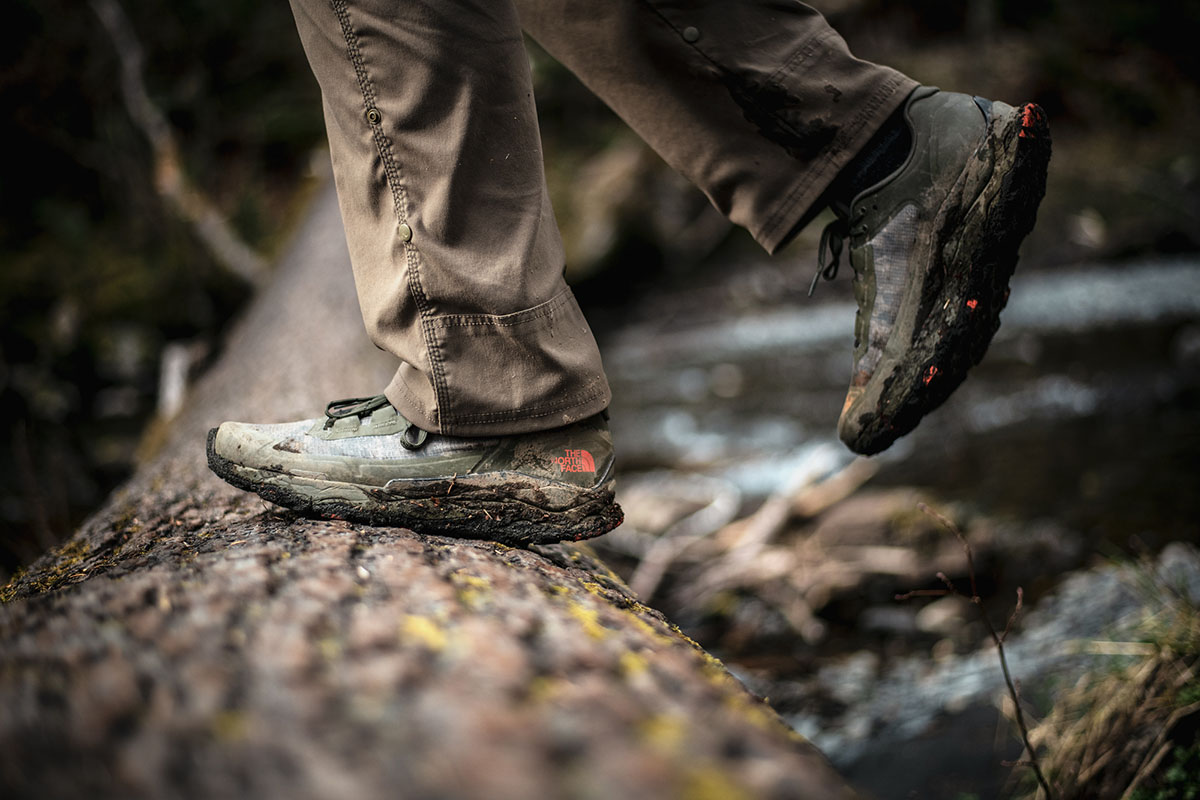
With the core principles understood, the final step is matching the tool to the task. Footwear for trail use exists on a spectrum, broadly categorized by weight, height, and stiffness. Trail Runners are lightweight, flexible, and low-cut, prioritizing speed and breathability. They are ideal for day hikes on well-maintained trails, fastpacking, or anyone who values a nimble feel. Their trade-off is less protection and ankle support. Hiking Shoes are the versatile middle ground. They are sturdier than trail runners, with more aggressive outsoles and better protection, but remain low-cut. They are the perfect all-arounder for most day hikers and weekend backpackers carrying moderate loads. Hiking Boots, with their high ankle cuffs, offer maximum support, stability, and protection for rough terrain, heavy backpacks, or weak ankles. They are the choice for off-trail travel, mountaineering approaches, or carrying significant weight. Finally, Mountaineering Boots are highly specialized, rigid, and often insulated for technical ice and rock climbing. Your selection should be a honest assessment of the terrain you’ll most frequently encounter, the weight you’ll carry, and your personal physiology. Investing in the right category is the first major decision; investing in the right fit within that category is the final, crucial step.
Investment in Experience: Value Beyond Price
Viewing footwear purely as a cost is a mistake; it is an investment in the quality of your adventure. A high-quality pair of shoes for hiking and walking, properly cared for, can provide hundreds of miles of reliable service. The return on this investment is measured in comfort, confidence, and memories unmarred by foot pain. To maximize value, consider shopping during seasonal sales from reputable outdoor retailers, who often discount previous year’s models that are functionally identical to the new versions. Furthermore, many brands offer solid warranties on materials and workmanship. The true cost of cheap footwear is often hidden: it’s the abandoned hike due to blisters, the minor ankle sprain from inadequate support, or the pervasive discomfort that taints an otherwise beautiful landscape. Your feet are your primary mode of transport in the wilds; outfitting them with the best tools you can afford is not an extravagance, but a fundamental principle of safe and enjoyable exploration. The trail awaits, and every great journey begins with the right foundation.

