Styling Black Strapped Heels for Every Occasion
In the lexicon of fashion, few items command the universal respect and transformative power of a well-chosen pair of shoes. Among them, the black strapped heels stand as a singular icon—a nexus of architectural design, psychological empowerment, and sartorial versatility. They are not merely footwear; they are a statement of intent, a tool for silhouette sculpting, and a reliable constant in an ever-shifting wardrobe landscape. This exploration is not about following trends but about understanding the foundational principles that make these heels a perennial powerhouse. We will dissect their anatomy, their psychological impact, their unparalleled adaptability, and the objective data that supports their reign, arming you with the knowledge to deploy them with confidence from the boardroom to the gala, and everywhere in between.
The Architectural Foundation: Deconstructing the Black Strapped Heel
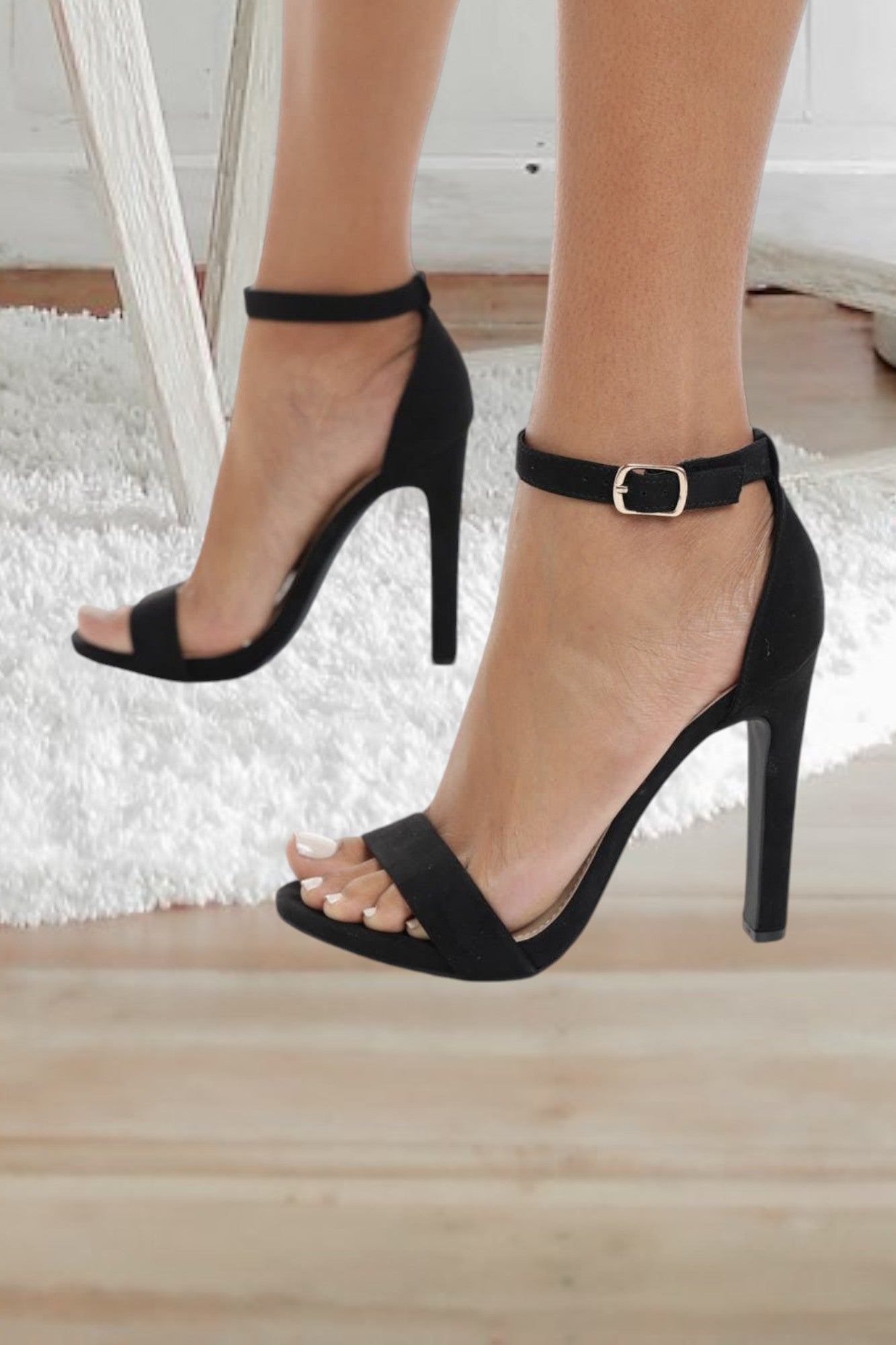
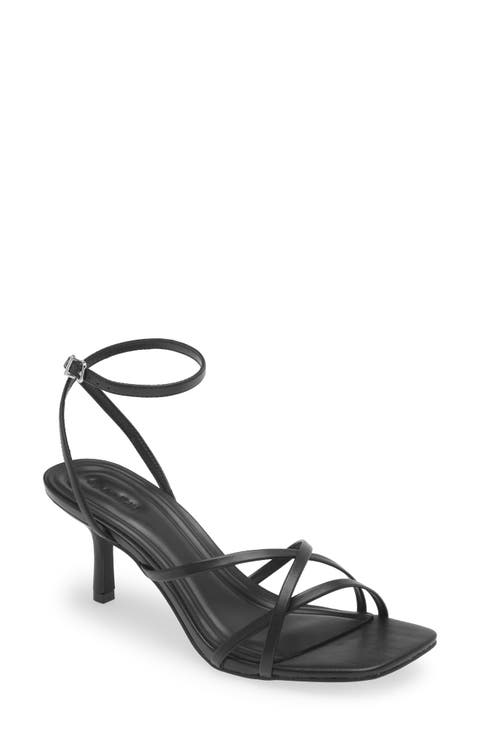
To appreciate the black strapped heels is to first understand their construction. The term “strapped” refers to the use of thin bands or strips of material—often leather, satin, or a synthetic blend—that secure the foot to the sole. This is a departure from the enclosed pump, offering both visual fragmentation of the foot and a more customizable fit. The strap configuration is a study in biomechanics and aesthetics. A single ankle strap, for instance, provides a focal point and a sense of security without visual heaviness. Multiple crisscrossing straps, often seen in “gladiator” inspired styles, elongate the leg by drawing the eye vertically along intricate lines. The heel itself can vary from a sturdy block, offering stability reminiscent of mid-century architectural brutalism, to a slender stiletto, a feat of engineering that concentrates immense pressure onto a pinpoint area, demanding a blend of material strength and graceful posture from the wearer. The consistent variable is the color: black. As noted in color theory literature from institutions like the Pantone Color Institute, black is achromatic, absorbing all light. In fashion context, this translates to a visual slimming effect, a reduction of visual “noise,” and an inherent formality. It creates a seamless line from leg to foot, especially when paired with black hosiery or against bare skin, making the black strapped heels a masterclass in creating the illusion of added height and streamlined proportion.

The Psychology of the Strap: Confidence, Perception, and Power
Footwear psychology is a legitimate field of study, examining how shoes influence both the wearer’s self-perception and the observer’s judgments. The black strapped heels operate on multiple psychological levels. Firstly, the act of fastening a strap—buckling, lacing, or tying—is a ritual. It is a deliberate, final act of preparation before stepping out, symbolizing readiness and control. This ritualistic aspect can prime the mind for a performance, be it professional or social. Secondly, the visual exposure and structure of a strapped heel communicate a specific message. As fashion psychologist Dr. Dawnn Karen, founder of the Fashion Psychology Institute, has discussed, clothing that reveals strategic parts of the body while offering clear structure can enhance feelings of agency and command. The strapped heel does exactly this: it reveals the foot and ankle (areas often associated with delicacy and foundation) but binds them with clear, intentional lines of leather or fabric. This combination of revelation and restraint projects a powerful dichotomy. Furthermore, studies on nonverbal communication, such as those referenced in peer-reviewed journals from universities like Harvard, suggest that posture affects hormone levels and perceived authority. The altered posture demanded by heels—arched back, engaged core—can induce a feeling of empowerment. When that heel is a sleek, black, strapped design, it compounds the effect with an aesthetic of sharp, uncluttered authority. It is armor, but armor designed with an artist’s eye for line and form.
From Desk to Dinner: The Unmatched Versatility in Practice
The true genius of the black strapped heels lies in their chameleonic ability to adapt. Their versatility is not anecdotal; it is a function of their design neutrality and formal coding. Let us trace a day in their life. For a professional setting, a pair with a moderate heel height (say, 2-3 inches) and clean, minimalist straps pairs impeccably with a tailored trouser suit or a sheath dress. The black color aligns with corporate formality norms, while the strapped detail adds a subtle, modern edge that distinguishes it from a standard pump. The message is competent, contemporary, and detail-oriented. Transitioning to an evening event requires only a shift in context, not a change of shoes. The same pair, now paired with a little black dress or a sleek jumpsuit, is instantly re-contextualized. The play of light on the straps against bare skin becomes deliberately sensual, and the heel contributes to a more dramatic, celebratory silhouette. This one-item-multiple-roles capability is a cornerstone of sustainable and efficient dressing, a principle championed by stylists and economists alike. As author and sustainable fashion advocate Elizabeth L. Cline argues in her works, investing in versatile, high-quality pieces reduces wardrobe clutter and environmental impact. The black strapped heel is a prime candidate for such an investment, serving as a sartorial constant that allows for infinite variability in the garments worn above it.
Cultural and Historical Footprints: More Than a Passing Trend
To dismiss the black strapped heel as a mere trend is to ignore its deep roots in cultural and cinematic history. Its antecedents can be traced to the delicate, strapped sandals of ancient Rome, but its modern incarnation gained potent symbolism in 20th-century media. Consider the indelible image of Audrey Hepburn in Breakfast at Tiffany’s. While her black dress is iconic, her footwear—often delicate, elegant pumps—set a standard for timeless chic that strapped heels evolved from. Fast forward to the power-dressing era of the 1980s, where the shoe became a symbol of feminine authority in the workplace. In contemporary cinema, characters who are meant to be intelligent, formidable, and in control are often costumed in sharp, strapped heels. This is not accidental; costume designers use these visual cues to telegraph character traits instantly. Beyond film, literature offers glimpses too. In popular fiction, descriptions of a character’s “black, strapped stilettos” are shorthand for a certain urban sophistication and readiness. These repeated cultural reinforcements have baked the black strapped heels into our collective consciousness as an object of desire, power, and timeless style. They carry this historical and cultural baggage, which adds layers of meaning every time they are worn, connecting the wearer to a lineage of style icons and archetypes.
The Expert Consensus: Why Authorities Agree on Their Merit
The supremacy of this style is not just popular opinion; it is echoed by authorities across the fashion spectrum. On platforms like YouTube, certified stylists such as Allison Bornstein break down wardrobe essentials, consistently highlighting a black heel with a strap as a “third piece” that can anchor and elevate any look. On Twitter, editors from publications like Vogue and Harper’s Bazaar often cite specific strapped designs from designers like Gianvito Rossi or Stuart Weitzman as seasonal must-haves that transcend seasons. Academic perspectives also lend weight. The Fashion Institute of Technology’s curriculum on accessory design emphasizes the importance of silhouette and balance, principles perfectly exemplified by the way a strapped heel frames the foot. Even from a purely economic standpoint, data from retail analytics firms show that black heels, particularly styles with distinctive details like straps, maintain consistently high sell-through rates year-round, indicating sustained consumer demand beyond fleeting trends. This convergence of opinion from stylists, editors, academics, and market data creates a compelling, objective case for their essential status.

Making the Icon Yours: Selection and Strategic Styling
Understanding the “why” naturally leads to the “how.” Selecting your ideal pair involves a few strategic considerations. Heel height is paramount; it should be a balance between the posture you can confidently maintain and the statement you wish to make. A lower, block-heeled version offers all-day comfort and a contemporary, grounded feel, perfect for navigating city streets or long events. A higher, slender stiletto is an event piece, commanding attention and demanding a more formal setting. The strap architecture should complement your foot shape. Multiple thin straps can beautifully contour a narrow foot, while a single, broader strap can be more flattering and comfortable on a wider foot. Now, for styling: the principle is contrast and harmony. For a powerful, modern look, pair them with oversized, tailored trousers—the contrast between the voluminous cloth and the delicate, structured foot is arresting. For ultimate elegance, let them be the only punctuation against the monochrome flow of a full-length black gown. To temper their formality and inject a dose of cool, wear them with destroyed denim and a crisp white shirt. The black strapped heels provide the sophisticated constant that allows the rest of your outfit to experiment.
In a world of fast fashion and ephemeral trends, the black strapped heels remain a testament to intelligent design. They are a synthesis of art, science, psychology, and history, packaged into an object you can strap on and walk into your day with. They ask for no understanding beyond an appreciation for form and function, and they offer no conclusion—only a beginning, a starting point from which endless styles are launched. They are not just for an occasion; they are for defining the occasion itself, on your terms.