

Styling 80s Sneakers for Modern Streetwear Looks
The resurgence of 80s sneakers is not a mere coincidence or a simple nostalgic trip. It represents a profound synthesis of cultural heritage, design philosophy, and contemporary fashion logic. These shoes, born from the fitness craze, technological optimism, and bold aesthetic experiments of the 1980s, possess a unique DNA that modern minimalism often lacks: character, statement, and unapologetic individuality. Integrating them into today’s streetwear isn’t about costume play; it’s about harnessing their inherent energy to build looks that are both grounded in history and fiercely present. This exploration delves beyond surface-level styling tips, examining the why and how from cultural, design, and practical perspectives, equipping you to masterfully deploy these iconic silhouettes in your wardrobe.
The Unshakeable Cultural Foundation of 80s Sneaker Design
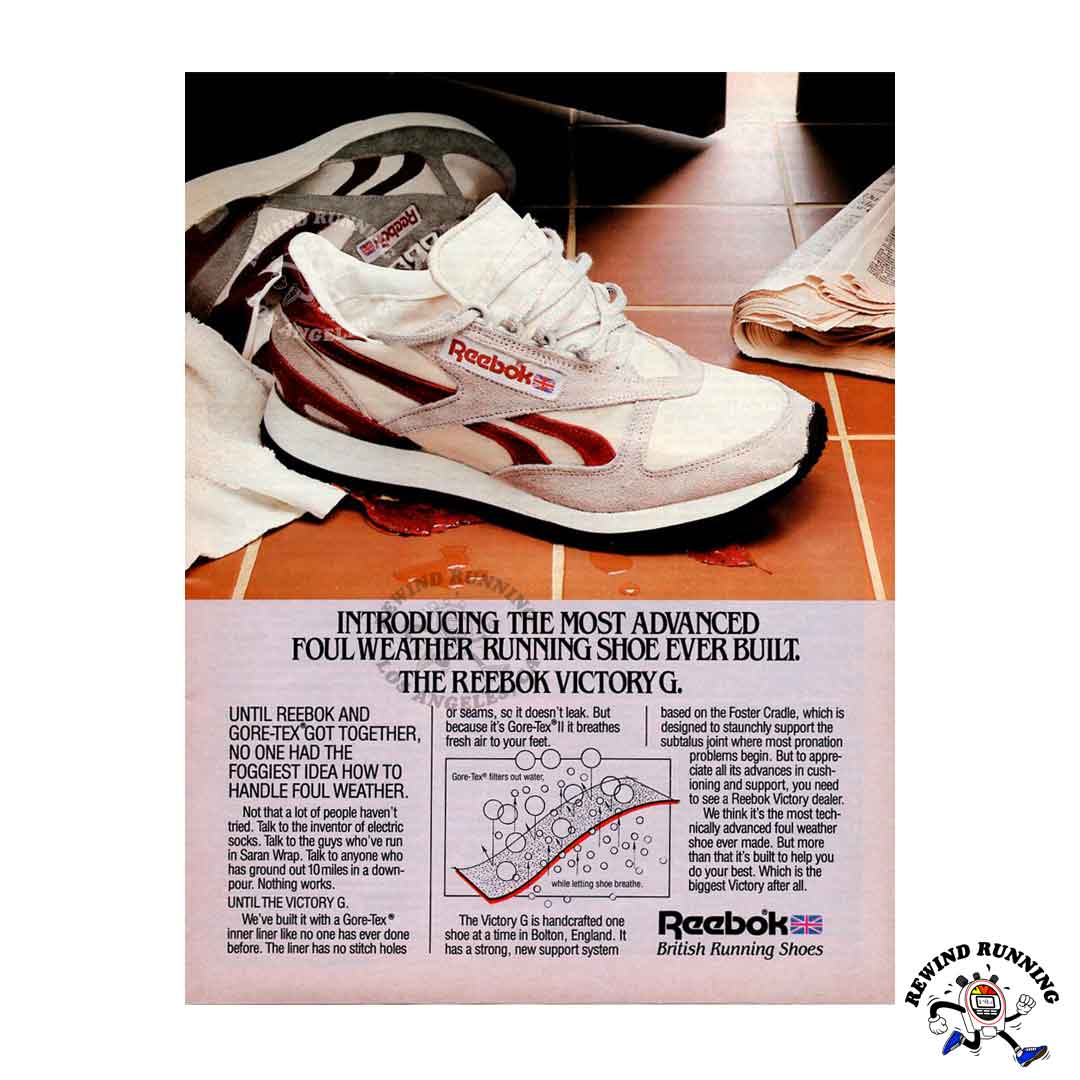
To style 80s sneakers authentically, one must first appreciate the era that forged them. The 1980s were a decade of conspicuous consumption, technological leaps, and the birth of globalized youth culture. Sneakers transitioned from purely athletic gear to cultural trophies, influenced by breakdancing, hip-hop’s rise, and the aerobics fever. As Dr. Elizabeth Semmelhack, Senior Curator at the Bata Shoe Museum, notes in her research, “The 1980s saw the sneaker become a canvas for brand identity and personal expression in a way never seen before.” This was the era of the “first signature sneaker” wars, with Michael Jordan’s Air Jordan 1 (1985) defying NBA uniform codes and Run-D.M.C. making the Adidas Superstar a hip-hop uniform without laces. The designs reflected this boldness: they were often high-top for ankle support and style, featured bulky silhouettes for cushioning technology and presence, and utilized bold color-blocking, reflective materials, and synthetic leathers. These elements weren’t arbitrary; they were responses to performance needs and cultural signals. A model like the Reebok Freestyle (1982), designed for women’s aerobics, became a street style staple because its sleek yet bold look captured the era’s energy. Understanding this context is crucial. When you wear a pair of 80s sneakers, you’re not just wearing a shoe; you’re invoking a legacy of rebellion, innovation, and cultural cross-pollination. This foundational knowledge informs styling—it encourages pairing them with pieces that respect their volume and vibrancy, rather than forcing them into a subdued, minimalist context where they might look out of place.

Decoding the Silhouette: High-Tops, Bulky Mids, and Color Blocking
The most immediate visual signature of an 80s sneaker is its silhouette. The high-top profile, seen in icons like the Nike Air Force 1 High (1982) or the Converse Weapon (1986), was born from basketball needs but translated into a powerful style statement that offered a sense of structure and authority to an outfit. Styling these requires balancing their verticality. A modern approach involves pairing them with cropped or slightly tapered trousers—think straight-leg jeans or utility pants with a clean break above the ankle. This prevents the pants from bunching up and allows the shoe’s full form to be the focal point. The bulky midsole, a product of advancing cushioning technology like Nike’s Air or EVA foam, gives these sneakers their grounded, substantial feel. Contrary to outdated advice, this bulk is an asset. It provides a solid foundation that can elegantly anchor looser, more voluminous clothing prevalent in modern streetwear, such as wide-leg cargos or an oversized vintage sport jacket. The key is intentional proportion. Furthermore, the era’s hallmark color-blocking—using large, contrasting panels of color—is a gift to stylists. A sneaker with bold blue and red panels, for instance, doesn’t just demand to be noticed; it provides a ready-made color palette. You can choose to pick up one of those accent colors in a hoodie or cap for a cohesive look, or let the sneakers stand alone as the explosive centerpiece against a monochrome base of black, white, or grey. This strategic use of color transforms the shoe from a mere accessory into the director of your outfit’s visual narrative.
Modern Alchemy: Pairing Retro Kicks with Contemporary Wardrobe Staples
The magic happens in the fusion. The true test of styling prowess is integrating these historically rich pieces into a contemporary wardrobe seamlessly. Let’s break down three potent modern pairings. First, 80s sneakers with tailored trousers. This is the ultimate high-low juxtaposition. Imagine a classic Nike Air Jordan 1 in a neutral colorway paired with well-fitted, wool-blend trousers and a crisp, unstructured blazer. The sneakers inject casual irreverence and comfort into a smart ensemble, preventing it from appearing stuffy. This look, championed by style figures from Jerry Seinfeld in the ’90s to modern-day fashion week attendees, speaks to a confident, genre-blending attitude. Second, consider the synergy with techwear or utility-focused pieces. The functional, engineered look of many 80s designs—with their mesh panels, plastic overlays, and robust builds—makes them a natural companion for cargo pants, technical vests, and water-resistant jackets. A pair of rugged, trail-inspired sneakers from the late ’80s can complete a futuristic, urban explorer aesthetic. Third, and perhaps most naturally, is the pairing with vintage sportswear. A tracksuit top, a vintage college sweatshirt, or a washed-out graphic tee aligns perfectly with the sneaker’s origins. The goal here is not to recreate an 80s costume but to create a dialogue between eras, perhaps by mixing the vintage sneaker and tee with very modern, minimalist nylon shorts or new-denim jeans.
The Material World: Leather, Mesh, and the Patina of Time
Beyond shape and color, the materiality of 80s sneakers offers rich styling cues. The prevalent use of full-grain or synthetic leather gives many models a structured, slightly formal sheen that can elevate casual fabrics. A clean, white leather sneaker from the era can be the perfect bridge between a chunky knit sweater and dark denim. Conversely, the introduction of technical mesh and nylon for breathability, as seen in running models of the time, adds a lightweight, textured element that pairs beautifully with summer linens or technical fabrics. Furthermore, one cannot overlook the aesthetic of “wear.” Unlike the pristine, often disposable culture around some modern sneakers, 80s models often gain character with age. A scuffed toe box or a naturally faded colorway tells a story. As renowned designer and vintage collector Hiroshi Fujiwara has often implied through his work, this patina adds authenticity. Styling should not fear this lived-in quality; instead, embrace it by pairing the sneakers with similarly well-loved or intentionally distressed garments, creating an outfit that feels personal and earned, rather than brand new and impersonal.

Beyond Trends: The Investment and Accessibility of Iconic Footwear
Engaging with 80s sneaker style also involves a practical understanding of the market. This realm exists in two parallel streams: the coveted vintage original and the faithful modern reissue. Hunting for deadstock or well-preserved vintage pairs is a passion that connects wearers to history, but it requires knowledge of sizing shifts, material degradation, and reputable sources. The reward is an utterly unique item. On the other hand, the athletic brands have astutely capitalized on nostalgia through extensive reissue programs. Companies like Nike, Adidas, and Reebok consistently re-release archival models, often with updated comfort technology while preserving the original aesthetics. This is where professional knowledge meets consumer benefit. For instance, knowing that a certain retro model is scheduled for a wide re-release can save you from paying inflated reseller prices for the vintage version. Moreover, end-of-season sales, outlet stores, and special promotional periods are excellent opportunities to acquire these modern reissues at significantly discounted prices. Building a relationship with a local specialty sneaker store can provide early access to such deals. The point is this: cultivating a personal style anchored by these icons doesn’t require an exorbitant budget. It requires patience, research, and the strategic timing of your purchases, allowing you to build a rotation of statement footwear that is both stylistically potent and financially sensible.

Ultimately, styling 80s sneakers for the modern world is an exercise in informed confidence. It’s about recognizing the cultural weight and design language of these objects and then fearlessly translating that into your personal aesthetic vocabulary. They offer a tool to break monotony, to add historical depth to an outfit, and to stand firmly on a foundation of proven style. Whether through the bold contrast with tailored fabrics, the harmonious alliance with streetwear staples, or the respectful nod to their vintage condition, these sneakers provide a versatile and powerful anchor. By understanding their origins, respecting their proportions, and acquiring them wisely, you move beyond following a trend. You begin to participate in an ongoing dialogue between past and present, using your feet as the starting point for a truly distinctive expression.
