

Best Shoes for Hiking and Walking: Comfort and Durability Combined
Selecting the right footwear is not merely a matter of style; it is a critical decision that impacts your safety, performance, and enjoyment on the trail or pavement. The quest for the perfect pair of shoes for hiking and walking hinges on a harmonious blend of comfort and durability—two pillars that support every step of your journey. This article delves into the engineering, science, and user experience behind superior footwear, guiding you toward an informed choice that marries resilience with all-day comfort.
The Foundation: Understanding Foot Biomechanics and Terrain
Before evaluating specific shoes, one must appreciate the complex interplay between human biomechanics and the ground beneath. The human foot is a marvel of evolution, with 26 bones, 33 joints, and over 100 muscles, tendons, and ligaments working in concert. As noted in research from Stanford University’s Biomechanics Division, the foot acts as both a rigid lever for propulsion and a flexible shock absorber upon impact. This dual function is paramount for shoes for hiking and walking, which must facilitate this natural motion while providing external stability. On varied terrain—from rocky ascents to muddy paths—the demands shift. A study published in the “Journal of Foot and Ankle Research” emphasizes that uneven surfaces increase muscular stabilization demands by up to 40%, underscoring the need for footwear that offers precise support without restricting natural foot splay. The wrong shoe can disrupt your gait cycle, leading to inefficiency or injury, while the right one becomes an extension of your body, enhancing your connection to the path ahead.
Engineering Comfort: Materials, Cushioning, and Fit
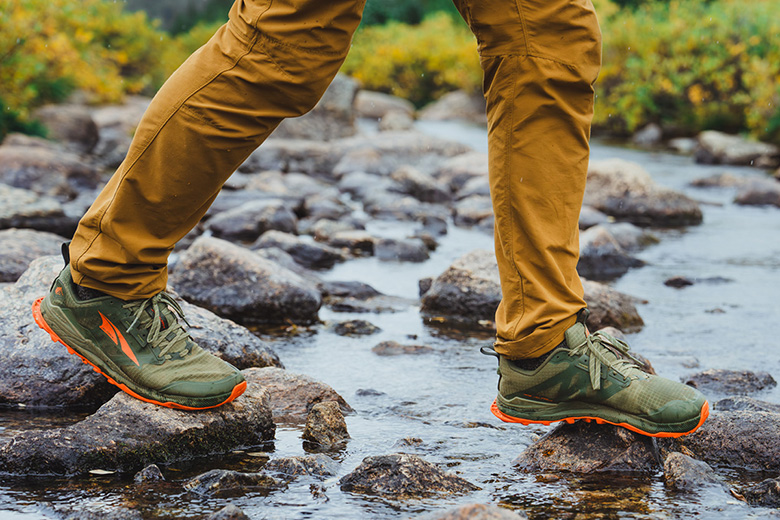
Comfort in footwear is a multi-layered concept, beginning with the materials that cradle your foot. Modern shoes for hiking and walking utilize advanced synthetics, breathable meshes, and sometimes sustainably sourced leathers. However, the core of comfort lies in the midsole and insole technology. EVA (ethylene-vinyl acetate) foam and polyurethane are common, but brands like HOKA have popularized super-critical foams, which are lighter and more resilient. As Dr. Casey Kerrigan, a former Harvard Medical School professor of physical medicine, stated in an interview with “Outside Magazine,” “Cushioning is not about softness alone; it’s about energy return and reducing the metabolic cost of walking.” This scientific perspective shifts the focus from mere plushness to responsive systems that propel you forward. Furthermore, fit is non-negotiable. The American Podiatric Medical Association recommends a thumb’s width of space beyond your longest toe to prevent downhill impact. A proper fit accommodates foot swelling during long hikes, ensures heel lockdown to prevent blisters, and allows for the use of moisture-wicking socks. Remember, the most technologically advanced shoe is worthless if it doesn’t fit your unique foot shape.
The Pillar of Durability: Outsoles, Uppers, and Construction
Durability is what separates a fleeting trend from a trusted trail companion. It is tested against abrasion, flexion, and the elements. The outsole is your first line of defense. Vibram® rubber, a gold standard cited in countless gear reviews, is renowned for its grip and longevity. The lug pattern—the depth and arrangement of treads—is crucial. Deep, multi-directional lugs, like those on many Merrell boots, shed mud and bite into loose soil. As the famous mountaineer Ed Viesturs once remarked, “The mountain doesn’t care what shoes you wear, but your soles decide how long you stay.” The upper material must also withstand scuffs, water, and repeated flexion. Cordura® nylon, thermoplastic polyurethane (TPU) overlays, and reinforced toe caps extend a shoe’s life. Crucially, construction methods matter. Traditional cemented construction may fail over time, whereas Goodyear welt or stitch-down construction, often found in premium shoes for hiking and walking, offers superior repairability. This aligns with a sustainable ethos—durable goods reduce waste. A durable shoe is an investment that pays dividends over hundreds of miles.

Specialized Designs: Trail Runners, Hiking Shoes, and Boots
The spectrum of shoes for hiking and walking is broad, catering to different activities and personal preferences. Trail running shoes, such as the Salomon Speedcross, prioritize lightweight agility and aggressive tread for fast-paced movement on technical trails. They often feature a lower drop (the height difference between heel and toe) to promote a more natural foot strike. In contrast, traditional hiking shoes offer more structured support and often higher ankle collars for stability on uneven ground with heavier loads. Then there are hiking boots, the stalwarts of backpacking. As Cheryl Strayed documented in her memoir “Wild,” her heavy boots were both a burden and a necessity for carrying a massive pack on the Pacific Crest Trail. Each design represents a trade-off: weight versus protection, flexibility versus support. Your choice should mirror your primary activity, load weight, and the terrain’s technicality. There is no universal best, only the best for your specific journey.
Waterproofing and Climate Considerations
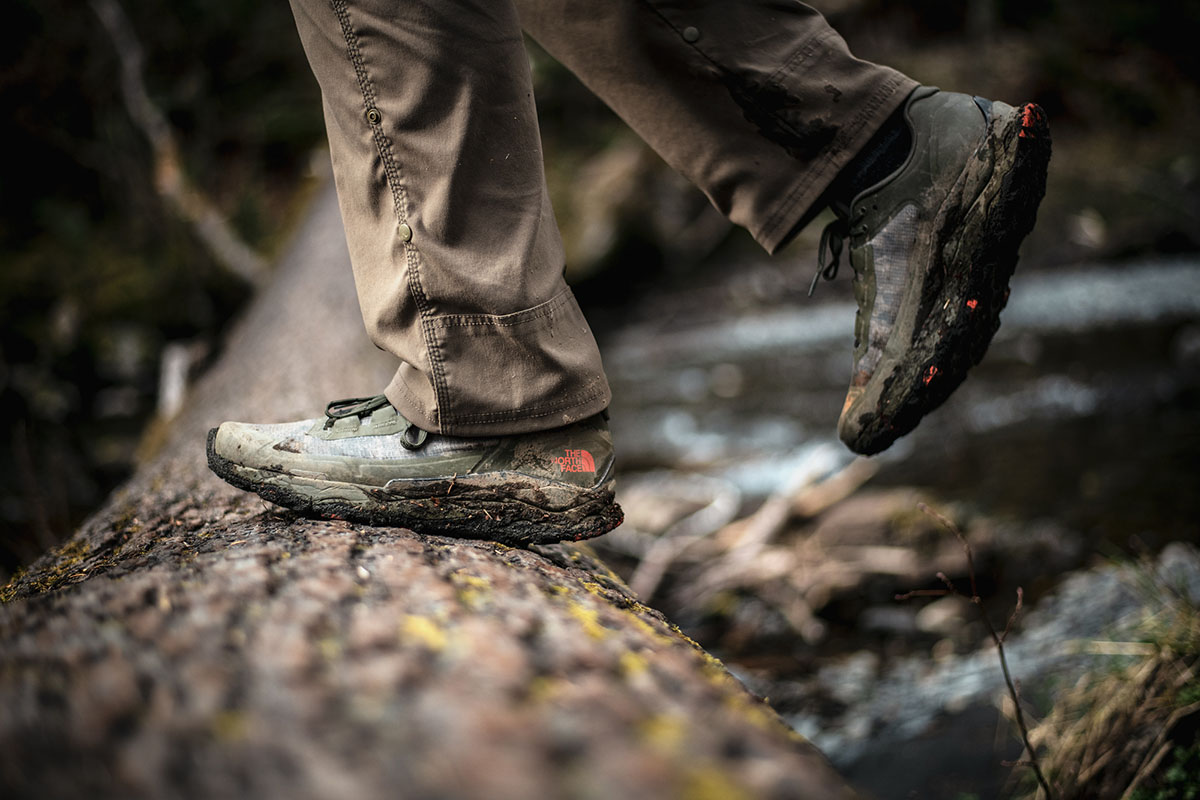
The debate around waterproof membranes like Gore-Tex® is central to comfort in wet conditions. These membranes work on a principle of micro-porosity, allowing vapor from sweat to escape while blocking liquid water from entering. This technology, as explained on Gore’s official website, creates a versatile barrier. However, it is not a panacea. In consistently rainy environments or stream crossings, water can enter over the collar, and once wet, these shoes for hiking and walking dry slower than non-waterproof, breathable mesh shoes. The renowned gear testing website “OutdoorGearLab” often advises that for fast-and-light hiking in dry climates, breathability may trump waterproofing. Conversely, for cold, wet, or snowy conditions, a waterproof barrier is invaluable for warmth and dry comfort. Your local climate and typical weather windows should guide this decision. Sometimes, carrying quick-drying shoes or using waterproof socks offers a more adaptable solution than relying solely on the shoe’s built-in membrane.
Making the Investment: Value, Care, and Where to Buy
High-quality footwear is an investment in your outdoor pursuits. While premium models from brands like La Sportiva or Lowa can command prices over $200, their advanced materials and construction often justify the cost through longevity and performance. However, value can be found. End-of-season sales, outlet stores, and reputable online retailers like REI (which offers member dividends and a generous return policy) frequently offer significant discounts. For instance, last season’s model of a top-rated shoe might be available at a 30-40% discount with only minor updates. Beyond the purchase, proper care extends life. Regularly remove dirt, allow shoes to air dry away from direct heat, and reapply water-repellent treatments to the upper. Rotating between two pairs allows each to fully decompress and dry, slowing the breakdown of cushioning. By being a savvy shopper and a conscientious owner, you maximize the return on your investment in durable and comfortable shoes for hiking and walking.
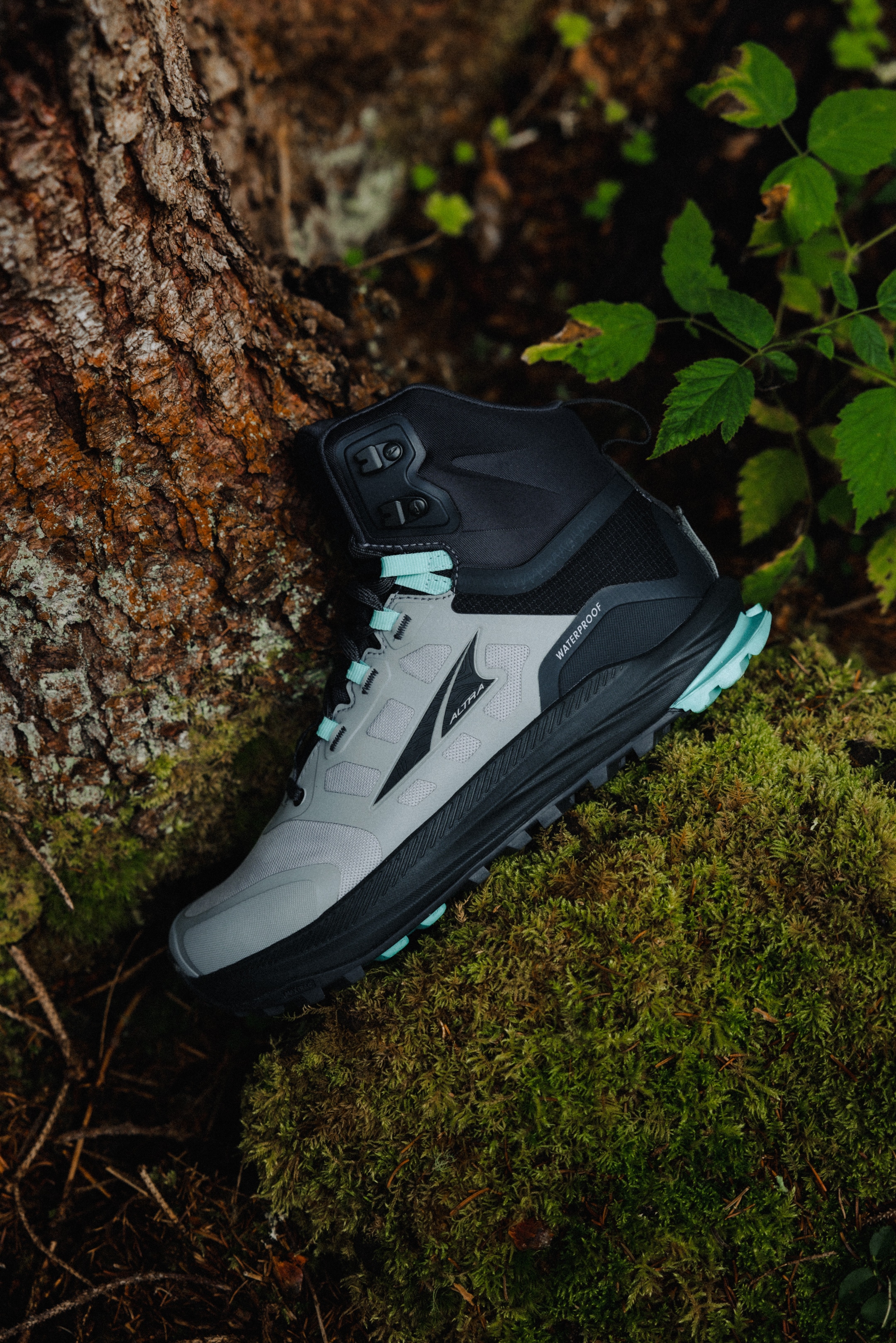
The path to finding the ideal footwear is paved with personal preference, scientific insight, and honest assessment of your needs. The perfect pair seamlessly integrates comfort that feels custom-made with durability that stands up to relentless use. They are the silent partner on every adventure, from city strolls to mountain summits. Let your choice be guided by knowledge, not just marketing, and you will find shoes that don’t just carry you over the terrain but enhance every step you take.
