

How to Style 80s Sneakers for a Modern Wardrobe
The resurgence of 80s sneakers is more than a fleeting trend; it’s a testament to their enduring design language and functional versatility. These shoes, born from a decade of bold experimentation in music, sport, and street culture, carry a distinct aesthetic that can feel daunting to integrate into contemporary looks. The key lies not in recreating a full 1980s costume but in extracting the sneaker’s core character—its chunky silhouettes, vibrant color-blocking, and technical heritage—and allowing it to become a deliberate, anchoring statement piece within a minimalist or modern context. This approach transforms a potential fashion relic into a dynamic tool for personal expression, bridging decades of style with intentionality.
Decoding the DNA of 80s Sneaker Design
To style 80s sneakers effectively, one must first understand what defines them. The 1980s were a revolutionary period for athletic footwear, driven by technological innovation and cross-pollination with burgeoning subcultures. According to design historians, this era moved beyond basic canvas and rubber, introducing advanced cushioning systems like Nike’s Air technology and Reebok’s Hexalite. The silhouettes became larger, more sculptural, and often featured high-top collars for ankle support, influenced by the rise of basketball icons. Color palettes shifted from conservative whites and neutrals to high-contrast combinations of bright primary colors, neons, and metallic accents, mirroring the graphic intensity of MTV and video games. This wasn’t merely about sport; it was about performance as a visible, stylish spectacle. As sneaker culture authority and author of “Sneakers: The Complete Limited Editions Guide,” Udi Avshalom, notes on platforms like Highsnobiety, “The 80s cemented the sneaker as a cultural artifact. It stopped being just for the court and started speaking the language of the streets, of music, of individual identity.” Therefore, the modern styling challenge involves honoring this bold, technical DNA while preventing it from overwhelming your entire ensemble.
The Foundation: Mastering Monochrome and Clean Lines
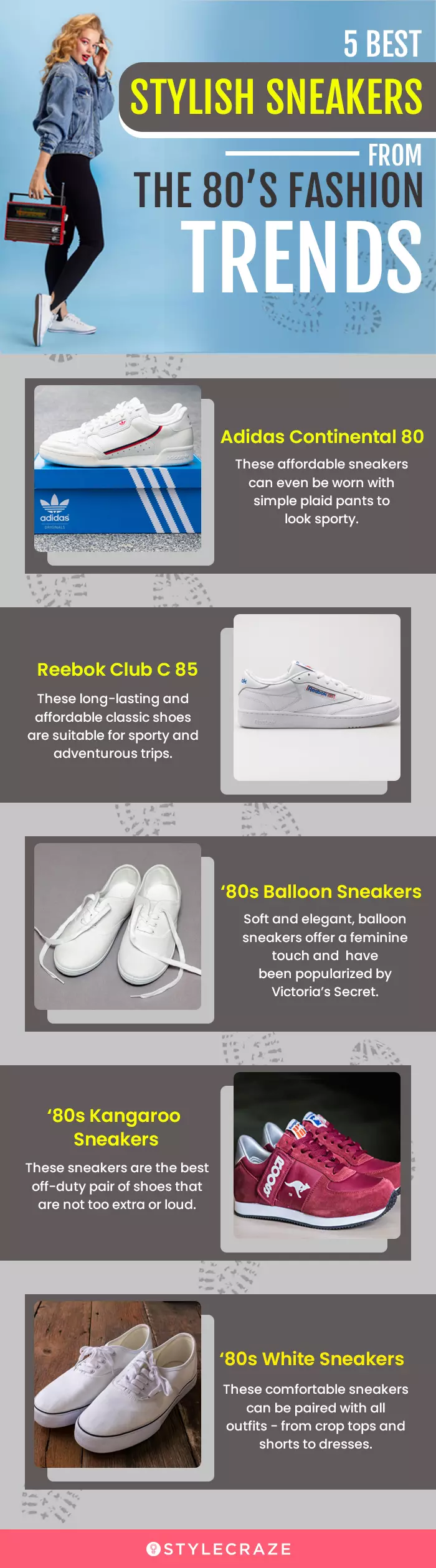
Your most powerful strategy for wearing statement 80s sneakers is to build a neutral, streamlined foundation. Let the shoes be the undisputed focal point. For a pair of vividly color-blocked Reebok Classics or Nike Air Max 1s, start with a base of black, white, grey, or beige. Think of tailored, minimalist pieces: well-fitted black denim or chino trousers, a simple white heavyweight cotton t-shirt, and an unstructured blazer or a sleek bomber jacket in a neutral tone. This approach is rooted in the design principle of contrast, where a single complex element shines against a simple background. The clean lines of modern wardrobe staples—such as a straight-leg trouser that slightly breaks over the sneaker’s tongue—create a deliberate juxtaposition that feels contemporary, not costumed. This method also aligns with the “hero piece” philosophy advocated by stylists on platforms like Who What Wear, where one iconic item dictates the narrative of an outfit. By paring back everything else, you allow the intricate paneling, unique textures, and nostalgic hues of your 80s sneakers to tell their story without visual competition. It’s a dialogue between eras, where the modern frame gives context and relevance to the vintage centerpiece.
Balancing Proportions: The Silhouette Strategy
The inherently chunky and often high-top nature of many 80s sneakers requires thoughtful proportion management. The wrong cut of pants can make an outfit feel bulky or stump your leg line. The contemporary solution lies in embracing either a tailored-slim or a deliberately wide silhouette. For a sleek, modern look, opt for trousers with a straight or tapered leg that can be neatly cuffed or tailored to sit just above the sneaker’s collar, showcasing the entire shoe. This creates a clean break and emphasizes the sneaker’s structure. Conversely, you can lean into the volume with wide-leg jeans or cargo pants. The key here is to ensure the garment’s fabric is relatively lightweight and drapes well, so it flows over the sneaker rather than piling up on it. This “volume-on-volume” approach, seen frequently in modern designer collections, creates a dynamic, fashion-forward silhouette that references the exaggerated proportions of the 80s but executes them with contemporary tailoring finesse. It’s a nod to the past through a modern lens, proving that these sneakers can adapt to and enhance current trends in menswear and womenswear alike.

Contextual Fusion: From Streetwear to Smart-Casual
The true versatility of 80s sneakers is revealed when they are transitioned across different style contexts. In a streetwear setting, pairing them with distressed denim, a graphic hoodie, and a technical vest feels authentic and rooted in the sneaker’s heritage. However, their modern potential is fully unlocked in smart-casual scenarios. Imagine a pair of crisp, off-white Nike Air Force 1s (a design launched in 1982) worn with a relaxed-fit wool trouser, a fine-gauge merino wool sweater, and a tailored overcoat. The sneakers inject a shot of relaxed, youthful energy into an otherwise polished outfit, breaking formality in a sophisticated way. This style alchemy is championed by figures like musician and fashion icon Pharrell Williams, who often blends high-fashion items with vintage sneakers, stating in interviews, “It’s about the confidence in the mix. A great sneaker has a soul, and it can elevate anything if you believe it does.” This philosophy empowers you to wear your retro sneakers to a wider range of occasions, from casual Fridays at the office to weekend brunches, demonstrating their role as a true wardrobe workhorse.
Color Theory in Practice: Harmonizing and Contrasting
Beyond neutrals, successfully integrating the often-bold colors of 80s footwear requires a basic application of color theory. Use the sneaker’s palette as your guide. For a harmonious look, pick out one secondary color from the sneaker’s paneling—a shade of blue, red, or grey—and incorporate it subtly elsewhere in your outfit through a sock, beanie, or the trim on a jacket. This creates a cohesive, thoughtfully coordinated appearance. For a bolder, more contemporary statement, employ complementary contrast. A sneaker with strong orange accents, for instance, can be paired with pieces in shades of blue (orange’s direct complement on the color wheel) for an outfit that feels vibrant and intentionally designed. Resources from art and design schools, such as the color theory modules from the Rhode Island School of Design, explain how these relationships create visual interest. Don’t feel you must match colors exactly; in fact, tonal variations (e.g., pairing a neon green sneaker accent with a muted sage green shirt) often yield a more sophisticated and modern result than a literal match.
Investment and Authenticity: Navigating the Market
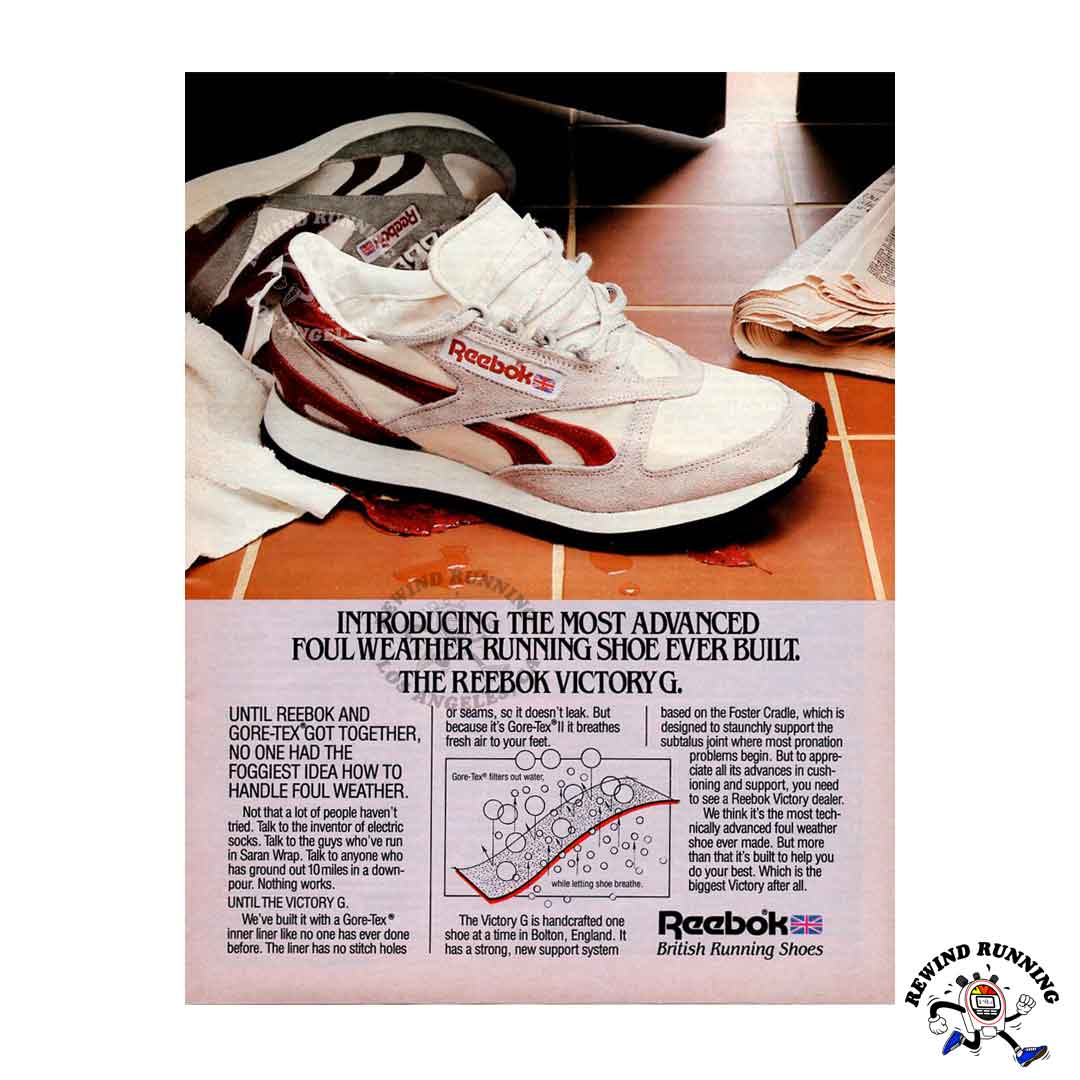
Engaging with 80s sneakers today involves navigating a market of original vintage finds, modern re-releases (often called “retros”), and inspired contemporary models. For purists, sourcing well-kept vintage pairs from reputable resellers or platforms like eBay can offer unmatched authenticity and patina, though it may come with concerns over degraded materials like midsoles. The more accessible and practical route for daily wear are the official retro releases from brands like Nike, Adidas, and Reebok. These models use modern manufacturing and updated cushioning for comfort while faithfully recreating the original aesthetics. Brands frequently reissue iconic models, making them available at standard retail prices (typically ranging from $100 to $160), though special collaborations can command premiums. To add professional knowledge and value, consider this: signing up for brand newsletters or following dedicated sneaker accounts on Twitter can alert you to upcoming drops and potential discounts. Furthermore, end-of-season sales at major retailers are excellent opportunities to acquire these retro classics at 20-30% off, allowing you to build a collection of these timeless pieces without overspending.
The Final Touch: Confidence as the Ultimate Accessory
Ultimately, the most critical element in styling any bold piece, especially one loaded with cultural history like 80s sneakers, is unapologetic confidence. These shoes are not meant to fade into the background; they are designed to be seen and to communicate. Wearing them with hesitation undermines the look. Embrace the statement they make. This confidence is what transforms an outfit from “wearing old shoes” to “curating a modern vintage aesthetic.” As fashion psychologist Dr. Dawnn Karen, who explores “dress for success” concepts, suggests in her analyses, clothing impacts our cognitive processes—a phenomenon known as “enclothed cognition.” Choosing a piece with a strong identity, like a classic 80s sneaker, can actually foster a more creative and assertive mindset. So, lace up your chosen pair—whether they are vibrant Reebok Freestyles, chunky Nike Air Jordans, or sleek Adidas Superstars—and let them ground your look with a piece of history, recontextualized through your personal, contemporary lens. They are a bridge across time, waiting for you to walk forward in them.

