

Styling 80s Sneakers for Modern Streetwear Looks
The resurgence of 80s sneakers is not a mere coincidence or a fleeting trend; it is a calculated reintegration of foundational design principles into the contemporary fashion lexicon. These shoes, born from a decade defined by bold experimentation, technological innovation in sportswear, and the nascent stages of hip-hop and skate culture, carry a genetic code of authenticity. To style them for modern streetwear is to engage in a dialogue between heritage and innovation, where the visual vocabulary of the past is decoded and reassembled for the present. This isn’t about costume or pure nostalgia; it’s about leveraging iconic silhouettes—their chunky soles, vibrant color-blocking, and durable materials—as versatile anchors in a wardrobe that values both statement and substance. The modern streetwear aficionado doesn’t just wear a sneaker; they curate a narrative, and 80s sneakers provide a rich, authentic chapter.
The Architectural Foundation: Why 80s Silhouettes Work
To understand the enduring appeal, one must first dissect the design DNA. The 1980s was a golden era for athletic footwear, marked by a shift from mere performance gear to cultural artifacts. Brands like Nike, Adidas, Reebok, and Puma were engaged in an arms race of technology and style. The introduction of visible Air cushioning by Nike, as exemplified in models like the Air Force 1 (1982) and the Air Max 1 (1987), was revolutionary. As Tinker Hatfield, the legendary designer behind many of these icons, stated in an interview for Nike’s own archive, the goal was to make the technology “visible and understandable” to the consumer. This philosophy birthed silhouettes that were inherently architectural. The chunky midsole, often now referred to as a “dad shoe” profile, wasn’t just for shock absorption; it created a formidable, grounded aesthetic. This foundation provides a powerful visual counterpoint in modern minimalistic or tailored fits. A sleek, monochromatic outfit of tailored trousers and a simple tee is instantly transformed and given an edge when grounded by a pair of robust, color-blocked 80s sneakers. The silhouette commands attention and establishes a hierarchy in the outfit, making the shoe the undeniable focal point without requiring loud logos or graphics elsewhere.

Color Theory in Motion: Beyond Neutrals
Where contemporary minimalist sneakers often preach a gospel of white, black, and grey, 80s sneakers offer a masterclass in expressive color theory. The palette was unapologetic: electric blues, fiery reds, vibrant yellows, and stark whites often clashed and harmonized in geometric panels on a single shoe. This approach was influenced by the rise of MTV and the hyper-saturated visuals of music videos, as noted by fashion historians like Valerie Steele in her work for The Museum at the Fashion Institute of Technology. Styling these today requires a shift from fear to strategy. One effective method is the “one anchor” rule. Let the sneaker be the kaleidoscope. Pair boldly colored kicks with neutral-toned clothing—think beige cargo pants, a black oversized hoodie, or stonewash denim. The outfit becomes a canvas, allowing the shoes to pop as the intentional artistic statement. Conversely, for the advanced stylist, tonal dressing can be electrifying. Matching a specific hue from your sneaker (say, the cobalt blue accent) with a similar shade in a jacket or hat creates a cohesive, fashion-forward look that demonstrates a sophisticated understanding of color integration, moving beyond safe coordination into deliberate styling.
Context is King: Integrating Heritage into Contemporary Codes
The power of 80s sneakers is magnified exponentially when their original cultural context is acknowledged and woven into the modern narrative. These shoes were not born on runways; they were forged on basketball courts, breakdance floors, and skate ramps. The Adidas Superstar, though from the 70s, became synonymous with 80s hip-hop culture thanks to Run-D.M.C. The Nike Dunk, initially a college basketball shoe, found its second life in 90s skateboarding, a direct descendant of 80s subcultural appropriation. When you wear these models today, you are, consciously or not, tapping into that lineage. Modern streetwear, as defined by platforms like Highsnobiety or Complex, thrives on this authenticity. Styling them with elements that nod to these roots—baggy jeans echoing hip-hop’s silhouette, a graphic tee from a skate brand, or athletic socks pulled high—creates a look that feels researched and respectful, not random. It bridges the gap between vintage appreciation and contemporary relevance. As filmmaker and cultural commentator Spike Lee, whose character Mars Blackmon famously championed Air Jordans, once noted, the shoes were “about aspiration and identity.” That function remains utterly relevant today.
The Texture Play: Leather, Mesh, and Beyond
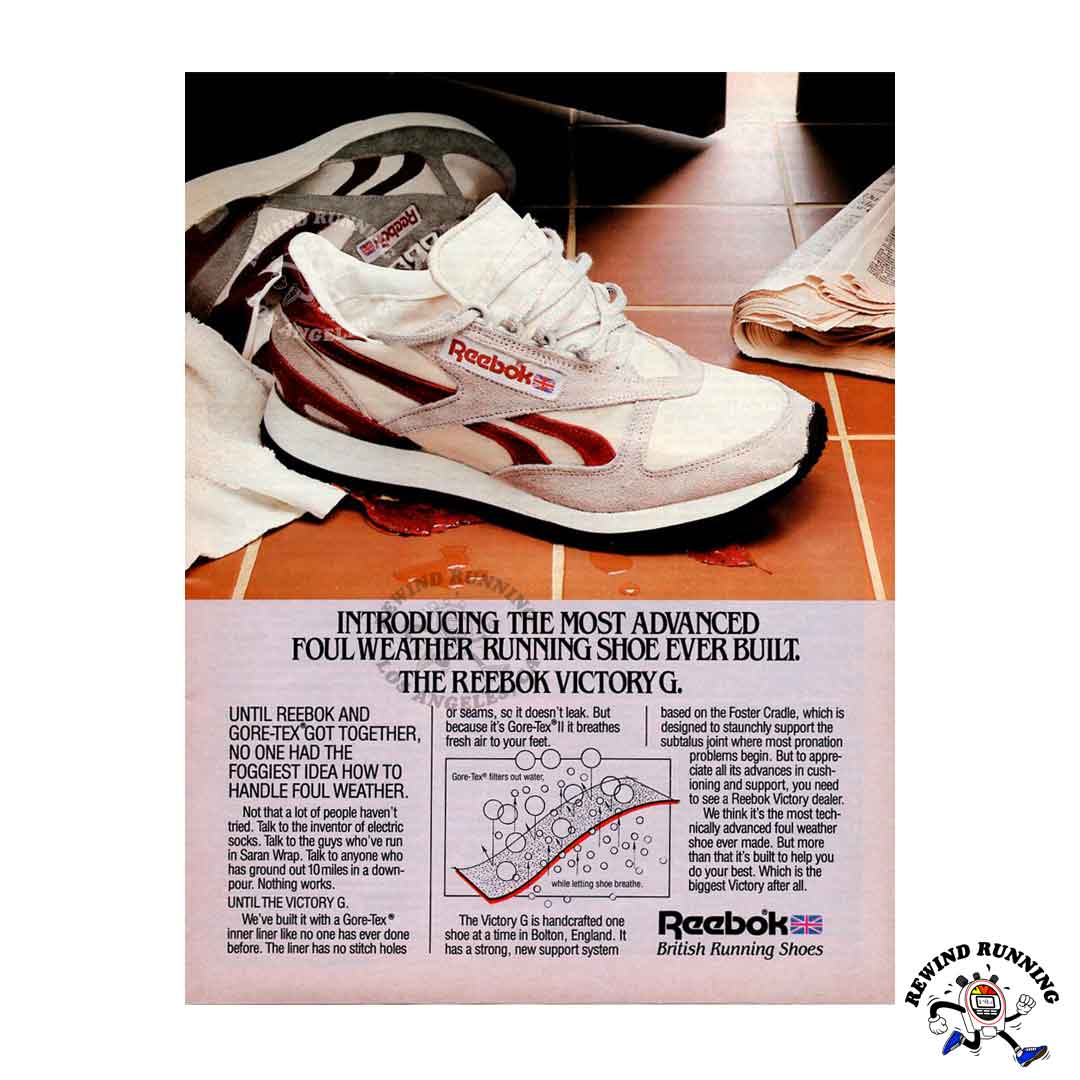
A frequently overlooked aspect of styling is textural contrast, and here, 80s models are a treasure trove. Unlike many modern sneakers that utilize uniform knit uppers, classic 80s designs often feature a mosaic of materials. Think of the Nike Air Jordan I: its use of premium leather, supple suede overlays, and a rubber toe cap. Or the Reebok Classic Leather, which lived up to its name with its full-grain leather construction. This material richness invites tactile interplay in an outfit. Pairing the sleek, cool finish of a leather sneaker panel with the rough, cozy texture of corduroy or wool trousers adds depth and sophistication. The synthetic mesh and nylon on running styles like the Nike Air Max Tailwind create a technical, utilitarian feel that contrasts beautifully with soft cotton or drapey rayon. Engaging with these textures moves styling from a two-dimensional color-matching exercise into a three-dimensional sensory experience. It signals an attention to detail that elevates the entire ensemble, proving that the choice of footwear can dictate the material narrative of your look.

From Archive to Pavement: Sourcing and Investing in Key Models
Embarking on this styling journey necessitates knowledge of the key players. The market is vast, spanning coveted vintage deadstock, modern re-issues, and brand-new interpretations. Core models to understand include the Nike Air Force 1 (the timeless white-on-white canvas), the Nike Air Max 1 (the first visible Air window), the Adidas Forum (with its iconic ankle straps), the Reebok Club C (a clean, tennis-inspired staple), and the New Balance 550 (a retro basketball design recently resurrected). Knowledge is power, and it also leads to savings. While limited-edition collaborations command high prices, brands frequently re-release core heritage models at accessible price points. Websites like StockX and GOAT provide transparent market data, allowing you to identify fair prices for re-issues. Furthermore, end-of-season sales on brand websites and authorized retailers are golden opportunities to acquire these classics, often at 30-50% discounts. Investing in a genuine, well-made re-issue of an 80s sneaker is often more cost-effective and durable than chasing fast-fashion imitations, offering better comfort, materials, and long-term style ROI.

The true mastery of styling 80s sneakers in a modern context lies in the synthesis of respect for origin and confidence in reinterpretation. It is an exercise in fashion archaeology, unearthing design principles that were ahead of their time and deploying them with contemporary awareness. They are not relics to be kept behind glass but tools for self-expression, offering a blueprint for building looks that are dynamic, intelligent, and inherently cool. By understanding their architecture, embracing their color, honoring their context, playing with their texture, and sourcing them wisely, you integrate a piece of enduring design history into your personal story. The street becomes your runway, and the legacy of the 80s provides the perfect, ground-breaking foundation.
