

Your Ultimate Guide to Saucony Walking Shoes
Embarking on a journey toward consistent, healthful walking requires more than just willpower; it demands the right equipment. At the foundation of this endeavor is a pair of shoes engineered not just for movement, but for the sustained, biomechanically complex act of walking. This guide delves into the world of Saucony walking shoe technology, dissecting the science, design philosophy, and real-world performance that make them a premier choice. We move beyond marketing claims to explore the objective engineering that provides comfort, support, and durability, empowering you to make an informed decision for your miles ahead.
The Biomechanical Foundation of a Superior Walk
Walking is a controlled fall, a repeated cycle of heel-strike, midfoot roll, and toe-off. Each step generates forces up to 1.5 times your body weight, transmitted through your feet and up the kinetic chain. A shoe that fails to manage these forces can lead to discomfort, fatigue, and injuries ranging from plantar fasciitis to knee pain. The role of a specialized Saucony walking shoe is to mediate this interaction between body and ground. Scientifically, this involves three core principles: cushioning, stability, and gait efficiency. Cushioning materials, often advanced foams like Saucony’s PWRRUN or PWRRUN+, are designed not merely for softness but for energy return and impact dissipation. As noted in biomechanics literature from institutions like the University of Calgary’s Human Performance Laboratory, optimal cushioning reduces peak impact forces, delaying muscle fatigue. Stability, often provided through guidance systems and structured heel counters, prevents excessive inward roll (overpronation) or outward roll (supination), aligning the foot to promote a neutral, efficient stride. This isn’t anecdotal; it’s a principle supported by podiatric medical associations worldwide. Therefore, selecting a shoe is less about aesthetics and more about finding a tool that complements your unique biomechanics, a premise upon which Saucony has built its reputation.
Deconstructing Saucony’s Walking Shoe Technologies
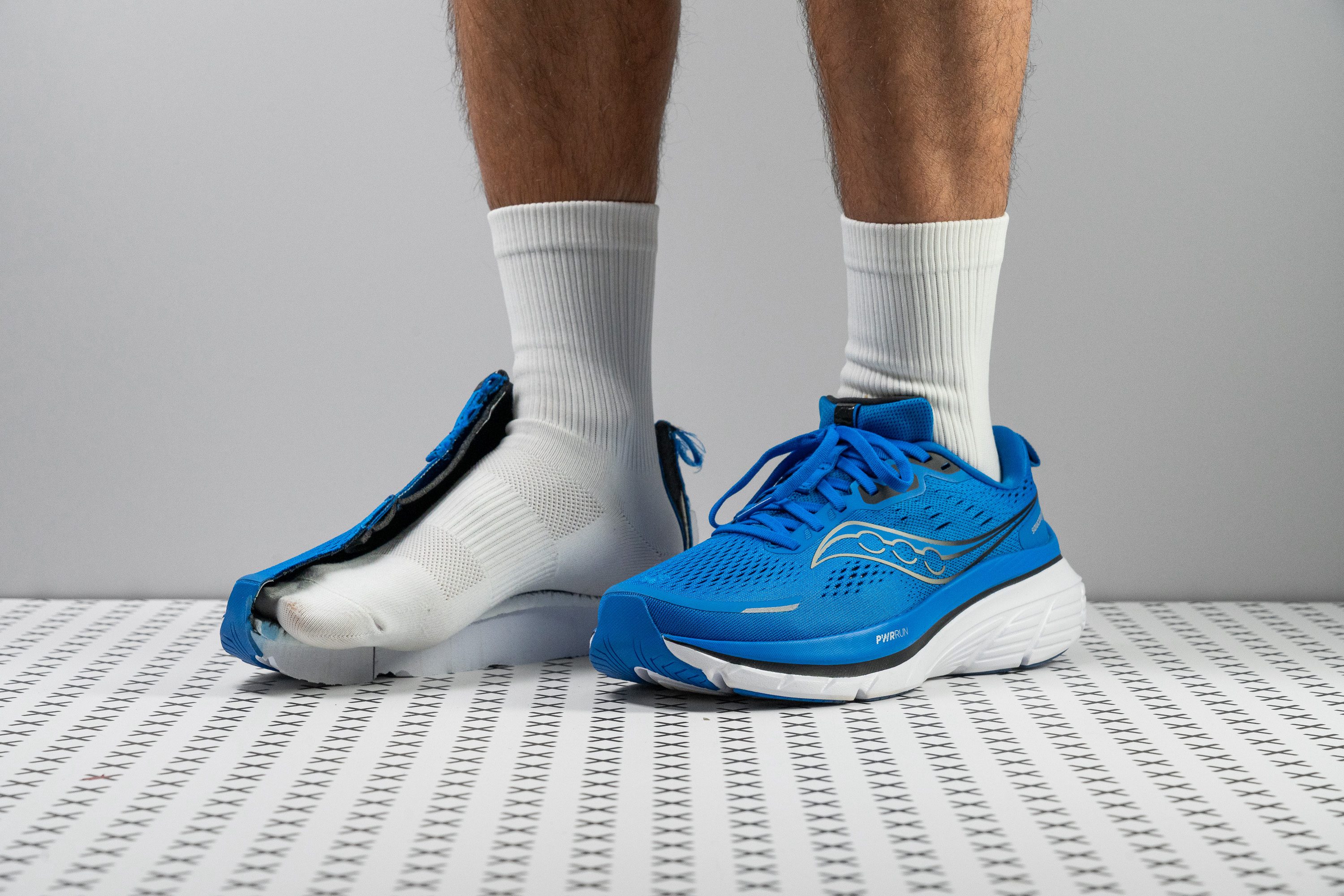
Saucony’s approach is a blend of legacy craftsmanship and cutting-edge material science. To understand why a Saucony walking shoe stands out, we must examine its technological pillars. First is the midsole foam. PWRRUN, a lightweight, responsive EVA-based compound, offers a balanced feel of cushioning and rebound. Its evolution, PWRRUN+, incorporates a thermoplastic elastomer for even greater energy return and durability, a feature often highlighted in third-party wear tests from platforms like RunRepeat. Then comes the guidance system, most famously embodied in the “Guide” series. This involves medial posts or integrated rails made of firmer foam that gently correct overpronation without the rigid, uncomfortable feel of old-school motion control shoes. It’s a nuanced approach to stability. The third pillar is the outsole. Saucony utilizes high-abrasion carbon rubber, particularly in the heel and forefoot zones, in a configuration known as XT-900. This isn’t just rubber; it’s a compound engineered for durability and traction, ensuring that the shoe remains reliable over hundreds of miles. As one industry analyst on YouTube channel “Doctor of Running” stated,
“Saucony’s mastery lies in system integration. They don’t treat cushioning, stability, and fit as separate entities. In a model like the Guide, these elements are woven together into a cohesive platform that works with the walker’s physiology, not against it.”
This holistic engineering philosophy is what transforms components into a harmonious, high-performance whole.
From Pavement to Trail: Selecting Your Ideal Saucony Model
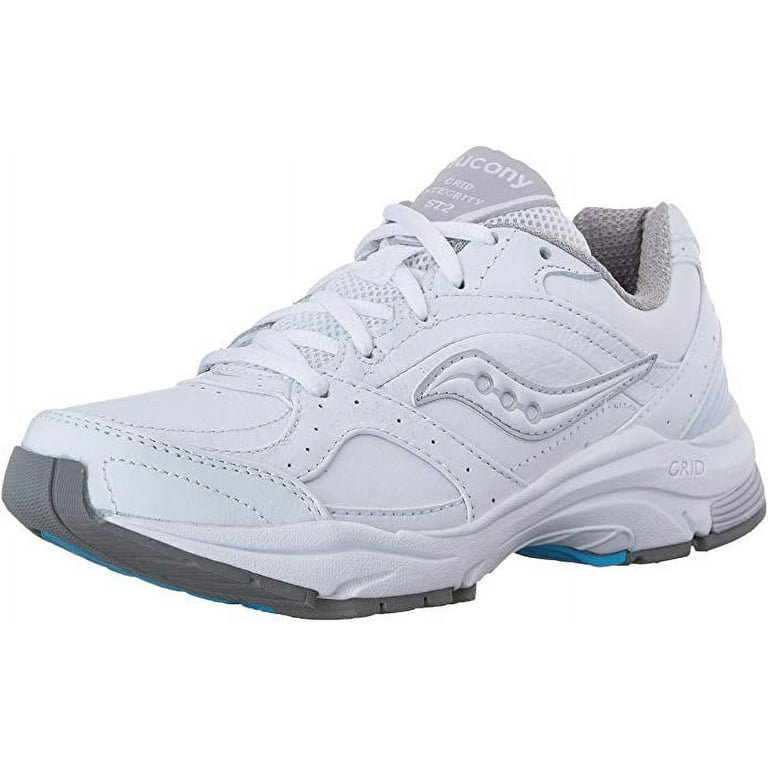
The terrain dictates the tool. Saucony’s walking shoe lineup is strategically segmented to address specific environments. For the urban walker or treadmill enthusiast, models like the Saucony walking shoe Integrity ST2 or the Grid SD are paramount. They prioritize smooth heel-to-toe transitions and plush cushioning to combat the unyielding nature of concrete. The Integrity ST2, for instance, often features a durable leather or synthetic upper for protection and a robust heel stabilizer cup. Conversely, if your path veers onto gravel, packed dirt, or light trails, a shoe like the Saucony Excursion TR16 becomes relevant. The key differentiator here is the outsole: it employs deeper, multi-directional lugs for enhanced grip on loose surfaces, while still maintaining the core cushioning and support principles. Furthermore, consider fit philosophy. Saucony offers varying widths—a critical but often overlooked feature. A study cited by the American Podiatric Medical Association emphasizes that proper width fitting is as crucial as length for preventing blisters and nerve compression. Therefore, your selection process should be a two-step filter: first, identify the primary surface (road vs. trail), and second, ensure the model accommodates your foot volume and shape. This targeted selection ensures the technology is applied where you need it most.
The Long-Term Value Proposition: Durability and Cost-Per-Mile
An investment in quality footwear is an investment in your walking consistency and joint health. While the initial price of a premium Saucony walking shoe may range from $80 to $140, the true metric of value is cost-per-mile. A shoe constructed with XT-900 carbon rubber and resilient PWRRUN+ foam can reliably last for 500 miles or more before the midsole loses its protective compression properties. In contrast, a cheaper, all-EVA foam shoe might break down in half that distance, losing cushioning and potentially altering your gait. This isn’t merely a manufacturer’s claim; it’s observable in long-term wear tests documented on review aggregator sites. The financial logic is clear: two pairs of $50 shoes that last 250 miles each equal $100 for 500 miles. One pair of a $120 Saucony shoe lasting 500 miles offers the same distance for a marginally higher cost, but with consistently superior protection and performance throughout its lifespan. Furthermore, consider the avoided cost of potential injury. As noted by sports medicine professionals, improper footwear is a leading modifiable risk factor for walkers. The structured support in a dedicated walking shoe acts as preventive maintenance for your body. Thus, the higher upfront cost is amortized over greater mileage and serves as a form of health insurance for your musculoskeletal system.
Integrating Professional Insight and Finding Value
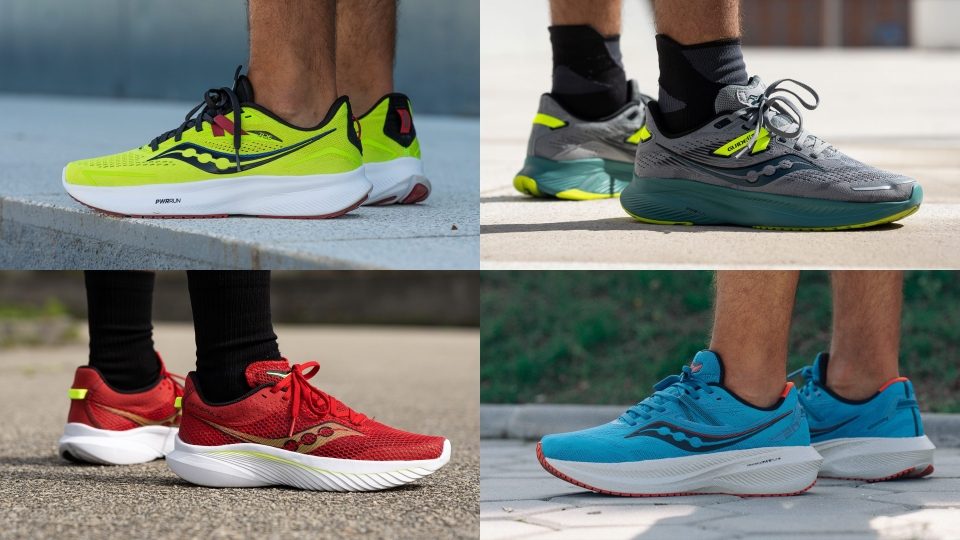
Your journey to the perfect pair should be informed by both expert knowledge and smart shopping. First, seek a professional gait analysis. Many specialty running and walking stores offer this service, using pressure pads or simple observation to recommend a category (neutral, stability, motion control). This data is invaluable when navigating Saucony’s line, aligning their Guide (stability), Echelon (maximum support), or Kinvara (neutral) models with your needs. Second, understand the product cycle. Saucony, like most brands, releases new models annually. While the updates are often incremental—a 10% softer foam, a refined upper mesh—the previous generation’s model becomes available at significant discounts, sometimes 30-50% off. The core technologies that made the Guide 17 a superb shoe are 95% present in the Guide 16, making it an exceptional value. Authoritative review sites like “Road Trail Run” or “Believe in the Run” provide detailed comparisons between generations, helping you decide if the latest features warrant the new price. As a savvy consumer, you can leverage this cycle. Subscribe to newsletters from major retailers, set price alerts, and consider shopping during seasonal sales. The goal is to acquire professional-grade footwear—engineered with the insights discussed throughout this guide—at an accessible price point, ensuring nothing stands between you and your walking goals.

The path to a rewarding walking routine is paved with intention and the right gear. Through a lens of biomechanics, material science, and practical value, Saucony walking shoe models present themselves not as mere accessories, but as essential, research-backed tools. They translate complex engineering into simple, reliable comfort mile after mile. By choosing a model aligned with your terrain and physiology, and acquiring it through informed, value-conscious means, you equip yourself for countless steps forward in health and vitality. Your next walk awaits, optimally supported.
