

How to Style Air Force Sneakers for Effortless Everyday Cool
Forget chasing trends; true style is about mastering the fundamentals. At the heart of that foundation, for countless wardrobes across the globe, sits a single, iconic silhouette: the air force sneakers. They are not merely shoes; they are a cultural canvas, a design principle made tangible, and the ultimate tool for building looks that feel both intentional and utterly relaxed. This isn’t about rigid rules, but about understanding the principles that make these sneakers a perpetual style force, allowing you to wear them with a confidence that looks and feels effortless.
The Anatomy of an Icon: Why Air Force 1s Transcend Time
To style something effectively, one must first understand its essence. The Nike Air Force 1, first released in 1982, wasn’t just another basketball shoe. Its legacy is built on a convergence of innovation, culture, and design purity. From a technical standpoint, it was revolutionary for being the first basketball shoe to feature Nike Air cushioning, a technology developed by aerospace engineer Frank Rudy. This wasn’t just marketing; it provided tangible impact protection, a scientific advancement that translated into performance and comfort. As architect Mies van der Rohe famously championed, “less is more.” The AF1’s design embodies this. Its clean, structured lines, the definitive circular perforations on the toe box, the mid-foot eyelets, and the signature ankle strap create a balanced, self-contained aesthetic. This architectural integrity is why, as noted by design critics on platforms like Dezeen, the shoe functions as a neutral “platform” in an outfit. Its cultural journey from the hardwood courts of the NBA to the bedrock of hip-hop and streetwear, as documented everywhere from Wikipedia to complex documentaries, infused it with authenticity. It carries a heritage that resonates, making it more than a disposable fashion item. When you lace up a pair of air force sneakers, you’re engaging with four decades of design evolution and cultural history, which inherently adds depth to your personal style.
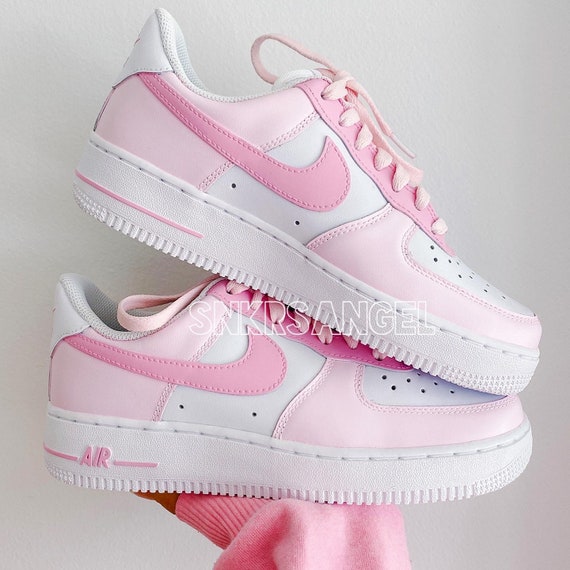
Principle One: Embrace the Monochrome Foundation
The most powerful, and perhaps simplest, application of the AF1 is through monochrome dressing. This principle leverages the shoe’s inherent neutrality to create a streamlined, elongated silhouette. Think of it as a uniform for cool. A head-to-toe ensemble in black, white, grey, or even beige allows the clean, white silhouette of the classic air force sneakers to either seamlessly blend in or stand out as a crisp focal point. The science here relates to visual perception and Gestalt principles, where the human eye naturally groups similar elements together. By wearing tonal separates—a heather grey hoodie with matching sweatpants, a cream wool coat over oatmeal trousers—you create a unified visual block. The white AF1s then act as the perfect punctuation mark, grounding the look without disrupting its flow. This approach is championed by minimalist style philosophers from Kinfolk magazine to influencers like Matthew Zorpas, who advocate for a curated wardrobe of interchangeable, high-quality pieces. The AF1 is the ultimate connector in such a wardrobe. It’s a look that requires no second-guessing; it’s coherent, modern, and projects a quiet assurance. Whether you’re running errands or meeting friends, this method guarantees an put-together appearance with zero fuss, perfectly aligning with the concept of “effortless cool.”
Principle Two: The Art of Textural Contrast
Once the monochrome base is mastered, introducing texture is how you add sophistication and tactile interest. The smooth leather or crisp synthetic upper of the air force sneakers provides a perfect counterpoint to a variety of fabrics. This is where your knowledge of materials becomes your style superpower. Pair your AF1s with raw, stiff denim; the ruggedness of the jeans contrasts beautifully with the shoe’s sleekness. Try them with soft, drapey linen trousers in the summer; the juxtaposition of structured footwear against flowing cloth feels inherently balanced and thoughtful. In colder months, combine them with chunky cable-knit sweaters or a tailored wool blazer. The key is to play with opposites: hard vs. soft, rough vs. smooth, matte vs. glossy. As fashion educator and author Francesca Sterlacci notes in her work on construction, understanding fabric hand-feel and drape is crucial for creating dynamic outfits. This principle moves you beyond just color coordination and into the realm of sensory style. It’s an approach often seen in the off-duty looks of models and creatives—individuals who use clothing as a form of expression rather than uniform. By consciously mixing textures, you demonstrate a nuanced understanding of style that goes far beyond logos and trends, making your everyday choice of sneakers look deliberate and curated.
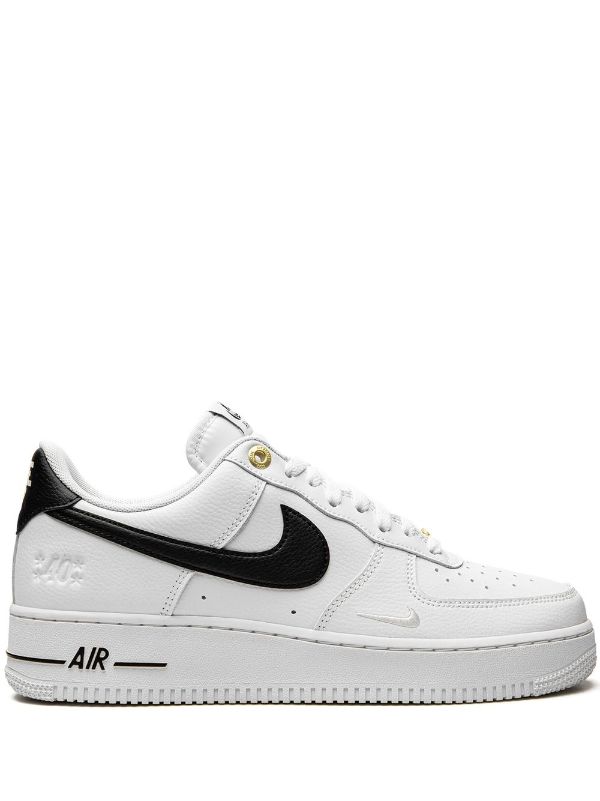
Leveraging Silhouette and Proportion
Proportion is the unsung hero of great styling. The AF1, with its substantial, rounded toe and solid sole unit, has a specific volume and weight. Acknowledging and playing with this is crucial. The classic misstep is pairing them with overly baggy or excessively skinny pants that can throw the body’s visual balance off. The ideal partnership often lies in straight-leg or slightly tapered trousers, or cuffed wide-leg jeans. The cuff is particularly important—it creates a clear break, allowing the full silhouette of the shoe to be appreciated and preventing the pants from stacking messily on the tongue. This isn’t arbitrary; it’s a principle drawn from classic menswear and womenswear tailoring, where the relationship between garment and shoe is meticulously considered. Think of the AF1 as a modern-day boot or derby; it needs space to breathe. For a more feminine take, the contrast between the sturdy sneakers and a fluid, midi-length dress or skirt creates a compelling tension that is both tough and delicate. This balance is frequently showcased by style icons like Alexa Chung or Hailey Bieber, who masterfully mix masculine and feminine elements. It’s a powerful reminder that air force sneakers are not confined to one aesthetic but are a versatile tool for defining your own proportions.
Principle Three: Strategic Disruption with Color and Pattern
For those days when you want your style to speak a little louder, use the AF1 as your anchor for bolder choices. Because the shoe is such a known, stable quantity, it can support adventurous tops or outerwear without the look feeling chaotic. This is the concept of a “style anchor” discussed by image consultants—one stable element that allows for experimentation elsewhere. A vibrant color-blocked sweater, a patterned shirt under a suit, or a boldly printed jacket all become more wearable when grounded by the classic white sneaker. The AF1 acts as a visual reset, a clean white space that prevents the outfit from becoming overwhelming. In color theory, white is a combination of all wavelengths of visible light, and it serves to reflect and balance surrounding hues. By wearing a loud piece, you’re following a pattern seen in art and design where a focal point is balanced by negative space. Furthermore, exploring the expanded AF1 family, like the AF1 Shadow with its layered, exaggerated sole, can add a playful, fashion-forward dimension to simpler outfits. The Shadow’s design, inspired by the deconstructivist trends in fashion, adds architectural interest that pairs wonderfully with minimalist clothing, letting the shoes be the statement.

Beyond the White Classic: Exploring the AF1 Universe
While the white-on-white AF1 is the undisputed champion, its ecosystem offers a spectrum of possibilities that align with different style goals. The all-black AF1 provides a sleek, monolithic option that can make an outfit feel more unified and edgy. Leather versions offer a dressier sheen, perfect for the “smart-casual” codes that dominate modern work and social environments, echoing the growing trend of “athleisure” blending into formal settings as noted by business publications like Forbes. Suede iterations introduce a rich, tactile quality that elevates the shoe instantly. For the truly style-confident, collaborations and special editions—from Travis Scott to Comme des Garçons—offer unique details and colorways that can serve as the centerpiece of an outfit. The key is to match the variant to your intent. A beat-up, lived-in pair of classic whites tells a story of authenticity and wear, perfect for casual, grounded looks. A pristine pair of all-black leather AF1s can seamlessly integrate into a monochrome or techwear-inspired ensemble. Understanding this range allows you to own multiple pairs for different style “modes,” each serving a distinct purpose in building a versatile and expressive wardrobe.
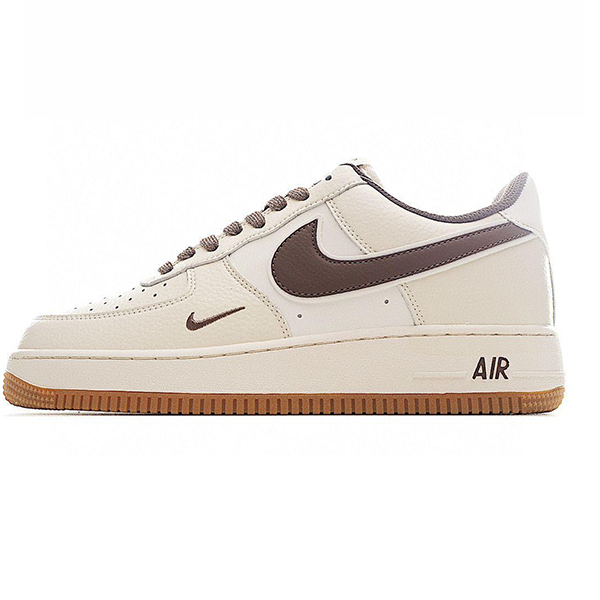
Your Style, Your Narrative
Ultimately, styling air force sneakers is an exercise in personal storytelling. The principles outlined—monochrome bases, textural play, proportional awareness, and strategic color—are your toolkit, not your rulebook. They are drawn from the observations of designers, the practices of stylists, and the lived experience of cultural figures who have worn the shoe for decades. The goal is to achieve a sense of ease, where your clothes feel like a natural extension of yourself, not a costume. This effortless cool isn’t about apathy; it’s about the confidence that comes from informed choices. It’s the knowledge that you can rely on the architectural integrity and cultural weight of your footwear to carry you through your day, from a morning coffee run to an evening out. So lace them up, experiment with these ideas, and remember: the most compelling style you can wear is your own, and a great pair of Air Force 1s is one of the most reliable ways to frame it.
