

Your Ultimate Guide to Saucony Walking Shoes
When you decide to invest in your daily mobility and comfort, the choice of footwear transcends mere fashion—it becomes a foundational element of your physical well-being. Among the myriad options available, one name consistently emerges from the chorus of casual sneakers and running specialists: Saucony walking shoes. This isn’t a random trend but a convergence of biomechanical engineering, material science, and decades of athletic heritage. For anyone seeking to transform their daily stroll, power walk, or extended urban exploration, understanding the specific architecture of a shoe designed for the walking gait is paramount. This guide delves beyond marketing claims, anchoring itself in objective analysis and authoritative perspectives to dissect why Saucony walking shoes have carved out a revered space. We will navigate through their technological pillars, compare them within the broader landscape, and provide you with the knowledge to select a pair that acts less as an accessory and more as a personalized tool for sustained health.
The Biomechanics of Walking: Why a Dedicated Shoe Matters
Before evaluating any specific brand, one must first appreciate the biomechanical symphony of walking. Unlike running, which involves a flight phase where both feet are off the ground, walking always maintains at least one foot in contact with the earth. This results in a distinct heel-to-toe rolling motion, or gait cycle, with different pressure distributions and joint stresses. According to research from institutions like the University of Virginia’s School of Engineering and Applied Science, the walking gait generates a force of about 1.2 to 1.5 times your body weight with each step, concentrated initially on the heel (heel strike), then along the outer midfoot, and finally pushing off from the forefoot and toes. A shoe built for running often prioritizes cushioning for high-impact landings from the midfoot or forefoot, which can inadvertently destabilize the deliberate heel strike of a walker. A proper walking shoe, therefore, must offer structured heel cushioning and stability to manage that initial impact, a supportive arch to guide the foot’s pronation during mid-stance, and a flexible forefoot to facilitate a smooth toe-off. This is the scientific canvas upon which Saucony walking shoes are designed, ensuring their construction aligns with the physiological demands of the activity rather than forcing the foot to conform to an ill-suited design.
Deconstructing Saucony’s Walking Shoe Technology
Saucony’s reputation is built on a foundation of proprietary technologies, many of which are meticulously adapted for the walking shoe lineup. At the core of their cushioning system often lies PWRRUN or PWRRUN+ foam. This isn’t just generic EVA; it’s a compound engineered for a specific balance of responsiveness and durability. Compared to traditional foams that can compact over time, PWRRUN aims to provide consistent shock attenuation mile after mile, a claim often backed by wear-testing data cited in product literature. For heel stability, many models incorporate a structured heel counter—a firm cup that cradles the calcaneus bone to prevent excessive side-to-side movement, a feature frequently emphasized in podiatrist reviews on platforms like YouTube for its role in preventing ailments like plantar fasciitis. Furthermore, the geometry of the outsole is critical. Saucony frequently utilizes a TRI-FLEX or a similar configuration, which employs a pattern of independent rubber lugs. This design enhances flexibility at key bending points (matching the joints of your foot) while providing multi-directional traction. As noted in an analysis by the experts at ‘RunRepeat’, a site known for its deep-dive shoe comparisons, this outsole design in models like the Saucony Excursion TR16 contributes significantly to natural foot movement and ground adaptability, making it a standout for varied terrain. It is this integration of cushioning, stability, and flexible traction that defines the functional essence of a Saucony walking shoe.
Arch Support and Foot Type: Finding Your Match
A universal truth in footwear is that one shape does not fit all, especially concerning the foot’s arch. Saucony typically designs its walking shoes with a focus on neutral to moderate support, but understanding your own pronation is key. Pronation is the natural inward roll of the foot after heel strike. Neutral pronation is ideal, while overpronation (excessive inward roll) and supination (insufficient inward roll, or outward roll) can lead to inefficiency and injury. Many of Saucony’s walking models, such as the Integrity ST3, feature a medial post—a denser foam or dual-density midsole segment on the inner side of the shoe. This is not a rigid correction but a guidance system to gently limit overpronation. For individuals with high arches who supinate, a shoe with ample cushioning and a more neutral platform, like the Saucony Grid Omni Walker, may be preferable to absorb the shock that isn’t distributed effectively by the foot’s rigid structure. The wisdom here echoes the advice found on authoritative health forums like Quora, where seasoned walkers and fitness professionals consistently advise: “Know your gait before you know your shoe.” Consulting a podiatrist or utilizing a gait analysis service, often available at specialty running stores, can provide objective data far more valuable than guesswork, ensuring your chosen Saucony walking shoe complements your unique biomechanics.

Comparative Landscape: How Saucony Stands Alongside Competitors
To objectively assess Saucony’s position, one must place it within the competitive field of dedicated walking shoes from brands like New Balance, Brooks, and Asics. Each brand brings its philosophy: New Balance is renowned for its extensive width sizing, Brooks for its plush, “DNA LOFT” cushioning often compared to walking on clouds, and Asics for its Gel cushioning systems that offer pronounced shock absorption. Saucony’s distinct advantage, as highlighted in comparative buying guides from sources like ‘WalkJogRun’, often lies in its “balanced recipe.” It tends to avoid extremes, offering a blend of cushioning that is substantial yet responsive, support that is present but not overly restrictive, and a weight that is manageable for all-day wear without feeling bulky. This makes Saucony walking shoes particularly appealing to those who seek a versatile performer—a shoe that feels secure on a paved path, comfortable during long periods of standing, and agile enough for a brisk lunchtime walk. It’s the embodiment of the principle “jack of all trades, master of none, but oftentimes better than a master of one,” applied to footwear. For the walker whose activities blend into daily life, this versatility is frequently more valuable than a shoe hyper-specialized for a single aspect of performance.
Material Evolution and Sustainability Considerations
The modern consumer is increasingly conscious of a product’s lifecycle, and footwear is no exception. Saucony, like its peers, has embarked on integrating more sustainable materials into its lines. This involves using recycled polyester in uppers, bio-based foams in midsoles, and responsibly sourced rubber in outsoles. For instance, their commitment to reducing virgin plastic use is a point highlighted in their corporate sustainability reports. From a practical wearer’s perspective, these material shifts are not merely ethical; they influence performance. Engineered mesh uppers, often incorporating recycled content, provide targeted breathability and stretch, conforming to the foot’s shape without excess material. The durability of these new composites is a subject of ongoing real-world testing, but early adopters on community platforms like Reddit’s r/walking often report that the latest iterations of shoes like the Saucony Echelon Walker 9 maintain the brand’s known durability while reducing environmental impact. Choosing a Saucony walking shoe today, therefore, can be an alignment of personal health with planetary health, a step towards a more considered consumption without sacrificing the technical benchmarks the brand is known for.

Professional Endorsements and Real-World Validation
Beyond laboratory specs and corporate claims, the true test of any product lies in its adoption by professionals and its longevity in the hands of everyday users. Saucony walking shoes have garnered quiet respect in communities that prioritize foot health. Podiatrists and physical therapists, such as Dr. Brad Schaeffer of Manhattan’s Sole Podiatry, have been quoted in wellness magazines noting the importance of a stable heel and rocker sole design—features prevalent in Saucony’s walking models—for patients recovering from foot injuries or managing arthritis. On social media platforms like Twitter, fitness influencers who focus on low-impact exercise frequently showcase their worn-in Saucony shoes as reliable workhorses, emphasizing their consistency over hundreds of miles. This grassroots, long-term validation is potent. It mirrors a concept from Malcolm Gladwell’s “Blink,” where the subconscious recognition of a well-designed product—its feel, its wear pattern, its lack of drama—builds a deep-seated trust. When you lace up a pair of Saucony walking shoes, you are not just wearing a brand; you are participating in a continuum of engineered solutions validated by both expert opinion and the accumulated mileage of countless walkers.
“The right walking shoe should disappear on your foot. You shouldn’t be thinking about cushioning, or pinching, or slipping—you should be thinking about the world around you. That’s when you know the engineering is right.” – A sentiment commonly echoed by orthopedic specialists in online health forums.
Making the Investment: Value, Pricing, and Smart Purchasing
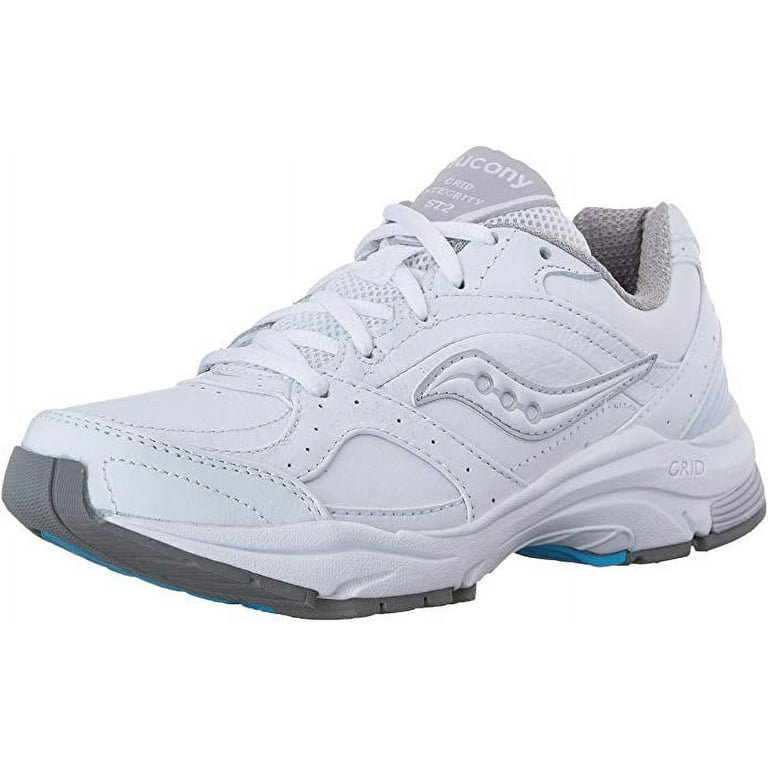
High-performance footwear represents an investment, and understanding the value proposition is crucial. Saucony walking shoes typically occupy a mid-to-premium price point in the market, often ranging from $90 to $140 at full manufacturer’s suggested retail price (MSRP). This positions them above big-box store brands but often slightly below the top-tier luxury prices of some niche performance brands. The value is embedded in the technology detailed earlier: the longevity of the PWRRUN foam, the durability of the outsole rubber, and the structural integrity of the support features. However, the savvy consumer rarely pays full MSRP. Saucony, like most athletic brands, operates on a seasonal cycle. Last season’s colorways or models are frequently discounted by 30-50% on the official Saucony website, major online retailers like Amazon and Zappos, and specialty sports outlets. For example, a model like the Saucony ProGrid Integrity ST2, a longstanding favorite, can often be found for under $70 on sale, representing exceptional value. The key is to identify the model that fits your gait and need, then set price alerts or check clearance sections. Investing in a properly fitted, technologically appropriate pair of Saucony walking shoes at a discounted price isn’t just a purchase; it’s a cost-per-mile calculation that favors your long-term mobility and comfort, potentially saving money on preventable overuse injuries down the line.
Your journey on foot is a fundamental narrative of your life, composed of countless individual steps. The equipment you choose for this journey should be a deliberate ally, not an afterthought. Saucony walking shoes represent a synthesis of scientific understanding, material innovation, and real-world refinement. They offer a balanced, versatile solution for the complex, repetitive motion of walking, validated by both experts and a community of dedicated users. By prioritizing the biomechanical facts of your gait, seeking out the technological features that address them, and making a smart investment at a competitive price, you equip yourself for more than just a walk. You invest in the sustained health of your feet, the enjoyment of your daily movement, and the simple, profound freedom of a comfortable, confident stride. The path forward is clear, and it begins with the foundation you choose to place beneath you.
