

Discover the Best Podiatrist Recommended Walking Shoes for All-Day Comfort
Your feet are your foundation, and the shoes you choose for walking can mean the difference between a day filled with vibrant energy and one hampered by discomfort or even injury. The quest for the perfect walking shoe is not merely about fashion or fleeting trends; it is a critical investment in your long-term musculoskeletal health and daily well-being. This guide cuts through the marketing noise to focus on what truly matters: the science of support, the principles of biomechanics, and the specific features that earn a shoe the coveted designation of being podiatrist recommended walking shoes. We will explore how the right footwear acts as preventative medicine, allowing you to move through life with greater ease, whether you’re navigating city streets, exploring nature trails, or simply managing the demands of a busy workday.
The Science of Stride: Why Your Feet Demand Expert-Approved Footwear
Walking is a complex, repetitive motion involving a precise sequence of heel strike, foot flat, mid-stance, and toe-off. Each phase places unique stresses on the bones, muscles, ligaments, and tendons of your feet, ankles, knees, hips, and lower back. Podiatrists, as medical specialists in foot and ankle health, understand these biomechanics intimately. When they recommend a shoe, they are evaluating its ability to manage three core mechanical functions: cushioning, stability, and fit. Cushioning absorbs the shock of impact, which can be up to 1.5 times your body weight with each step. Without proper dissipation, this force travels up the kinetic chain, contributing to joint wear and pain. Stability refers to the shoe’s ability to control excessive or unnatural motion, particularly overpronation (inward rolling) or supination (outward rolling). A podiatrist recommended walking shoe is engineered to offer guided stability, helping to align the foot correctly through the gait cycle. Finally, fit is non-negotiable. A shoe that is too tight can cause neuromas and blisters, while one that is too loose fails to provide secure stability, leading to compensatory movements. The objective science from institutions like the American Podiatric Medical Association (APMA) underscores that footwear is a primary therapeutic tool, not just an accessory.
Decoding the Anatomy of a Superior Walking Shoe
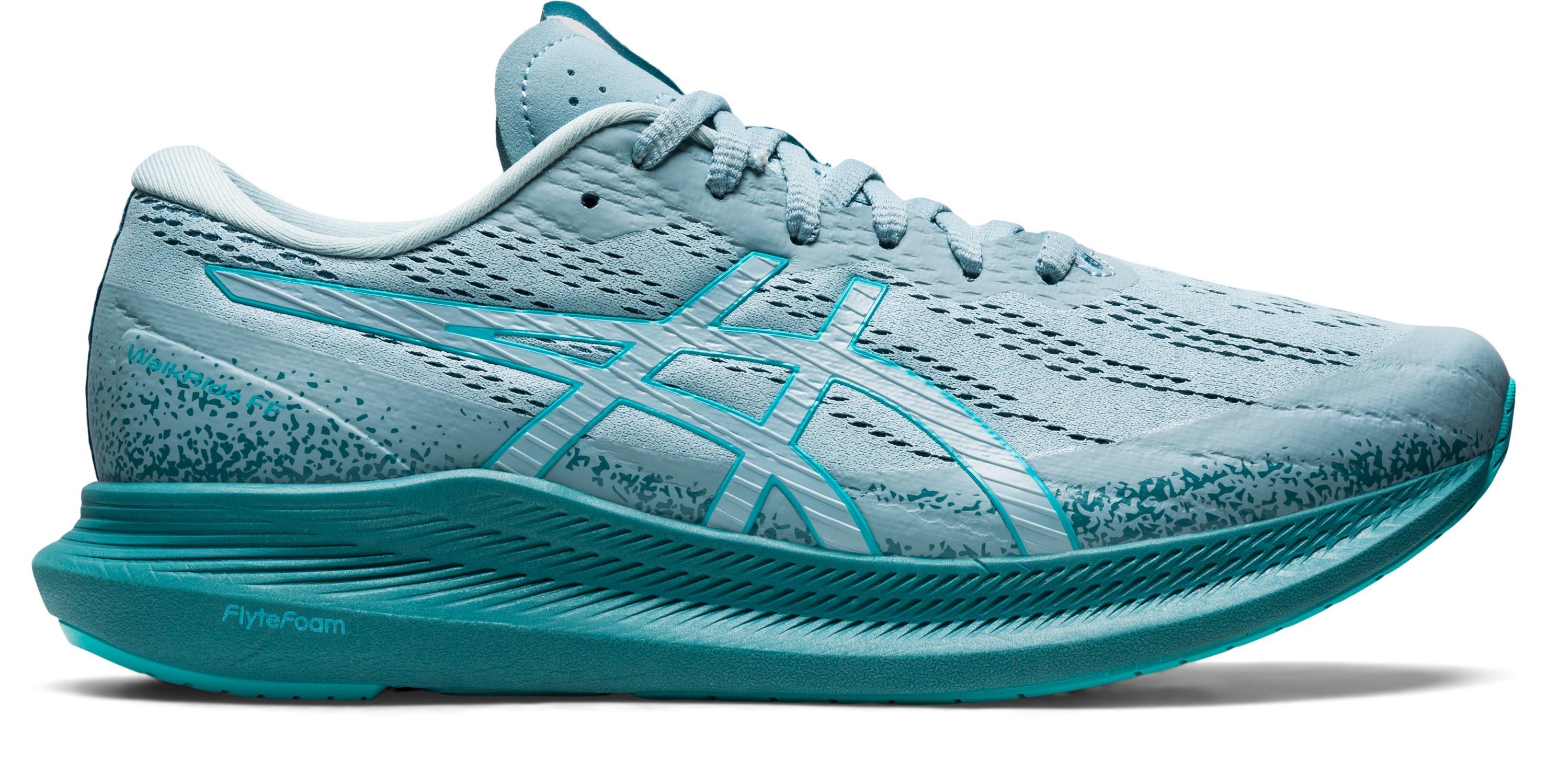
To understand what sets apart a top-tier walking shoe, we must dissect its anatomy. The foundation is the midsole, typically made from advanced materials like EVA (ethylene-vinyl acetate) foam, polyurethane, or proprietary compounds like Brooks’ DNA LOFT or ASICS’ GEL. This layer is responsible for the bulk of cushioning and often incorporates dual-density foams or medial posts to combat overpronation. Next, the outsole provides traction and durability. Look for carbon rubber in high-wear areas (like the heel) and flexible grooves that allow for a natural toe-off. The upper must be constructed from breathable, adaptable materials—engineered mesh is a modern standard—that conform to your foot’s shape without pressure points. The heel counter, the firm cup at the back of the shoe, should be rigid to lock the heel in place and prevent slippage. A well-designed toe box offers ample room for your toes to splay naturally upon weight-bearing, a feature often emphasized by podiatrists to prevent conditions like bunions and hammertoes. As Dr. Jacqueline Sutera, a New York-based podiatrist and spokesperson for the APMA, has noted in various media interviews, “A good walking shoe should feel supportive and stable from the moment you put it on, without a ‘break-in’ period that signals poor design.” This immediate comfort is a hallmark of a true podiatrist recommended walking shoe.
Navigating Foot Types and Gait Patterns: A Personalized Approach
Not all feet are created equal, and therefore, no single shoe is perfect for everyone. The first step in your journey is understanding your own foot morphology and gait. Broadly, foot types are categorized as neutral, flat (low arches, often associated with overpronation), or high-arched (often associated with supination). A simple “wet test”—observing the imprint your wet foot leaves on a dry surface—can offer initial insight. However, for a definitive analysis, a podiatrist or a specialty running store can perform a gait analysis, often using pressure plates or video technology. This personalized data is invaluable. For the overpronator, a podiatrist recommended walking shoe will feature structured cushioning and motion control elements. Brands like Brooks with their Adrenaline GTS line or New Balance with certain styles in their 800 series are frequently cited in this category. For the supinator or high-arched individual, the priority is maximum cushioning and flexibility to aid in shock absorption, with shoes like the HOKA Bondi or the ASICS GEL-Nimbus often fitting the bill. For the neutral walker, the world is your oyster, with a focus on balanced cushioning and moderate support, such as found in the Saucony Ride or the Nike Air Zoom Pegasus. This alignment between your biomechanics and the shoe’s design is the cornerstone of injury prevention.
:max_bytes(150000):strip_icc()/shp-best-brooks-walking-shoes-tout-f67df3ab5afa4c08a24a63ae6dca3444.jpg)
Beyond the Brand: Critical Features That Signal Quality
While brand reputation can be a guide, it is the specific features that truly define a shoe’s worth. Let’s move beyond logos and examine the tangible elements. First, consider the shoe’s weight. Excessively heavy shoes can fatigue the leg muscles, while extremely minimalist shoes may lack necessary protection for daily wear on hard surfaces. A good walking shoe strikes a balance, typically weighing between 8 to 12 ounces for men and 7 to 10 ounces for women. Second, examine the heel-to-toe drop (or offset). This is the difference in height between the heel and forefoot. A moderate drop of 8-12mm is common in traditional walking shoes, promoting a smooth heel-to-toe transition. However, some may prefer a lower drop (4-8mm) for a more “natural” feel, though this requires stronger calf and Achilles tendons. Third, evaluate the flexibility. The shoe should bend easily at the ball of the foot—where your foot naturally flexes—but remain torsionally rigid to avoid twisting. Fourth, do not overlook insoles. While many stock insoles are adequate, those with specific orthotic needs or plantar fasciitis may benefit from replacing them with custom or over-the-counter medical-grade orthotics, which should fit seamlessly into a well-designed podiatrist recommended walking shoe. As highlighted in resources from authoritative universities like the University of Pittsburgh Medical Center, the synergy of these features creates a holistic protective environment for the foot.
The Price of Comfort: Investing in Your Foundation
It is a common misconception that high-quality, health-focused footwear must carry an exorbitant price tag. While it’s true that the advanced engineering and materials in top-tier shoes command a premium, viewing them as a medical or wellness investment reframes the cost. Consider the alternative: the cumulative expense of doctor visits, physical therapy, orthotics, and pain management for foot, knee, or back problems stemming from poor footwear. A well-constructed pair of podiatrist recommended walking shoes, typically ranging from $120 to $160, is designed to last between 300 to 500 miles of walking before the midsole compression diminishes its protective qualities. Furthermore, the market is replete with opportunities for value. End-of-season sales, manufacturer refurbished programs, and reputable online retailers often offer significant discounts of 20-40% on previous models, which frequently have only minor cosmetic updates from the latest versions. The key is to prioritize fit and function over having the absolute newest colorway. By planning your purchases around sales cycles and considering slightly older models, you can access this podiatrist-level comfort and technology without straining your budget, effectively bringing professional-grade support to your feet at a discounted price.
Putting Knowledge into Practice: Your Path to All-Day Ease
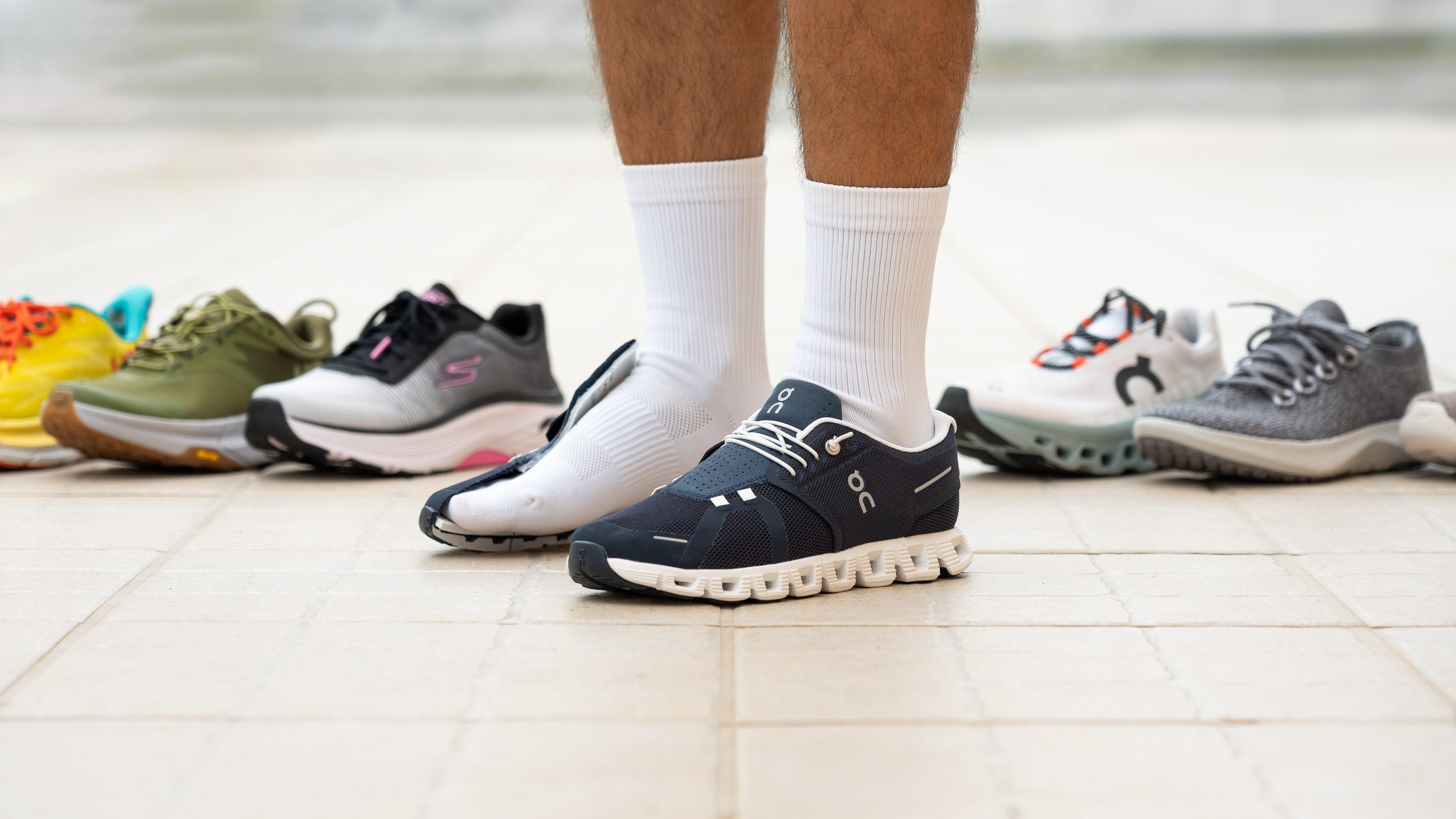
Armed with this knowledge, your shopping approach transforms from passive to proactive. Begin by shopping in the afternoon or evening, when your feet are naturally at their largest due to daily swelling. Wear the socks you intend to walk in and bring any orthotics you use. When trying on shoes, pay attention to the “thumb’s width” rule: there should be about a half-inch of space between your longest toe and the end of the shoe. Walk around the store on hard surfaces, not just carpet. Feel for any pinching, slipping, or pressure points. The shoe should feel secure and supportive immediately. Remember that shoe sizes are not universal; your size can vary between brands and even between models from the same brand. Let fit, not a number, be your guide. Once you’ve found your ideal pair, transition into them gradually if they are a significantly different style from your old shoes. Integrate them into your routine over a week to allow your body to adapt. This mindful process ensures that the shoes you select live up to their promise, transforming your daily walks from a potential source of strain into a seamless, comfortable, and health-promoting activity. The right pair doesn’t just carry you; it empowers you.

Your journey toward effortless mobility begins with a single, informed step. By prioritizing the biomechanical principles endorsed by foot health specialists and seeking out the defining features of truly supportive footwear, you move beyond mere consumerism into the realm of self-care. The perfect walking shoe is out there, waiting to become an extension of your body—a silent partner in your daily adventures that provides the all-day comfort your feet deserve. Let this understanding guide you to a pair that doesn’t just fit your feet, but fits your life.
