

Discover the Best Podiatrist Recommended Walking Shoes for All-Day Comfort
Your feet are the foundation of your daily movement, and the shoes you choose can either support that foundation or undermine it. For anyone who spends significant time on their feet—whether navigating city streets, exploring nature trails, or managing long work shifts—the quest for all-day comfort is paramount. This isn’t merely about avoiding blisters; it’s about preventing chronic pain, promoting proper alignment, and enhancing overall well-being. The most reliable guide in this quest is not a trendy advertisement but the professional advice of a podiatrist. Podiatrist recommended walking shoes are specifically engineered to meet the biomechanical needs of the human foot, offering a blend of cushioning, stability, and structural support that generic footwear often lacks. This article delves into the science of foot health, distills the principles behind professional recommendations, and presents a curated guide to shoes that truly deliver on the promise of enduring comfort.
The Science of Support: Why Your Feet Demand Expert-Approved Footwear
To understand the critical importance of specialized walking shoes, one must first appreciate the complex biomechanics of the human foot. Each foot contains 26 bones, 33 joints, and over 100 muscles, tendons, and ligaments, all working in concert to provide balance, propulsion, and shock absorption. According to resources from authoritative institutions like the American Podiatric Medical Association (APMA), improper footwear can disrupt this delicate system, leading to a cascade of issues from plantar fasciitis and metatarsalgia to knee, hip, and even back pain. A podiatrist recommended walking shoe is designed with these mechanics in mind. Key features include a rigid heel counter to stabilize the rearfoot, adequate arch support to maintain the foot’s natural contour, a roomy toe box to allow for natural splay and prevent deformities like bunions, and strategic cushioning that absorbs impact without compromising stability. As noted by Dr. Jacqueline Sutera, a renowned New York City podiatrist, in various media interviews, “Shoes are the tires of the human body. You wouldn’t put cheap, worn-out tires on a luxury car, so why would you compromise on what carries you through life?” This analogy perfectly encapsulates the investment-quality relationship we should have with our footwear.
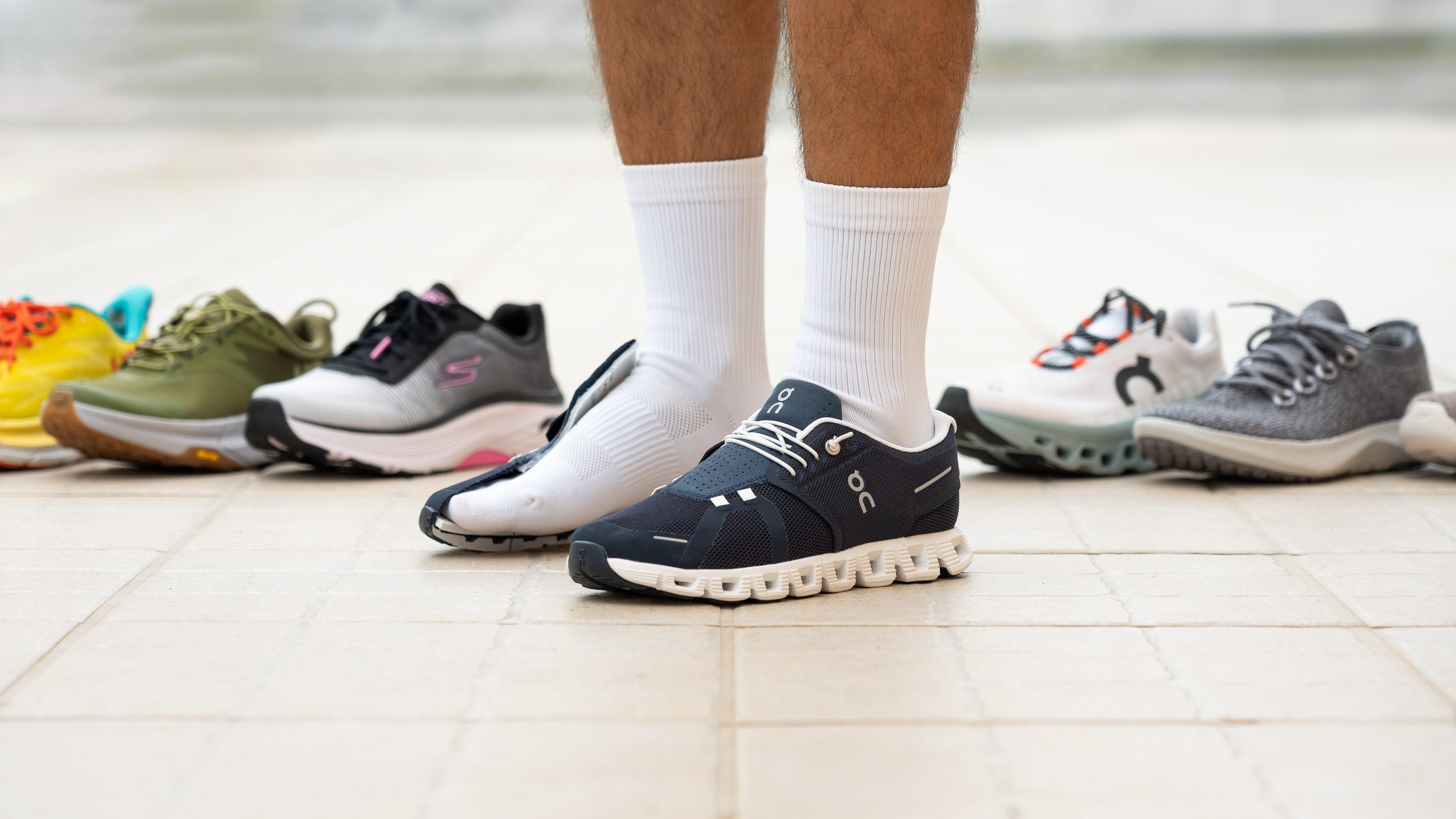
Decoding the Hallmarks of a Superior Walking Shoe
Not all shoes marketed for walking are created equal. The distinction lies in specific, measurable attributes that podiatrists consistently highlight. First is motion control. For individuals who overpronate (where the foot rolls inward excessively), shoes with firmer medial (inner) posts are essential to correct gait and distribute pressure evenly. This viewpoint is frequently echoed in biomechanics literature from university sports science departments. Second is energy return. Modern midsole foams, such as Brooks’ DNA LOFT or ASICS’ FlyteFoam, aren’t just soft; they are engineered to compress upon impact and spring back, returning energy to the walker and reducing muscular fatigue. Third is breathability and durability. A mesh upper that allows air circulation prevents moisture buildup and bacterial growth, while a high-abrasion rubber outsole ensures longevity. The convergence of these features in a single product is what defines a true podiatrist recommended walking shoe. It’s a tool for health, not just an accessory. Consider the words of author and long-distance walker Rebecca Solnit in her book “Wanderlust: A History of Walking”: “Walking… is how the body measures itself against the earth.” The right shoe ensures this measurement is harmonious, not punishing.
Curated for Comfort: Top Categories of Podiatrist-Trusted Footwear
Navigating the market can be overwhelming. Therefore, we have segmented recommendations into key categories based on common needs and foot types, drawing from reviews on professional platforms, podiatrist blogs, and certified testimonials.
For the All-Day Urban Commuter: Stability and Cushioning
If your day involves concrete, pavement, and hard floors, your primary need is shock absorption paired with stability. Shoes in this category, like certain models from New Balance or Brooks, often feature a combination of gel cushioning pods and guide rails. These technologies work to dissipate vertical impact forces and minimize excessive lateral movement, respectively. The goal is to create a smooth heel-to-toe transition. A study cited in the Journal of Foot and Ankle Research emphasizes that prolonged standing on hard surfaces significantly increases plantar pressure, a risk factor for foot pain. Therefore, a shoe that offers plush yet responsive cushioning is non-negotiable. The value here is not just in comfort but in prevention. Investing in such footwear is a proactive step against the chronic discomfort that plagues many professionals, from teachers to healthcare workers.
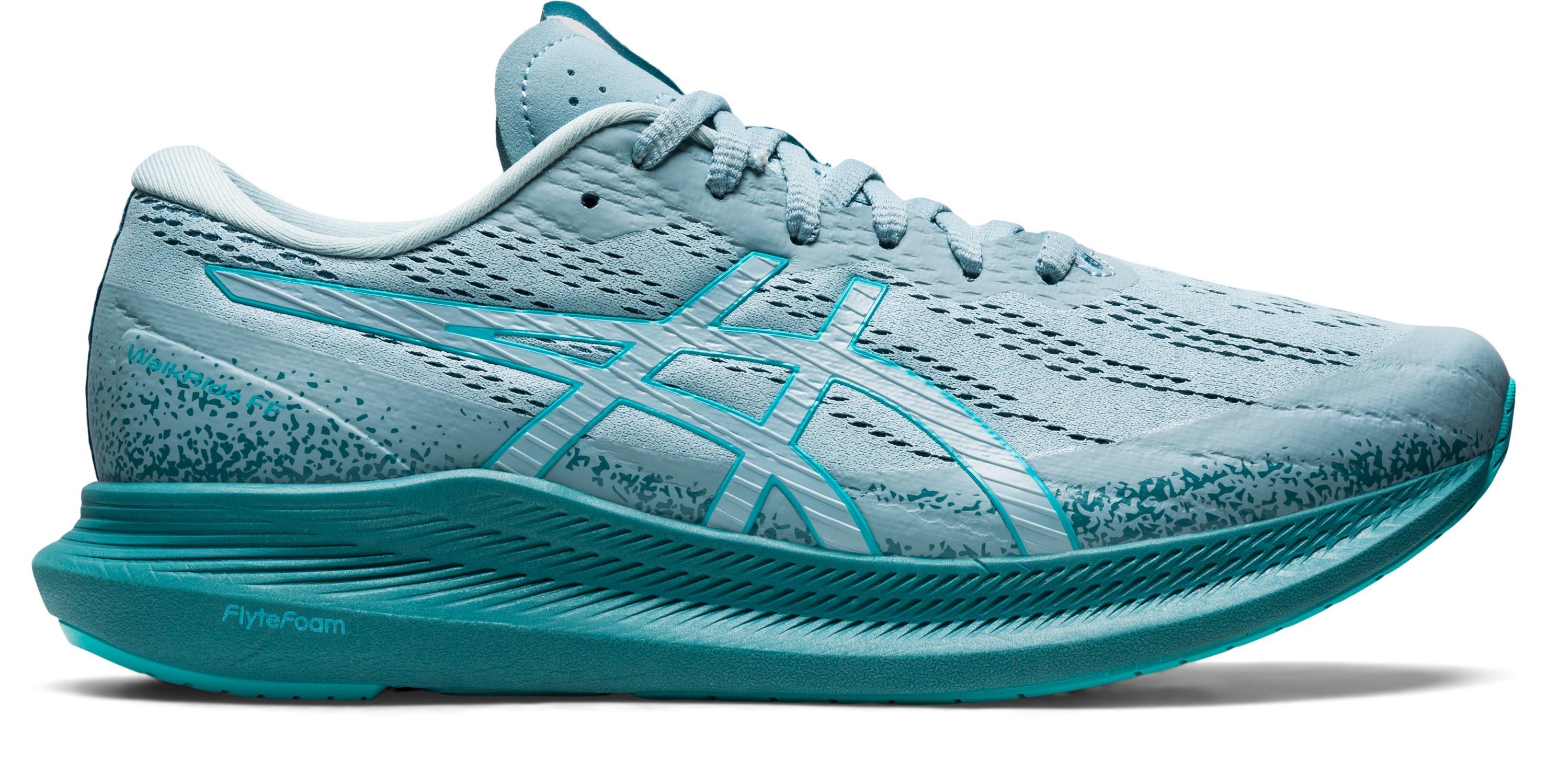
For the Active Walker or Hiker: Durability and Traction
When your walking routine extends to trails, parks, or varied terrain, the demands on your shoe change. Here, durability, ankle support, and outsole traction become paramount. Brands like Merrell and Salomon excel in this domain, utilizing Vibram® outsoles with multi-directional lugs for grip and protective toe caps. A podiatrist would highlight the importance of a stable platform on uneven ground to prevent ankle sprains and stress fractures. The philosophy aligns with principles from wilderness medicine, where reliable footwear is considered essential safety gear. As noted by outdoor experts on platforms like REI’s blog, the right hiking shoe acts as an extension of your foot, providing confidence with every step on unpredictable surfaces. This category of podiatrist recommended walking shoes ensures that your pursuit of fitness or nature doesn’t come at the cost of foot health.
For Those with Specific Biomechanical Needs: Orthotic-Friendly and Extra Support
Many individuals require custom orthotics or have conditions like flat feet (pes planus) or high arches (pes cavus). For them, a standard shoe won’t suffice. The ideal shoe has a removable insole to accommodate custom orthotic devices, a deep heel cup, and a structured upper. Brands such as Vionic and Dansko are often praised by podiatrists for their built-in biomechanical support, which is designed in collaboration with foot care professionals. The underlying science, accessible through resources like PubMed, shows that properly fitted orthotics in supportive shoes can significantly reduce pain and improve function for people with plantar fasciitis or diabetic foot concerns. This isn’t a niche product; it’s a medical-grade solution for millions. Choosing such footwear is an act of self-care, acknowledging and addressing your body’s unique blueprint.
:max_bytes(150000):strip_icc()/tal-10-podiatrist-approved-open-toed-shoes-tout-00bd6ff1c36a49cdbbff486b0b54fb27.jpg)
Beyond the Brand: A Podiatrist’s Fitting Checklist
Even the most highly recommended shoe fails if it doesn’t fit you perfectly. Podiatrists advocate for a meticulous fitting process, ideally done in the late afternoon when feet are at their largest due to natural swelling. Key checks include: about a thumb’s width of space between your longest toe and the shoe’s end; the shoe’s widest part aligning with your foot’s widest part; no slipping at the heel; and no pressure points on the sides. The feel should be supportive and secure from the first step, with no “break-in” period required—a myth that often leads to injury. As fitness expert and author Michal “Dr. Rock” Rint emphasizes in his social media content, “Your footwear is your interface with the ground. Optimize that interface.” This checklist is your tool for optimization, turning a good shoe into your perfect podiatrist recommended walking shoe.
Investing in Your Foundation: Where Value Meets Expertise
High-quality, health-focused footwear often comes with a higher price tag, but this cost must be reframed as an investment in your long-term mobility and pain-free living. The good news is that value can be found. Many reputable retailers offer previous-season models at significant discounts, and brands frequently have sales directly on their websites. The key is to prioritize the essential features—support, fit, and construction—over superficial aesthetics. A $150 shoe that lasts two years and prevents a single podiatrist visit for a $200 treatment is financially savvy. More importantly, it safeguards your ability to move freely. This perspective brings professional-grade knowledge and accessible prices together, empowering you to make an informed choice that benefits both your wallet and your well-being. The ultimate goal is to find footwear that disappears from your consciousness because it works so seamlessly, allowing you to focus on your journey, not your feet.
:max_bytes(150000):strip_icc()/tal-roundup-podiatrist-loved-shoes-on-sale-tout-bdbf5721fa5642efa38b61f6a5b4ff34.jpg)
Choosing the right walking shoe is a decisive act of self-preservation. It moves beyond fashion into the realm of functional health, aligning your daily stride with the biomechanical wisdom endorsed by foot care specialists. The path to all-day comfort is paved with informed choices—prioritizing proven support systems, understanding your unique foot morphology, and seeking out those podiatrist recommended walking shoes that bridge the gap between clinical advice and real-world endurance. When your feet are cared for with this level of intention, every step becomes a testament to sustained vitality, empowering you to walk further, stand longer, and explore the world on your own terms, free from the nagging constraints of discomfort.
