

Discover the Top Podiatrist Recommended Walking Shoes for Ultimate Comfort and Support
Walking is one of the most fundamental human movements, a daily ritual for millions. Yet, the simple act of putting one foot in front of the other can become a source of pain and discomfort without the proper foundation. This isn’t just about fashion or casual wear; it’s about biomechanical health. The shoes you choose for your daily walks are the single most important piece of equipment in preventing injury and promoting long-term joint health. This guide cuts through the marketing noise to focus on the core principles that define truly supportive footwear, principles endorsed by foot health specialists. We will explore the anatomy of a great walking shoe, decode the jargon, and provide you with the knowledge to make an informed choice that benefits your body for miles to come.
The Foundation of Foot Health: Why Podiatrist Recommended Walking Shoes Matter
To understand the significance of podiatrist recommended walking shoes, one must first appreciate the complex engineering of the human foot. Each foot contains 26 bones, 33 joints, and over 100 muscles, tendons, and ligaments. According to biomechanics literature from institutions like the University of California’s Department of Orthopaedic Surgery, the foot acts as both a shock absorber at heel strike and a rigid lever for propulsion at toe-off. A shoe that disrupts this natural gait cycle can lead to a cascade of issues, from plantar fasciitis and metatarsalgia to problems ascending the kinetic chain, affecting ankles, knees, hips, and even the lower back. Podiatrists, doctors specializing in the diagnosis and treatment of foot and ankle disorders, evaluate shoes not on brand popularity but on specific, measurable criteria that support this natural function. Their recommendations are grounded in clinical evidence and patient outcomes. As Dr. Jacqueline Sutera, a prominent New York City podiatrist, has stated in various media interviews, “A good walking shoe should feel supportive and stable from the moment you put it on. You shouldn’t have to ‘break it in.'” This immediate comfort is a hallmark of a design that aligns with foot anatomy rather than working against it.
Decoding the Anatomy of an Ideal Walking Shoe
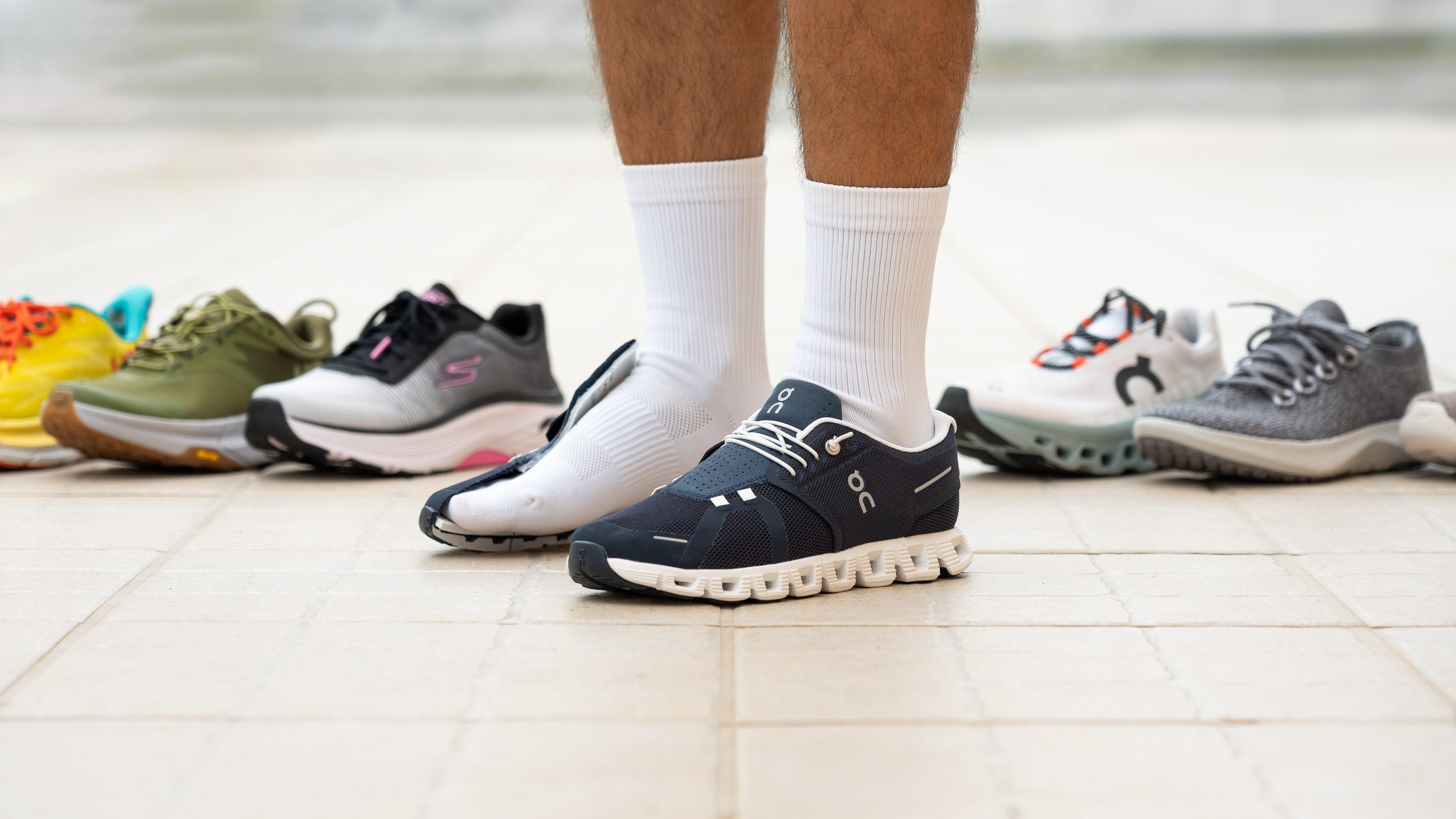
Not all athletic shoes are created equal. Running shoes, for instance, are designed for forward motion with maximum cushioning for impact, while walking shoes must prioritize stability and support for a more rolling, heel-to-toe motion. Let’s dissect the key components that transform a simple sneaker into a podiatrist recommended walking shoe. First, the heel counter: this is the firm cup at the back of the shoe that cradles your heel. A study cited on Wikipedia’s “Shoe” entry notes that a rigid heel counter is crucial for controlling rearfoot motion and preventing excessive pronation (inward rolling) or supination (outward rolling). Squeeze the back of a potential shoe; it should be firm and not easily collapsible. Second, consider the midsole. This is the heart of the shoe’s cushioning and stability, often made from EVA (ethylene-vinyl acetate) or polyurethane. The density and design of the midsole determine its support. Many podiatrists recommend shoes with a dual-density midsole, where a firmer material on the inner (medial) side provides arch support to combat overpronation. Third, examine the toe box. It should be deep and wide enough to allow your toes to splay naturally without rubbing. Constriction here can lead to neuromas, bunions, and hammertoes. Finally, the flexibility should be at the ball of the foot, where your foot naturally bends, not in the middle of the arch. A shoe that bends too easily in the arch sacrifices crucial support.
Key Features That Separate the Best from the Rest
Beyond basic anatomy, several engineered features elevate a shoe to the top of a podiatrist’s list. One such feature is a rocker sole. This design, with a slightly curved profile, facilitates the heel-to-toe transition, reducing strain on the Achilles tendon and calf muscles. It’s a technology often recommended for individuals with plantar fasciitis or arthritis, as it minimizes the work required from the foot’s plantar fascia. Another critical feature is the insole or sock liner. While many shoes come with generic, flat foam insoles, the best podiatrist recommended walking shoes often feature removable orthotic-friendly insoles or come with premium, contoured orthotics that provide arch support and heel cupping. Brands like ASICS and Brooks frequently incorporate such technology. Furthermore, the outsole’s tread pattern and rubber compound are vital for traction and durability. A durable carbon rubber outsole in high-wear areas (like the heel) ensures longevity, a point of value often highlighted in consumer reports and reviews on platforms like Runner’s World. Breathability is another non-negotiable aspect. A mesh upper allows for air circulation, keeping feet cool and dry, which is essential for preventing fungal infections and blisters during long walks.
Navigating Foot Types and Gait Patterns: A Personalized Approach
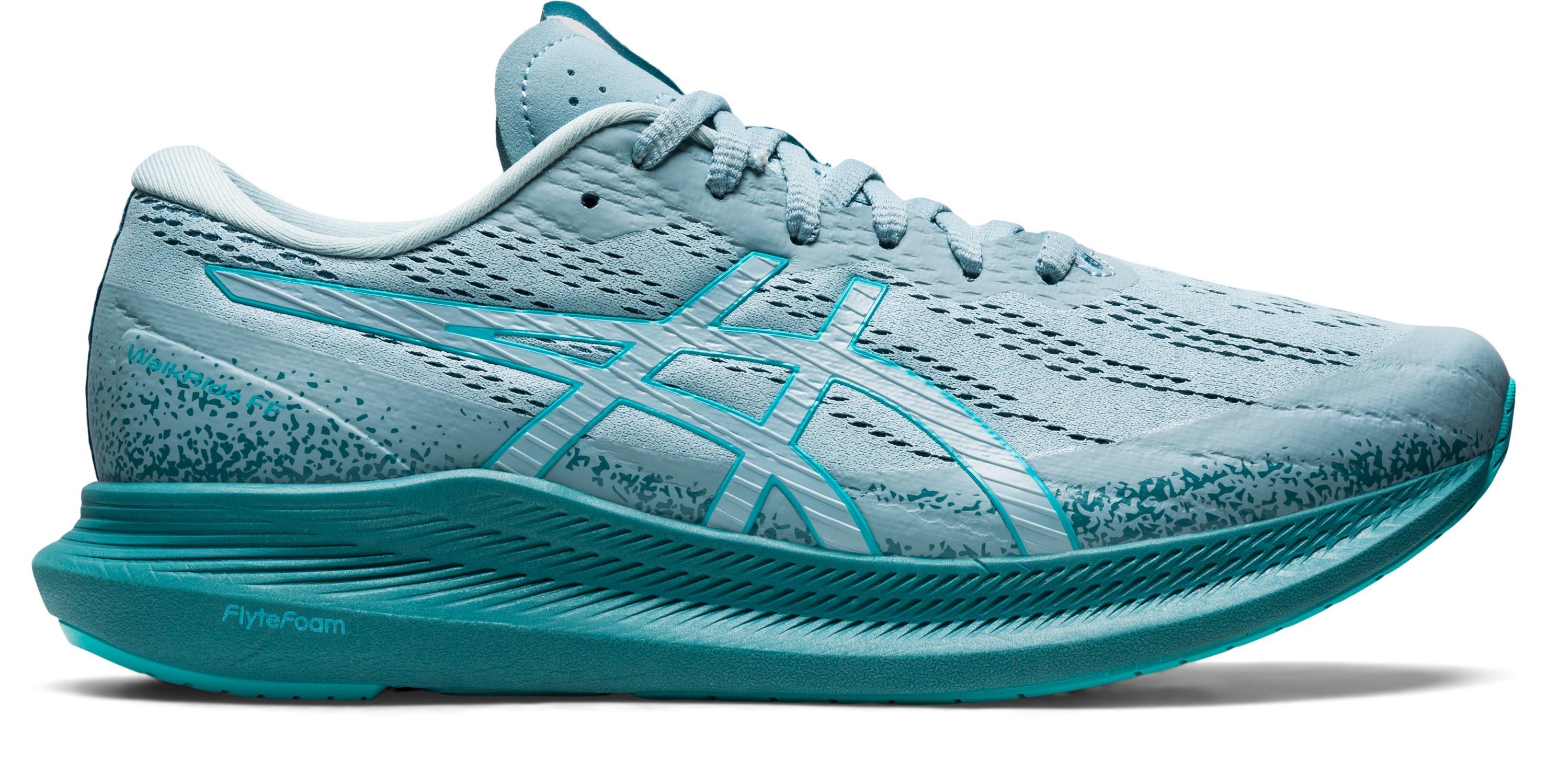
A universal “best shoe” does not exist because every individual has a unique foot structure and gait pattern. The most critical step before purchasing is understanding your own biomechanics. The classic wet foot test is a simple starting point: wet your foot and step onto a piece of cardboard. A full imprint indicates a low arch or flat foot (overpronator), a print with a narrow band connecting heel and forefoot indicates a neutral arch, and a print with almost no middle section indicates a high arch (underpronator or supinator). Overpronators require shoes with maximum stability and motion control—look for terms like “stability,” “motion control,” or a pronounced medial post. Neutral arch individuals can typically wear a wide range of cushioned or stability shoes, while supinators need highly cushioned, flexible shoes to aid in shock absorption. For a definitive analysis, however, nothing beats a professional gait analysis. Many specialty running stores and podiatry clinics offer this service, using treadmills and video technology to assess your stride. This personalized data is invaluable. As noted on Quora by a certified pedorthist, “Buying shoes based on looks alone is like buying glasses without a prescription. You might get lucky, but you’re more likely to end up with discomfort and long-term issues.”
Top Contenders: Brands and Models That Consistently Earn Professional Praise
While individual needs vary, certain brands have built their reputations on podiatrist-approved biomechanical research. Brooks, for example, is frequently lauded for its DNA LOFT and GuideRails technologies. The Brooks Addiction Walker is a perennial favorite for overpronators due to its extended progressive diagonal rollbar. HOKA ONE ONE revolutionized the market with its maximalist cushioning, and models like the HOKA Bondi are often recommended for those with joint pain or who are on their feet all day, providing unparalleled shock absorption. New Balance is celebrated for its extensive range of widths, ensuring a true fit for every foot shape. The New Balance 928 is a classic motion-control walking shoe. ASICS, with its Gel cushioning systems, offers excellent impact protection, seen in models like the ASICS Gel-Kayano. Saucony’s Triumph and Omni lines blend cushioning with stability. It’s important to note that these are not mere endorsements; these models consistently appear in round-ups by publications like Shape and Travel + Leisure that consult directly with panels of podiatrists. The common thread is a commitment to engineering over fleeting trends.
:max_bytes(150000):strip_icc()/shp-best-brooks-walking-shoes-tout-f67df3ab5afa4c08a24a63ae6dca3444.jpg)
Investing in Your Stride: The Intersection of Professional Knowledge and Value
High-quality podiatrist recommended walking shoes are an investment in your health, but that doesn’t mean you must pay full retail price. Knowledge of the product cycle is key. New models are typically released on a yearly or bi-yearly cycle. When a new version arrives, retailers discount the previous model, which is often nearly identical in core technology. Websites of major brands, as well as authorized retailers like Zappos, Road Runner Sports, and even Amazon, frequently have sales sections. Signing up for brand newsletters can alert you to seasonal sales, holiday promotions (like Black Friday or Memorial Day), and clearance events. Furthermore, consider the cost-per-wear. A $150 shoe that lasts for 500 miles of comfortable, injury-free walking is a far better value than a $60 shoe that causes pain and needs replacement after 200 miles. Some podiatrists also work directly with orthotic companies or shoe retailers to offer patient discounts, so it’s always worth inquiring. Remember, the goal is to marry the professional knowledge of what your feet need with the savvy to acquire it at the best possible price, ensuring you can replace your shoes every 300-500 miles without financial strain.
Beyond the Shoe: Holistic Foot Care for the Avid Walker
Even the perfect shoe is just one component of foot health. Complementary practices can extend the life of your shoes and your comfort. First, always wear moisture-wicking socks. Cotton retains sweat, leading to blisters; technical fabrics like merino wool or synthetic blends keep feet dry. Second, consider custom orthotics if you have a persistent, diagnosed issue. While the insoles in podiatrist recommended walking shoes are excellent for general support, custom orthotics are medical devices prescribed by a podiatrist to address your specific biomechanical imbalances. Third, incorporate foot and ankle strengthening exercises into your routine. Toe curls, calf raises, and using a resistance band to work the muscles of the foot can build a stronger foundation, making you less reliant on external support over time. Finally, listen to your body. Persistent pain is not normal. As the famous mountaineer and author Ed Viesturs is known for saying, “Getting to the top is optional. Getting down is mandatory.” In walking terms, reaching your step goal is optional, but doing so without injury is mandatory. If pain arises, rest, and consult a professional.
:max_bytes(150000):strip_icc()/I-Asked-Podiatrists-for-Their-Fall-Shoe-Recommendations-These-Are-Their-Top-8-Picks-8fbdf9d65f3a4228ae63f6e5253dc08c.jpg)
Your journey toward pain-free, supported walking begins with a single, informed step. It begins by prioritizing the engineering inside the shoe over the logo on its side. It requires understanding your own feet as well as you understand any other vital part of your health regimen. The market is filled with options, but by focusing on the principles of a firm heel counter, supportive midsole, adequate toe box, and features that match your gait, you can confidently navigate the choices. Seek out the brands and models that have earned the trust of foot care professionals through consistent, research-backed performance. View your purchase as a long-term investment in your mobility and well-being, and use smart shopping strategies to make that investment sustainable. Ultimately, the right pair of shoes is more than footwear; it’s a tool for freedom, allowing you to explore your world on foot with comfort, confidence, and unwavering support for every mile ahead.
