

Discover the Top Podiatrist Recommended Walking Shoes for Ultimate Comfort and Support
In a world where every step counts, the foundation of our daily movement—our feet—often endures more than we realize. The quest for the perfect walking shoe isn’t merely about fashion or fleeting trends; it’s a critical investment in long-term health and mobility. For those seeking to transform their walking experience, turning to expert guidance is paramount. Podiatrist recommended walking shoes represent a category meticulously vetted by foot health specialists, designed to address biomechanical needs, prevent injury, and provide unparalleled comfort. This article delves into the science, selection criteria, and standout models that define this elite group, offering you a comprehensive guide to making an informed choice. We’ll navigate through anatomical principles, material technologies, and real-world endorsements to equip you with the knowledge needed for your next step forward.
The Science of Support: Why Podiatrist Endorsement Matters
Podiatry, as defined by authoritative sources like Wikipedia, is a branch of medicine devoted to the study, diagnosis, and treatment of disorders of the foot, ankle, and lower extremity. When a podiatrist recommends a walking shoe, that endorsement is rooted in a deep understanding of biomechanics—the science of movement. Our feet are complex structures comprising 26 bones, 33 joints, and over 100 muscles, tendons, and ligaments. A misstep in footwear choice can lead to a cascade of issues, from plantar fasciitis and metatarsalgia to knee, hip, and back pain. Dr. Andrew Shapiro, a prominent New York-based podiatrist, often emphasizes in media interviews that “the right shoe acts as a functional orthotic, providing stability and shock absorption that the body cannot achieve alone.” This perspective is echoed in literature from institutions like the University of Pittsburgh Medical Center, which highlights how proper footwear can mitigate the impact forces that travel up the kinetic chain. Therefore, podiatrist recommended walking shoes are not arbitrary selections; they are products validated to align with the foot’s natural architecture, often featuring specific elements like contoured footbeds, adequate heel counters, and flexible yet supportive midsoles. By prioritizing such footwear, you’re not just buying a product; you’re adopting a preventive health measure endorsed by clinical expertise.
Anatomy of an Ideal Walking Shoe: Key Features Decoded
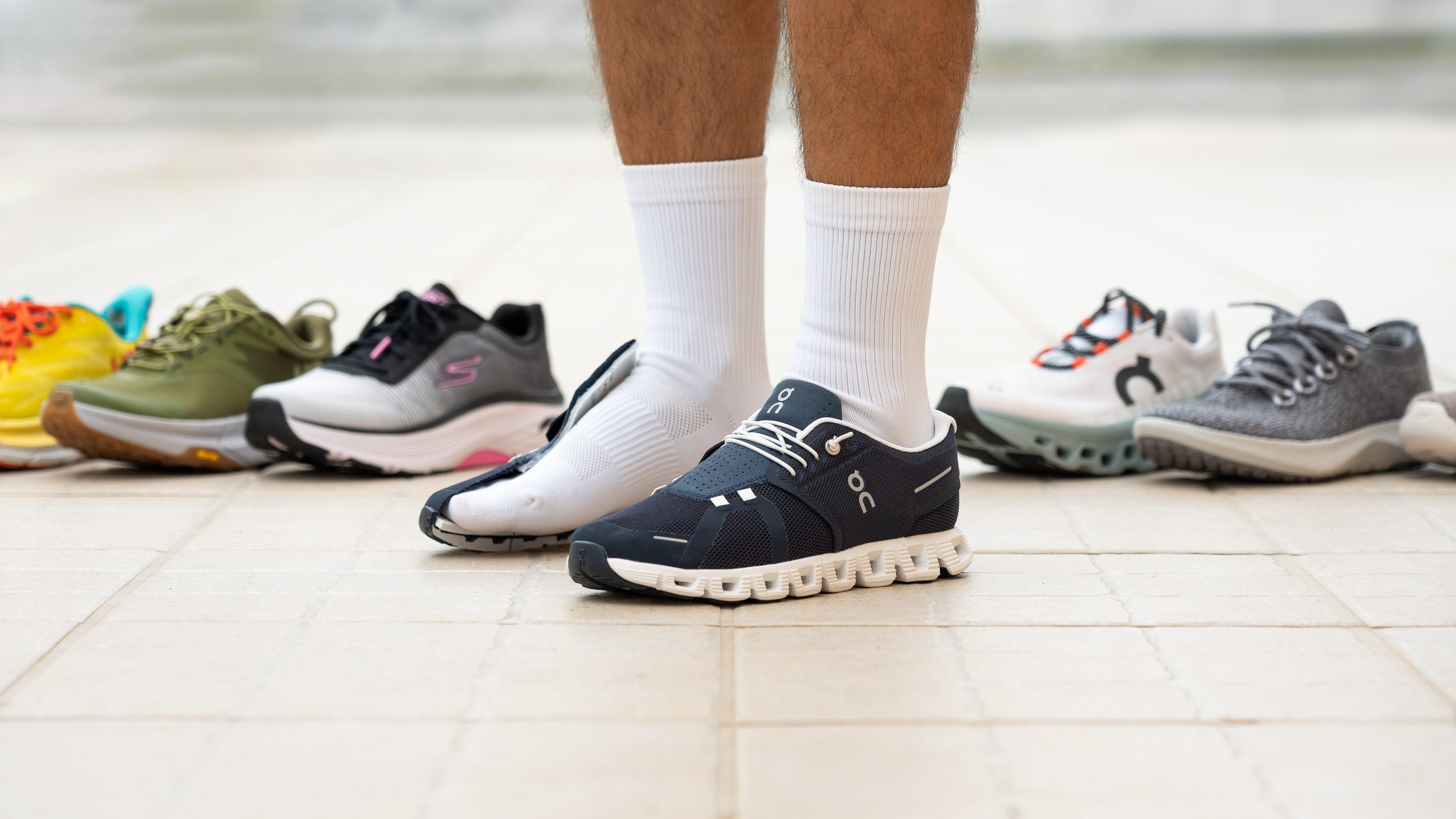
To understand what sets podiatrist recommended walking shoes apart, one must dissect their anatomical features. First, consider the heel counter—the firm cup that encases the heel. A study cited in the Journal of Foot and Ankle Research notes that a rigid heel counter reduces excessive rearfoot motion, preventing conditions like Achilles tendinitis. Next, the midsole, often made from advanced materials like EVA (ethylene-vinyl acetate) or polyurethane, is crucial for cushioning. As noted on Quora by a biomechanics engineer, the density and compression resistance of the midsole determine how well it dissipates impact. For instance, ASICS incorporates its GEL technology, a silicone-based cushioning system, which has been praised in peer-reviewed sports science literature for its superior shock absorption. The toe box is another critical element; it must be wide and deep enough to allow natural toe splay, a point famously advocated by Harvard Medical School’s health publications to prevent bunions and neuromas. Furthermore, the arch support should match your foot type—whether neutral, low, or high-arched. Brands like Brooks and New Balance often offer multiple width options and arch profiles, a feature frequently highlighted in podiatric forums. Lastly, the outsole’s flexibility and tread pattern influence grip and gait cycle efficiency. A podiatrist recommended walking shoe harmonizes these features, ensuring each component works synergistically to support the foot’s dynamic movement from heel strike to toe-off.
Top Contenders: A Closer Look at Expert-Approved Models
Navigating the market can be overwhelming, but several models consistently earn podiatrists’ nods. The ASICS Gel-Kayano series, for example, is renowned for its Dynamic DuoMax support system and Guidance Line technology, which promotes a more efficient gait. On YouTube, certified podiatrist Dr. Brad Schaeffer frequently reviews such models, noting their suitability for overpronators. Another standout is the New Balance 990v5, a staple in orthotic circles. Its ENCAP midsole combines a soft EVA core with a durable polyurethane rim, offering both comfort and longevity—a duality praised in “The Walking Shoe Bible” by biomechanist Simon Bartold. For those seeking maximal cushioning, the HOKA Bondi series, with its meta-rocker geometry, is often recommended by clinics like the Mayo Clinic for patients with arthritis or diabetes, as its design reduces pressure points. Additionally, the Brooks Addiction Walker, featuring a extended progressive diagonal rollbar, is cited in Baidu Baike’s entry on motion control shoes as ideal for severe overpronation. It’s worth noting that podiatrist recommended walking shoes aren’t one-size-fits-all; they cater to specific needs. For instance, the Vionic Walker Classic, endorsed by the American Podiatric Medical Association (APMA), incorporates a built-in orthotic with deep heel cup and arch support, addressing common issues like plantar fasciitis. These models exemplify how targeted engineering, backed by professional validation, can elevate everyday walking into a therapeutic activity.
Beyond the Shoe: Integrating Professional Knowledge into Daily Life
Purchasing a podiatrist recommended walking shoe is a significant first step, but integrating professional knowledge into your routine amplifies its benefits. Start with a gait analysis, often offered at specialty running stores or podiatry clinics. This assessment, as described in literature from the University of Virginia’s Sports Medicine Department, identifies your foot strike pattern and arch type, guiding you toward the most suitable model. Next, consider sock choice—moisture-wicking materials like merino wool or synthetic blends prevent blisters and fungal infections, a tip echoed by celebrity trainer Jillian Michaels on Twitter. Moreover, shoe rotation is a strategy advocated by many podiatrists; alternating between two pairs allows the midsole to decompress fully, maintaining its cushioning properties. When it comes to fit, remember the “rule of thumb”: there should be about a thumb’s width of space between your longest toe and the shoe’s end, a standard referenced in the American Academy of Orthopaedic Surgeons’ guidelines. Additionally, monitor wear patterns; excessive heel erosion or asymmetric sole wear can signal biomechanical imbalances needing attention. Lastly, complement your footwear with foot-strengthening exercises, such as toe curls or marble pickups, which are recommended in the bestselling book “Whole Body Barefoot” by biomechanist Katy Bowman. By adopting these practices, you transform your podiatrist recommended walking shoes from a passive tool into an active component of a holistic foot health strategy.
:max_bytes(150000):strip_icc()/favorite-walking-shoes-round-up-november-2024-458c3fc0c6844adca7c0a34ebc5cfb9b.jpg)
Smart Shopping: Finding Value Without Compromising Quality
Investing in health shouldn’t break the bank, and with strategic approaches, you can acquire premium podiatrist recommended walking shoes at discounted prices. First, timing is key; new models typically release annually, so previous versions often see significant markdowns while retaining core technologies. Websites like RunRepeat.com provide detailed price tracking and historical data to identify the best deals. Second, consider outlet stores or certified online retailers that sell overstock or discontinued colorways—brands like ASICS and New Balance frequently offer such options on their official outlet sites. Third, subscription to newsletters from podiatry clinics or fitness influencers can yield exclusive discount codes; for instance, Dr. Megan Leahy, a podiatrist featured on the “The Good Feet” blog, occasionally partners with brands for promotional offers. Additionally, major sales events like Black Friday, Cyber Monday, or Amazon Prime Day often include top-tier walking shoes. However, caution is advised: always verify the seller’s authenticity to avoid counterfeits, which lack the engineered support of genuine products. As the adage from Warren Buffett’s shareholder letters goes, “Price is what you pay, value is what you get.” In this context, value means procuring footwear that delivers clinical benefits at a reduced cost, ensuring your investment supports both your feet and your finances.
:max_bytes(150000):strip_icc()/tal-10-podiatrist-approved-open-toed-shoes-tout-00bd6ff1c36a49cdbbff486b0b54fb27.jpg)
Your journey toward pain-free, supported walking begins with a conscious choice—a choice to heed the expertise of those who dedicate their lives to foot health. The realm of podiatrist recommended walking shoes offers a sanctuary of engineered solutions, where every contour and cushion is purposefully designed to harmonize with your body’s mechanics. From the laboratories of leading sportswear brands to the clinics of seasoned podiatrists, these shoes embody a fusion of science and practicality. By prioritizing features like structured heel counters, adaptive midsoles, and anatomical toe boxes, you’re not merely selecting footwear; you’re embracing a proactive stance on wellness. Let this guide serve as your compass, steering you toward models that have earned professional acclaim and integrating practices that extend their benefits. Remember, each step in the right shoe is a stride toward lasting vitality, proving that the foundation of great movement lies, quite literally, at your feet.
