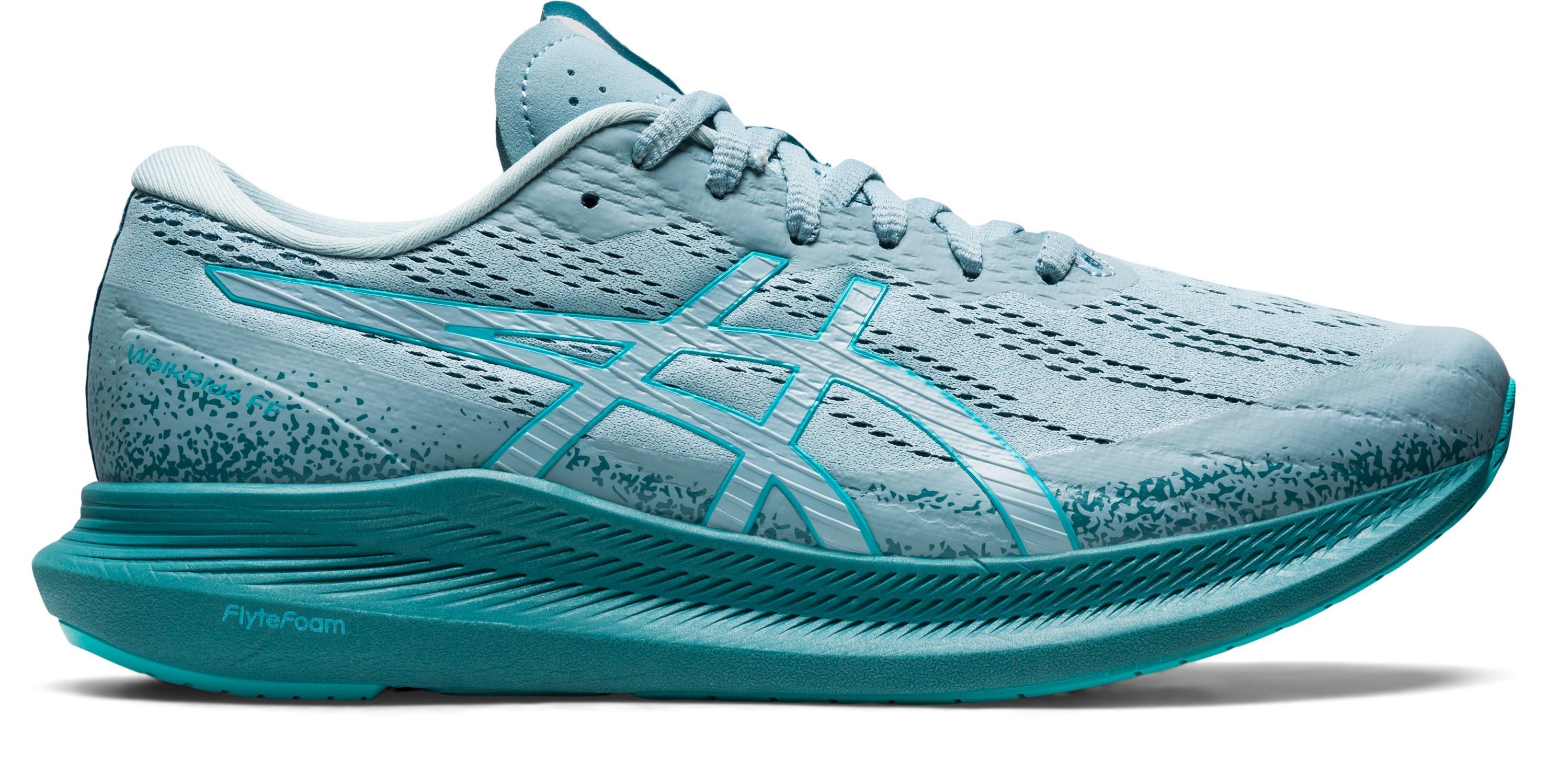
Discover the Best Podiatrist Recommended Walking Shoes for All-Day Comfort
Your feet are the foundation of your movement, and the shoes you choose can either support or sabotage your daily comfort and long-term health. For anyone who spends significant time on their feet—whether navigating city streets, managing a busy workday, or enjoying long, leisurely strolls—the quest for the perfect walking shoe is paramount. This isn’t merely about fashion or brand loyalty; it’s a physiological necessity. The wrong footwear can lead to a cascade of issues, from immediate blisters and aches to chronic conditions like plantar fasciitis, bunions, and knee or back pain. This guide cuts through the marketing noise to focus on a singular, authoritative standard: podiatrist recommended walking shoes. We will delve into the science of foot biomechanics, unpack the specific features that earn a shoe a podiatrist’s endorsement, and provide you with the knowledge to make an informed choice that brings genuine, all-day comfort.
The Science of Support: Why Your Feet Demand Expert-Approved Footwear
To understand the critical importance of specialized footwear, one must first appreciate the complex engineering of the human foot. According to biomechanics literature from institutions like the University of California’s Department of Orthopaedic Surgery, the foot is a marvel of evolution, comprising 26 bones, 33 joints, and over 100 muscles, tendons, and ligaments. This structure forms a dynamic tripod—the heel, the base of the big toe, and the base of the little toe—that must efficiently absorb impact, adapt to terrain, and propel you forward. When this system is misaligned or unsupported, problems arise. Pronation (inward rolling) and supination (outward rolling) are natural motions, but excessive amounts can lead to injury. A true podiatrist recommended walking shoe is designed with these biomechanics in mind. It offers structured cushioning to dissipate the force of each step—which can be 1.5 times your body weight during walking—and provides strategic arch support to maintain the foot’s natural alignment from heel strike to toe-off. This isn’t subjective preference; it’s applied science aimed at preserving the integrity of your entire kinetic chain, from your soles to your spine.
:max_bytes(150000):strip_icc()/I-Asked-Podiatrists-for-Their-Fall-Shoe-Recommendations-These-Are-Their-Top-8-Picks-8fbdf9d65f3a4228ae63f6e5253dc08c.jpg)
Decoding the Podiatrist’s Checklist: Non-Negotiable Features
What specific elements transform an ordinary sneaker into a podiatrist-endorsed tool for health? The criteria are precise and grounded in clinical observation. First and foremost is arch support. Unlike generic insoles, the support in a recommended shoe is often built into the midsole and is contoured to match different arch types (neutral, low, or high). This prevents the plantar fascia ligament from overstretching, a primary cause of heel pain. Second is heel counter rigidity. The firm cup at the back of the shoe stabilizes the heel, controlling excess motion and providing a secure foundation. Third is adequate toe box room. As noted by the American Podiatric Medical Association, a spacious, rounded toe box allows toes to splay naturally upon weight-bearing, reducing pressure that can lead to neuromas or deformities. Fourth is flexibility at the right point. The shoe should bend easily at the ball of the foot (the metatarsophalangeal joints) to facilitate the push-off phase of gait, but remain stable through the midfoot. Finally, the midsole material is key. Advanced compounds like EVA (ethylene-vinyl acetate) or polyurethane offer durable cushioning that doesn’t break down prematurely. When you find a shoe that masters these five features, you have found a genuine podiatrist recommended walking shoe.
Beyond the Hype: Endorsements from Authority and Experience
In an era of influencer marketing, the value of a professional podiatrist’s recommendation cannot be overstated. These are clinicians who diagnose foot ailments daily and witness the consequences of poor footwear choices firsthand. Dr. Jacqueline Sutera, a renowned New York City podiatrist and spokesperson for the American Podiatric Medical Association, often emphasizes the preventative role of proper shoes. In various media interviews, she has stated,
“People often invest in mattresses for back support but neglect their shoes, which are the ‘mattresses’ for their feet. A good walking shoe is not a luxury; it’s a fundamental piece of preventative healthcare.”
This sentiment is echoed across professional platforms. On Quora threads dedicated to foot health, practicing podiatrists consistently highlight brands that prioritize biomechanical research over fleeting trends. Furthermore, authoritative reviews from websites like Verywell Health and Runner’s World often incorporate podiatrist panels to test and evaluate shoes, providing a layer of credibility that goes beyond casual user reviews. Seeking out these podiatrist recommended walking shoes means aligning your purchase with clinical expertise, not just clever advertising.
:max_bytes(150000):strip_icc()/shp-best-brooks-walking-shoes-tout-f67df3ab5afa4c08a24a63ae6dca3444.jpg)
A Curated Selection for Every Walker’s Need
Armed with the knowledge of what makes a shoe worthy, let’s explore categories that consistently receive professional praise. Remember, the “best” shoe is highly individual, depending on your foot shape, gait, and specific activities.
For the High-Mileage Urban Commuter: Maximum Cushioning and Durability
If your day involves miles of concrete and asphalt, your primary need is shock absorption that lasts. Shoes in this category feature thick, resilient midsoles often made from proprietary foam technologies. Brands like HOKA and ASICS have built their reputations here. The HOKA Bondi series, for instance, is frequently cited in podiatry circles for its meta-rocker geometry, which promotes a smooth gait cycle and reduces strain on the Achilles and calves. Similarly, the ASICS GEL-Nimbus line utilizes its signature GEL cushioning system in the rearfoot and forefoot to attenuate shock. The durability of the outsole rubber is also crucial for the urban environment; look for carbon rubber or high-abrasion compounds in high-wear areas. These shoes are engineered for the long haul, ensuring that the cushioning and support—the very reasons they are considered podiatrist recommended walking shoes—remain effective well past the first few wears.
For the Walker with Stability Concerns: Motion Control and Guidance
For individuals who overpronate or have flat feet, a neutral cushioned shoe may not provide enough support, leading to ankle roll and arch collapse. Stability shoes incorporate firmer materials on the medial (inner) side of the midsole to prevent excessive inward motion. The Brooks Adrenaline GTS series is a perennial favorite in this category, featuring its GuideRails holistic support system that focuses on keeping the knees aligned rather than just propping up the arch. Another standout is the New Balance 1540, a shoe that often appears on the American Podiatric Medical Association’s list of accepted products due to its robust rollbar technology for motion control. When trying on stability shoes, pay close attention to the arch feel; it should be supportive without being intrusive or creating pressure points. This targeted engineering is what separates generic sneakers from true podiatrist recommended walking shoes for those with specific biomechanical needs.

Investing in Your Foundation: The True Value Proposition
It’s tempting to view high-quality walking shoes as a significant expense. However, when framed as an investment in your mobility and pain-free living, the perspective shifts. Consider the cost of ongoing treatments for foot problems: custom orthotics, physical therapy sessions, co-pays for doctor visits, and even lost productivity due to discomfort. A single pair of well-chosen podiatrist recommended walking shoes acts as your first line of defense. To make this investment more accessible, it’s wise to shop strategically. Many reputable retailers offer previous-season models at significant discounts, as the core biomechanical technology often remains unchanged. Signing up for brand newsletters or following certified podiatrists on social media platforms like YouTube or Twitter can also alert you to sales and professional promo codes. Remember, the goal is to bring professional-grade support to your feet without undue financial strain. The value lies not in the price tag, but in the years of comfortable, supported steps they provide.
Your journey toward all-day comfort begins with a single, informed step. By prioritizing the principles of biomechanics, seeking the hallmarks of professional endorsement, and understanding the specific features that match your unique needs, you move beyond guesswork. You are not just buying a shoe; you are choosing a partner for your foot health. Let the standard of podiatrist recommended walking shoes guide you to a selection that offers more than just style—it offers sustained support, proven performance, and the profound comfort that comes from knowing your foundation is secure. Now, lace up and step forward with confidence.