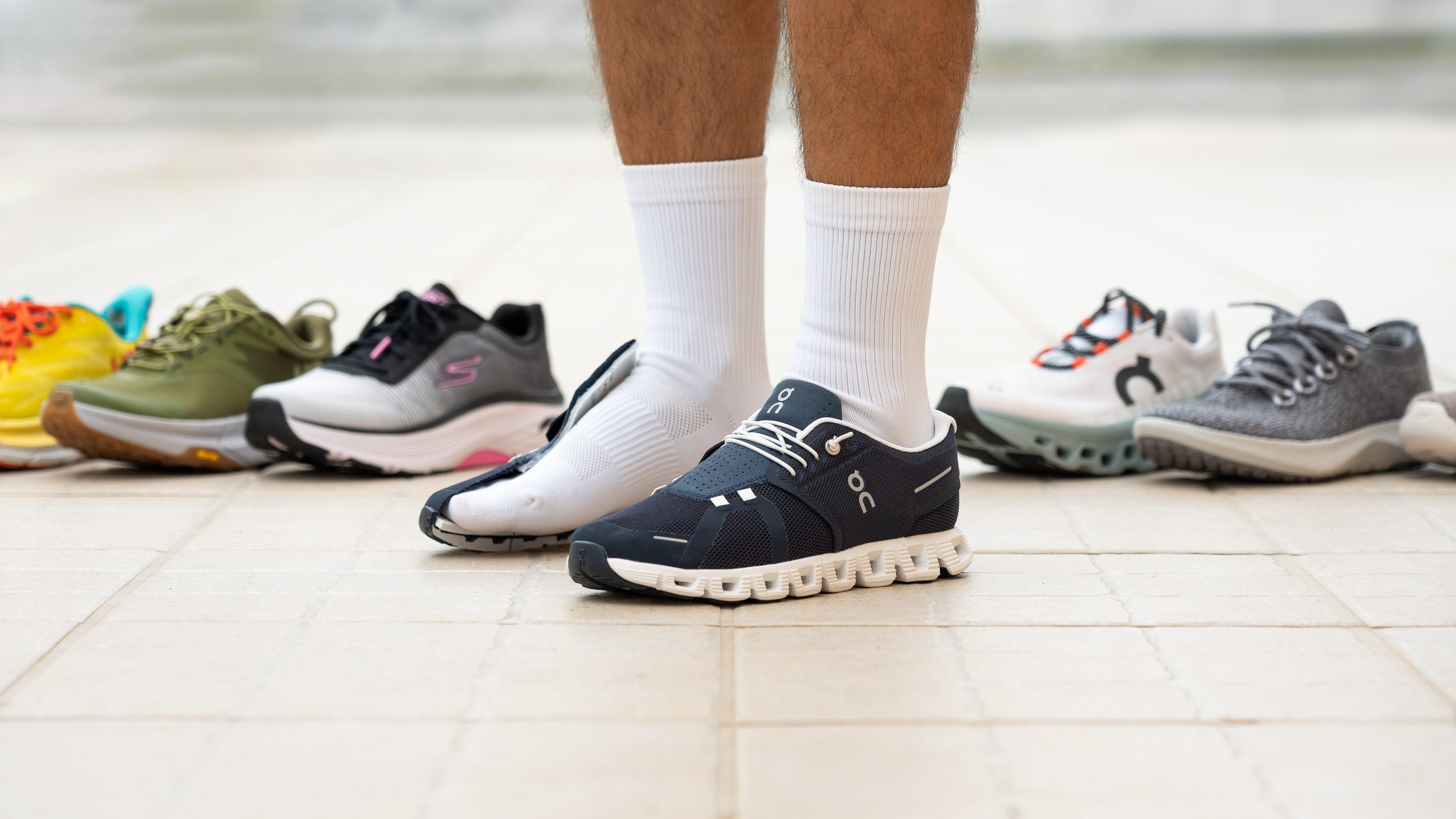
Discover the Top Podiatrist Recommended Walking Shoes for Ultimate Comfort and Support
Your feet are your foundation. Every step you take sends a ripple of impact through your body, and the shoes you choose act as the primary interface between you and the ground. For anyone who walks for fitness, commuting, or simply daily life, the quest for the perfect shoe is paramount. This isn’t about fleeting fashion trends; it’s about long-term health, injury prevention, and sustainable comfort. That’s why turning to expert guidance is not just wise—it’s essential. Podiatrist recommended walking shoes represent a category built on clinical insight, biomechanical understanding, and a preventative approach to foot care. This article delves into the science behind these recommendations, explores the non-negotiable features that define top-tier walking footwear, and provides a clear pathway to finding shoes that offer true, lasting support.
The Science of the Stride: Why Expert Recommendation Matters
Walking is a complex, coordinated series of movements involving bones, muscles, ligaments, and tendons from your feet to your spine. A podiatrist, or Doctor of Podiatric Medicine (DPM), specializes in the diagnosis, treatment, and prevention of disorders of the foot, ankle, and related structures of the leg. Their recommendations are grounded in a deep understanding of biomechanics—the study of the mechanical laws relating to the movement of living organisms. When a podiatrist suggests a shoe, they are considering factors like gait analysis, arch type (pes planus/flat foot, pes cavus/high arch, or neutral), and potential pathologies like plantar fasciitis, metatarsalgia, or overpronation. As stated on Wikipedia’s page on Podiatry, the field encompasses both medical and surgical aspects, making their advice on footwear inherently clinical. A study from the University of Pittsburgh’s Department of Orthopedic Surgery often highlights the correlation between improper footwear and the development of musculoskeletal issues. Therefore, seeking out podiatrist recommended walking shoes is a proactive step in aligning your daily wear with the physiological needs of your body, rather than retroactively treating pain caused by poor support.

Architectural Support: The Pillars of a Proper Walking Shoe
Let’s dissect the anatomy of an ideal walking shoe. First and foremost is arch support. The arch of your foot acts as a natural shock absorber. Shoes with insufficient or misaligned arch support can lead to the collapse of this structure, straining the plantar fascia ligament—a common cause of heel pain. A well-designed insole or midsole will contour to your specific arch type, providing a firm yet comfortable platform. Next is heel counter rigidity. The heel counter is the firm cup at the back of the shoe that cradles your heel. A sturdy, non-collapsible heel counter is crucial for stabilizing the rearfoot, preventing excessive side-to-side motion that can lead to ankle instability and Achilles tendon strain. As noted in literature from the American Podiatric Medical Association (APMA), a firm heel counter is a hallmark of shoes that earn their Seal of Acceptance. Third is toe box geometry. Your toes need room to splay naturally upon foot strike. A cramped, narrow, or pointed toe box can cause deformities like bunions (hallux valgus) and hammertoes over time. Finally, we consider the rocker sole. This is a subtly curved sole design that facilitates a smooth transition from heel strike to toe-off, reducing strain on the forefoot and calf muscles. These four elements—arch support, heel counter, toe box, and rocker design—form the architectural blueprint of any truly supportive podiatrist recommended walking shoe.
Material Matters: Breathability, Durability, and Responsive Cushioning
Beyond structure, the materials used in construction are vital for comfort and longevity. The upper should be made of breathable, flexible materials like engineered mesh or premium leather. Breathability is not merely about comfort; it helps manage moisture, reducing the risk of fungal infections and blisters. Durability in the outsole is typically provided by carbon rubber or blown rubber compounds in high-wear areas, ensuring the shoe maintains its traction and protective qualities over miles. However, the most discussed material science in footwear today revolves around midsole cushioning. Technologies like ASICS’ GEL, Brooks’ DNA LOFT, or HOKA’s Profly+ are not marketing gimmicks; they are engineered foam compounds designed to provide a specific balance of cushioning and energy return. Dr. Brad Schaeffer, a prominent podiatrist featured in various media outlets, often emphasizes that “cushioning should be responsive, not dead.” This means the material should compress upon impact to absorb shock but then quickly rebound, propelling you forward with less muscular effort. This responsive cushioning reduces the cumulative stress on joints, a principle supported by biomechanics research from institutions like Stanford University. When evaluating podiatrist recommended walking shoes, the interplay of these materials creates an ecosystem that protects, supports, and enhances the natural function of your foot.
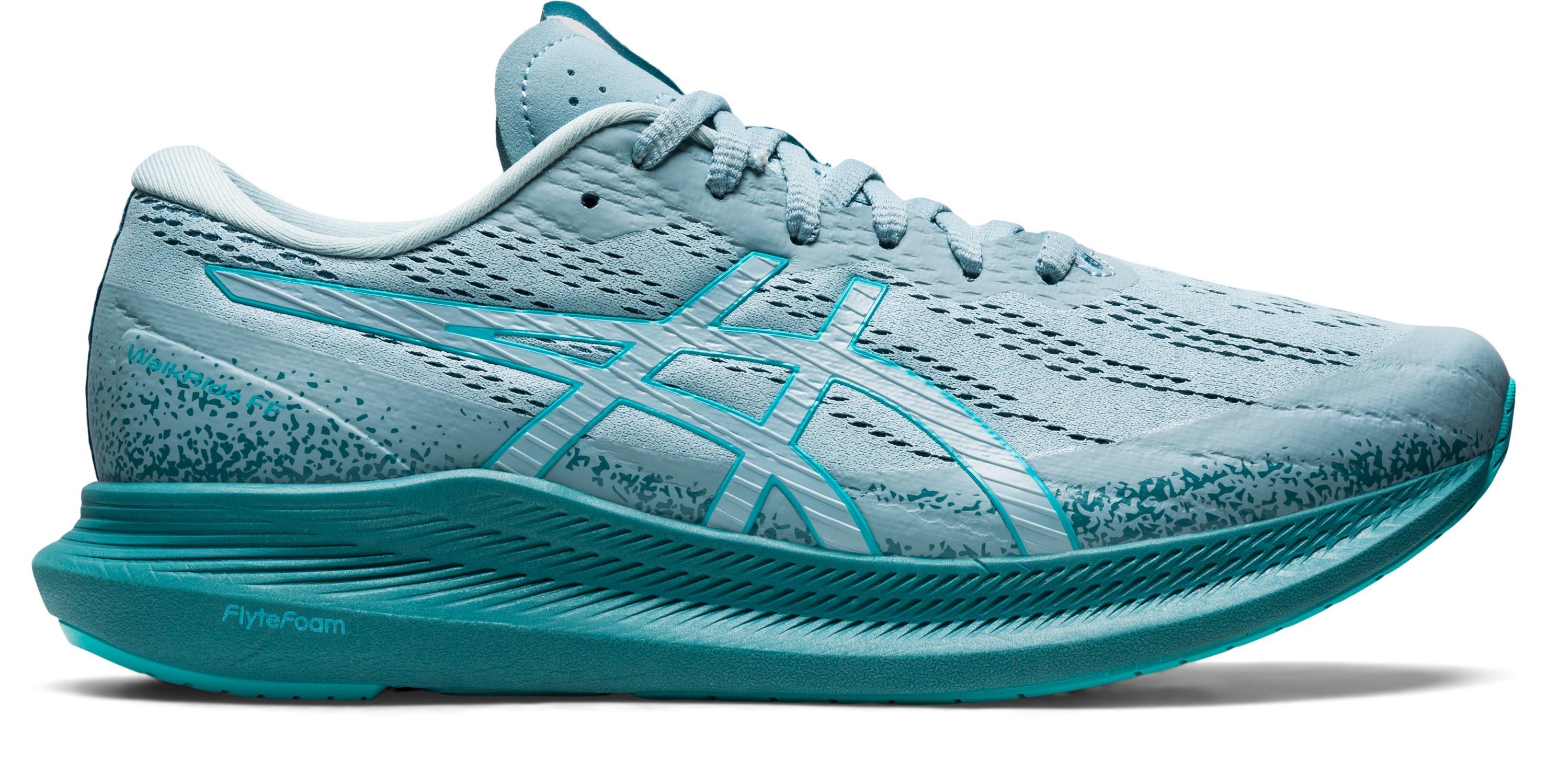
Navigating the Market: How to Identify Truly Supportive Footwear
With countless brands and models available, identifying the right shoe can be daunting. The first step is to know your own feet. Have a professional gait analysis done at a specialty running or walking store. Many podiatry clinics also offer this service. Understand whether you overpronate (foot rolls inward excessively), underpronate (supinate, foot rolls outward), or have a neutral gait. This will guide you toward shoes designed for stability, neutral cushioning, or motion control. Second, look for external endorsements. The APMA Seal of Acceptance is a strong indicator that a panel of podiatrists has reviewed the shoe and found it promotes good foot health. Furthermore, many renowned podiatrists maintain active social media and YouTube presences, offering unbiased reviews. For instance, on YouTube, channels like “The Foot & Ankle Center” or “Dr. Glass’ Foot Care” provide deep dives into specific models, explaining their biomechanical benefits in layman’s terms. Third, prioritize fit over brand loyalty. Your perfect shoe might come from a brand you’ve never considered. The fit should be snug at the heel, with ample room in the toe box (about a thumbnail’s width from your longest toe to the end of the shoe), and no pinching or pressure points along the sides. Remember, the most expensive shoe is not necessarily the best; the right shoe is the one that addresses your unique biomechanical profile.
:max_bytes(150000):strip_icc()/I-Asked-Podiatrists-for-Their-Fall-Shoe-Recommendations-These-Are-Their-Top-8-Picks-8fbdf9d65f3a4228ae63f6e5253dc08c.jpg)
Investment in Health: The Long-Term Value of Quality Footwear
It’s easy to view high-quality walking shoes as a significant expense, but this perspective shifts when framed as an investment in your long-term musculoskeletal health. Consider the alternative costs: co-pays for doctor visits, physical therapy sessions, orthotic devices, and the intangible cost of chronic pain and reduced mobility. A well-constructed pair of podiatrist recommended walking shoes is a preventative tool. They are engineered to distribute pressure evenly, correct minor alignment issues, and mitigate the repetitive stress of walking on hard, unyielding surfaces. Authoritative sources like the Journal of Foot and Ankle Research regularly publish studies linking appropriate footwear to reduced incidence of lower limb pain in various populations. Furthermore, the psychological benefit of comfortable, pain-free movement cannot be overstated—it encourages an active lifestyle, which is foundational for cardiovascular health, weight management, and mental well-being. When you purchase these shoes, you are not just buying a product; you are acquiring a piece of engineered health infrastructure for your body. To make this investment more accessible, it’s worth noting that many reputable retailers offer seasonal sales, discount codes for first-time buyers, and loyalty programs. Websites often provide professional knowledge alongside competitive, discounted prices, allowing you to make an informed, value-driven decision for your foot health.
A Final Step Forward: Integrating Knowledge with Action
The journey to ultimate comfort and support begins with education and culminates in a conscious choice. You now understand the critical role of biomechanics, the architectural pillars of a proper shoe, the importance of advanced materials, and the strategy for navigating the marketplace. This knowledge empowers you to move beyond marketing claims and make selections based on objective, scientific principles endorsed by foot health specialists. Your next step is to apply this framework. Listen to the experts, analyze your own needs, and try on multiple pairs of podiatrist recommended walking shoes with the key features in mind. Pay attention to how your body, particularly your feet, knees, and hips, feel during and after a test walk. The right pair will feel supportive and energizing, not merely soft. By choosing footwear grounded in podiatric science, you are actively participating in the preservation and enhancement of your mobility. This is the essence of proactive self-care—building a foundation, one scientifically-supported step at a time, for a more comfortable, active, and resilient life.