

Discover the Best Podiatrist Recommended Walking Shoes for All-Day Comfort
Your feet are your foundation, and the shoes you choose for walking can mean the difference between a day filled with vibrant energy and one hampered by discomfort. For anyone who spends significant time on their feet—whether you’re a dedicated urban explorer, a healthcare professional logging long shifts, or someone who simply enjoys a daily constitutional—the quest for the perfect walking shoe is paramount. This isn’t merely about fashion or fleeting trends; it’s about biomechanical support, injury prevention, and sustainable comfort. The most reliable guide in this quest isn’t a celebrity influencer or a glossy magazine ad, but the specialized knowledge of podiatrists. These foot and ankle experts understand the intricate interplay of bones, ligaments, and tendons with every step you take. Therefore, investing in podiatrist recommended walking shoes is not a purchase; it’s a proactive investment in your long-term mobility and well-being. This article will navigate the science of foot health, decode the essential features these experts advocate for, and present a curated selection of shoes that embody these principles, helping you step forward with confidence and ease.
:max_bytes(150000):strip_icc()/tal-roundup-podiatrist-loved-shoes-on-sale-tout-bdbf5721fa5642efa38b61f6a5b4ff34.jpg)
The Science of the Foot and Why Expert Recommendation Matters
To appreciate why podiatrist recommended walking shoes are in a league of their own, we must first understand the engineering marvel that is the human foot. Each foot contains 26 bones, 33 joints, and over 100 muscles, tendons, and ligaments, all working in concert to provide balance, propulsion, and shock absorption. The gait cycle—the sequence of events from when one foot touches the ground to when it touches the ground again—is a complex process of heel strike, foot flat, mid-stance, heel-off, and toe-off. A subtle misalignment or lack of support during any phase can lead to a cascade of issues, not just in the feet but in the knees, hips, and lower back. Podiatrists, through years of medical training, diagnose and treat these issues daily. They see the consequences of poor footwear: plantar fasciitis, metatarsalgia, bunions, and Achilles tendonitis. Their recommendations are born from clinical evidence and a deep understanding of pathophysiology. As Dr. Jacqueline Sutera, a New York City-based podiatrist and spokesperson for the American Podiatric Medical Association (APMA), often notes, “Shoes are the foundation of your body. If your foundation is unstable or unbalanced, everything above it will be affected.” This perspective shifts the shoe from a simple accessory to a critical piece of medical-grade equipment for daily life.
Decoding the Hallmarks of a Podiatrist-Approved Shoe
What specific features transform an ordinary sneaker into a podiatrist recommended walking shoe? The criteria are precise and focused on function over form. First and foremost is arch support. The arch acts as a natural shock absorber; proper support maintains its integrity, preventing overpronation (rolling inward) or supination (rolling outward). This support is often achieved through a combination of a firm heel counter and a well-designed insole or midsole. Secondly, adequate toe box room is non-negotiable. The toes should be able to splay naturally upon stepping down, without being cramped or squeezed. This prevents neuromas (pinched nerves) and allows for better balance. Third is heel cushioning and stability. A cushioned heel attenuates the impact force traveling up the skeleton, while a beveled or rounded heel promotes a smoother heel-to-toe transition. Finally, the flexibility must be in the right place. The shoe should bend easily at the ball of the foot, where your foot naturally flexes during toe-off, but remain rigid through the midfoot to protect the arch. These are not arbitrary design choices; they are direct responses to the biomechanical needs observed in countless patient examinations.
:max_bytes(150000):strip_icc()/podiatrist-recommended-walking-shoes-e1b90077185d4e6cadbf6327c4d17db7.jpg)
A Closer Look at Top Contenders for All-Day Support
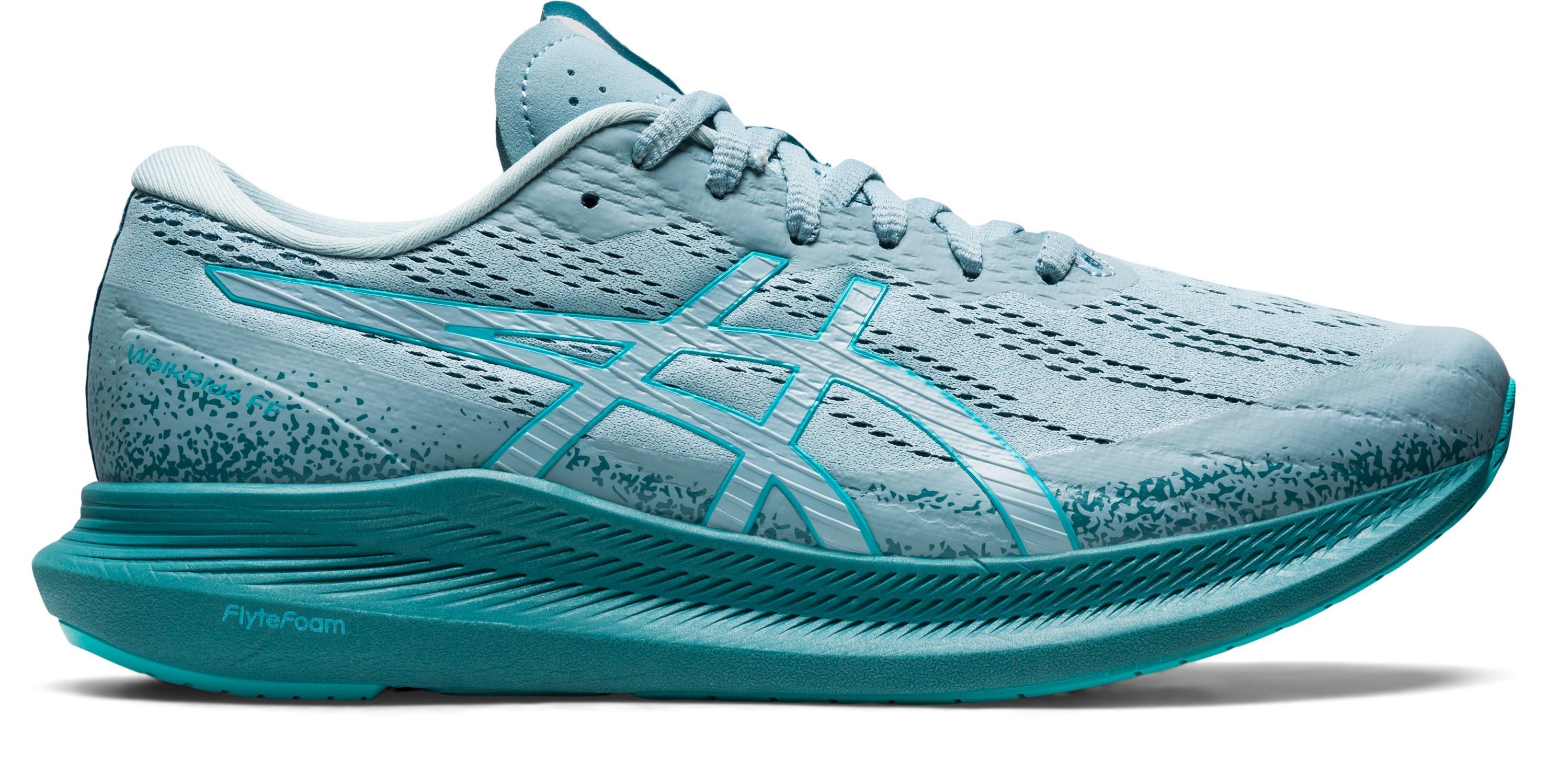
The market is flooded with options, but only a select few consistently earn the endorsement of foot care professionals. Let’s examine some categories and models that exemplify the principles discussed. For those requiring maximum motion control and stability, brands like Brooks and ASICS often lead the pack. The Brooks Addiction Walker, for instance, is a perennial favorite that has earned the APMA Seal of Acceptance. It features an extended progressive diagonal rollbar that guides the foot back to a neutral position with every step, making it ideal for overpronators. On the other end of the spectrum, for walkers seeking plush cushioning for hard surfaces, HOKA ONE ONE has revolutionized the category with its oversized midsoles. The HOKA Bondi series provides exceptional shock absorption without sacrificing stability, a combination frequently cited by podiatrists for patients with arthritis or heel pain. Another critical consideration is the fit for specific foot shapes. Brands like New Balance are renowned for offering multiple width options (from narrow to 4E wide), ensuring that the podiatrist recommended walking shoes you choose actually conform to your unique foot dimensions, rather than forcing your foot to conform to the shoe.
“The wrong shoe can create problems, and the right shoe can often solve them. We don’t just treat foot pain; we look for its source, and footwear is very often a primary contributor or a primary solution.” – This sentiment, echoed by podiatrists like Dr. Megan Leahy on platforms like the Cleveland Clinic’s health blog, underscores the preventative and therapeutic role of proper footwear.
Beyond the Brand: The Critical Importance of Fit and Feel
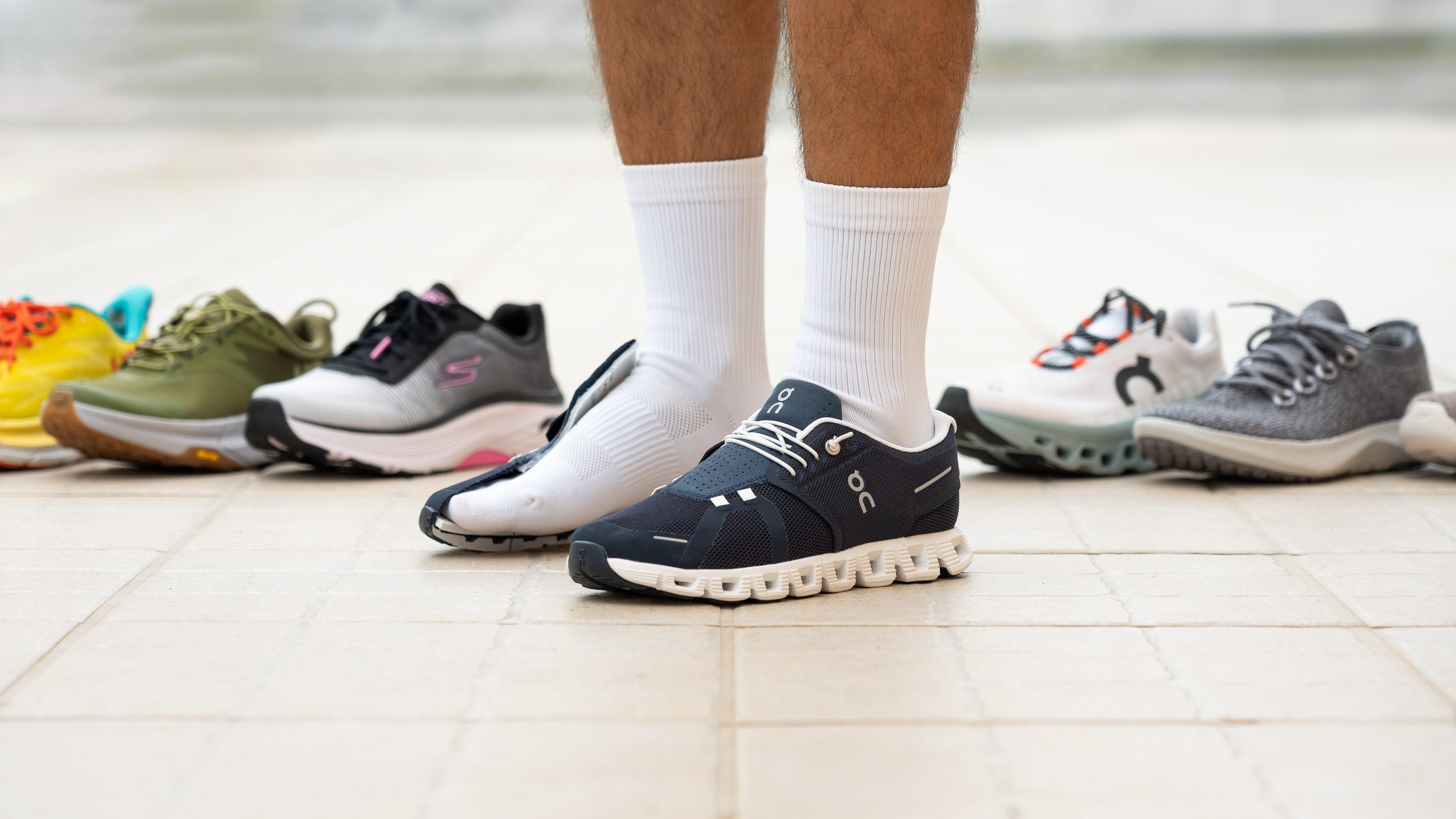
Even the most highly acclaimed podiatrist recommended walking shoe will fail if it is not fitted correctly. The process of selecting your shoe should be methodical. Always shop for shoes in the late afternoon or evening, as feet naturally swell throughout the day. Wear the same type of socks you intend to walk in. There should be about a thumb’s width (roughly half an inch) of space between your longest toe (which isn’t always the big toe) and the end of the shoe. Your heel should be snug but not tight, with minimal slippage. Don’t rely solely on the numbered size; always walk around the store, paying attention to any points of pressure or rubbing. Remember, “breaking in” a shoe is a myth perpetuated by poor fit. A properly designed and fitted walking shoe should feel comfortable and supportive from the very first step. This hands-on, tactile evaluation is something podiatrists stress repeatedly, as the subjective feel is a crucial data point that no online spec sheet can provide.
Investing in Your Stride: Where Value Meets Expertise
Some may hesitate at the price point of high-quality, professionally endorsed footwear. However, this is a classic case where value transcends initial cost. Consider the alternative: the cumulative cost of doctor’s visits, physical therapy sessions, orthotic devices, and over-the-counter pain remedies for foot ailments caused or exacerbated by inadequate shoes. A pair of well-constructed podiatrist recommended walking shoes, typically ranging from $120 to $160, is a proactive investment that pays dividends in pain-free mobility and avoided medical expenses. Furthermore, the longevity of these shoes often exceeds that of cheaper alternatives due to superior materials and construction. To make this investment more accessible, savvy shoppers can look to end-of-season sales, official brand outlet stores, and reputable online retailers that frequently offer discounts on previous models. The core technology—the stability features, cushioning systems, and last shapes that podiatrists approve—often remains consistent across model years, allowing you to acquire expert-level support at a friendlier price point.
Your daily walk is more than just exercise or transportation; it’s a fundamental human movement that connects you to the world. Compromising that experience with subpar footwear is an unnecessary concession. The path to all-day comfort is clearly marked by the expertise of podiatrists, whose recommendations stem from a profound understanding of anatomy and injury prevention. By prioritizing features like structured arch support, a spacious toe box, and strategic cushioning, and by committing to a meticulous fitting process, you empower yourself to move through your days with resilience and grace. The right pair of podiatrist recommended walking shoes isn’t just about protecting your feet; it’s about unlocking the full, joyful potential of every step you take.
