

Discover the Best Podiatrist Recommended Walking Shoes for All-Day Comfort
Your feet are your foundation, and the shoes you choose can either support that foundation or undermine it with every step. For anyone who spends significant time on their feet—whether navigating a busy workday, exploring new cities, or simply managing daily errands—the quest for truly comfortable footwear is paramount. This isn’t merely about avoiding blisters; it’s about long-term musculoskeletal health, energy conservation, and overall well-being. Ordinary shoes often prioritize style or cost over biomechanical support, leading to a cascade of issues from plantar fasciitis to knee and back pain. The solution lies not in fleeting trends, but in the informed, science-backed recommendations of foot health specialists: podiatrists. This guide delves into the world of podiatrist recommended walking shoes, translating professional podiatric principles into actionable knowledge for your next purchase. We will dissect the anatomical and engineering features that define superior footwear, provide objective analysis of key technologies, and connect you with options that bring professional-grade support within reach, often at surprisingly accessible price points.
The Podiatric Blueprint: Why Expert Recommendation Matters
Podiatry, as defined by authoritative medical literature from institutions like the American Podiatric Medical Association (APMA), is the branch of medicine devoted to the study, diagnosis, and medical and surgical treatment of disorders of the foot, ankle, and lower extremity. A podiatrist’s recommendation, therefore, is not a casual opinion but a clinical judgment based on biomechanics. The human foot is a complex structure of 26 bones, 33 joints, and over 100 muscles, tendons, and ligaments. When this intricate system is improperly aligned or stressed—a condition known as excessive pronation or supination—the effects reverberate up the kinetic chain. As noted by Dr. Jacqueline Sutera, a prominent New York City podiatrist and spokesperson for the APMA, “Shoes are the foundation of your body. If your foundation is off, everything above it—your knees, hips, back—can be affected.” This perspective is echoed across platforms like Quora and professional medical forums, where the consensus among experts is clear: preventative foot care through proper footwear is far more effective than treating conditions after they arise. A podiatrist recommended walking shoe is engineered to counteract these imbalances. It provides structured arch support to maintain the foot’s natural alignment, a deep heel cup to stabilize the calcaneus (heel bone), and appropriate cushioning to absorb the repetitive impact forces of walking, which can equal 1.5 times your body weight with each step. Choosing such a shoe is an investment in your body’s structural integrity.
:max_bytes(150000):strip_icc()/tal-roundup-podiatrist-loved-shoes-on-sale-tout-bdbf5721fa5642efa38b61f6a5b4ff34.jpg)
Decoding the Anatomy of a Superior Walking Shoe
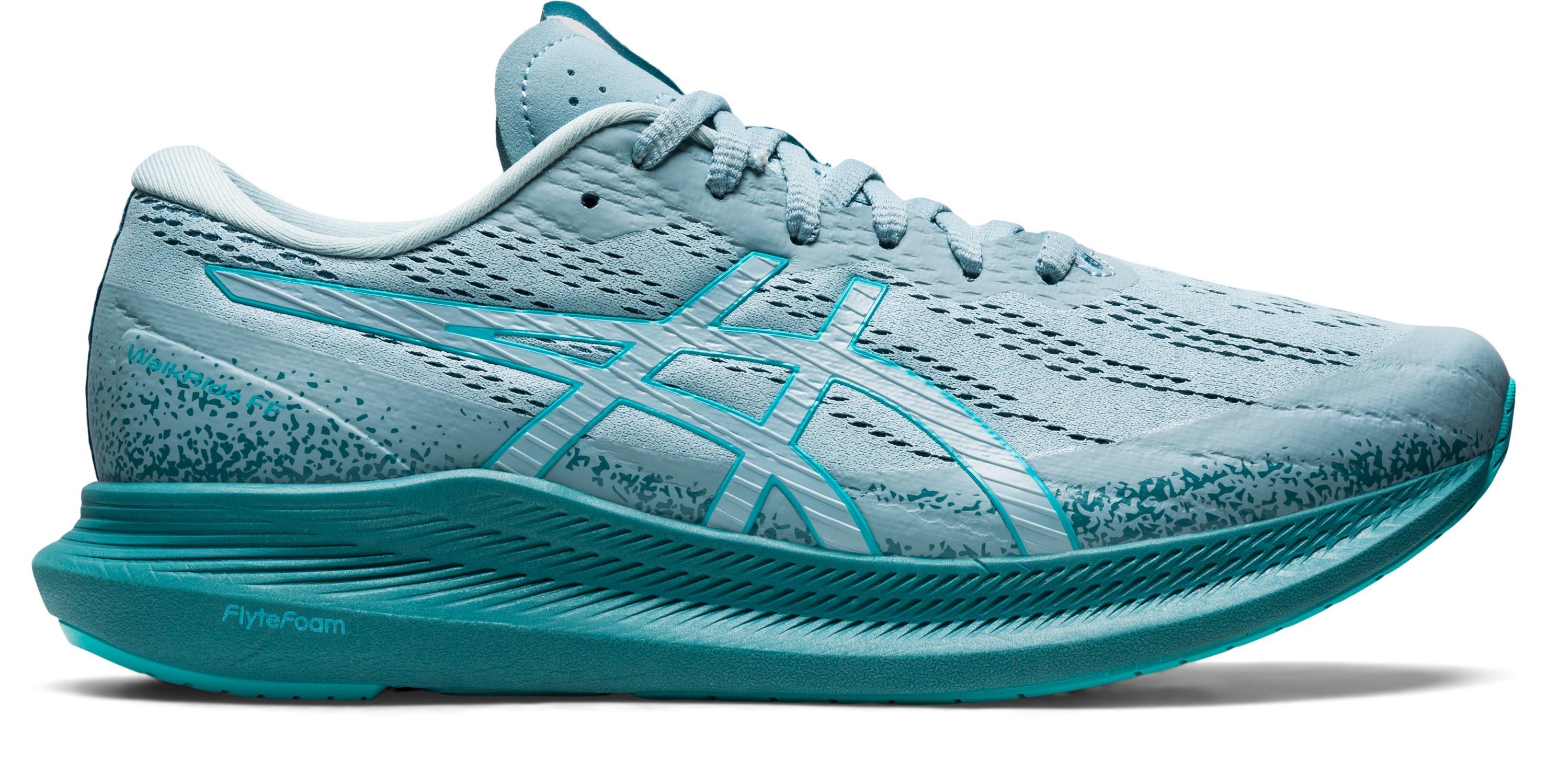
To understand what makes a shoe worthy of a podiatrist’s seal of approval, we must move beyond marketing jargon and examine specific, non-negotiable components. First is the last—the foot-shaped form around which the shoe is built. Podiatrist-favored brands often use a “straight” or “semi-curved” last, which better accommodates the natural shape of the foot and provides a stable platform, unlike sharply pointed or excessively curved lasts that cram the toes. The midsole is the engine room of comfort and support. Materials like dual-density EVA (ethylene-vinyl acetate), polyurethane, or proprietary compounds like Brooks’ DNA LOFT or ASICS’ FlyteFoam are critical. They must offer a balance: resilient enough to provide energy return and durable support, yet soft enough to attenuate shock. The heel counter, the firm cup at the back of the shoe, must be rigid to prevent excessive heel movement and control pronation. You can test this by trying to squeeze the back of the shoe; a quality counter will resist collapse. Finally, the toe box must be high and wide enough to allow your toes to splay naturally upon foot strike, a concept popularized by the “natural running” movement and supported by biomechanical research to improve balance and reduce pressure points. A true podiatrist recommended walking shoe integrates all these elements harmoniously, creating a symbiotic relationship between foot and footwear.
Material Science and Foot Biomechanics: A Symbiotic Relationship
The advancement of material science has revolutionized what is possible in footwear engineering. Consider the role of motion control versus cushioning. For individuals with flat feet or overpronation, a shoe with firmer medial (inner-side) postings is essential to guide the foot into a more neutral position. This principle is grounded in orthotic therapy, a cornerstone of podiatric practice. Conversely, a high-arched or supinating foot may require maximal cushioning to compensate for its inherent rigidity and poor shock absorption. Brands like HOKA ONE ONE have built their reputation on oversized, meta-rocker midsoles that not only provide exceptional cushioning but also promote a smooth heel-to-toe transition, reducing strain on the Achilles and calf—a feature frequently cited by podiatrists for patients with gait issues. Furthermore, the choice of upper materials is crucial. Modern engineered meshes offer breathability and adaptive stretch, conforming to the foot’s contours without constriction, a significant upgrade from stiff, non-porous leathers. The integration of these technologies isn’t accidental; it’s the direct result of collaborations between footwear companies and podiatric medical boards, such as the APMA’s Seal of Acceptance program, which rigorously tests shoes for their promotion of good foot health. When you select a shoe bearing such an endorsement, you are leveraging decades of clinical insight and material innovation.
Navigating the Market: Key Brands and Models with Podiatric Pedigrees
Several brands have consistently earned the trust of foot care professionals through their commitment to biomechanical research and quality construction. Brooks, for instance, is often lauded for its catered approach to gait types. Their Adrenaline GTS line, with its GuideRails holistic support system, is a frequent podiatrist recommended walking shoe for overpronators, as it focuses on stabilizing the knee—the critical joint above the foot—rather than just the arch. New Balance, with its extensive range of widths, addresses a fundamental yet often ignored aspect of fit: volume. A proper width ensures the foot’s metatarsals are not compressed, preventing neuromas and other forefoot pathologies. ASICS, with its deep roots in motion analysis, incorporates technologies like the Impact Guidance System (I.G.S.) to enhance the foot’s natural gait from heel strike to toe-off. Meanwhile, Saucony’s FORMFIT technology uses a three-layer construction (underfoot, instep, and length) to create a precise, personalized feel. It’s important to note that a podiatrist’s recommendation is often model-specific, not merely brand-specific. The Brooks Ghost, a neutral cushioning shoe, serves a completely different need than the Brooks Beast, a maximum support model. This underscores the necessity of understanding your own foot type and gait, a process where a podiatric consultation can be invaluable.
:max_bytes(150000):strip_icc()/shp-best-brooks-walking-shoes-tout-f67df3ab5afa4c08a24a63ae6dca3444.jpg)
From Clinic to Consumer: Accessing Professional Knowledge and Value
You might assume that such specialized footwear commands a premium price, and while quality construction and R&D do influence cost, value is readily accessible. The key is strategic shopping. First, consider previous-season models. Footwear technology evolves incrementally; last year’s top-tier podiatrist recommended walking shoe often retains 90% of the core benefits of the newest version but can be found at discounts of 30-50% on brand outlet sites or retailers like Zappos and Amazon. Second, watch for broader sales cycles—major holidays, end-of-financial-year clearances, and brand anniversary events are prime opportunities. Third, explore subscription services or membership programs from specialty running stores, which often provide members with exclusive discounts and early sale access. More importantly, the true value is measured in health outcomes and longevity. A $150 shoe that lasts 500 miles and prevents a single visit to the podiatrist for plantar fasciitis treatment (which can cost hundreds) is a net financial gain, not to mention a gain in quality of life. As celebrity trainer and health advocate Jillian Michaels has stated on her YouTube channel, “Don’t cheap out on what separates you from the ground: tires, mattresses, and shoes.” This pragmatic advice aligns perfectly with podiatric wisdom, emphasizing that an informed purchase is an economically sound one.
A Final Step Towards Informed Footwear Choices
The journey to all-day comfort begins with a shift in perspective: view your shoes as essential medical equipment for an active life, not just as fashion accessories. The science of podiatry provides a clear framework for evaluation, focusing on alignment, material integrity, and anatomical fit. By prioritizing these evidence-based features—the firm heel counter, the supportive midsole, the accommodating toe box—you empower yourself to make choices that resonate with professional standards. The market offers a robust selection of podiatrist recommended walking shoes across various price points, proving that superior foot health is an accessible goal. Your next step is to apply this knowledge, seek out the brands and models built on podiatric principles, and experience the profound difference that comes from truly supporting your foundation with every stride you take.

