

Discover the Best Podiatrist Recommended Walking Shoes for All-Day Comfort and Support
For anyone who spends a significant portion of their day on their feet, whether navigating city streets, exploring nature trails, or managing the demands of a busy workday, the quest for the perfect walking shoe is more than a shopping trip—it’s a necessity for long-term health and vitality. The wrong footwear can lead to a cascade of discomforts, from simple blisters and aching arches to more serious issues like plantar fasciitis, knee pain, and postural misalignment. This is where the specialized guidance of podiatry becomes invaluable. Podiatrist recommended walking shoes are not merely a marketing term; they represent a category of footwear engineered with scientific principles of biomechanics, offering a foundation of support that aligns with the intricate structure of the human foot. This article delves into the core elements that define these shoes, providing you with the knowledge to make an informed choice that bridges professional orthopaedic insight with accessible, everyday comfort.
The Foundation: Understanding Biomechanics and Podiatric Science
To appreciate why podiatrist recommended walking shoes are distinct, one must first understand the biomechanical symphony of walking, or gait cycle. This cycle involves a complex interaction of bones, muscles, ligaments, and tendons. A podiatrist, a medical specialist in foot and ankle disorders, analyzes this gait to identify issues like overpronation (excessive inward rolling of the foot) or supination (outward rolling). According to resources from authoritative institutions like the American Podiatric Medical Association (APMA), improper gait can lead to stress not only on the feet but also on the ankles, knees, hips, and lower back. The primary function of a therapeutic shoe is to provide stability and motion control to correct or accommodate these patterns. For instance, a study cited in the Journal of Foot and Ankle Research emphasizes the role of midfoot stability in reducing the risk of common injuries. Therefore, the hallmark of a podiatrist-endorsed shoe is not just cushioning—a common misconception—but a strategic combination of arch support, heel counter rigidity, and appropriate flex points that work in concert to guide the foot through a healthier, more natural motion from heel strike to toe-off.
Arch Support: The Keystone of Stability
Perhaps the most critical feature in any podiatrist recommended walking shoe is its approach to arch support. The arch of the foot acts as a natural shock absorber, distributing the impact forces generated with each step. When this arch collapses excessively (flat feet) or is too rigid (high arches), the mechanics fail. Podiatrists often reference the “windlass mechanism,” a concept detailed in anatomical texts, which describes how the plantar fascia ligament supports the arch during propulsion. Shoes with inadequate support fail to reinforce this mechanism, leading to strain. Brands that consistently receive podiatrist accolades incorporate firm, yet contoured, arch support that matches different arch types (neutral, low, or high). This isn’t about a soft, generic bump in the insole; it’s about a structured, often medial (inner-side) post made from dense foam or other supportive materials that prevents overpronation. As noted by Dr. Jacqueline Sutera, a prominent New York City podiatrist, in various media interviews, “The right arch support can mean the difference between a pain-free day and one ended early by fatigue and discomfort.” This objective, scientific approach to arch design is what separates professional-grade walking shoes from casual sneakers.
:max_bytes(150000):strip_icc()/tal-roundup-podiatrist-loved-shoes-on-sale-tout-bdbf5721fa5642efa38b61f6a5b4ff34.jpg)
Heel Counter and Motion Control: Guiding Your Stride
Following the arch, the heel counter—the firm cup at the back of the shoe that cradles the heel—is paramount. A sturdy, well-padded heel counter stabilizes the rearfoot, preventing excessive side-to-side motion that can cause Achilles tendonitis or aggravate heel spurs. Think of it as the foundation of a building; if it’s weak, the entire structure is compromised. This feature is frequently highlighted in product reviews on expert websites like Runner’s World and Walking Magazine, which consult with podiatrists for their gear guides. Furthermore, motion control is an integrated system often found in shoes designed for overpronators. It involves a combination of a firm midsole, a wider base for stability, and sometimes a dual-density foam where the medial side is harder than the lateral side to gently correct the foot’s roll. Literature from sports medicine programs at universities often points to motion control shoes as a first-line conservative treatment for mild to moderate overpronation. When you slip on a true podiatrist recommended walking shoe, you should feel an immediate sense of secure, locked-down stability in the heel, a feeling that the shoe is actively working to align your stride, not just passively covering your foot.
Material Matters: Breathability, Durability, and the Toe Box
Beyond structural components, the materials used in construction play a vital role in all-day comfort and foot health. A common issue with lesser-quality shoes is the lack of breathability, leading to a moist environment that fosters blisters and fungal infections. High-quality podiatrist recommended walking shoes often utilize engineered mesh uppers that allow air circulation while maintaining structural integrity. Durability is another key factor; the outsole should be made of carbon rubber or similar high-abrasion compounds in high-wear areas (like the heel) to ensure the shoe’s supportive features last for its entire lifespan, typically 300-500 miles. However, one of the most overlooked yet crucial aspects is the toe box. Podiatrists frequently warn against shoes with narrow, tapered toe boxes that cramp the toes together. This can lead to deformities like bunions, hammertoes, and neuromas. A proper toe box should be foot-shaped, allowing the toes to splay naturally upon weight-bearing. This design principle is supported by the natural foot movement studies often referenced in minimalist and barefoot running communities, as well as in traditional podiatric advice. A roomy toe box ensures stability and power during the “push-off” phase of gait and prevents a host of compression-related ailments.

Cushioning vs. Support: Striking the Essential Balance
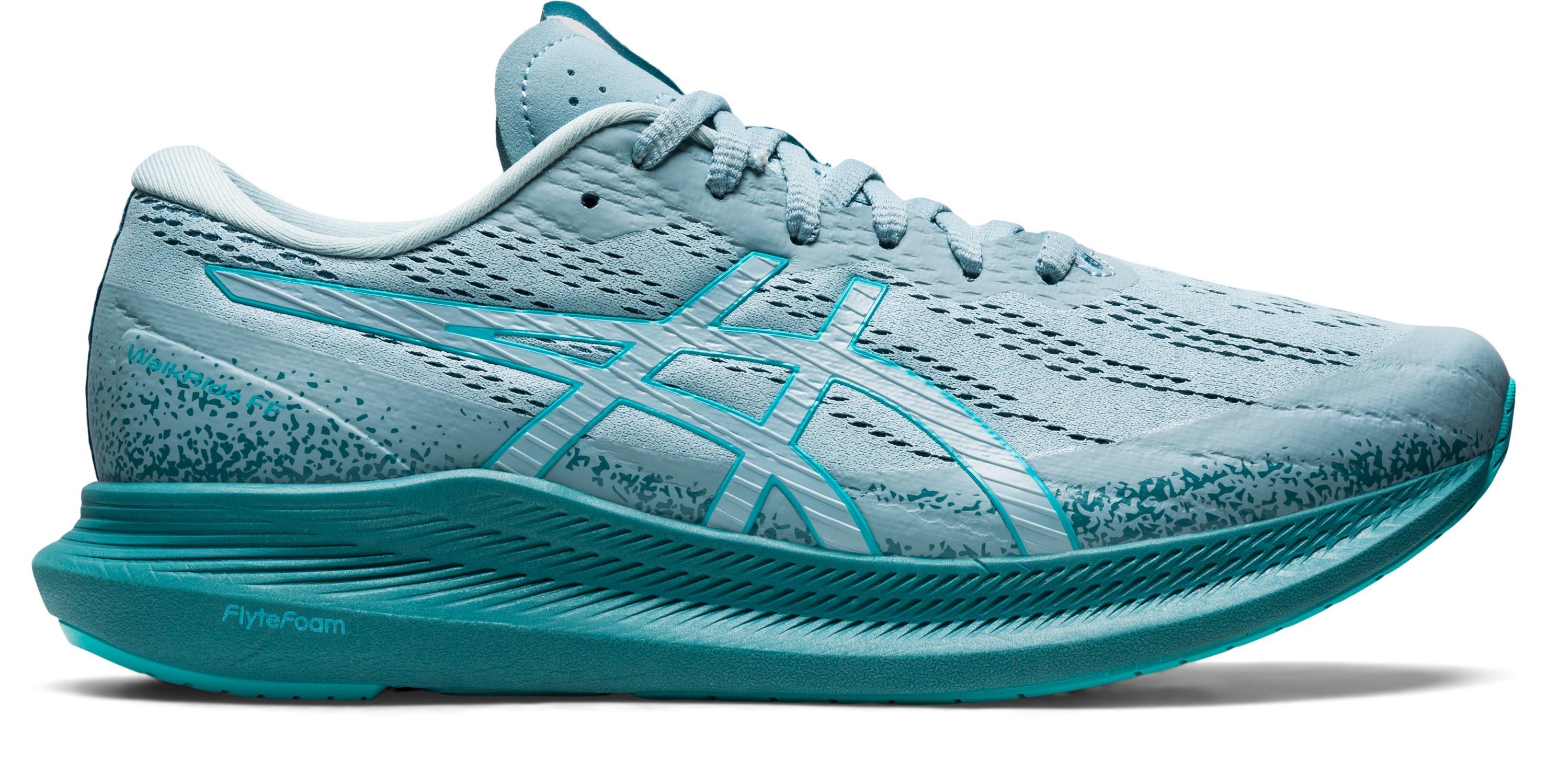
A pervasive myth in footwear is that “softer is better.” While plush, marshmallow-soft cushioning feels luxurious in the store, it often fails to provide the sustained support needed for prolonged walking. Excessive, unstable cushioning can allow the foot to sink and roll unpredictably, undermining the shoe’s stabilizing features. The science of cushioning, as explained in materials engineering contexts, is about energy return and impact attenuation—dissipating force without compromising stability. Leading brands endorsed by podiatrists use advanced foam technologies (like ASICS’ FlyteFoam or Brooks’ DNA LOFT) that are responsive and durable, not just soft. The cushioning is strategically placed—often thicker in the heel for shock absorption and thinner towards the forefoot for a smooth transition. The goal is a balanced ride: enough cushioning to protect joints from repetitive impact, married with a supportive platform that controls movement. This balance is why many top-tier walking shoes carry the APMA Seal of Acceptance, a recognition that they promote good foot health. When evaluating shoes, press on the midsole; it should compress but offer resistance, bouncing back rather than collapsing completely.
From Clinic to Pavement: Integrating Professional Advice into Daily Life
Understanding the technology is one thing; applying it to your life is another. The journey to finding your ideal pair of podiatrist recommended walking shoes should be personalized. If you have specific conditions like diabetes, arthritis, or severe overpronation, a consultation with a podiatrist is irreplaceable. They can provide precise recommendations and may even suggest custom orthotics. For the general population seeking preventative comfort, the process starts with an honest assessment of your gait, arch type, and typical walking environment. Many specialty running stores offer free gait analysis. Once you know your needs, you can explore brands with strong podiatric endorsements, such as Brooks, New Balance, ASICS, HOKA, and Saucony. Remember, the most expensive shoe is not necessarily the best for you; fit is paramount. Always try shoes on in the afternoon when your feet are slightly swollen, wear the socks you intend to walk in, and allow a thumb’s width of space between your longest toe and the end of the shoe. A proper fit ensures all the engineered support features are positioned correctly to do their job.
Investing in your foot health through podiatrist recommended walking shoes is an investment in your overall mobility and quality of life. It’s a decision that prioritizes the long-term well-being of your body’s foundation over fleeting trends or superficial comfort. By choosing footwear grounded in biomechanical science and endorsed by foot care professionals, you empower every step you take, transforming daily walks from a potential source of strain into a sustainable, joyful, and supportive activity. Your feet carry you through life; offering them the precise, scientifically-backed support they deserve is the first step toward a more active and comfortable future.
