

Discover the Best Podiatrist Recommended Walking Shoes for All-Day Comfort and Support
Your feet are your foundation, and the shoes you choose can either be a source of daily relief or a cause of chronic discomfort. For anyone who spends significant time on their feet—whether navigating city streets, exploring nature trails, or managing the demands of a busy workday—the quest for the perfect walking shoe is paramount. This isn’t merely about fashion or fleeting trends; it’s about biomechanical health, injury prevention, and sustainable comfort. The guidance of podiatrists, medical specialists in foot and ankle health, provides a critical, science-backed framework for this search. This article delves into the essential features that define truly supportive footwear, moving beyond marketing claims to explore the anatomical and material innovations that make certain shoes stand out. We will synthesize insights from biomechanical research, professional endorsements, and user experiences to guide you toward informed choices that prioritize your well-being with every step.
The Science of Support: Why Podiatrist Guidance is Non-Negotiable
To understand the value of podiatrist recommended walking shoes, one must first appreciate the complex engineering of the human foot. Each foot contains 26 bones, 33 joints, and over 100 muscles, tendons, and ligaments, all working in concert to provide balance, propulsion, and shock absorption. Podiatrists, like Dr. Jacqueline Sutera, a New York-based doctor of podiatric medicine, often emphasize that improper footwear can disrupt this delicate system, leading to issues far beyond the feet, including knee pain, hip misalignment, and lower back problems. The American Podiatric Medical Association (APMA) grants its Seal of Acceptance to products that promote good foot health, a certification many top shoe brands actively seek. This seal is not given lightly; it requires scientific evaluation. Therefore, a podiatrist recommended walking shoe is not a subjective style choice but a product vetted against clinical standards for stability, cushioning, and fit. It represents an intersection of orthopaedic science and consumer product design, aiming to create an environment where the foot can function as naturally as possible while being protected from the repetitive stress of hard surfaces.

Arch Understanding: The Keystone of Proper Alignment
One of the most critical elements podiatrists assess is arch support. The arch acts as a natural shock absorber, flattening slightly under load and springing back. Shoes that lack adequate arch support allow the foot to overpronate (roll inward excessively) or supinate (roll outward), disrupting the kinetic chain from the ground up. As noted in biomechanics literature from institutions like the University of Calgary’s Human Performance Lab, controlling pronation is key to preventing common overuse injuries. A genuine podiatrist recommended walking shoe will offer structured, firm arch support that matches different arch types—neutral, low, or high. This is not the same as generic, soft cushioning; it is a designed contour that cradles the arch to maintain optimal foot posture. Brands often use technologies like Brooks’ GuideRails or ASICS’ Dynamic DuoMax Support System, which are not just marketing terms but engineered solutions born from gait analysis research. When you try on such a shoe, you should feel a distinct, supportive contact along the inner side of your foot, preventing a feeling of collapse or strain with each step.
Material Matters: Cushioning, Breathability, and Durability
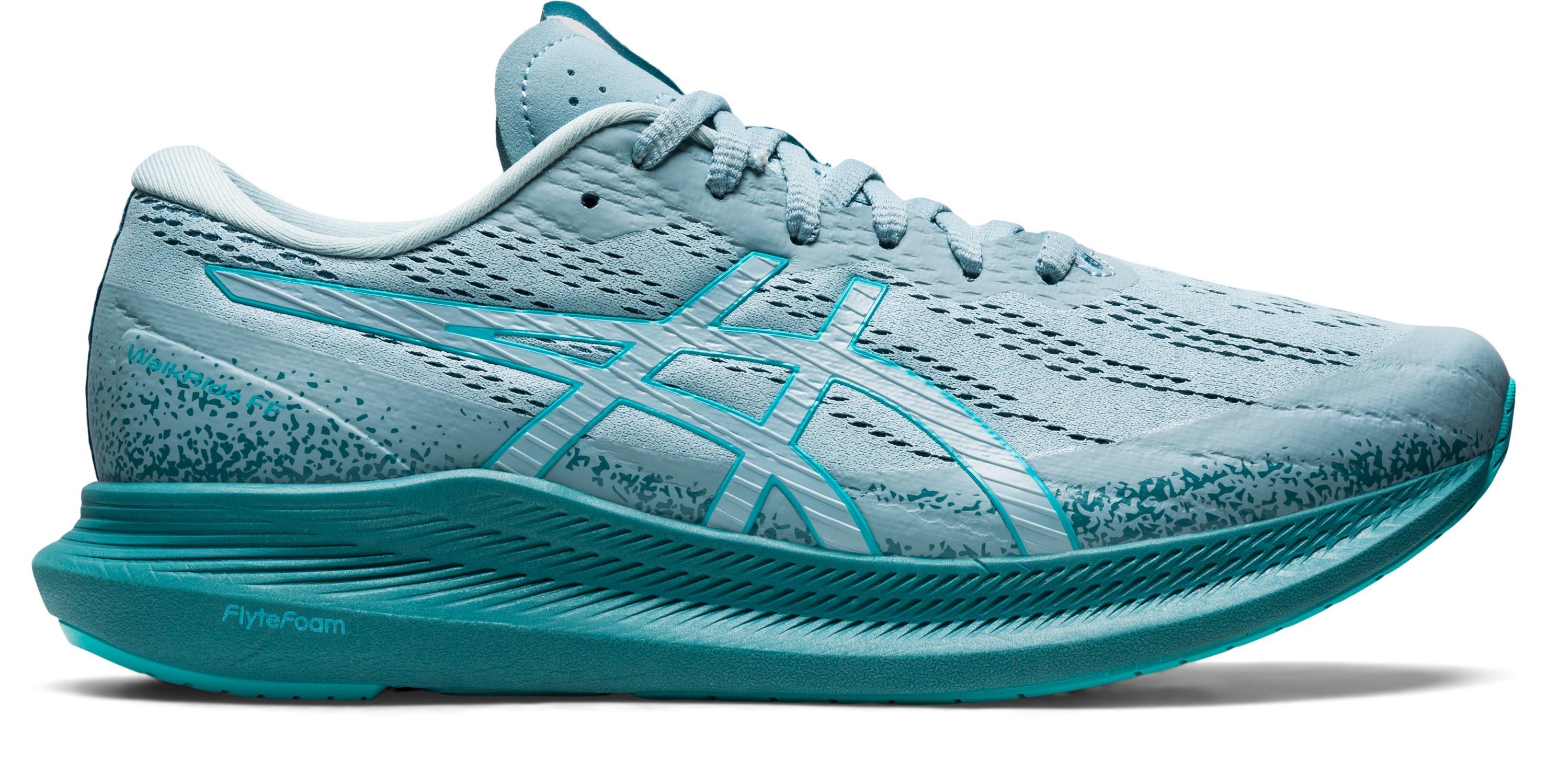
The composition of a shoe’s upper and midsole is where material science meets podiatric medicine. Modern podiatrist recommended walking shoes utilize advanced polymers like ethylene-vinyl acetate (EVA) and polyurethane (PU) for midsoles, each offering different balances of cushioning, resilience, and longevity. For instance, ASICS frequently incorporates its FlyteFoam technology, a lightweight organic compound that provides exceptional bounce-back and durability. The upper must balance structure with breathability; engineered mesh materials allow air circulation to manage moisture and temperature, reducing the risk of fungal infections and blisters—a point frequently highlighted in foot care guides on health platforms like WebMD. Furthermore, the outsole’s rubber compound and tread pattern are crucial for grip and flexibility. A podiatrist-approved shoe will feature a heel counter—the rigid back part of the shoe—that is firm to stabilize the rearfoot, a principle supported by the American Academy of Orthopaedic Surgeons. This holistic material approach ensures the shoe is a durable, functional tool, not just a comfortable slipper.
Beyond the Basics: Features That Define Excellence
While support and cushioning are foundational, several other features elevate a good walking shoe to a great one. These are the details that podiatrists and seasoned wearers alike point to as game-changers for all-day comfort.
Toe Box Geometry and Heel-to-Toe Drop
A roomy, foot-shaped toe box is non-negotiable. The toes should have space to splay naturally upon foot strike, which aids in balance and propulsion. Constrictive toe boxes can lead to deformities like bunions and hammertoes. The “heel-to-toe drop” or offset—the difference in height between the heel and forefoot—is another nuanced specification. A moderate drop (typically 8-12mm) is common in many podiatrist recommended walking shoes as it can ease strain on the Achilles tendon and calf muscles. However, some individuals may benefit from a lower drop, which encourages a more midfoot strike. This aligns with the “natural running” movement popularized by books like Christopher McDougall’s Born to Run, though podiatrists caution that a sudden switch can be injurious without proper adaptation. The key is a shoe that allows a natural gait cycle without forcing extreme adaptation.
Seamless Interiors and Adaptive Fit Systems
Internal seams can create points of friction that lead to painful blisters during long walks. High-quality walking shoes often feature seamless or minimally sewn interiors, sometimes with plush, moisture-wicking linings. Additionally, fit systems like adjustable lacing (such as BOA dials or traditional lace cages) allow for micro-adjustments to accommodate different foot volumes throughout the day, as feet can swell. This attention to the interface between foot and shoe is what transforms a standard product into a personalized piece of supportive equipment. As noted by gear reviewers on sites like Runner’s World, these features are often the difference between a shoe you tolerate and a shoe you forget you’re wearing—the ultimate compliment for any footwear.
Synthesizing Expert Voices: A Consensus on Quality
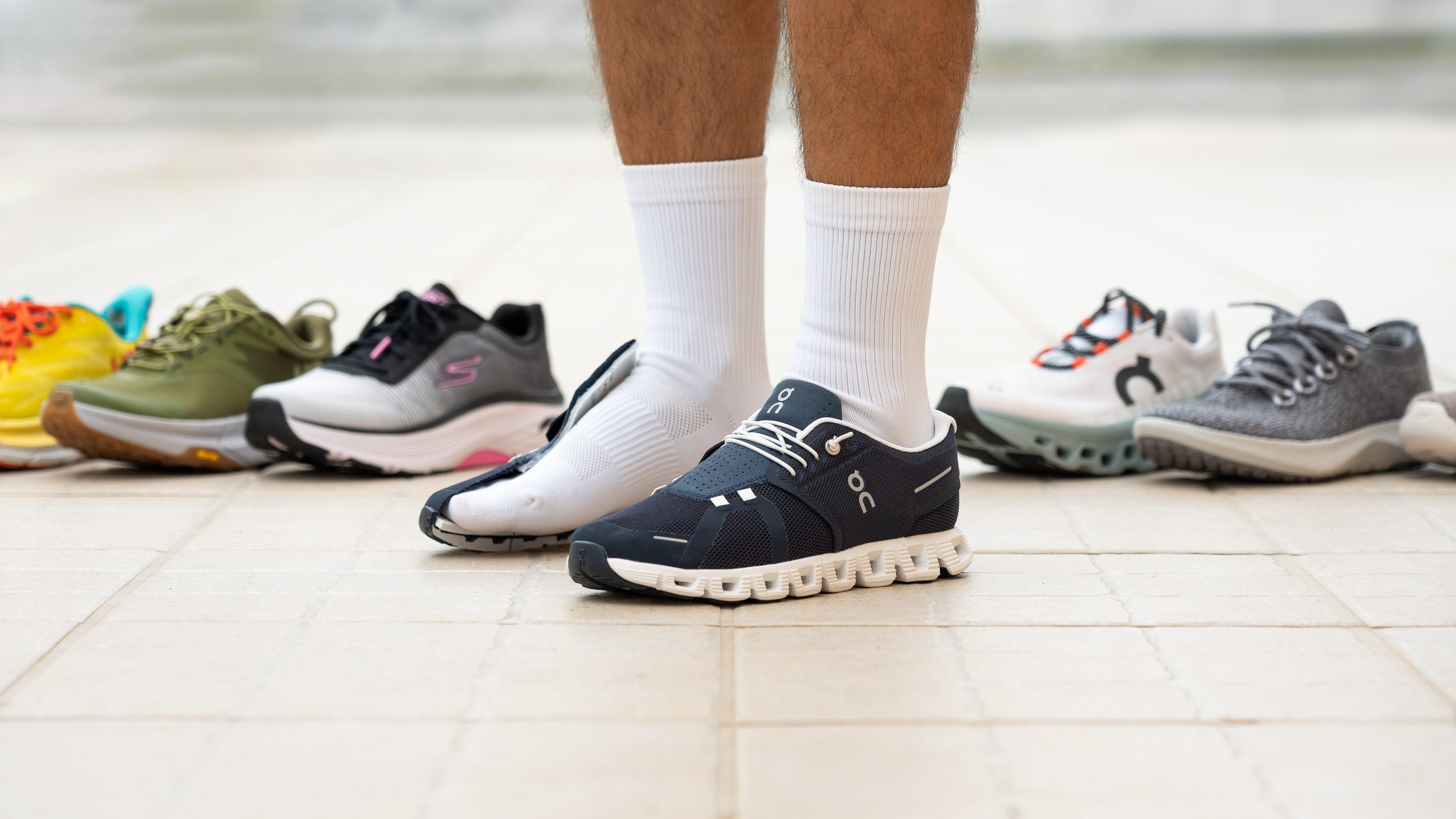
The recommendation for a specific podiatrist recommended walking shoe is rarely based on a single opinion. It emerges from a confluence of professional endorsements, academic research, and mass user experience. For example, the HOKA Bondi series is frequently cited by podiatrists in media outlets like Travel + Leisure for its maximal cushioning, beneficial for those with arthritis or who stand on hard surfaces. Similarly, the New Balance 990 series, with its width sizing and ENCAP midsole technology, has achieved near-iconic status for its blend of stability and durability, a sentiment echoed in countless online forums and Q&A threads. These endorsements carry weight because they are repeatable and cross-referential. When a shoe is consistently praised by medical professionals on YouTube channels dedicated to foot health, featured in university biomechanics studies for its gait-enhancing properties, and maintains top ratings on retail sites from thousands of verified purchasers, it forms a robust, three-pillared argument for its efficacy.
“The right shoe is a preventative medical device. It’s about aligning the skeleton from the ground up to avoid the cascade of compensatory pains that start with a single unstable step.” — Paraphrased from common clinical advice shared by podiatrists in professional seminars and public health advisories.
Investing in Your Foundation: Value Beyond Price
It is a common misconception that the most supportive shoes are invariably the most expensive. While research, development, and high-quality materials command a price, the value proposition of a true podiatrist recommended walking shoe is in its cost-per-wear and, more importantly, its potential to avert costly medical interventions down the line. Consider this: a quality pair may retail between $120 and $160, but if it lasts for 500 miles of walking (a standard benchmark) and prevents even one visit to a physical therapist or podiatrist, it has more than paid for itself. Furthermore, many reputable brands offer previous-season models or colorways at significant discounts on their official websites or authorized retailers. The key is to prioritize the technical features—arch type, cushioning level, fit—over the latest aesthetic. An investment in these shoes is an investment in your mobility, energy levels, and long-term musculoskeletal health. It is the deliberate choice to support the structure that carries you through every single day.
:max_bytes(150000):strip_icc()/tal-10-podiatrist-approved-open-toed-shoes-tout-00bd6ff1c36a49cdbbff486b0b54fb27.jpg)
Your journey toward all-day comfort begins with recognizing that your footwear is a critical piece of health infrastructure. The best podiatrist recommended walking shoes are those that disappear underfoot, not because they are insignificant, but because they perform their duty so flawlessly that they become an extension of your body’s own supportive mechanisms. They are the product of science, refined by professional insight, and validated by the simple, profound test of miles walked without pain. By choosing shoes built on these principles, you are not just buying a product; you are affirming a commitment to moving through your world with greater ease, stability, and vitality.
