

Discover the Best Podiatrist Recommended Walking Shoes for All-Day Comfort
Your feet are your foundation, and the shoes you choose for walking can mean the difference between a day filled with vibrant energy and one hampered by discomfort. For anyone who spends significant time on their feet—whether navigating city streets, exploring nature trails, or managing the demands of a busy workday—the quest for the perfect walking shoe is paramount. This isn’t merely about fashion or fleeting trends; it’s a critical investment in your long-term musculoskeletal health. The guidance of foot care specialists, or podiatrists, cuts through marketing hype to deliver evidence-based criteria for what truly constitutes a supportive, comfortable shoe. By focusing on the principles behind podiatrist recommended walking shoes, we can make informed choices that promote wellness from the ground up, blending professional insight with practical value.
:max_bytes(150000):strip_icc()/I-Asked-Podiatrists-for-Their-Fall-Shoe-Recommendations-These-Are-Their-Top-8-Picks-8fbdf9d65f3a4228ae63f6e5253dc08c.jpg)
The Science of Stride: Why Podiatrist Guidance is Non-Negotiable
Podiatry, as defined by authoritative sources like the American Podiatric Medical Association, is the branch of medicine devoted to the study, diagnosis, and treatment of disorders of the foot, ankle, and lower extremity. A podiatrist’s recommendation extends far beyond a simple brand endorsement; it is rooted in biomechanics, the science of movement. When you walk, your foot undergoes a complex sequence of events known as the gait cycle, which includes heel strike, midstance, and toe-off. Improper footwear can disrupt this cycle, leading to a cascade of issues not just in the feet, but in the ankles, knees, hips, and lower back. Renowned institutions like the Mayo Clinic consistently highlight the connection between footwear and conditions such as plantar fasciitis, bunions, and metatarsalgia. Therefore, a podiatrist recommended walking shoe is engineered to support the natural gait cycle. Key features often include adequate heel counter stability to control rearfoot motion, a firm yet flexible sole that bends at the ball of the foot (not the arch), and sufficient room in the toe box to allow toes to splay naturally without compression. This scientific approach transforms a shoe from a mere covering into a therapeutic device, a concept supported by literature from sports medicine departments at universities worldwide.
Deconstructing Comfort: The Pillars of a Superior Walking Shoe
Comfort in a walking shoe is a multi-faceted construct, not a singular feeling of softness. It is the harmonious integration of cushioning, support, fit, and breathability. Let’s dissect these pillars objectively. First, cushioning: modern midsoles utilize materials like EVA (ethylene-vinyl acetate) foam, polyurethane, or proprietary gels (like ASICS’ GEL technology) to attenuate shock. However, as noted by biomechanics experts on platforms like Quora and in peer-reviewed journals, excessive, overly soft cushioning can be detrimental, destabilizing the foot and causing muscular fatigue. The ideal is responsive cushioning that returns energy. Second, arch support: this is not one-size-fits-all. The human foot has varying arch types—neutral, low (flat), or high. A proper podiatrist recommended walking shoe will often come in versions tailored to these types or feature a removable insole that allows for customization with orthotics. Dr. Jacqueline Sutera, a prominent New York City podiatrist, frequently emphasizes in media interviews that “support” means holding the arch in its optimal anatomical position to prevent overpronation or supination. Third, fit: your feet swell throughout the day and are typically largest in the afternoon. A proper fit accounts for this, ensuring about a thumb’s width of space between your longest toe and the end of the shoe. Finally, breathability: materials like mesh uppers prevent moisture buildup, reducing the risk of fungal infections and blisters, a point consistently made in health advisories from sources like WebMD.

Beyond the Brand: Critical Features You Must Evaluate
When you’re evaluating potential walking shoes, look past the logo and focus on these tangible, podiatrist-approved features. The heel counter—the rigid material that cups your heel—should be firm and non-collapsible when you squeeze it; this stabilizes your every step. The toe box must be both tall and wide enough to prevent rubbing and allow natural toe movement; cramped toes can lead to neuromas and hammertoes. Examine the shoe’s flexibility: it should bend easily at the forefoot but resist twisting through the midfoot, protecting the arch’s integrity. The outsole’s tread pattern is crucial for traction, especially on varied surfaces, to prevent slips and falls. Weight is another factor; a lighter shoe reduces the energy cost of walking, a principle well-documented in exercise physiology. Furthermore, consider the shoe’s “drop” or offset—the height difference between heel and forefoot. A lower drop can encourage a more natural foot strike, but transitioning should be gradual, as highlighted by running and walking coaches on platforms like YouTube. By methodically checking these features, you align your selection process with the criteria used by professionals to identify true podiatrist recommended walking shoes. This empowers you to make a choice based on engineering, not just aesthetics.
Where Expertise Meets Value: Finding Quality at Accessible Prices
Investing in your foot health does not necessitate an exorbitant financial outlay. The core principles of good footwear can be found across a spectrum of price points. The key is knowing where to look and when to shop. Many reputable brands that consistently earn podiatrist accolades—such as New Balance, Brooks, ASICS, and Saucony—offer previous-season models at significant discounts when new lines are released. These models often retain the fundamental biomechanical technologies that made them effective. Outlet stores, official brand websites’ sale sections, and reputable online retailers frequently host these deals. Additionally, consider specialty running stores; while focused on running, their staff are typically trained in gait analysis and carry walking-specific models that provide the necessary support. They may also have sales or loyalty programs. Remember, the most expensive shoe is not automatically the best for your feet; a moderately priced model that perfectly matches your foot type and gait is infinitely more valuable than a costly, ill-fitting one. The goal is to secure the professional benefits of a podiatrist recommended walking shoe while exercising smart consumer judgment. As the adage goes, “Don’t skimp on what goes between you and the ground.” This wisdom, applicable to shoes, is echoed by figures from orthopedic surgeons to ergonomic experts, underscoring that value lies in long-term health preservation, not just initial cost.
:max_bytes(150000):strip_icc()/tal-roundup-podiatrist-loved-shoes-on-sale-tout-bdbf5721fa5642efa38b61f6a5b4ff34.jpg)
A Step in the Right Direction: Integrating Knowledge into Your Routine
Acquiring the right shoes is only the first step; integrating them thoughtfully into your life maximizes their benefit. Start by wearing your new podiatrist recommended walking shoes for shorter periods initially, allowing your feet and body to adapt to their support structure. Pair them with moisture-wicking socks to enhance comfort and hygiene. Be mindful of the shoe’s lifespan; even the best construction breaks down. Most experts, including statements from the American Academy of Podiatric Sports Medicine, recommend replacing walking shoes every 300 to 500 miles. Worn-out cushioning and compromised support can silently reintroduce strain. Furthermore, view your shoes as part of a holistic approach to foot health. Simple practices like post-walk stretching, foot rolling with a lacrosse ball, and maintaining a healthy weight all synergize with good footwear to keep you moving pain-free. The perspective here is one of proactive care: you are the primary steward of your mobility. By applying the knowledge of what makes a shoe truly supportive, you take direct, informed action to safeguard your foundation. This isn’t about following a fleeting trend; it’s about embracing a fundamental component of self-care, supported by the collective voice of podiatric science and practical wisdom.
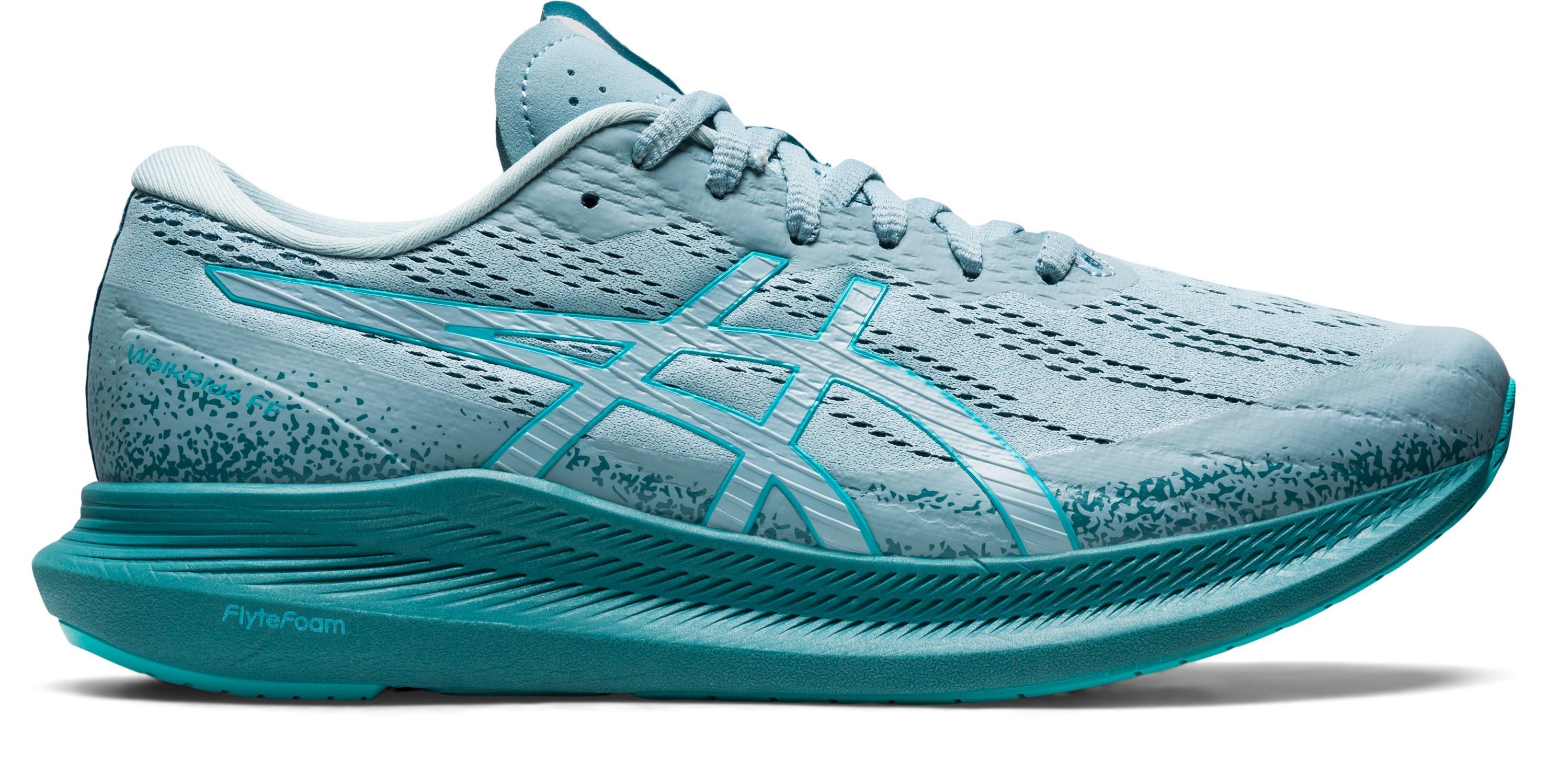
Your journey toward all-day comfort begins with a single, well-informed step. The path is clear: prioritize the biomechanical principles endorsed by foot health specialists. Let the objective criteria of cushioning, support, fit, and durability guide you, not marketing claims. Seek out the technologies and designs that have earned the trust of podiatrists, and leverage sales cycles and knowledgeable retailers to find exceptional value. When you lace up a pair of shoes built on this foundation, you’re not just putting on footwear; you’re equipping yourself with a tool for sustained vitality. You are choosing to walk through your days with confidence, free from the nagging distractions of foot pain, and investing in the long-term health of your entire kinetic chain. That is the profound, practical power of choosing the right podiatrist recommended walking shoes.
