

Discover the Best Podiatrist Recommended Walking Shoes for All-Day Comfort
Your feet are your foundation, and the shoes you choose for walking can mean the difference between a day filled with vibrant energy and one hampered by discomfort. The quest for the perfect walking shoe is not merely about style or trend; it is a critical investment in your long-term musculoskeletal health and daily well-being. This guide cuts through the marketing noise to focus on what truly matters: the objective, science-backed criteria that define podiatrist recommended walking shoes. We will explore the anatomical principles behind these recommendations, examine features proven to enhance comfort and prevent injury, and provide actionable insights to help you make an informed choice. Forget vague promises of “cushiony feel”; we’re delving into the specifics of arch support, motion control, and materials that work in harmony with human biomechanics.
The Science of Stride: Why Podiatrist Endorsement Matters
Podiatry, the branch of medicine devoted to the study, diagnosis, and treatment of disorders of the foot, ankle, and lower extremity, provides the authoritative framework for evaluating footwear. A podiatrist’s recommendation is rooted in preventing and managing conditions like plantar fasciitis, metatarsalgia, bunions, and tendonitis. The human foot is a complex structure of 26 bones, 33 joints, and over 100 muscles, tendons, and ligaments. As noted in resources from institutions like the American Podiatric Medical Association (APMA), improper footwear can disrupt the delicate biomechanical chain, leading to problems not only in the feet but also in the knees, hips, and lower back. Therefore, podiatrist recommended walking shoes are engineered to respect this complexity. They are designed to offer stability, distribute pressure evenly, and provide appropriate cushioning that attenuates shock without compromising the foot’s natural gait cycle. This isn’t anecdotal advice; it’s applied orthopedics. For instance, the principle of “motion control” in shoes, often cited in podiatric literature, is specifically for overpronators—individuals whose feet roll inward excessively. A shoe with a firm medial post can correct this alignment, a feature you’ll consistently find in professionally endorsed models.
:max_bytes(150000):strip_icc()/favorite-walking-shoes-round-up-november-2024-458c3fc0c6844adca7c0a34ebc5cfb9b.jpg)
Deconstructing the Ideal Walking Shoe: Five Non-Negotiable Features
When analyzing any walking shoe, these five elements form the cornerstone of a podiatric assessment. Ignoring any one of them can undermine the shoe’s overall benefit.
1. Arch Support and Contoured Footbeds
The arch of your foot acts as a natural shock absorber. A flat or unsupported arch collapses under body weight, straining the plantar fascia ligament—a primary cause of heel pain. Podiatrist recommended walking shoes never have flat, flimsy insoles. Instead, they feature contoured footbeds or removable orthotic-friendly spaces that cater to different arch types (neutral, low, or high). Brands like ASICS and Brooks often incorporate technologies like GUIDANCE LINE® or BioMoGo DNA cushioning that adapt to your stride while maintaining arch integrity. The goal is to maintain the foot’s neutral position from heel strike to toe-off. As Dr. Jacqueline Sutera, a New York City-based podiatrist, has stated in various media interviews, “A good shoe should feel supportive immediately; you shouldn’t have to ‘break it in.'” This immediate comfort is a direct result of proper arch alignment, preventing the micro-tears and inflammation that lead to chronic conditions.
2. Heel Counter and Overall Stability
The heel counter is the firm cup at the back of the shoe that cradles your heel. Its rigidity is paramount for stability. A sturdy heel counter prevents excessive heel movement, which can cause blisters, Achilles tendonitis, and instability that travels up the kinetic chain. You can test this by trying to squeeze the back of the shoe; it should resist collapse. This feature works in tandem with a wider heel base, which provides a stable platform for heel strike. Think of it as the foundation of a building—if it’s wobbly, the entire structure is compromised. This engineering principle is why many therapeutic and podiatrist recommended walking shoes prioritize a robust heel counter over ultra-flexible, minimalist designs, which can be detrimental for those with existing biomechanical issues.
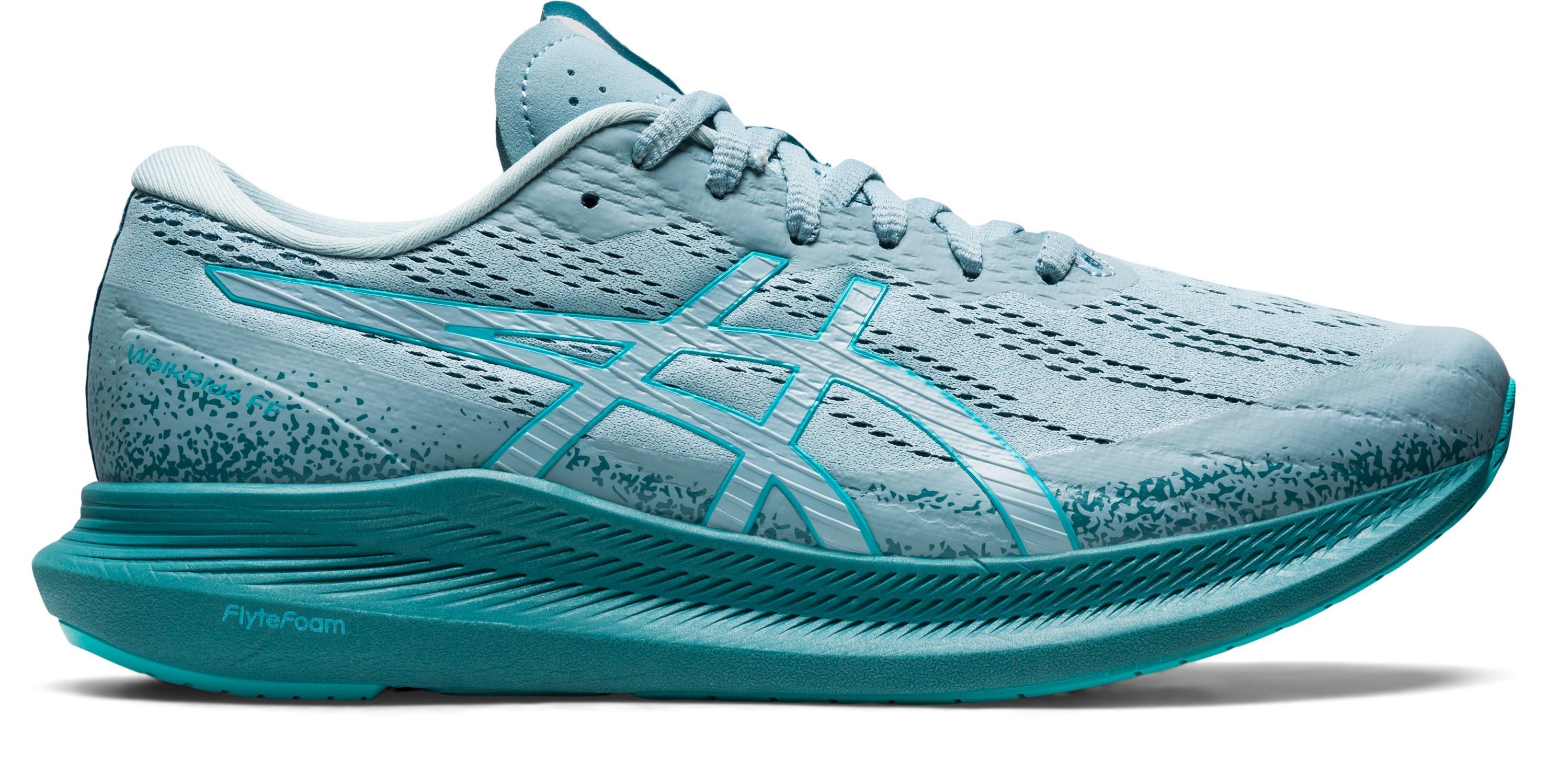
3. Toe Box Geometry and Flexibility
The front of the shoe, the toe box, must allow natural toe splay and movement. A cramped, pointed, or shallow toe box can lead to neuromas (pinched nerves), hammertoes, and aggravated bunions. The ideal toe box is rounded or foot-shaped, providing ample horizontal and vertical space. Furthermore, the shoe should flex easily at the ball of the foot—where your foot naturally bends—but not in the arch. This targeted flexibility reduces the work your foot muscles must do to propel you forward, enhancing efficiency and reducing fatigue. This concept is frequently highlighted in running and walking biomechanics studies from universities like the University of Calgary’s Human Performance Lab, which analyze gait patterns to inform footwear design.
4. Cushioning vs. Support: Striking the Balance
A common misconception is that more cushioning equals more comfort. While cushioning is vital for shock absorption, especially on hard surfaces, it must be balanced with support. Excessively soft, marshmallow-like midsoles can cause the foot to sink and wobble, destabilizing the ankle and arch. The cushioning in a quality podiatrist recommended walking shoe is responsive and resilient—it compresses to absorb impact but quickly springs back to provide a stable platform. Materials like EVA (ethylene-vinyl acetate), polyurethane, and proprietary gels or foams (like Nike’s React or Adidas’s Boost) are engineered for this dual purpose. The cushioning should be denser in the medial (inner) side for those needing motion control, a detail that separates professional-grade shoes from generic ones.
:max_bytes(150000):strip_icc()/shp-best-brooks-walking-shoes-tout-f67df3ab5afa4c08a24a63ae6dca3444.jpg)
5. Breathable and Adaptive Materials
A shoe’s upper must be constructed from materials that manage moisture and adapt to the foot’s shape. Breathable mesh is standard in high-quality walking shoes, as it prevents heat buildup and reduces the risk of fungal infections. Additionally, materials should have some give—not just stretch out permanently—to accommodate natural foot swelling that occurs throughout the day and during longer walks. This adaptive quality ensures consistent comfort and fit without creating pressure points. As highlighted on expert review sites like Runner’s World and Wirecutter, the best uppers integrate seamless constructions or strategic overlays that provide structure without causing friction, a key consideration for preventing blisters.
From Prescription to Purchase: Navigating the Market
Armed with this knowledge, you can critically evaluate any shoe. Look for models that carry the APMA Seal of Acceptance, a clear indicator of podiatric approval. Renowned brands like New Balance, Saucony, HOKA, and certain models from ASICS and Brooks consistently produce shoes that meet these rigorous standards. For instance, the New Balance 928 or the HOKA Bondi series are often cited in podiatric forums for their exceptional stability and cushioning. Remember, the most expensive shoe isn’t necessarily the best for you; the correct shoe is the one that addresses your specific gait and foot morphology. It is highly advisable to have your gait analyzed at a specialty running or walking store, or even by a podiatrist, to identify if you are a neutral walker, overpronator, or supinator. This single step transforms your purchase from a guessing game into a targeted intervention for your foot health.

Investing in Your Foundation: The Long-Term Value
Choosing true podiatrist recommended walking shoes is a proactive investment. The immediate cost is offset by the prevention of costly medical bills, orthotics, and pain management therapies down the line. Consider this: a quality pair of walking shoes designed for 300-500 miles of use provides not just comfort, but active protection for every step. To bring this professional knowledge to you with tangible value, we’ve curated selections that often feature on expert lists and are available through retailers offering seasonal discounts, outlet pricing, and bundle deals. The comfort and health benefits of a properly supported stride are priceless, but accessing the right tools shouldn’t require a premium. By prioritizing the scientific principles outlined here, you empower yourself to select footwear that doesn’t just carry you through the day, but actively enhances your mobility and vitality for years to come. Your journey toward all-day comfort begins with a single, well-supported step.
