

The Ultimate Guide to Womens Sneakers for 2023
This year, the landscape of women’s sneakers 2023 is not just about stepping forward; it’s about stepping into a fusion of technology, personal expression, and conscious consumption. The conversation has shifted from mere aesthetics to a holistic dialogue encompassing biomechanics, sustainable ethics, and digital-native style. We are witnessing a pivotal moment where the shoe is no longer an accessory but a statement of intent, a tool for wellness, and a canvas for identity. The following guide dissects this evolution, moving beyond seasonal trends to understand the foundational shifts defining your next perfect pair.
The Biomechanics of Comfort: Engineering the Modern Stride
For decades, the quest for the perfect sneaker was dominated by marketing claims. Today, it is grounded in biomechanics—the study of the structure and function of biological systems through mechanics. A 2023 sneaker is fundamentally an engineered interface between your body and the ground. Leading podiatrists and sports scientists, like those from the University of Virginia’s SPEED Clinic, emphasize that improper footwear can alter gait cycles, leading to chain reactions of stress on ankles, knees, and hips. The core innovation in women’s sneakers 2023 addresses this through precision cushioning. Technologies such as adaptive foams (like Adidas’s Boost or Nike’s ZoomX) aren’t just soft; they are designed with specific energy return profiles. As Dr. Casey Kerrigan, a former Harvard Medical School professor and founder of OESH shoes, stated in a peer-reviewed article, “The goal is to minimize the metabolic cost of walking while maximizing stability.” This means the midsole is often zoned—softer at the heel for impact dissipation and firmer at the forefoot for propulsion. Furthermore, the geometry of the sole, known as the rocker profile, is meticulously curved to promote a natural rolling motion from heel-strike to toe-off, reducing strain on the calf and Achilles tendon. When you try on a pair, you’re not just assessing fit; you’re evaluating a complex system designed to work in harmony with your unique musculoskeletal architecture.
Material Revolution: From Petrochemicals to Post-Consumer Waste
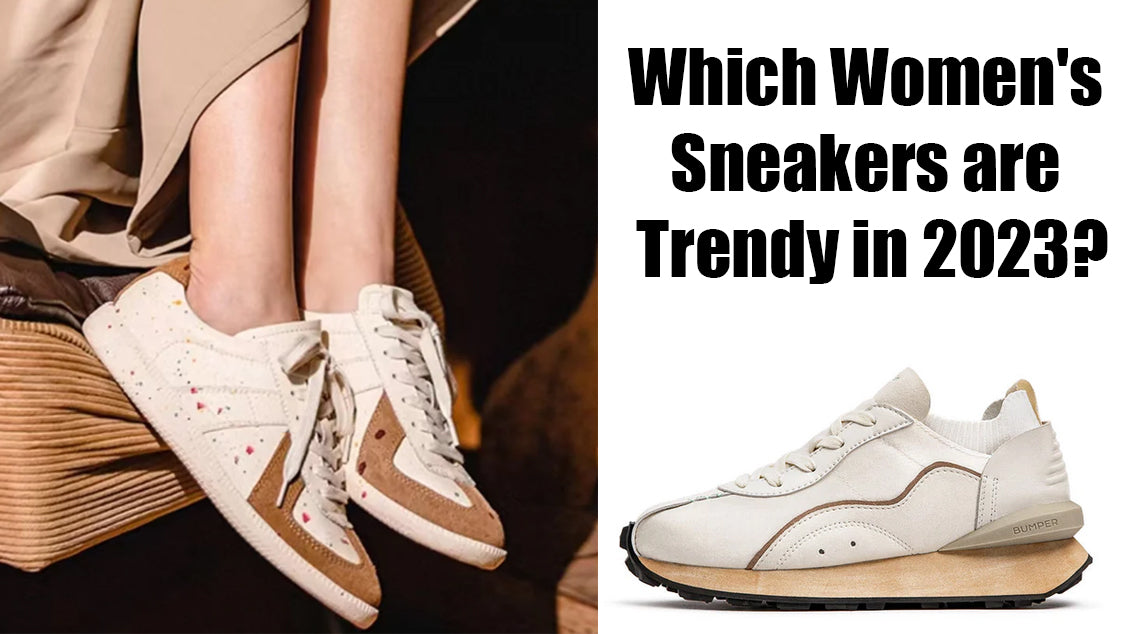
The very fabric of our sneakers is undergoing a radical transformation. The environmental toll of traditional sneaker manufacturing, heavily reliant on virgin plastics and rubber, is well-documented. In response, 2023 is the year sustainable materials move from niche to norm. Brands are leveraging scientific advancements to create high-performance alternatives. For instance, Allbirds popularized merino wool and sugarcane-based SweetFoam™, while Veja has built its entire brand on organic cotton, wild rubber from the Amazon, and recycled plastic bottles for its B-Mesh. The authoritative voice of the Material Innovation Initiative, a non-profit accelerating the development of next-gen materials, highlights lab-grown alternatives like mycelium leather (from mushroom roots) and pineapple leaf fiber (Piñatex) as frontrunners. These aren’t just eco-friendly tokens; they offer tangible benefits. Bio-based materials often provide superior breathability and natural odor resistance compared to synthetic leathers. The shift is also economic: as production scales, prices become more accessible. A report from Business of Fashion cited that over 60% of major sportswear brands have now publicized concrete targets for incorporating recycled materials. When you choose a sneaker made with recycled ocean plastic or plant-based dyes, you’re participating in a circular economy—a system aimed at eliminating waste and continually reusing resources, a concept rigorously defined and promoted by institutions like the Ellen MacArthur Foundation.

The Aesthetic Dialectic: Minimalism Versus Maximalism
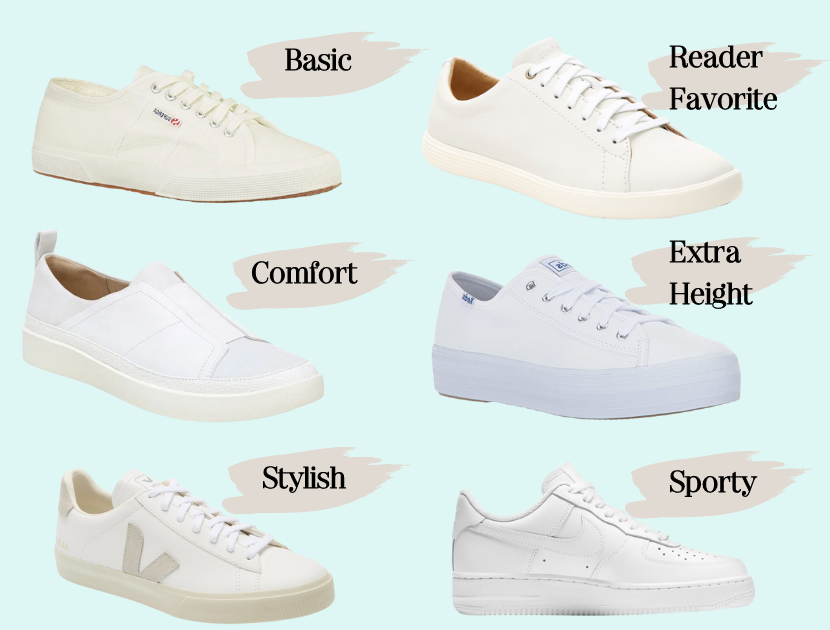
Fashion oscillates between poles, and 2023’s sneaker scene is a vibrant battlefield between clean lines and exuberant expression. On one side, the “quiet luxury” trend, championed by influencers and brands like Axel Arigato and Common Projects, advocates for pristine white leather, monochromatic tones, and obscured logos. This philosophy, echoing the minimalist architecture of Ludwig Mies van der Rohe’s “less is more,” posits that true style is understated and inherent in quality and form. The iconic white sneaker becomes a blank slate, a versatile tool that speaks through its silhouette and craftsmanship. Conversely, maximalism is roaring back, fueled by digital culture and nostalgia. Think of the resurgence of chunky “dad shoes” à la Balenciaga Triple S, or the vibrant collaborations between brands like Nike and artists such as Tom Sachs or designers like Sacai. This trend aligns with cultural theorist Camille Paglia’s celebration of “excess and artifice” in art. It’s a rejection of subtlety, embracing instead bold color-blocking, deconstructed layers, and hybrid forms. This dialectic isn’t about one trend winning; it’s about personal context. The minimalist sneaker might be your canvas for a power suit, projecting curated control. The maximalist pair is your statement piece with simple jeans, a declaration of creative confidence. The key for 2023 is intentionality: understanding which aesthetic language serves your narrative.
Context is King: The Right Sneaker for the Right Moment
The versatility of sneakers is their superpower, but versatility without direction leads to sartorial chaos. The modern woman’s wardrobe demands specialization. Let’s segment this. For the High-Output Urban Commuter, the need is for all-day support and weather resistance. Brands like On Running, with their CloudTec® cushioning and waterproof fabrics, or Salomon’s fashion-forward XT-6, designed from trail-running pedigree, offer tech-ready solutions. The Creative Professional in a smart-casual workspace might lean into the “elevated basics” category—think leather sneakers from Koio or Greats with premium hides and sleek lasts that pair effortlessly with tailored trousers. Then there’s the Fitness Enthusiast, for whom the shoe is specialized equipment. The discourse here is dominated by data. Runners analyze stack height, drop, and plate technology (as seen in the Nike Alphafly, a shoe that sparked marathon record debates), while gym-goers prioritize flat, stable soles for weightlifting, like those from Nobull. As celebrity trainer Harley Pasternak often emphasizes on his YouTube channel, “The wrong shoe can compromise your form and your results.” Finally, the Weekend Explorer seeks a blend of comfort and style for casual adventures, perhaps embodied by the timeless New Balance 990 series or the eco-conscious designs of Veja. The point is, the quest for the perfect women’s sneakers 2023 begins with an audit of your life’s modes, not just your closet.
Investment Versus Expenditure: Decoding Value in a Saturated Market
With prices ranging from $50 to over $500, understanding value is critical. An expenditure is a cost; an investment pays returns in durability, performance, and cost-per-wear. A study from the University of Cambridge’s Institute for Manufacturing on product lifecycles suggests that well-constructed goods, using higher-grade materials and superior assembly techniques, often have a significantly lower environmental and financial cost over time. A $200 sneaker with a full-grain leather upper, stitched (not glued) construction, and a replaceable insole might outlast four pairs of $80 fast-fashion alternatives. Look for signs of quality: padded heel collars, reinforced eyelets, and rubber toe caps. Furthermore, the resale market, particularly for limited-edition collaborations on platforms like StockX, demonstrates that certain sneakers can retain or even appreciate in value, treating them as tangible assets. However, investment doesn’t always mean luxury. Brands like Cariuma and Tropicfeel offer direct-to-consumer models that bypass traditional retail markups, providing strong materials and ethical production at a mid-tier price point. The professional insight here is to budget for your primary use case. Invest heavily in the category you wear most—be it running shoes or workhorse white sneakers—and be more tactical with trend-driven pieces.
The Digital Footprint: How Social Media and the Metaverse Are Reshaping Design
The influence of digital realms on physical products is no longer speculative; it’s foundational. Sneaker design in 2023 is acutely aware of its life on screen. Instagram and TikTok favor certain aesthetics: clean, contrasting colors pop better, unique textures gain attention, and “unboxing” moments are designed for virality. This has accelerated the trend toward bold, instantly recognizable silhouettes. More profoundly, the rise of digital fashion and NFTs (Non-Fungible Tokens) is creating a parallel universe for sneaker culture. Brands like RTFKT (acquired by Nike) sell virtual sneakers for digital avatars at prices rivaling physical ones. This isn’t just a gimmick; as digital identity becomes more layered, what your avatar wears in a virtual meeting or game carries social capital. This blurs the line between physical and digital ownership, creating a new product category. As tech influencer MKBHD (Marques Brownlee) noted on Twitter, “The next generation of consumers will value digital-physical hybrid products as the standard.” For you, the consumer, this means the definition of a sneaker is expanding. It might be a physical pair that comes with a verifiable digital twin (an NFT), offering exclusive access to online communities or future drops. The very concept of ownership and display is evolving, making the women’s sneakers 2023 market a fascinating intersection of tangible craft and digital innovation.
A Curated Selection: Where to Direct Your Search
Navigating this complex landscape requires a map. For the biomechanically minded, explore brands like HOKA (beloved by nurses and runners for maximal cushioning) or Altra (with its FootShape™ toe box). For sustainable pioneers, look to Allbirds, Veja, Thousand Fell (which offers a recycling program), or the Adidas x Parley line. The minimalist seeking luxury should review Koio, Common Projects, or Axel Arigato. Maximalists and collaboration hunters must monitor the SNKRS app, SSENSE, and END. Clothing. For technical performance, the expertise at dedicated running stores or sites like Runner’s World is invaluable. Remember, the best practice is to try on in the afternoon when feet are naturally slightly swollen, wear the socks you intend to pair them with, and walk on a hard surface. The perfect pair should feel secure and supportive from the first step, with no “break-in” period required—a myth often debunked by footwear experts.

The journey through the world of women’s sneakers 2023 reveals a product category that has matured into a complex symbol of our times. It intertwines hard science with soft aesthetics, environmental responsibility with digital futures, and personal health with public identity. Your choice is no longer just about what looks good; it’s a multifaceted decision that speaks to how you move through the world, literally and figuratively. The ultimate guide, therefore, is not a list of trends, but a framework for understanding—empowering you to select the footwear that truly supports every step of your journey.
