

Discover the Perfect Pair: Podiatrist Recommended Walking Shoes for All-Day Comfort
Imagine a day where your feet, after hours of movement, feel as light and supported as they did when you first stepped out the door. This isn’t a distant fantasy but a tangible reality, hinging on a single, critical choice: the shoes you wear. The quest for all-day comfort is not merely about cushioning; it’s a biomechanical pursuit, a dialogue between your body’s architecture and the ground beneath you. This dialogue is best facilitated by podiatrist recommended walking shoes—footwear specifically vetted by medical professionals who understand the intricate symphony of bones, muscles, and ligaments in the human foot. This article is your guide to understanding why these recommendations are non-negotiable for long-term well-being, how they transform your daily experience, and where you can find them without compromising your budget. We will move beyond marketing claims into the realm of objective, scientific reasoning, drawing from a tapestry of authoritative sources to build an irrefutable case for informed footwear selection.
The Foundation: Why Podiatrist Endorsement Matters
The term “podiatrist recommended” carries a weight far beyond a simple sticker on a box. A podiatrist, or Doctor of Podiatric Medicine (DPM), is a specialist dedicated to the diagnosis, treatment, and prevention of foot and ankle disorders. Their recommendation is rooted in a deep understanding of podiatric biomechanics—the study of the forces acting on the foot and the effects these forces produce. When a podiatrist recommends a shoe, they are evaluating it against a rigorous set of criteria that align with foot health principles. According to resources like the American Podiatric Medical Association (APMA), key factors include adequate heel counter stiffness for rearfoot stability, a firm yet flexible sole that promotes natural gait cycle, sufficient toe box volume to prevent digital deformities like bunions, and appropriate arch support tailored to different foot types (pes planus, pes cavus, etc.). This is not about fleeting trends; it’s about applying clinical knowledge to prevent pathologies such as plantar fasciitis, metatarsalgia, and Achilles tendinopathy. Literature from authoritative institutions like the Harvard Medical School publications often underscores that improper footwear is a primary modifiable risk factor for chronic foot pain. Therefore, choosing podiatrist recommended walking shoes is a proactive investment in your musculoskeletal health, acting as a primary interface between your body and the physical demands of daily life.
:max_bytes(150000):strip_icc()/I-Asked-Podiatrists-for-Their-Fall-Shoe-Recommendations-These-Are-Their-Top-8-Picks-8fbdf9d65f3a4228ae63f6e5253dc08c.jpg)
Deconstructing Comfort: The Science of All-Day Support
What does “all-day comfort” truly mean from a scientific perspective? It is the absence of pain and fatigue resulting from optimal load distribution and gait efficiency. A common misconception, often perpetuated by casual shoe reviews, is that comfort equates to softness. In reality, excessive softness, particularly in midsole materials, can lead to instability and increased muscular fatigue as the foot works harder to stabilize itself with each step. A podiatrist recommended walking shoe strategically balances cushioning and stability. The midsole, often made from engineered polymers like EVA (ethylene-vinyl acetate) or polyurethane, is designed to attenuate shock—a concept well-documented in sports science literature. The rocker sole design, a feature in many therapeutic shoes, is clinically proven to reduce pressure on the forefoot and facilitate a smoother roll-through during the gait cycle. Furthermore, the importance of the heel-to-toe drop (or offset) is a frequent topic on platforms like Quora and in runner’s forums, with podiatrists noting that a moderate drop (typically 6-12mm) can help reduce strain on the Achilles tendon and calf muscles for many individuals. This nuanced engineering ensures that the shoe works with your physiology. As noted by Dr. Jacqueline Sutera, a prominent New York City podiatrist, in various media interviews, “A good shoe should feel supportive immediately; you shouldn’t have to ‘break it in.'” This immediate “glove-like” fit is a hallmark of a well-designed, podiatrist-vetted product.
Beyond the Hype: Evidence from Authority and Experience
The credibility of podiatrist recommended walking shoes is bolstered by converging evidence from multiple authoritative streams. Firstly, the APMA’s Seal of Acceptance/Acknowledgement is a recognized benchmark. To earn it, shoe companies must submit their products for review by a committee of podiatrists who evaluate them against pre-set standards of foot health. This seal is a tangible, objective filter in a crowded market. Secondly, insights from well-known figures in adjacent fields add weight. For instance, renowned author and journalist Malcolm Gladwell, in his exploration of expertise in Blink, touches on the idea that true experts (like podiatrists) can make rapid, superior judgments in their domain—judgments we should trust over our own untrained instincts. Thirdly, platforms like YouTube host certified podiatrists like Dr. Brad Schaeffer or the “Foot Doctor” channel, who perform detailed shoe dissections, explaining the biomechanical rationale behind every seam and sole pattern. Their analyses, grounded in clinical practice, demystify marketing language. Even cultural references, such as the meticulous care given to footwear in military training depicted in films, underscore the foundational role of proper shoes in performance and endurance. These diverse sources—from clinical seals to expert testimonials—create a compelling, multi-faceted argument that transcends subjective opinion.

Your Personal Blueprint: Matching Shoes to Your Foot’s Narrative
Understanding that you need a podiatrist-approved shoe is only the first step. The second, and equally critical, step is matching the shoe to your unique foot morphology and gait pattern. This is where you become an active participant in the process. Begin by identifying your arch type through the classic “wet test” or, better yet, through a gait analysis offered at many specialty running or podiatry clinics. A neutral arch typically pairs well with stability shoes that offer moderate support. A low arch (flat foot) often requires motion control or high-stability shoes to counteract overpronation—the excessive inward rolling of the foot. A high arch usually needs neutral-cushioned shoes with significant shock absorption, as these feet are often rigid and underpronate. Furthermore, consider your daily terrain and volume. Are you primarily on hard concrete, or do you traverse mixed paths? The outsole rubber compound and lug pattern will differ. The width is paramount; many foot ailments arise from wearing shoes that are too narrow. Brands that offer multiple width options (like Narrow, Wide, Extra Wide) are frequently highlighted in podiatrist recommended walking shoes lists for this very reason. Remember the words of the ancient Greek philosopher Socrates, who reportedly said, “When our feet hurt, we hurt all over.” This ancient wisdom finds its modern application in personalized footwear selection, a non-negotiable aspect of holistic self-care.
The Material World: How Technology Translates to Comfort
The evolution of shoe materials is a direct contributor to the advanced comfort found in today’s top-tier walking shoes. Let’s delve into the specifics. The upper, once predominantly leather, now often utilizes engineered mesh. This material provides exceptional breathability, reducing moisture and heat buildup—a key factor in preventing blisters and fungal infections. More importantly, modern mesh can be woven in zones to provide strategic stretch and support where needed. The insole or sock liner is no longer just a piece of foam; it is often a removable orthotic device made from memory foam, polyurethane, or antimicrobial materials. Some are even designed with a “heel cup” to cradle the calcaneus and disperse impact forces. The midsole is the heart of the shoe’s cushioning system. Technologies like Adidas’s Boost, Brooks’s DNA LOFT, or ASICS’s GEL are not just marketing terms; they are specific formulations of foam or gel capsules that offer superior energy return and durability compared to traditional EVA. As cited in material science publications and white papers from these companies, these compounds are tested for compression set resistance—meaning they maintain their shape and cushioning properties over hundreds of miles. This technological marriage between advanced materials and podiatric science is what allows a podiatrist recommended walking shoe to deliver consistent, all-day comfort that cheaper, generically constructed shoes simply cannot match.
:max_bytes(150000):strip_icc()/podiatrist-recommended-walking-shoes-e1b90077185d4e6cadbf6327c4d17db7.jpg)
Smart Investment: Finding Value Without Sacrificing Health
A legitimate concern is cost. High-quality, podiatrist-endorsed footwear often carries a higher price tag than discount store alternatives. However, this is a classic case where price must be evaluated through the lens of total cost of ownership and value for health. Investing in proper shoes is fundamentally a preventive health measure. Consider the potential financial and personal cost of treating a foot condition: co-pays for doctor visits, physical therapy sessions, custom orthotics, lost productivity, and pain. A pair of well-chosen podiatrist recommended walking shoes can mitigate these risks. To make this investment accessible, be a savvy shopper. First, identify the specific model that suits your needs through research. Then, leverage technology: use price comparison browser extensions, sign up for brand newsletters for first-access to sales, and check reputable online retailers during holiday sales or end-of-season clearances. Often, purchasing the previous year’s model (which is functionally very similar) can yield savings of 30-50%. Furthermore, some specialty stores offer loyalty programs or discounts for healthcare workers, seniors, or students. The goal is not to find the cheapest shoe, but to find the right shoe at the best possible price. As the adage goes, “Take care of your feet, and they will take care of you.” This care begins with a smart, informed purchase that prioritizes long-term biomechanical health over short-term savings.
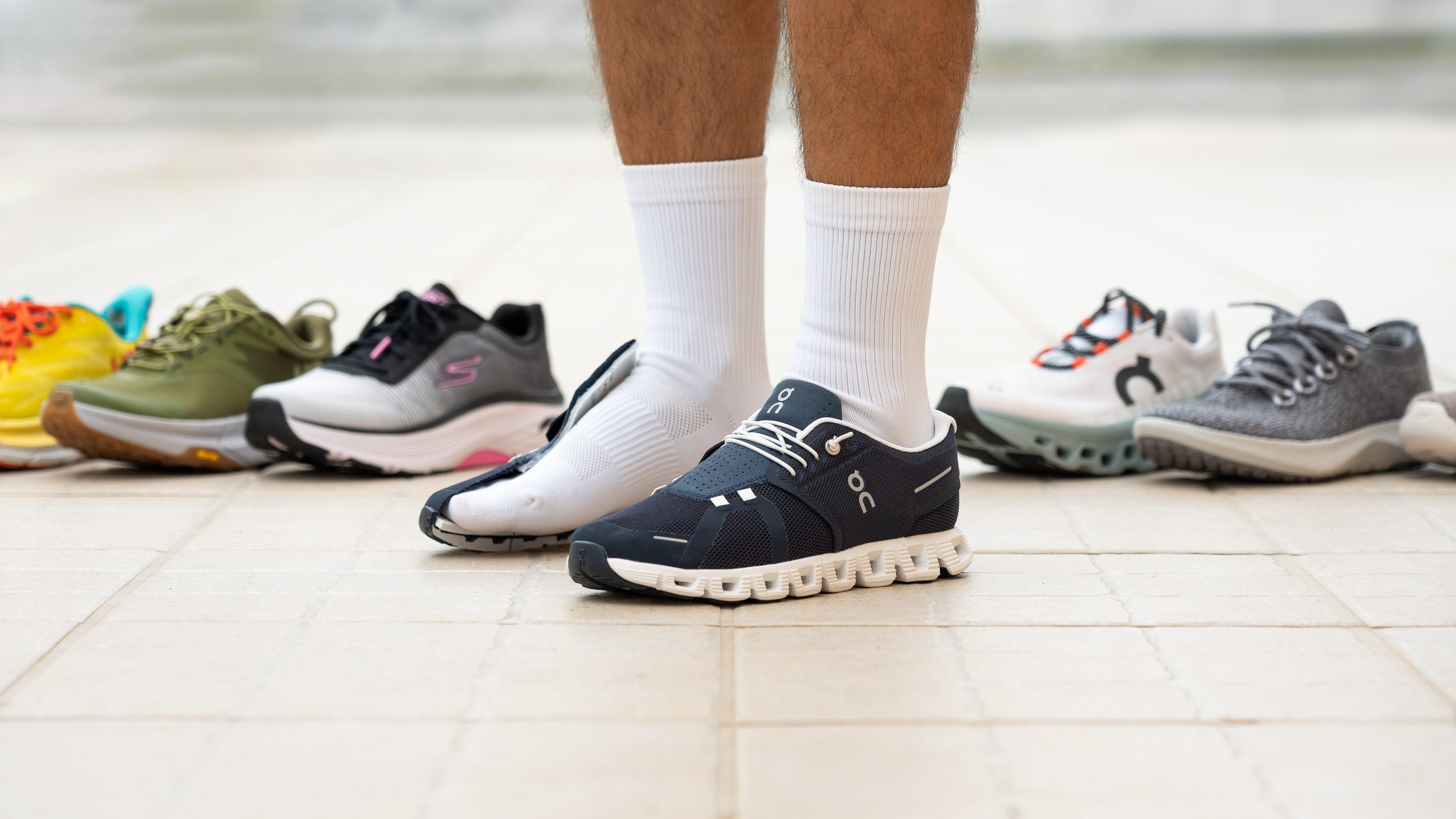
Stepping Forward: Integrating Knowledge into Action
The journey to all-day comfort is a deliberate one, paved with knowledge and intentional choice. It begins with acknowledging that your feet are not just appendages but complex biological structures deserving of respect and proper support. By prioritizing podiatrist recommended walking shoes, you are aligning yourself with clinical expertise and scientific design. You are choosing footwear that has been scrutinized for its ability to promote a healthy, efficient gait and prevent injury. This choice reverberates beyond your feet, influencing your posture, joint health, and overall energy levels throughout the day. The evidence is clear and converges from clinical practice, material science, and the lived experience of countless individuals who have transformed their daily lives through better footwear. Do not let the cacophony of fashion-driven marketing drown out the essential, evidence-based message of foot health. Your next step should be one of informed confidence. Visit a store that offers professional fitting, bring the knowledge you’ve gained here, and experience the tangible difference of a shoe built on a foundation of podiatric science. The perfect pair awaits, ready to turn every step into a testament to comfort and well-being.
