

The Ultimate Fashion Statement
In the lexicon of modern style, certain items transcend their utilitarian origins to become cultural totems. They are no longer mere objects but narratives woven into the fabric of personal and collective identity. This evolution from function to symbol represents the pinnacle of fashion’s power—its ability to communicate status, aspiration, and aesthetic philosophy without a single spoken word. Today, one of the most potent vessels for this silent dialogue is found not on the haute couture runway, but on the streets, adorning the feet of those who understand that true influence often walks a grounded path. The statement we dissect is not whispered; it is confidently strode in, embodied by a particular fusion of luxury heritage and contemporary demand: women’s Gucci sneakers.
From Functional Footwear to Cultural Currency
The sneaker’s journey from the basketball courts and gymnasiums of the early 20th century to the glossy shelves of luxury boutiques is a masterclass in cultural appropriation and elevation. As Dr. Elizabeth Wilson, a renowned cultural historian at the London College of Fashion, notes in her work “Adorned in Dreams: Fashion and Modernity,” “Clothing is never a frivolity; it is always a sign, a message, a signal about the wearer’s place in the world.” The athletic sneaker, once a signal of sport and leisure, was co-opted by streetwear culture, becoming a badge of urban cool and subcultural belonging. Luxury houses, with Gucci at the forefront under the transformative vision of Creative Director Alessandro Michele, recognized this shift. They understood that the new language of luxury was one of eclectic mixing, where high and low were not separate spheres but ingredients in a personal style alchemy. By investing the sneaker—a universal item—with the hallmarks of supreme craftsmanship, iconic branding, and extravagant detailing, they created a new category of desire. A pair of women’s Gucci sneakers is no longer just about comfort or sport; it is a deliberate choice to wear a piece of accessible yet aspirational luxury, a tangible piece of a brand’s storied legacy. It signals an awareness of fashion’s history and its current, street-level pulse.
The Anatomy of an Icon: Deconstructing the Design Language
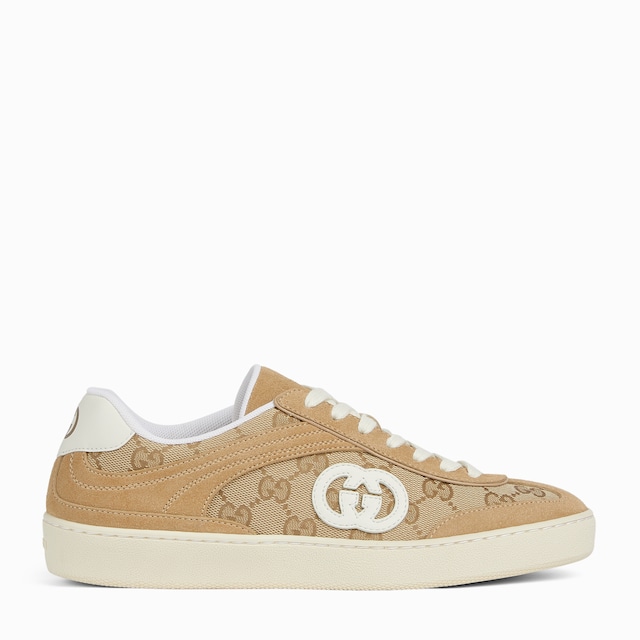
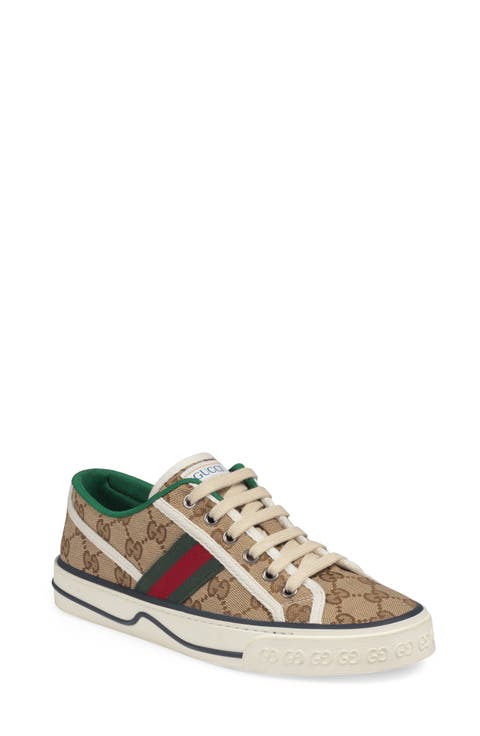
To objectively analyze the appeal of Gucci’s sneaker offerings is to engage with a precise design vocabulary. Key terms here are not merely descriptive; they are value-laden. Take, for instance, the GG Supreme canvas. This coated fabric, emblazoned with the interlocking G logo, is directly derived from Gucci’s archives of the 1970s. According to the brand’s own heritage literature, the pattern was created as a response to material shortages, becoming an enduring symbol of ingenuity and brand identity. Its use on a sneaker is a deliberate act of historical referencing, lending the casual item a patina of heritage. Then there is the principle of maximalist detailing. Unlike the minimalist “quiet luxury” of some competitors, Gucci, under Michele, embraced ornamentation. Embroidery of bees, tigers, or floral motifs; applications of crystals; and bold color-blocking transform the shoe from footwear to a portable art object. This aligns with the academic concept of “spectacle” in fashion, where the item is designed to be seen and to provoke a reaction. Furthermore, the construction speaks to perceived quality. While the scientific analysis of leather grades or stitching techniques may be proprietary, the tangible weight, the smell of leather, and the precision of alignment contribute to what consumer psychologists call the “halo effect,” where one positive attribute (e.g., a famous brand name) influences the perception of unrelated attributes (e.g., comfort or durability). A consumer investing in women’s Gucci sneakers is, therefore, purchasing a complex bundle of attributes: heritage symbolism, artistic statement, and an expectation of superior materiality.
The Voice of Authority: Celebrity and Cultural Endorsement
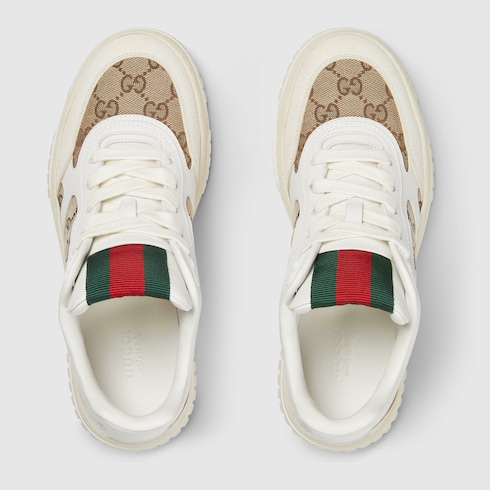
Cultural reinforcement for such fashion statements comes from powerful amplifiers. Celebrity adoption is not mere coincidence but a critical node in the fashion system’s network of influence. When a figure like Harry Styles, a global icon known for blurring gender norms in fashion, wears a bejeweled Gucci loafer-sneaker hybrid, it sends a permission slip to millions. It validates the item as not just fashionable, but culturally progressive. As Styles stated in his 2020 Vogue cover story, “Clothes are there to have fun with and experiment with and play with… What’s really exciting is that all of these lines are just kind of crumbling away.” This philosophy mirrors the ethos embedded in Gucci’s eclectic sneaker designs. Similarly, actress and style muse Dakota Johnson has frequently been photographed in classic Gucci Ace sneakers, anchoring the luxury item in a context of relatable, off-duty cool. On platforms like YouTube, fashion analysts with millions of subscribers, such as Alexa Chung in her video essays, often deconstruct these items not as frivolous purchases but as intelligent investments in a versatile wardrobe staple. “It’s the one piece of designer gear you’ll wear literally every day,” she notes, framing the purchase through a lens of cost-per-wear practicality. This chorus of voices—from the rebellious pop star to the pragmatic style influencer—builds a compelling, multi-faceted case for the women’s Gucci sneakers as a central modern wardrobe pillar.
Beyond the Logo: The Statement of Personal Curation
Therefore, the ultimate fashion statement made by these sneakers is deeply personal. It is a declaration of how the wearer navigates the world of symbols. In an era of mass production, choosing an item that carries such a dense load of history, art, and cultural conversation is an act of curation. It says the wearer is literate in the language of fashion, understands the references, and chooses to participate in that dialogue. It is a rejection of the anonymous in favor of the iconic, yet it does so through the most democratic form of apparel: the sneaker. This paradox is its strength. You are not wearing a fragile, untouchable gown reserved for galas; you are wearing your perspective on your feet as you navigate the supermarket, the office, or a casual dinner. The statement is one of confident integration—luxury is not locked away but lived in. Each scuff on the leather of a well-worn pair of women’s Gucci sneakers becomes part of its story, a narrative of personal experience layered onto the brand’s grand narrative. It embodies what sociologist Pierre Bourdieu termed “cultural capital”—the non-financial social assets that promote social mobility. In this case, the asset is taste, publicly and accessibly displayed.
Knowledge as Value: Discerning Your Investment
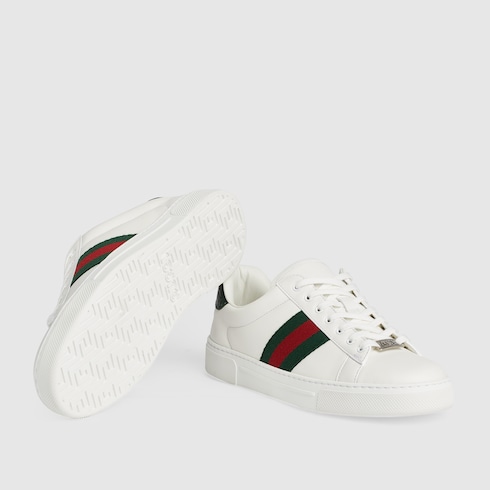
For the discerning individual considering this statement, knowledge is the most valuable accessory. Understanding the difference between a seasonal novelty and a design that will enter the permanent collection allows for a smarter investment. The classic Gucci Ace with the web stripe, for example, has proven its staying power. Furthermore, being aware of the retail landscape is crucial. While the brand maintains price integrity, authorized luxury retailers like Nordstrom, Saks Fifth Avenue, or Net-a-Porter often run seasonal sales events where select styles of women’s Gucci sneakers can be acquired at a discounted price, making this emblem of high fashion accessible at a more approachable point. This isn’t about diminishing the value, but about intelligent acquisition. It’s the application of a collector’s mindset: knowing what you want, why it holds value, and where to find it under the best terms. This strategic approach transforms the purchase from an impulsive buy into a considered acquisition of a cultural artifact, blending emotional desire with rational decision-making.
The ultimate fashion statement, then, is never just about the item itself. It is about the intricate web of meaning the wearer chooses to step into. It is about connecting personal expression to a broader historical and cultural continuum. A pair of women’s Gucci sneakers serves as a perfect case study—a canvas upon which heritage, artistry, celebrity discourse, and personal narrative converge. To lace them up is to consciously participate in a modern ritual of style, where every step is a quiet, confident assertion of one’s place in the ever-evolving story of fashion. The statement is made not with a shout, but with the assured, everyday rhythm of a walk well-dressed.
