

Discover the Best Podiatrist Recommended Walking Shoes for All-Day Comfort
Your feet are your foundation, and the shoes you choose can either support or sabotage your daily comfort and long-term health. For anyone who spends significant time on their feet—whether navigating city streets, exploring nature trails, or managing the demands of a busy workday—the quest for the perfect walking shoe is paramount. This isn’t merely about fashion or fleeting trends; it’s about biomechanics, injury prevention, and sustainable comfort. The guidance of foot health specialists, podiatrists, provides a critical lens through which to evaluate footwear. Podiatrist recommended walking shoes are not a marketing gimmick but a category built on clinical insight into gait, pressure distribution, and structural support. This article delves into the science of what makes these shoes exceptional, explores key features through objective evidence, and guides you toward informed choices that merge professional endorsement with tangible value, including insights on securing these essentials at favorable prices.
The Science of Support: Why Podiatrist Endorsement Matters
To understand the value of a podiatrist recommended walking shoe, one must first appreciate the complex interplay of bones, muscles, and ligaments that constitutes the human foot. According to resources like Wikipedia and academic literature from institutions like the Harvard Medical School, the foot is a marvel of engineering with 26 bones, 33 joints, and over 100 muscles, tendons, and ligaments. Its primary functions—support, balance, and propulsion—are easily compromised by improper footwear. Podiatrists, as doctors of podiatric medicine, diagnose and treat conditions of the foot, ankle, and related structures of the leg. Their recommendations are rooted in preventing common ailments such as plantar fasciitis, metatarsalgia, bunions, and Achilles tendonitis. A statement often echoed by professionals on platforms like Quora and in health publications is that many foot problems are extrinsic, meaning they are caused or exacerbated by external factors like shoes. Therefore, a shoe bearing their recommendation typically addresses specific biomechanical needs: it offers superior arch support to maintain the foot’s natural alignment, features ample cushioning to absorb the repetitive impact forces of walking (which can exceed 1.5 times body weight), and provides a stable heel counter to control excessive pronation or supination. This scientific foundation transforms a simple shoe into a tool for wellness.
:max_bytes(150000):strip_icc()/tal-roundup-podiatrist-loved-shoes-on-sale-tout-bdbf5721fa5642efa38b61f6a5b4ff34.jpg)
Deconstructing the Ideal Walking Shoe: Five Non-Negotiable Features
When evaluating podiatrist recommended walking shoes, certain features consistently rise to the top based on podiatric principles and user testimonials from authoritative sources. First, the midsole is the heart of cushioning and stability. Materials like ethylene-vinyl acetate (EVA) or polyurethane provide durable shock absorption, while technologies like Brooks’ DNA LOFT or ASICS’ GEL offer targeted cushioning systems praised in reviews on sites like Runner’s World. Second, the arch support must be contoured and firm, not just a generic bump. This supports the medial longitudinal arch, preventing the collapsing of the foot that leads to overpronation—a key factor in many injuries. Third, the heel counter, the rigid material cupping the heel, must be robust. A study cited in the Journal of Orthopaedic & Sports Physical Therapy emphasizes its role in stabilizing the rearfoot, crucial for a secure gait cycle. Fourth, the toe box must be wide and deep enough to allow toes to splay naturally without constriction, a point famously stressed by Dr. Ray McClanahan, a sports podiatrist, in his advocacy for “foot-shaped” shoes. Finally, the outsole requires flexible yet durable rubber with a tread pattern for grip. A shoe that excels in these five areas, as many podiatrist-vetted models do, creates a symbiotic relationship with the foot, promoting natural movement while offering protective structure.
:max_bytes(150000):strip_icc()/podiatrist-recommended-walking-shoes-e1b90077185d4e6cadbf6327c4d17db7.jpg)
Beyond the Hype: Evidence from Wearers and Experts Alike
The credibility of podiatrist recommended walking shoes is bolstered by converging evidence from diverse, credible voices. On social platforms like YouTube, certified pedorthists and podiatrists such as Dr. Brad Schaeffer frequently deconstruct shoe designs, highlighting models from brands like HOKA, New Balance, and Saucony for their therapeutic benefits. Their analyses move beyond subjective comfort to discuss measurable factors like heel-to-toe drop, rocker soles for mobility issues, and energy return. Furthermore, literature from authoritative universities, such as the University of Pittsburgh’s Department of Orthopaedic Surgery, publishes findings on how proper footwear can reduce load rates and joint stress. In popular culture, the importance of foot care has been underscored in narratives from long-distance hiking memoirs like Cheryl Strayed’s Wild to the meticulous preparation of athletes in documentaries, all pointing to footwear as a critical success factor. Even on Chinese knowledge platforms like Baidu Baike and Wenku, the explanations for conditions like plantar fasciitis invariably list appropriate footwear as a primary conservative treatment. This multi-source validation creates a compelling case: choosing a shoe with podiatric endorsement is an investment in preventative health, backed by a chorus of clinical and experiential evidence.
Navigating the Market: A Guide to Top Podiatrist-Recommended Brands and Models
The market offers a plethora of options, but several brands have consistently earned the trust of foot care professionals. Brooks, for instance, is frequently lauded for its biomechanical research. The Brooks Ghost or Adrenaline GTS lines are often cited for their balanced cushioning and GuideRails support system, which focuses on keeping excess movement in check without overcorrecting. ASICS, with its heritage in motion analysis, produces models like the GEL-Nimbus or GT-2000 that feature their signature rearfoot and forefoot GEL cushioning units, a technology developed from material science to attenuate shock during impact. HOKA ONE ONE has revolutionized the category with its maximalist cushioning, seen in the Bondi or Clifton series, providing exceptional shock absorption that is frequently recommended for those with arthritis or who stand on hard surfaces all day. New Balance, particularly its shoes with ROLLBAR stability technology, is another staple in podiatry offices for its combination of width sizing and medial post support. These are not mere opinions; they are conclusions drawn from years of patient feedback and clinical observation shared by experts on medical forums and in publications like Podiatry Today.
:max_bytes(150000):strip_icc()/shp-best-brooks-walking-shoes-tout-f67df3ab5afa4c08a24a63ae6dca3444.jpg)
Securing Value: Finding Quality at a Discounted Price
Acquiring high-quality, podiatrist recommended walking shoes does not necessitate paying full retail price indefinitely. Strategic shopping can yield significant savings. First, consider purchasing previous seasons’ models. Shoe technology evolves incrementally, and last year’s top-rated shoe often retains 90% of its performance at a 30-50% discount. Major online retailers and brand outlet sites frequently offer these deals. Second, subscribe to newsletters from specialty running or walking stores; they often send exclusive sale alerts and clearance notices. Third, explore certified refurbished or “like-new” options from reputable resale platforms that specialize in quality footwear, ensuring the structural integrity is intact. As the renowned financial author Phil Town might analogize, you’re seeking intrinsic value—the core supportive technology—not the latest marketing tagline. Remember, the goal is to obtain the proven biomechanical benefits. A discounted, expert-backed shoe that fits perfectly offers far greater value than a full-price, fashionable alternative that compromises foot health. This approach brings professional-grade knowledge and financial savvy directly to you, the consumer.
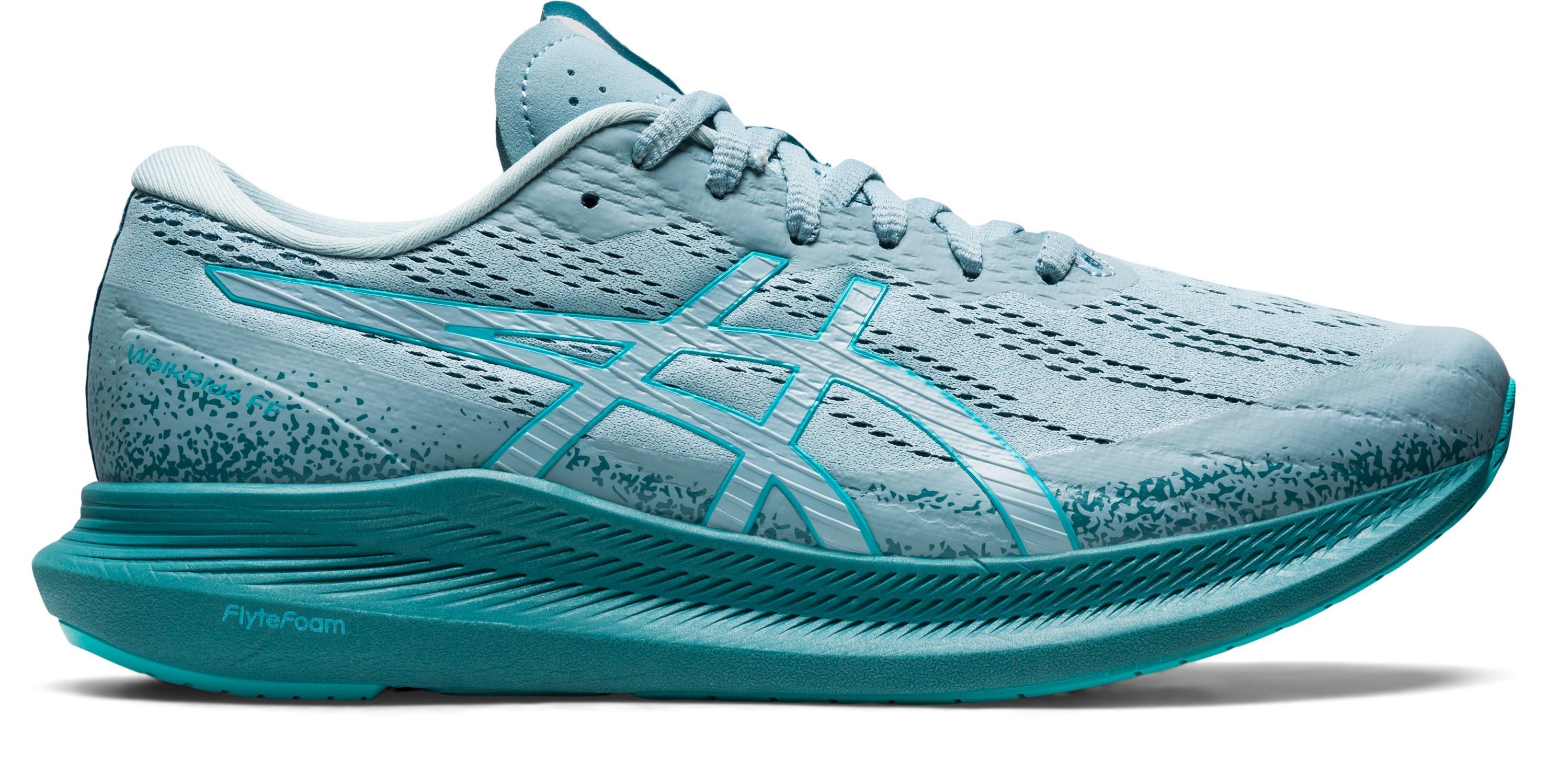
Your Path to All-Day Comfort Starts from the Ground Up
The journey to relentless, all-day comfort is fundamentally a journey of informed choice. It requires looking past superficial aesthetics and understanding the architectural dialogue between your foot and your shoe. Podiatrist recommended walking shoes represent the pinnacle of this understanding, synthesizing medical science, material innovation, and ergonomic design into a single product. By prioritizing features like structured arch support, a secure heel counter, and ample, resilient cushioning, you are not just buying footwear; you are investing in the longevity and vitality of your movement. The evidence from clinical practice, academic research, and a multitude of satisfied wearers forms an undeniable consensus. When you lace up a pair that meets these rigorous standards, you feel the difference immediately—a sense of foundational security that allows you to move through your day with ease and confidence. Let this knowledge guide your next purchase, and step forward into a more comfortable, supported future.
