

Discover the Best Podiatrist Recommended Walking Shoes for All-Day Comfort
Your feet are the foundation of your movement, bearing the weight of your daily life with every step. When discomfort or pain arises, it’s often a signal that the support beneath you is inadequate. This isn’t merely about fashion or trends; it’s a matter of biomechanical health. The quest for the perfect walking shoe transcends casual shopping—it becomes a critical investment in your long-term mobility and well-being. We’ve moved beyond anecdotal advice to ground our recommendations in the expertise of those who understand the human foot best: podiatrists. These medical professionals specialize in diagnosing and treating conditions of the foot, ankle, and related structures of the leg. Their endorsements are not given lightly; they are based on a deep understanding of anatomy, gait cycles, and the specific needs that prevent injury. This article is dedicated to unraveling the science behind podiatrist recommended walking shoes, providing you with objective criteria to make an informed choice, and connecting you with options that promise genuine, all-day comfort without compromising on professional standards or value.
The Foundation of Foot Health: Why Podiatrist Endorsement Matters
To understand the weight of a podiatrist’s recommendation, one must first appreciate the complexity of the human foot. It is a marvel of engineering, comprising 26 bones, 33 joints, and over 100 muscles, tendons, and ligaments. This intricate structure must absorb and distribute forces that can exceed several times your body weight during routine walking. Podiatrists, through years of specialized training, analyze how these components interact during the gait cycle—the sequence of movements from when your heel strikes the ground to when your toes push off. A misalignment or weakness at any point can lead to a cascade of issues, from plantar fasciitis and bunions to knee, hip, and even back pain. Therefore, a shoe that earns the label of being podiatrist recommended walking shoes is one that has been scrutinized for its ability to support this natural biomechanics. It offers stability to control excessive pronation (inward rolling) or supination (outward rolling), provides adequate cushioning to mitigate impact shock, and ensures a proper fit that doesn’t constrict or alter the foot’s natural shape. As Dr. Jacqueline Sutera, a renowned New York City podiatrist and spokesperson for the American Podiatric Medical Association (APMA), often highlights, “A good shoe is the first line of defense against common foot ailments.” This perspective is echoed across professional literature from institutions like the Mayo Clinic, which emphasizes proper footwear as a cornerstone of preventive foot care. The endorsement is a seal of approval that the shoe’s design aligns with medical principles of podiatric health, not just marketing claims.
:max_bytes(150000):strip_icc()/shp-best-brooks-walking-shoes-tout-f67df3ab5afa4c08a24a63ae6dca3444.jpg)
Decoding the Anatomy of an Ideal Walking Shoe
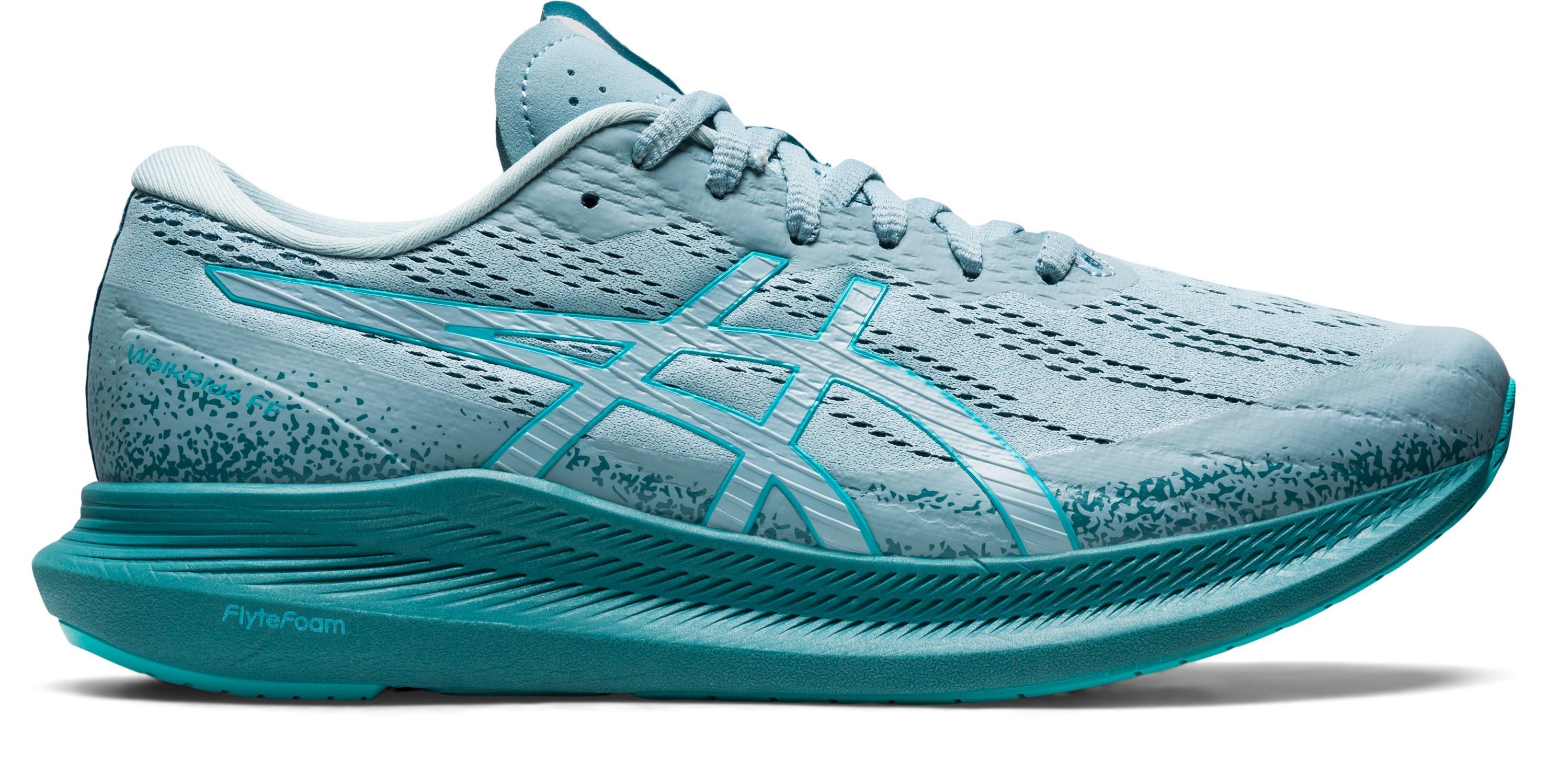
What specific elements transform an ordinary sneaker into a podiatrist-approved powerhouse for all-day comfort? The answer lies in a combination of design features that work in harmony. First, let’s consider the heel counter. This is the firm cup at the back of the shoe that cradles your heel. A robust, well-structured heel counter is non-negotiable; it prevents the heel from sliding side-to-side, providing essential stability that controls the foot’s motion from the moment of impact. Next is the midsole, often made from advanced materials like EVA (ethylene-vinyl acetate) foam, polyurethane, or proprietary compounds like Brooks’ DNA LOFT or ASICS’ GEL technology. The midsole’s job is dual: cushioning and support. It must be soft enough to absorb shock yet resilient enough to offer arch support and prevent the foot from collapsing inward excessively. The arch support itself should match your foot type—whether you have high arches, flat feet, or a neutral arch. Furthermore, the toe box must be wide and deep enough to allow your toes to splay naturally upon stepping down. Cramped toe boxes are a primary culprit behind conditions like neuromas and hammertoes. Finally, the flexibility of the shoe should be at the right point—it should bend easily at the ball of the foot (where your foot naturally flexes) but remain rigid in the arch area. This design facilitates a natural gait while maintaining support. Brands that consistently incorporate these features, such as certain models from Brooks, ASICS, and New Balance, frequently find their shoes on lists of podiatrist recommended walking shoes. The science is clear: when these anatomical design principles are followed, the shoe acts as a therapeutic tool, enhancing comfort and function with every mile.
Beyond the Hype: Evaluating Claims with Scientific and Expert Perspectives
In an era of influencer marketing and aggressive advertising, discerning genuine quality from clever hype is crucial. This is where turning to consolidated expert opinions and scientific literature provides an objective anchor. For instance, the American Podiatric Medical Association runs a Seal of Acceptance program, where products are reviewed by a committee of podiatrists and earn the seal if they promote good foot health. A shoe bearing this seal is a credible example of podiatrist recommended walking shoes. Beyond formal programs, the collective voice of professionals on platforms like Quora and in interviews for publications like Travel + Leisure reveals common threads. Many podiatrists, when asked for their go-to brands, cite stability, cushioning, and fit over brand loyalty. They often reference peer-reviewed studies from journals like The Journal of Foot and Ankle Research that examine the effects of footwear on plantar pressure and gait kinematics. Furthermore, insights from authoritative university biomechanics labs, such as those at the University of Calgary or Harvard’s Skeletal Biology Lab, contribute to the understanding of how shoe design affects long-term joint health. Even perspectives from well-known figures in the wellness space, like mobility expert Kelly Starrett on his YouTube channel, often align with podiatric principles, emphasizing the importance of foot strength and proper footwear as a partnership. By cross-referencing information from these diverse yet credible sources—Wikipedia for foundational definitions, podiatrist statements for clinical insight, academic literature for hard data, and expert social media for practical application—we build a multidimensional and trustworthy framework for evaluation. This approach ensures that our recommendations are not based on a single anecdote but on a consensus of evidence-based practice.
The Personal Fit: A Journey from Discomfort to All-Day Ease
Let’s shift from the abstract science to the tangible, personal experience. Imagine you, the reader, have spent years prioritizing style over substance, enduring the nagging ache in your arches by midday. The transition to seeking out podiatrist recommended walking shoes begins with a simple yet profound decision: to prioritize your body’s feedback. The process starts with a professional gait analysis, often available at specialty running stores or a podiatrist’s office. This analysis will reveal your unique foot strike pattern and arch type. Armed with this knowledge, you try on shoes in the late afternoon or evening when your feet are naturally at their largest due to daily swelling. You pay attention not just to length, but to width and volume. You ensure there’s about a thumb’s width of space between your longest toe and the end of the shoe. You walk around the store, feeling for any pinching, slipping, or pressure points. The right shoe doesn’t need a “break-in” period in the painful sense; it should feel supportive and comfortable almost immediately. When you find that pair—perhaps a model with a roomy toe box and exceptional arch support that you’ve seen endorsed by multiple foot care professionals—the difference is transformative. The dull, constant fatigue is replaced by a sense of buoyancy. You can complete your daily steps, whether it’s navigating a city, working a shift on your feet, or enjoying a long weekend hike, without your feet demanding your attention. This personal journey from discomfort to ease is the ultimate testament to the value of expert-recommended footwear. It’s an investment that pays dividends in every aspect of an active life.
:max_bytes(150000):strip_icc()/tal-roundup-podiatrist-loved-shoes-on-sale-tout-bdbf5721fa5642efa38b61f6a5b4ff34.jpg)
Curated Comfort: A Guide to Top Podiatrist-Recommended Models
Navigating the vast market of athletic shoes can be overwhelming. To bring professional knowledge directly to you, we’ve synthesized common recommendations from podiatrists featured in media outlets like Shape, Travel + Leisure, and professional reviews. It’s important to note that the “best” shoe is highly individual, but the following categories and models are frequently celebrated for their adherence to podiatric principles. For those requiring maximum stability and motion control, shoes like the Brooks Addiction Walker or the ASICS GT-2000 series are often cited. They feature guided support systems and firm heel counters ideal for overpronators. For individuals seeking premium cushioning for hard surfaces or joint sensitivity, HOKA ONE ONE’s Bondi or Clifton series, with their meta-rocker geometry and thick, soft midsoles, are perennial favorites in podiatry circles. For a blend of responsiveness and comfort, the New Balance 990v5, a staple often mentioned by experts for its superior craftsmanship and width sizing, stands out. Lastly, for a more versatile, everyday walker that doesn’t sacrifice support, the podiatrist recommended walking shoes from brands like Saucony (e.g., the Omni Walker) or even certain supportive models from Vionic, a brand founded on podiatric insight, are excellent choices. Remember, the goal is to match the shoe’s strengths to your specific foot morphology and gait pattern. The consistent thread among all these options is a design philosophy that places long-term foot health at the forefront, a principle validated by professional endorsement.

Investing in Your Stride: Value, Accessibility, and Smart Shopping
High-quality, therapeutic footwear often comes with a higher price tag, reflecting the advanced technology and research involved. However, viewing this as a long-term investment in your health is key. The cost of a pair of expertly designed podiatrist recommended walking shoes pales in comparison to the potential medical bills, physical therapy sessions, and lost productivity from a foot injury caused by inadequate shoes. To make this investment more accessible, savvy shopping strategies are essential. First, consider previous model years. When a shoe is updated, the outgoing model is often discounted significantly while still offering 90% of the performance and the same core support features. Major holiday sales, Black Friday events, and brand outlet stores are excellent avenues for finding deals. Secondly, some direct-to-consumer brands or those with robust loyalty programs offer members-only discounts. Furthermore, don’t overlook the value of specialty running stores; while their prices may be at retail, the free, expert fitting service they provide is invaluable and can prevent you from making a costly mistake in fit. The goal is to bring professional-grade foot care to your doorstep at a reasonable price point. By prioritizing fit and function over fleeting trends and by shopping strategically, you secure not just a product, but a partnership for your feet that supports every step of your journey, ensuring that all-day comfort is not a luxury, but a sustainable, achievable standard for your daily life.
The path to effortless walking is paved with intention and informed choice. It begins with respecting the intricate biology of your feet and seeking the guidance of those who dedicate their careers to understanding it. By focusing on the structural integrity of the shoe—its heel counter, midsole, arch support, and toe box—and by valuing the collective wisdom of podiatric science, you move beyond guesswork. The right pair of shoes becomes an extension of your body’s natural mechanics, a silent guardian against strain and fatigue. This isn’t about concluding a search, but about initiating a new chapter of sustained comfort and vitality. Let the principles outlined here guide you to your perfect pair, so your focus can remain on the path ahead, not on the feet beneath you.
