

Discover the Best Podiatrist Recommended Walking Shoes for All-Day Comfort
Your feet are the foundation of your movement, and the shoes you choose can either support or sabotage your daily comfort and long-term health. This isn’t about fleeting fashion trends; it’s about the biomechanical science of walking. When a podiatrist—a medical specialist in foot, ankle, and lower extremity health—recommends a shoe, they are prescribing a tool for wellness. This guide delves into the anatomy of the ideal walking companion, moving beyond marketing claims to the core principles of support, cushioning, and fit that define truly exceptional podiatrist recommended walking shoes. We’ll explore the critical features, decode professional jargon, and examine why certain designs earn the trust of foot care experts, all to empower you to make an informed choice that brings comfort to every step.
The Foundation of Foot Health: Why Podiatrist Endorsement Matters
To understand the value of a podiatrist’s recommendation, one must first appreciate the complexity of the human foot. It is a marvel of engineering, comprising 26 bones, 33 joints, and over 100 muscles, tendons, and ligaments. Each step you take is a cascade of biomechanical events—heel strike, foot flattening (pronation), and toe-off. A shoe that interferes with this natural gait cycle can lead to a cascade of issues, from localized pain like plantar fasciitis and bunions to problems radiating upwards to the knees, hips, and back. Podiatrists, through years of clinical practice, witness the direct consequences of poor footwear. Their recommendations are therefore not based on aesthetics but on empirical evidence of what structures alleviate common pathologies. As noted by the American Podiatric Medical Association (APMA), proper footwear is a first-line defense against foot disorders. A podiatrist recommended walking shoe is essentially a therapeutic device designed to provide stability where there is hypermobility, cushioning where there is impact, and space where there is constriction. It is a product validated not by sales figures, but by its ability to promote healthy foot function and prevent injury, making it a non-negotiable element for anyone who spends significant time on their feet.
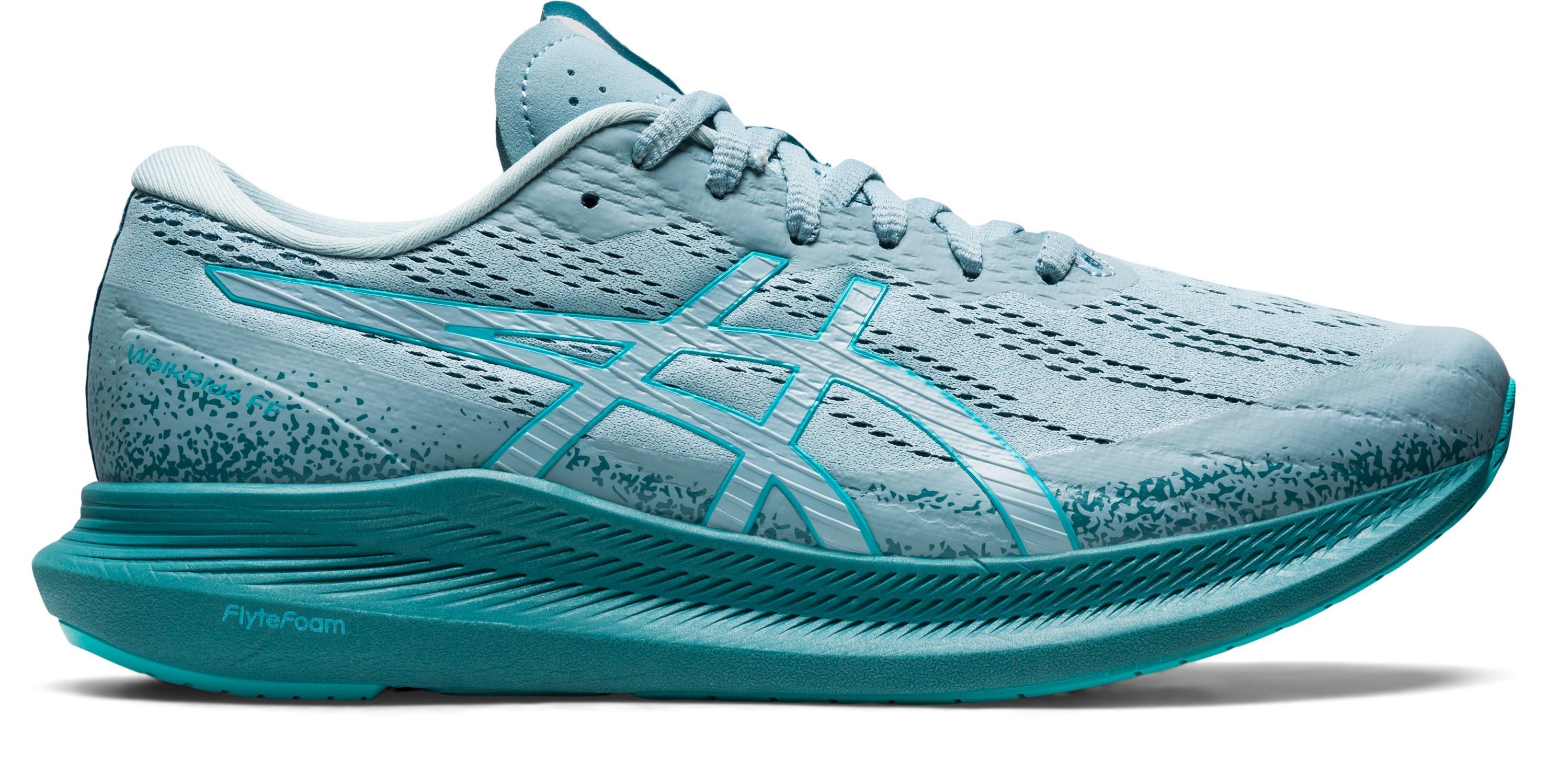
Deconstructing the Ideal Walking Shoe: Five Non-Negotiable Features
What specific elements transform an ordinary sneaker into a podiatrist-approved powerhouse? The distinction lies in a synergy of design features that work in concert.
1. Arch Support and Motion Control: The Keystone of Stability
The arch of your foot acts as a natural shock absorber. However, many individuals have arches that are either too high (supinated) or that collapse excessively upon weight-bearing (overpronated). A generic, flat insole does nothing to address this. Podiatrist recommended walking shoes incorporate structured, contoured arch support that matches the foot’s topography. This support is often part of a broader motion control system, which may include a firmer medial (inner) post within the midsole. This technology, frequently cited in biomechanics literature from institutions like the University of Calgary’s Human Performance Lab, helps guide the foot through a more neutral path of motion, reducing the strain on the plantar fascia and the tibialis posterior tendon. It’s not about rigidly immobilizing the foot, but about providing intelligent guidance to prevent the kind of aberrant motion that leads to overuse injuries. Think of it as having a skilled guide on a treacherous path—the shoe doesn’t carry you, but it steers you away from missteps that could cause harm.
2. Heel Counter and Overall Structure: The Frame of the Foot
A sturdy heel counter—the firm cup that wraps around the back of your heel—is paramount. When you press on the back of a shoe, it should not easily collapse. A study published in the Journal of Foot and Ankle Research emphasizes the role of a firm heel counter in controlling calcaneal (heel bone) eversion, a key component of overpronation. This structural integrity extends to the entire shoe’s “last” (its fundamental shape). A well-constructed last provides a secure “heel-to-toe” fit, preventing the foot from sliding forward and the toes from cramming into the toe box. This is crucial for preventing blisters, black toenails, and deformities like hammertoes. The best walking shoes offer a secure, locked-down feel in the heel and midfoot while allowing ample room for the forefoot to splay naturally upon weight-bearing. This combination of stability and freedom is a hallmark of thoughtful design.

3. Cushioning vs. Responsiveness: The Art of Energy Management
The conversation around cushioning is often oversimplified. More foam is not always better. Podiatrists differentiate between mere softness and functional cushioning that manages impact forces without destabilizing the foot. As running biomechanist Dr. Benno Nigg of the University of Calgary has often discussed, the body adapts to the surface it interacts with; excessively soft, unstable cushioning can cause muscular pre-activation as the body works to find stability, potentially leading to fatigue. The ideal midsole in a walking shoe offers a balance: it is sufficiently plush to attenuate the repetitive, lower-impact forces of walking, yet resilient enough to provide a stable platform and even a degree of energy return. Materials like specialized EVA, polyurethane, or proprietary gels and foams (like ASICS GEL or Brooks DNA LOFT) are engineered for this dual purpose. The goal is to reduce peak pressure on the heel and forefoot, protecting joints without sacrificing the proprioceptive feedback your body needs for natural movement.
4. Toe Box Geometry and Breathable Upper: The Habitat for Your Toes
The front of the shoe, the toe box, must be anatomically shaped. A pointed or excessively tapered design is a recipe for discomfort and pathology. A proper toe box is rounded or foot-shaped, allowing the toes to lie flat and without pressure on one another. This space is vital for maintaining proper balance and push-off power. Furthermore, the upper material must be breathable and flexible. Materials like engineered mesh allow for air circulation, reducing moisture and heat buildup that can lead to fungal infections and skin maceration. A breathable upper conforms to the foot without creating pressure points, creating a comfortable microclimate. This focus on the foot’s environment aligns with the holistic view of foot health, where comfort and prevention are inseparable from structural support.
5. Outsole Traction and Flexibility: The Connection to the Ground
Finally, where the rubber meets the road matters immensely. The outsole must provide reliable traction on a variety of surfaces to prevent slips and falls, a critical consideration for all ages. However, flexibility is equally important. The shoe should bend easily at the forefoot—where your foot naturally wants to flex during toe-off—but remain torsionally rigid. You should not be able to wring the shoe like a towel. This specific flex pattern, often tested in lab settings, ensures the shoe works with your foot’s mechanics rather than against them, promoting efficient movement and reducing fatigue in the foot’s intrinsic muscles.

From Clinic to Pavement: Brands and Models That Earn Professional Trust
While individual needs vary, certain brands consistently develop the technological features that resonate with podiatric principles. Brands like New Balance, Brooks, ASICS, HOKA, and Saucony are frequently cited in podiatry circles and on professional forums. For instance, New Balance is renowned for its extensive width sizing, crucial for accommodating swollen feet or genetic width. HOKA has gained prominence for its maximalist yet stable cushioning, often recommended for those with arthritic conditions needing significant impact reduction. Brooks’ Adrenaline GTS series, with its GuideRails holistic support system, is a classic example of a podiatrist recommended walking shoe designed for overpronation without using overly rigid posts. It’s important to note that an endorsement is not blanket; a specific model is recommended for a specific foot type and gait pattern. The common thread is these companies’ investment in biomechanical research and their collaboration with medical professionals to refine their products, moving beyond fashion to functional footwear therapy.
Investing in Your Stride: The Long-Term Value of Proper Footwear
Purchasing high-quality, professionally vetted walking shoes is an investment in your mobility and pain-free living. Consider the alternative: the cost of doctor’s visits, physical therapy, orthotics, and lost productivity due to foot pain can far exceed the price of a premium pair of shoes. Furthermore, the right shoe can enhance your enjoyment of daily activities, encourage more walking (with its myriad cardiovascular and mental health benefits), and support an active lifestyle well into later years. When you slip on a pair of truly supportive podiatrist recommended walking shoes, the difference is palpable—not as a novel sensation, but as an absence of the discomfort you may have unconsciously accepted as normal. It is the feeling of your feet being heard, supported, and freed to move as nature intended. This isn’t a purchase; it’s a proactive step toward sustaining the foundation of your entire physical being.
:max_bytes(150000):strip_icc()/tal-roundup-podiatrist-loved-shoes-on-sale-tout-bdbf5721fa5642efa38b61f6a5b4ff34.jpg)
Your journey doesn’t end at recognition; it begins at fitting. The most technologically advanced shoe is ineffective if it doesn’t match your unique foot. Seek out specialty running or walking stores with trained fitters, get your feet measured later in the day (when they are most swollen), and prioritize function over form. Let the principles of arch support, structured stability, balanced cushioning, anatomical space, and secure fit be your guide. Your feet carry you through life—honor that journey with the foundation they deserve. Choose wisely, walk comfortably, and step forward with confidence, knowing you are supported by the very science of movement itself.
