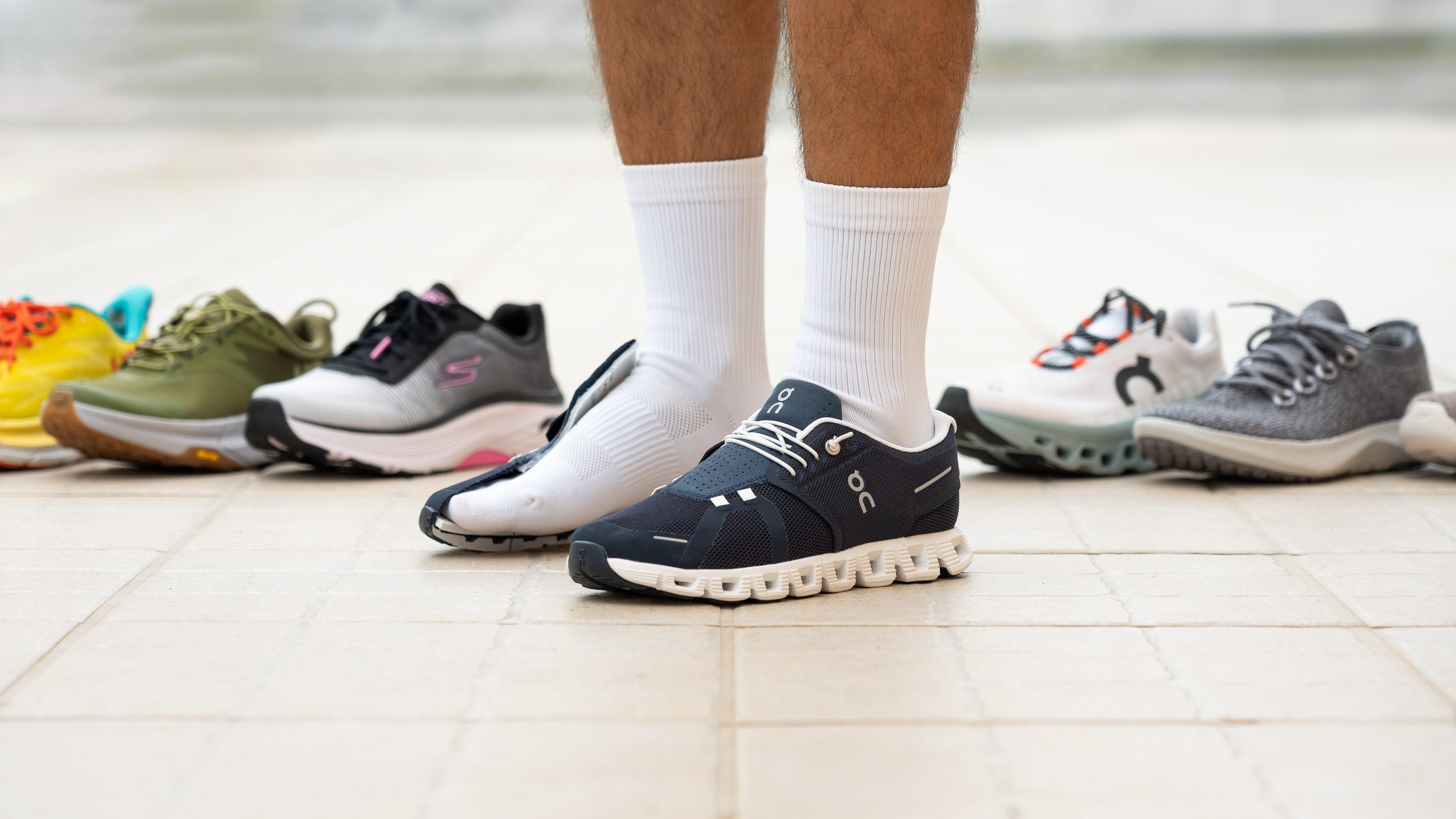
Discover the Best Podiatrist Recommended Walking Shoes for All-Day Comfort
Your feet are your foundation, carrying you through thousands of steps each day. Yet, so often, we encase them in footwear chosen for style over substance, leading to a cascade of discomfort that can ripple up through the entire body. The quest for all-day comfort isn’t about luxury; it’s a physiological necessity. This is where the expertise of podiatry becomes invaluable. Moving beyond marketing claims, we delve into the biomechanical principles that define true support and cushioning. This article is a curated guide, built on objective science and professional endorsement, to help you identify the podiatrist recommended walking shoes that transform walking from a chore into a sustained pleasure. We’ll bridge the gap between clinical insight and real-world wear, ensuring you step forward with confidence and unparalleled comfort.
The Science of the Stride: Why Podiatrist Insight is Non-Negotiable
Walking is a complex, repetitive motion involving a precise sequence of heel strike, foot flattening (loading), and toe-off. When this gait cycle is disrupted by improper footwear, the consequences are more than just sore feet. Podiatrists, as medical specialists of the foot, ankle, and related structures of the leg, diagnose and treat these disruptions at their source. Their recommendations are rooted in understanding pronation (the natural inward roll of the foot), supination (the outward roll), arch mechanics, and load distribution. A study from the University of Pittsburgh’s Department of Orthopedic Surgery emphasizes that footwear is a critical intervention for common ailments like plantar fasciitis and metatarsalgia. Unlike generic “comfort” shoes, podiatrist recommended walking shoes are engineered to align with these biomechanics. They provide structured arch support to prevent overpronation, strategic cushioning to absorb ground reaction forces that can travel up to 6-8 times your body weight with each step, and a stable heel counter to control rearfoot motion. This isn’t anecdotal advice; it’s applied kinesiology. As noted on platforms like Quora and in professional forums, individuals who switched to podiatrist-vetted shoes often report a dramatic reduction in lower back, knee, and hip pain, underscoring the interconnectedness of the musculoskeletal system. Ignoring this specialized guidance means gambling with your foundational health for the sake of transient trends.

Architectural Support: The Cornerstone of Endurance
Imagine building a house on a weak, shifting foundation; the entire structure is compromised. Your foot’s arch serves a similar purpose, acting as a dynamic shock absorber and rigid lever for propulsion. Podiatrist recommended walking shoes prioritize arch support tailored to your specific foot type—whether you have high arches (cavus foot), flat feet (pes planus), or a neutral profile. For the flat-footed individual, overpronation is a common issue, where the arch collapses excessively inward. This can strain the plantar fascia ligament, leading to inflammation. Shoes with firm medial (inner) posting and motion control features are often prescribed to correct this alignment. Conversely, high arches are typically associated with supination, which limits natural shock absorption, sending excessive force to the outer foot and lower leg. Here, shoes with enhanced cushioning and flexibility are key. The Wikipedia entry on “Footwear” details how modern orthotic principles are integrated into shoe design. Brands frequently cited by podiatrists don’t offer a one-size-fits-all arch; they provide graduated support systems. This targeted approach ensures the foot is maintained in its optimal, neutral position throughout the gait cycle, reducing muscular fatigue and ligament strain. It’s the difference between your muscles and ligaments working overtime to stabilize you, versus the shoe doing its job as a supportive partner. This architectural integrity is what allows for true all-day comfort, mile after mile.
Material Matters: Cushioning, Breathability, and Durability
The composition of a walking shoe is a symphony of advanced materials, each playing a crucial role. Podiatrists look beyond the surface to evaluate the functional matrix of the midsole, upper, and outsole. The midsole, often made from EVA (ethylene-vinyl acetate) foam, polyurethane, or proprietary compounds like Brooks’ DNA LOFT or HOKA’s Profly+, is the primary shock absorber. The goal isn’t just softness—it’s responsive resilience. A material that compresses on impact and springs back efficiently returns energy, reducing the metabolic cost of walking. As Dr. Jacqueline Sutera, a prominent New York City podiatrist, has stated in numerous media features, “A shoe should be a shock absorber for your body.” The upper material must balance structure with breathability; engineered meshes allow heat and moisture to escape, preventing the fungal environments that cause athlete’s foot. Durability in the outsole, typically high-abrasion rubber, ensures consistent traction and protection over hundreds of miles. When evaluating podiatrist recommended walking shoes, professionals assess this material ecosystem holistically. A common pitfall is a shoe with excellent cushioning but poor breathability, or superb support that breaks down too quickly. The ideal shoe harmonizes these elements, a principle echoed in reviews from authoritative sources like Runner’s World and Verywell Fit. This material science is what separates a shoe that feels good in the store from one that performs on the pavement, day in and day out.
:max_bytes(150000):strip_icc()/tal-roundup-podiatrist-loved-shoes-on-sale-tout-bdbf5721fa5642efa38b61f6a5b4ff34.jpg)
Navigating the Market: Hallmarks of a Truly Supportive Shoe
With countless options vying for your attention, identifying the key features that align with podiatric principles is essential. First, examine the heel counter. Grasp the back of the shoe; it should be firm and rigid, not collapsible. This cup-like structure stabilizes the heel, preventing excessive movement that can lead to Achilles tendonitis or blisters. Second, perform the “flex test.” Bend the shoe at the toe. It should flex easily at the ball of the foot (where your toes meet the metatarsals), not in the middle of the arch. A shoe that bends in the middle compromises arch support. Third, check for a removable insole. This often indicates space for custom orthotics if needed and allows you to assess the shoe’s built-in support. Fourth, ensure adequate toe box width. Your toes should lie flat and be able to wiggle slightly without touching the sides. Constriction here can lead to neuromas, bunions, and hammertoes. Finally, consider weight. Excessively heavy shoes increase leg fatigue. These are not arbitrary checkpoints; they are distilled from podiatric clinical experience and literature from institutions like the American Podiatric Medical Association (APMA). Shoes bearing the APMA Seal of Acceptance have been vetted by a committee of podiatrists for promoting good foot health. Seeking out these hallmarks is your most reliable strategy for finding genuinely supportive podiatrist recommended walking shoes amidst a sea of imitators.
Beyond the Brand: The Critical Importance of Fit and Gait Analysis
The most technologically advanced shoe is rendered ineffective if it doesn’t fit your unique foot. Podiatrists universally stress that fit is paramount. Your feet swell throughout the day, so shop for shoes in the afternoon or evening. There should be about a thumb’s width (roughly half an inch) of space between your longest toe and the end of the shoe. Don’t rely on your numerical size alone; always try on both shoes and walk around the store. Furthermore, a professional gait analysis can be revelatory. Many specialty running and walking stores offer this service, using treadmills and video technology to observe your stride pattern, foot strike, and alignment. This objective data takes the guesswork out of selection. Are you a heel striker needing extra rearfoot cushioning? Do you exhibit subtle overpronation that requires moderate support? As highlighted in resources from Baidu Baike and professional Q&A sites, understanding your gait is the first step in injury prevention. It allows you to match your biomechanics to a shoe’s design philosophy—be it neutral, stability, or motion control. This personalized approach, championed by podiatrists, ensures the shoe works with your body, not against it. Investing time in a proper fit and analysis is more valuable than any brand name, guaranteeing your chosen footwear delivers on its promise of all-day comfort.

Investing in Your Foundation: Where Value Meets Vitality
Viewing quality walking shoes as an expense is a short-sighted perspective; they are an investment in your long-term mobility and vitality. Compromising on footwear can lead to costly medical interventions, from orthotics to physical therapy. However, investing wisely doesn’t mean ignoring value. The market for high-performance walking shoes is dynamic, with new models released annually. This often leads to significant discounts on previous generations, which still incorporate the core podiatric-recommended technologies. To bring professional knowledge and discounted prices to you, it’s strategic to shop during seasonal sales, at outlet stores, or on reputable online retailers that offer clearance sections. The core technologies—stable heel counters, supportive midsoles, breathable uppers—remain effective across model years. The key is to identify the shoe model that suits your foot type and then seek out its prior version. For instance, if the current Brooks Adrenaline GTS 23 is recommended for stability, the GTS 22 will offer nearly identical support at a fraction of the cost. This approach, endorsed by frugality experts and fitness communities alike, demystifies the process. It allows you to own premium, podiatrist recommended walking shoes without the premium price tag, making advanced foot health accessible and sustainable.
Your journey toward effortless, pain-free walking begins with a single, informed step. The distinction between ordinary shoes and those endorsed by podiatric science is profound, impacting everything from your daily energy levels to your long-term joint health. By prioritizing biomechanical support, intelligent material design, and a flawless fit, you choose footwear that acts as preventative medicine. Remember, the best shoe is not the most expensive or the most advertised; it is the one that disappears beneath you, silently supporting your every move from morning until night. Let this knowledge guide you to the perfect pair, where all-day comfort is not an aspiration, but your everyday reality.