

The Ultimate Guide to Women’s Gucci Sneakers
In the landscape of contemporary fashion, few items command the intersection of luxury, comfort, and cultural capital like a pair of women’s Gucci sneakers. They are not merely footwear; they are artifacts of design philosophy, barometers of social trends, and for many, a tangible entry point into the world of high fashion. This guide moves beyond the surface gloss of the double-G logo to explore the anatomy, evolution, and undeniable appeal of these iconic shoes. We will dissect their construction, contextualize their prominence, and provide the nuanced understanding needed to navigate this coveted category, blending objective analysis with insights into how these sneakers perform in the real world.
The Anatomy of an Icon: Deconstructing Gucci’s Sneaker Design
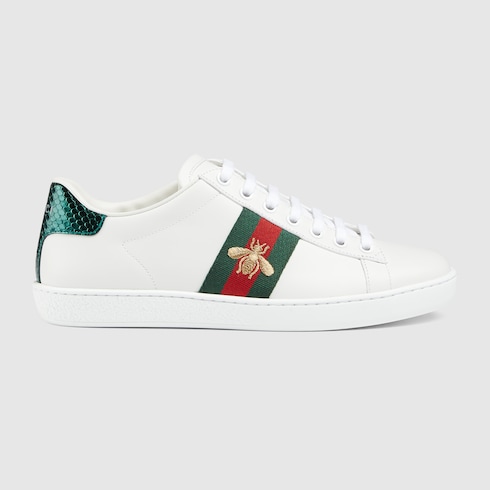
To comprehend the premium positioning of women’s Gucci sneakers, one must first appreciate their foundational design principles. Unlike mass-produced athletic footwear, Gucci’s approach is rooted in the traditions of Italian leatherworking and bespoke craftsmanship, even when applied to a casual silhouette. Take the iconic Gucci Ace sneaker, for instance. Its clean, minimalist canvas or leather upper is a direct descendant of the classic tennis shoe, a style historically associated with leisure and privilege. The application of embroidery—be it the ubiquitous bee, a floral motif, or the interlocking G—is not a printed transfer but often meticulously hand-embroidered, a detail that aligns with the haute couture practices celebrated by fashion houses. This fusion of a sporty form with artisanal decoration creates a unique tension, what fashion scholar Valerie Steele, Director of The Museum at the Fashion Institute of Technology, might describe as the “democratization of luxury through familiar forms.” The materials are consistently premium: supple calfskin, polished leather, and technically advanced fabrics treated for durability and a specific hand-feel. The sole, while providing comfort, is often a crisp, vulcanized rubber or a layered platform, adding a subtle elevation—both literal and metaphorical—from standard sneakers. This meticulous attention to detail in construction justifies a significant portion of the investment, transforming the shoe from a disposable trend into a potential wardrobe staple.

Cultural Currency: From Runway to Sidewalk
The ascent of women’s Gucci sneakers to must-have status is inextricably linked to broader shifts in fashion culture. The early 21st century saw the rise of “normcore” and the high-low fashion mix, a trend meticulously documented by trend forecasting agencies like WGSN. This environment, where a $50 t-shirt could be paired with a $5,000 handbag, created the perfect vacuum for luxury sneakers to flourish. Gucci, particularly under the transformative creative direction of Alessandro Michele from 2015 onward, masterfully capitalized on this. Michele’s “geek-chic” aesthetic, referencing vintage, academia, and maximalist decoration, was often grounded by a pair of embellished sneakers. This signaled that luxury could be playful, personal, and, crucially, comfortable. The sneaker became a key protagonist in Michele’s narrative of “emotional fashion,” a concept he frequently discussed in interviews with platforms like Business of Fashion. Furthermore, the endorsement by celebrities and influencers across platforms like Instagram and YouTube provided relentless visibility. When a style icon is photographed off-duty in Gucci sneakers, it validates them as a symbol of accessible luxury. As marketing professor Jonah Berger explores in his book Contagious: How to Build Word of Mouth in the Digital Age, such visibility acts as social proof, triggering widespread adoption. The sneaker is no longer just a shoe; it’s a badge of cultural literacy, an understanding of the dialogue between streetwear and high fashion.
A Spectrum of Styles: Navigating the Gucci Sneaker Portfolio
Entering the world of women’s Gucci sneakers means encountering a diverse portfolio, each model telling a different story. The Gucci Ace remains the quintessential entry point. Its simplicity offers a canvas for endless variations—from the stark white leather with a red-and-green web stripe to versions adorned with crystals, pearls, or exotic animal appliqués. It represents versatile, everyday luxury. The Gucci Rhyton, with its deliberately distressed leather and chunky, retro silhouette, taps directly into the 1990s revival and the “ugly chic” trend. It’s a statement piece, often featuring oversized logos, that critiques and celebrates branding simultaneously, a postmodern approach to design noted by critics in publications like Vogue. For those seeking a more athletic-inspired profile, the Gucci Tennis 1977 line offers a sleeker, performance-oriented look with finer detailing, while the Gucci Flashtrek—with its hybrid hiking-boot aesthetic and technical details—pushes into the realm of avant-garde utility. Understanding these distinctions is key. As noted on authoritative fashion resource sites like The Cut, choosing a model is less about picking a shoe and more about aligning with a specific aesthetic tribe within the broader Gucci universe. The Ace wearer might prioritize timeless elegance, while the Rhyton enthusiast openly embraces ironic nostalgia.
The Investment Perspective: Cost Per Wear and Value Retention
A critical, often overlooked lens through which to view women’s Gucci sneakers is that of a strategic wardrobe investment. The initial outlay is undeniably high, often ranging from several hundred to over a thousand dollars. However, the concept of “cost per wear,” a fundamental principle in conscious consumption advocated by financial advisors and stylists alike, provides a compelling counterpoint. A well-constructed pair of leather sneakers, with proper care, can last for years, transcending seasonal micro-trends. Compared to multiple pairs of fast-fashion sneakers that may degrade in comfort and appearance within a single season, the long-term value proposition shifts. Moreover, certain limited-edition or iconic Gucci sneaker styles have demonstrated notable value retention in the secondary resale market on platforms like Vestiaire Collective or The RealReal, functioning similarly to classic handbags. This is not universal, but it highlights how design integrity and brand desirability can create tangible asset value. The investment is not solely in the object but in the sustained quality, comfort, and confidence it provides over time. It’s the application of a slow fashion ethos to a typically fast-paced category.
Integration and Styling: Beyond the Casual Pairing
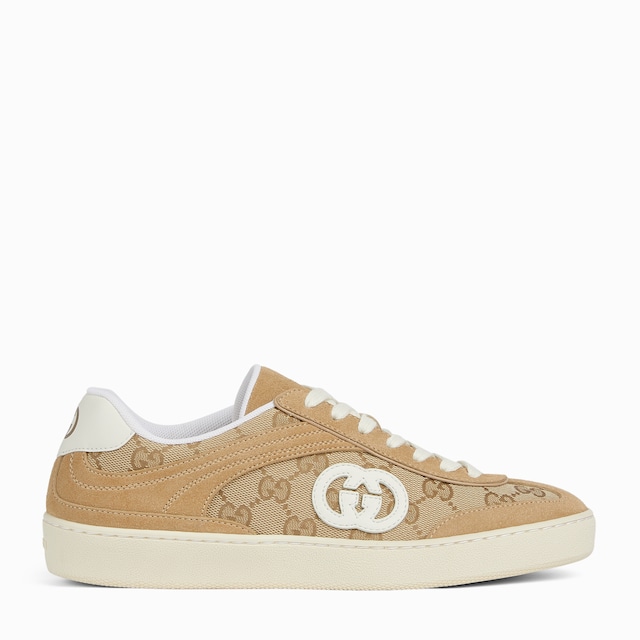
The true test of a luxury fashion item’s versatility is its ability to traverse stylistic contexts. Women’s Gucci sneakers excel in this regard, challenging traditional dress codes. The most common pairing is, of course, with denim—whether skinny jeans, wide-leg silhouettes, or casual shorts. This creates an effortlessly chic look. However, their potential is unlocked when styled against more formal pieces. Imagine a sleek, midi-length satin skirt paired with a simple knit and a pristine pair of white Gucci Aces. The contrast between the luxurious drape of the skirt and the casual foundation of the sneakers creates a modern, balanced outfit that is both sophisticated and relaxed. Similarly, tailoring is revolutionized; a sharp, structured blazer and tailored trousers gain an immediate contemporary edge when grounded with a pair of chunky Rhytons. This styling alchemy is frequently showcased by fashion influencers and in street style photography from global fashion weeks, proving that these sneakers can anchor everything from minimalist to maximalist ensembles. They act as a stylistic equalizer, offering a point of accessible familiarity within an otherwise elevated outfit.
Ultimately, the enduring power of women’s Gucci sneakers lies in their multifaceted identity. They are meticulously crafted objects born from heritage techniques, potent symbols embedded in contemporary culture, and versatile tools for personal expression. They represent a specific moment in fashion history where boundaries dissolved, yet their design ensures they are not confined to it. To choose a pair is to participate in a ongoing dialogue about what luxury means today: it is no longer distant and untouchable, but lived-in, personalized, and walked in, step by step, on the streets of everyday life.
