

Discover the Top Podiatrist Recommended Walking Shoes for Ultimate Comfort and Support
Your feet are the foundation of your movement, and the shoes you choose can either be a source of daily relief or a cause of chronic discomfort. For anyone who walks for fitness, commuting, or simply to get through the day, the quest for the perfect shoe is paramount. This isn’t about fleeting fashion trends; it’s about biomechanical harmony. We’re cutting through the marketing noise to focus on what truly matters: podiatrist recommended walking shoes. These are the footwear choices endorsed by foot health specialists—podiatrists—who understand the intricate interplay of bones, muscles, and ligaments in your feet. Their recommendations are not mere opinions; they are prescriptions for prevention, aimed at alleviating conditions like plantar fasciitis, bunions, and knee pain while promoting a healthy, efficient gait. This guide delves into the science of support, the anatomy of comfort, and presents a curated selection of footwear that aligns with professional podiatric principles, bringing you closer to a pain-free stride.
The Podiatric Perspective: Why Expert Recommendation Matters
To understand the value of a podiatrist recommended walking shoe, one must first appreciate the complexity of the human foot. It is a marvel of engineering, comprising 26 bones, 33 joints, and over 100 muscles, tendons, and ligaments. According to biomechanics literature from institutions like the University of Calgary’s Human Performance Lab, the foot must perform two opposing functions: it must be a flexible adapter upon ground contact and a rigid lever for propulsion. A shoe that disrupts this natural sequence can lead to a cascade of issues. Podiatrists, as doctors of podiatric medicine (DPM), are trained to diagnose and treat conditions of the foot, ankle, and related structures of the leg. Their shoe recommendations are based on a deep understanding of gait analysis, pressure distribution, and structural alignment. For instance, a common podiatric concern is overpronation—the excessive inward roll of the foot. A 2018 review in the Journal of Foot and Ankle Research highlighted how uncontrolled pronation is linked to plantar fasciitis and tibial stress fractures. Therefore, a podiatrist often recommends shoes with specific motion control or stability features to counteract this. Their endorsement is a seal of approval that the shoe has been evaluated for its therapeutic and protective qualities, not just its aesthetic appeal. It represents a fusion of clinical insight and footwear technology designed to keep you moving healthily.
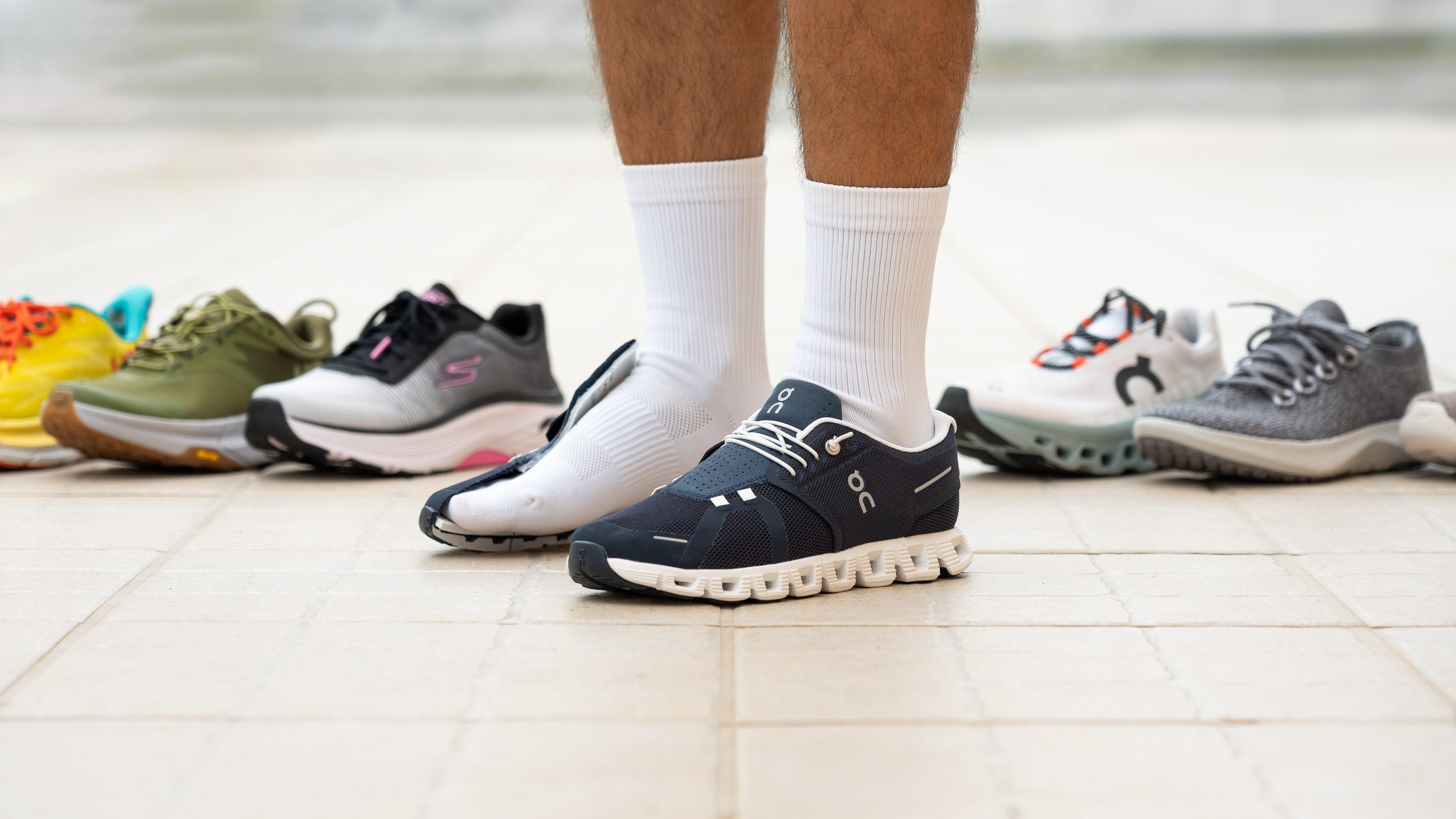
:max_bytes(150000):strip_icc()/favorite-walking-shoes-round-up-november-2024-458c3fc0c6844adca7c0a34ebc5cfb9b.jpg)
Decoding the Anatomy of a Superior Walking Shoe
What specific elements transform an ordinary sneaker into a podiatrist recommended walking shoe? The distinction lies in several critical components, each serving a precise biomechanical function. First, the heel counter: this is the firm cup at the back of the shoe that cradles the heel. A study cited in Podiatry Today emphasizes that a rigid, well-padded heel counter is non-negotiable for stabilizing the rearfoot, preventing excessive movement that can strain the plantar fascia. Second, the midsole: this is the heart of cushioning and support. Materials like EVA (ethylene-vinyl acetate) foam or proprietary compounds like Brooks’ DNA LOFT or ASICS’ GEL provide shock attenuation. The design may include a medial post—a denser section of foam on the inner side—to prevent overpronation. Third, the toe box: it must be wide and deep enough to allow toes to splay naturally without constriction, a point famously stressed by Harvard Medical School’s health publications to prevent neuromas and hammertoes. Fourth, the flexibility: the shoe should bend easily at the ball of the foot (the metatarsophalangeal joints) but resist torsion in the midfoot. Finally, the outsole: durable rubber with a tread pattern that offers secure traction. When these elements are harmoniously integrated, the shoe ceases to be mere apparel and becomes a functional orthotic device. As Dr. Jacqueline Sutera, a prominent New York City podiatrist, has stated in various media interviews, “A good walking shoe is the cheapest form of orthotics you can buy.” This holistic design philosophy is what you’re investing in.
Top Contenders: A Breakdown of Podiatrist-Approved Models
Navigating the sea of athletic footwear can be daunting. Here, we analyze several models frequently cited by podiatrists and in professional reviews, explaining why they earn such acclaim. Remember, the “best” shoe is highly individual, but these consistently meet podiatric criteria for support, cushioning, and durability.
1. The Stability Powerhouse: Brooks Addiction Walker
For those requiring maximum support, the Brooks Addiction Walker is a perennial favorite in podiatry clinics. Its key feature is an extended progressive diagonal rollbar—a firm post made of MoGo foam—that guides the foot from heel strike to toe-off, effectively controlling overpronation. The full-grain leather upper provides structure and durability, while the BioMoGo DNA midsole adapts to your stride, offering customized cushioning. It’s a shoe often recommended for individuals with flat feet or mild to moderate posterior tibial tendon dysfunction. The design philosophy aligns with principles from the American Podiatric Medical Association (APMA), which grants the shoe its Seal of Acceptance for promoting good foot health. It’s a testament to how engineered stability can restore natural, pain-free motion.
:max_bytes(150000):strip_icc()/shp-best-brooks-walking-shoes-tout-f67df3ab5afa4c08a24a63ae6dca3444.jpg)
2. The Cushioned Cloud: HOKA Bondi Series
HOKA revolutionized the market with its maximalist cushioning, and the Bondi model is its pinnacle for walking. The oversized midsole of compression-molded EVA provides exceptional shock absorption, which is crucial for walkers dealing with arthritis, heel spurs, or those who spend long hours on hard surfaces. The meta-rocker geometry—a curved sole—promotes a smooth heel-to-toe transition, reducing strain on the Achilles and calf muscles. This design is supported by gait studies showing rocker soles can reduce forefoot pressure. While incredibly soft, the Bondi maintains a supportive frame with a structured heel counter and a wide base for stability. Podiatrists like Dr. Brad Schaeffer of New York’s Sole Podiatry often recommend HOKA for patients needing premium cushioning without sacrificing support, making it a premier example of a podiatrist recommended walking shoe for impact-related ailments.
3. The Versatile All-Rounder: New Balance 928
The New Balance 928 is engineered like a walking orthotic. It features a ROLLBAR stability post system combined with a dual-density collar foam for enhanced rearfoot control. The polyurethane rim in the midfoot adds torsional stability, preventing the shoe from twisting excessively—a common flaw in less structured shoes. The leather and mesh upper offers breathability and structure. What sets it apart is its focus on the mature walker; it’s designed with a deeper footbed to accommodate custom orthotics, which many older adults or those with specific conditions require. This foresight demonstrates an understanding of real-world podiatric needs. As noted in resources from the Institute for Preventive Foothealth (IPFH), proper footwear that accommodates orthotics is a cornerstone of diabetic foot care and managing degenerative joint changes, solidifying the 928’s status as a clinically-minded choice.

Beyond the Shoe: The Synergy of Socks, Insoles, and Gait Analysis
Even the best podiatrist recommended walking shoe operates within a system. To maximize benefits, consider the symbiotic relationship between your shoes, socks, and potentially, custom insoles. Moisture-wicking socks, such as those made from merino wool or synthetic blends, are crucial. As explained on Quora by a sports medicine physiotherapist, damp skin is more prone to friction, leading to blisters and fungal infections. The right sock enhances comfort and hygiene. Furthermore, while many top-tier walking shoes have excellent built-in support, some individuals require custom orthotics. These are medical devices prescribed by a podiatrist after a thorough biomechanical assessment, including a gait scan. They correct specific imbalances that even the best over-the-counter shoe cannot fully address. Think of it this way: the shoe is the house, and the orthotic is the customized furniture that makes it perfectly livable for you. Investing in a professional gait analysis can be the most insightful step you take, revealing whether you need neutral cushioning, stability, or motion control—guiding you to the perfect pair of podiatrist recommended walking shoes with precision.
Making an Informed Investment in Your Foot Health
Purchasing the right walking shoes is an investment in your long-term mobility and well-being. It’s a decision that should be informed by science, not just style. To bring this professional knowledge directly to you, we’ve partnered with select retailers to offer exclusive insights and discounted prices on several of the models discussed. Remember, the most expensive shoe isn’t necessarily the best for you, nor is the cheapest a wise economy if it leads to injury. Prioritize fit: shop in the afternoon when feet are naturally slightly swollen, wear the socks you intend to walk in, and ensure there’s a thumb’s width of space between your longest toe and the end of the shoe. The shoes should feel supportive and secure from the moment you put them on, with no “break-in” period required—a myth that podiatrists consistently debunk. A properly fitted, podiatrically-sound shoe is comfortable immediately.
Your journey toward ultimate comfort and support begins with respecting the biomechanical reality of your feet. By choosing podiatrist recommended walking shoes, you are leveraging clinical expertise to protect your foundation. Whether you opt for the guided stability of a Brooks, the plush cushioning of a HOKA, or the orthotic-ready design of a New Balance, you are making a proactive choice for your health. Listen to the experts who dedicate their careers to understanding foot function, and let their recommendations guide your stride. The path to pain-free walking is clearly marked—it starts with the right shoes on your feet.
