

Discover the Perfect Pair: Podiatrist Approved Walking Shoes for All-Day Comfort
Your feet are the foundation of your movement, carrying you through every step of your day. Yet, so often, we encase them in footwear chosen for style over substance, leading to a cascade of discomfort that can ripple up through your entire body. The quest for all-day comfort isn’t about luxury; it’s a physiological necessity. This journey leads us to one essential category: podiatrist recommended walking shoes. These are not merely sneakers; they are engineered solutions born from an understanding of biomechanics, anatomy, and the long-term health of your feet, ankles, knees, and back. Choosing the right pair is an investment in your mobility and well-being, transforming a daily chore into a sustained pleasure.
The Science of Stride: Why Your Feet Demand Expert Care
To understand the critical importance of specialized footwear, we must first delve into the marvel of human locomotion. Each foot is a complex structure of 26 bones, 33 joints, and over 100 muscles, tendons, and ligaments. With every step, this intricate system absorbs forces equal to approximately 1.5 times your body weight. Over an average day of 7,500 steps, that’s a tremendous amount of stress. Improper footwear can disrupt the natural gait cycle—the sequence of heel strike, foot flat, mid-stance, heel-off, and toe-off—leading to compensatory movements. As noted by the American Podiatric Medical Association (APMA), these compensations are primary contributors to common ailments like plantar fasciitis, Achilles tendinitis, bunions, and metatarsalgia. A podiatrist recommended walking shoe is designed to support this cycle. It provides structured cushioning to manage impact, a supportive heel counter to stabilize the rearfoot, and appropriate flexibility at the forefoot to allow for a natural push-off. This isn’t anecdotal advice; it’s applied podiatric science aimed at preserving the architectural integrity of your feet over thousands of miles.
:max_bytes(150000):strip_icc()/favorite-walking-shoes-round-up-november-2024-458c3fc0c6844adca7c0a34ebc5cfb9b.jpg)
Decoding the Hallmarks of Podiatrist-Approved Design
What specific features transform an ordinary shoe into a podiatric ally? The distinction lies in a confluence of design elements that work in harmony. First, consider arch support. The arch acts as a natural shock absorber. Shoes with contoured, firm yet forgiving arch support prevent overpronation (excessive inward roll) or supination (outward roll), maintaining proper alignment. Second, the heel counter—the rigid cup at the back of the shoe—must be sturdy. A study from the University of Virginia’s Department of Orthopaedic Surgery emphasized that a firm heel counter is crucial for controlling hindfoot motion and preventing instability. Third, look for ample toe box space. The late, renowned podiatrist Dr. William A. Rossi frequently wrote about the “toe spring” in shoes, arguing that cramped toe boxes are a leading cause of deformities. A spacious, rounded toe box allows your toes to splay naturally upon weight-bearing, improving balance and reducing pressure. Finally, the midsole material is key. Advanced compounds like EVA (ethylene-vinyl acetate) foam, polyurethane, or proprietary gels like ASICS’ GEL technology offer durable cushioning that doesn’t break down prematurely. A true podiatrist recommended walking shoe integrates all these features without compromise, creating a stable platform for every step you take.
Beyond the Hype: Endorsements, Certifications, and What They Truly Mean
In a market flooded with claims, how can a consumer discern genuine podiatric endorsement from clever marketing? The gold standard is the APMA Seal of Acceptance. This seal is awarded only to products found by the APMA’s Committee on Podiatric Therapeutics to be beneficial to foot health. It is a rigorous, scientific evaluation, not a paid sponsorship. When you see this seal, you are looking at a product that has passed muster with leading foot care professionals. Beyond formal seals, consider the public advocacy of practicing podiatrists. On platforms like YouTube, respected figures like Dr. Brad Schaeffer of Manhattan’s “Foot Care of Manhattan” or Dr. Megan Leahy from the Illinois Bone and Joint Institute regularly deconstruct shoe designs, highlighting models that offer true therapeutic benefits for their patients. Their analyses often cut through brand loyalty to focus on structural integrity. As Dr. Leahy stated in a popular online Q&A session,
“My number one recommendation is always to fit the shoe to the foot, not the trend. A shoe that has a removable insole is a gift, as it allows for custom orthotics. A rigid shank that doesn’t twist easily provides essential support for the arch. These are non-negotiable features in my podiatrist recommended walking shoes list for patients.”
This professional consensus underscores that the right shoe is a tool for health, not just an accessory.
:max_bytes(150000):strip_icc()/podiatrist-recommended-walking-shoes-e1b90077185d4e6cadbf6327c4d17db7.jpg)
A Curated Selection: Walking Shoes That Meet the Rigorous Standard
Armed with this knowledge, let’s explore specific categories and models that consistently earn professional praise. Remember, the “best” shoe is the one that fits your unique foot shape and gait pattern, but these examples serve as excellent starting points for your search.
For the All-Day Walker: Maximum Cushioning and Stability
If your day involves prolonged standing or walking on hard surfaces, your priority is shock absorption and energy return. Brands like HOKA and Brooks excel here. The HOKA Bondi series, for instance, is renowned for its ultra-plush meta-rocker geometry, which guides the foot through the gait cycle with less effort on the Achilles and calf. Similarly, the Brooks Ghost or Adrenaline GTS lines offer balanced cushioning with sophisticated guide rails for stability, a feature often highlighted in reviews by podiatrists for patients with mild to moderate overpronation. The core of these shoes is a high-quality, resilient midsole that maintains its properties over hundreds of miles, ensuring that your podiatrist recommended walking shoes remain effective long after the initial purchase.
For the Active Lifestyle: Versatility and Motion Control
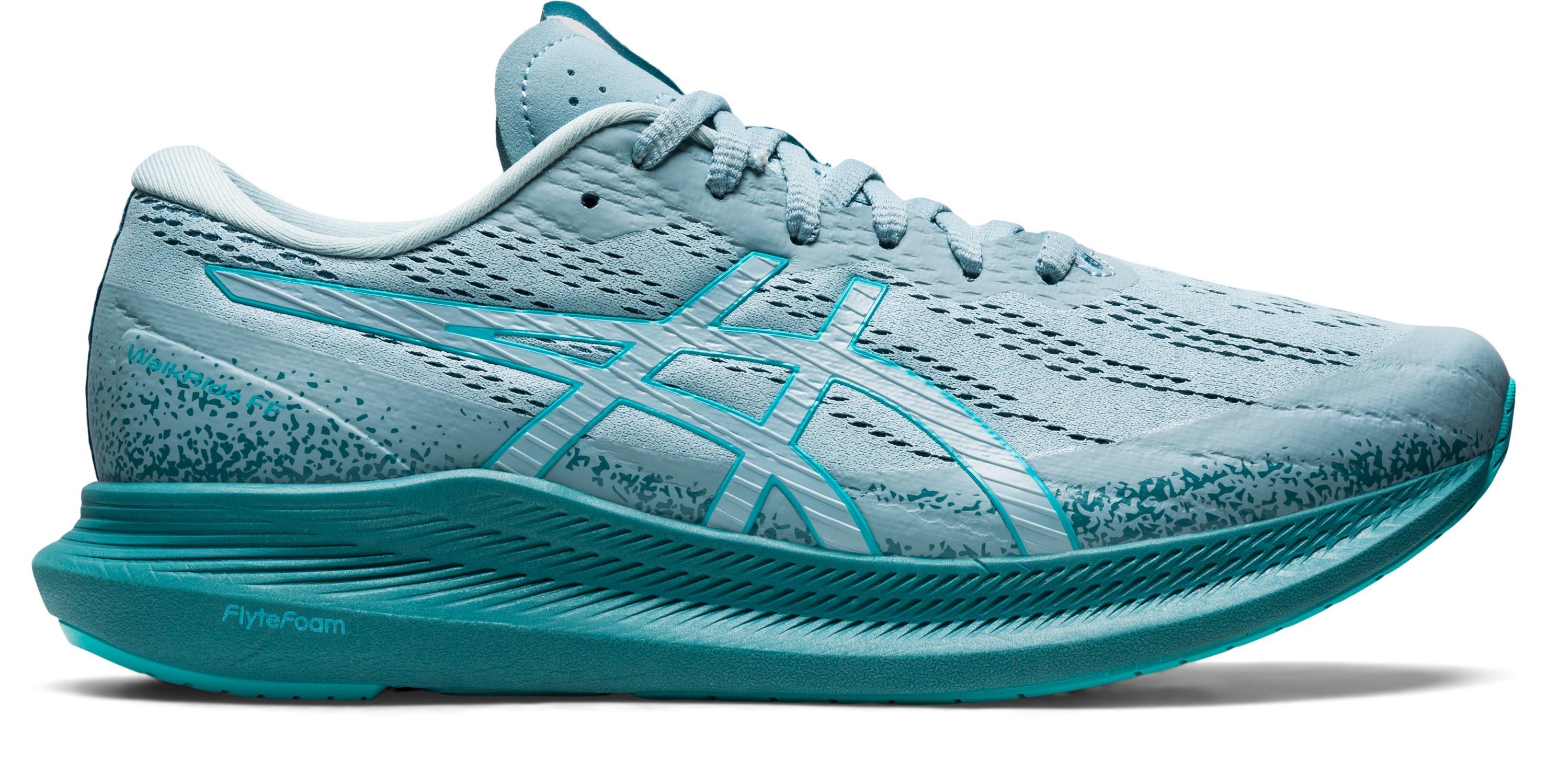
For those who transition from walking to light trails or gym workouts, a shoe with a secure fit and durable outsole is key. The ASICS GT-2000 or Gel-Kayano series are perennial favorites, featuring their signature rearfoot and forefoot GEL cushioning units and a Dynamic DuoMax Support System to enhance stability. The New Balance 990v5, famously known as the “dad shoe,” has earned a cult following not just for style but for its unparalleled combination of pigskin and mesh upper, ENCAP midsole, and superior motion control—features frequently cited on podiatry forums and Q&A sites as ideal for demanding, all-terrain use.
Investing in Comfort: The Long-Term Value of Quality Footwear
It’s tempting to view expensive walking shoes as a cost. However, from a podiatric and economic standpoint, they are a profound savings. Consider the alternative: a $50 pair of shoes that lacks support may last 300 miles before breaking down structurally, but more importantly, it may contribute to a case of plantar fasciitis. The treatment for that—orthotics, physical therapy, medication, and lost productivity—can easily run into thousands of dollars and months of pain. A well-constructed pair of podiatrist recommended walking shoes, while perhaps $120-$160 initially, is engineered to provide protective support for 500 miles or more. Furthermore, many reputable retailers and the brands’ own websites offer significant discounts on previous models during seasonal sales. Subscribing to newsletters or following these brands on social media can alert you to flash sales, where you can acquire top-tier podiatric technology at a fraction of the original price. This is where professional knowledge meets practical savings: understanding the value allows you to invest wisely, purchasing premium support during discount periods without sacrificing the health-critical features your feet require.
Your Path Forward: Stepping into Sustained Well-being
The journey to all-day comfort begins with a single, informed step. It moves beyond fleeting fashion trends into the realm of conscious self-care. By prioritizing the engineering principles endorsed by foot health specialists—superior arch support, a secure heel counter, a roomy toe box, and durable, responsive cushioning—you are not just buying shoes; you are choosing a partner for your musculoskeletal health. The evidence from podiatric literature, university studies, and the consistent recommendations of practicing experts converges on one simple truth: what you put on your feet fundamentally influences how you move through the world. Let your choice be deliberate. Seek out those podiatrist recommended walking shoes that carry the weight of scientific validation and professional approval. Your feet, and every joint connected to them, will thank you with miles of resilient, pain-free movement, turning every walk into a testament to thoughtful, body-aware living.

