

Discover the Top Podiatrist Recommended Walking Shoes for Ultimate Comfort and Support
For anyone who walks—whether it’s a daily commute, a dedicated fitness routine, or simply navigating life—the foundation of that movement is critically important. The right shoe is not merely an accessory; it is a piece of essential equipment that can mean the difference between a day filled with vitality and one hampered by discomfort or injury. This is not just anecdotal advice. The science of podiatry, the medical field dedicated to the study, diagnosis, and treatment of disorders of the foot, ankle, and lower extremity, provides a clear mandate: footwear matters. When we discuss podiatrist recommended walking shoes, we are referring to footwear that has been scrutinized and endorsed by these medical professionals for its ability to promote proper biomechanics, offer superior cushioning, and provide the structural support the human foot requires. This article delves into the core principles behind these recommendations, explores the key features that define top-tier walking shoes, and presents a curated selection designed to bring professional-grade knowledge and value directly to you.
The Foot’s Blueprint: Why Professional Guidance is Non-Negotiable
To understand the gravity of choosing the right shoe, one must first appreciate the engineering marvel that is the human foot. Each foot contains 26 bones, 33 joints, and over 100 muscles, tendons, and ligaments, all working in concert to provide balance, propulsion, and shock absorption. According to literature from authoritative institutions like the American Podiatric Medical Association (APMA), improper footwear can disrupt this delicate system, leading to a cascade of issues not limited to the feet. Problems can manifest as plantar fasciitis, metatarsalgia, bunions, and Achilles tendonitis, but the repercussions often travel upward, contributing to knee pain, hip misalignment, and even lower back pain. A viewpoint frequently echoed on platforms like Quora and in discussions among fitness experts is that many people treat foot pain as an inevitable nuisance rather than a warning sign. This is where the value of a podiatrist recommended walking shoe becomes undeniable. These shoes are designed with an intrinsic understanding of podiatric biomechanics. They are not about fleeting fashion trends but about creating an environment where the foot can function as nature intended. The APMA even offers a Seal of Acceptance to products that promote good foot health, a credible benchmark for consumers. Therefore, investing in such footwear is an investment in the foundational stability of your entire musculoskeletal system.
:max_bytes(150000):strip_icc()/podiatrist-recommended-walking-shoes-e1b90077185d4e6cadbf6327c4d17db7.jpg)
Deconstructing Support: The Pillars of a Superior Walking Shoe
What specific elements transform an ordinary sneaker into a podiatrist-endorsed powerhouse? The answer lies in a combination of design features that address the three primary phases of the gait cycle: heel strike, mid-stance, and toe-off. First and foremost is arch support. Contrary to popular belief, arch support isn’t just for those with flat feet. Proper arch support helps maintain the foot’s natural alignment, preventing overpronation (excessive inward roll) or supination (outward roll). This is a principle supported by biomechanics research from universities like the University of Virginia’s School of Medicine, which links controlled motion to reduced injury risk. Next is heel counter rigidity. A firm heel cup stabilizes the rearfoot, anchoring the heel to prevent slippage and provide a stable platform for each step. Third is adequate toe box space. As noted by many podiatrists on YouTube channels dedicated to foot health, a cramped toe box can lead to deformities like hammertoes and exacerbate conditions like bunions. The toe box should be deep and wide enough to allow your toes to splay naturally upon weight-bearing. Finally, the midsole material and construction are critical for cushioning and energy return. Materials like EVA (ethylene-vinyl acetate) foam, polyurethane, and newer technologies like TPU (thermoplastic polyurethane) guides offer varying degrees of softness, durability, and responsiveness. A well-constructed podiatrist recommended walking shoe will strategically place firmer and softer densities of these materials to guide the foot through a healthy, efficient gait.
Cushioning vs. Stability: Striking the Personal Balance
A common point of confusion for consumers is the tension between cushioning and stability. Some believe maximum cushioning, like that found in many “cloud-like” sneakers, is always best. However, podiatric wisdom suggests this is a nuanced decision. Excessive, overly soft cushioning can actually destabilize the foot, much like walking on sand, forcing the small stabilizer muscles to work overtime and potentially leading to fatigue and strain. As Dr. Jacqueline Sutera, a renowned New York City podiatrist, has stated in interviews, “A shoe that is too soft lacks the necessary support and can cause the foot to roll inward more than it should.” On the other end, a shoe that is too rigid and controlling can inhibit the foot’s natural motion and weaken intrinsic muscles over time. The ideal podiatrist recommended walking shoe finds a harmonious balance. It provides ample cushioning at the heel and forefoot to attenuate shock—a force that can be 1.5 times your body weight with each step—while incorporating strategic support features like a medial post (a denser area of foam on the inner side of the midsole) or an integrated stability bridge to prevent excessive pronation without completely immobilizing the foot. Your individual needs, dictated by your arch type, weight, and any pre-existing conditions, will determine where on the cushioning-stability spectrum your perfect shoe lies.
:max_bytes(150000):strip_icc()/I-Asked-Podiatrists-for-Their-Fall-Shoe-Recommendations-These-Are-Their-Top-8-Picks-8fbdf9d65f3a4228ae63f6e5253dc08c.jpg)
Beyond the Shoe: The Synergy of Socks, Insoles, and Gait Analysis
While the shoe itself is the cornerstone, achieving ultimate comfort and support is often a holistic endeavor. A high-quality shoe can be undermined by poor sock choice. Podiatrists frequently recommend seamless, moisture-wicking socks made from merino wool or synthetic blends to reduce friction and blister risk—a simple upgrade with profound impact. Furthermore, even the best off-the-shelf shoe may not be perfect for every foot. This is where custom or over-the-counter orthotic insoles come into play. For individuals with significant biomechanical issues, a custom orthotic prescribed by a podiatrist is the gold standard, as it is a three-dimensional mold of your foot designed to correct specific imbalances. However, for many, high-quality prefabricated insoles from brands like Superfeet or Powerstep can offer a significant boost in arch support and metatarsal padding, effectively customizing a good shoe to make it great. The most insightful step one can take, however, is a professional gait analysis. Offered by many specialty running and walking stores, as well as podiatry clinics, this analysis involves walking or running on a treadmill while being recorded. The slow-motion video reveals subtleties in your stride that are invisible to the naked eye, providing concrete data to inform your choice of podiatrist recommended walking shoes. It transforms shoe buying from a guessing game into a science.
A Curated Selection: Where Professional Knowledge Meets Value
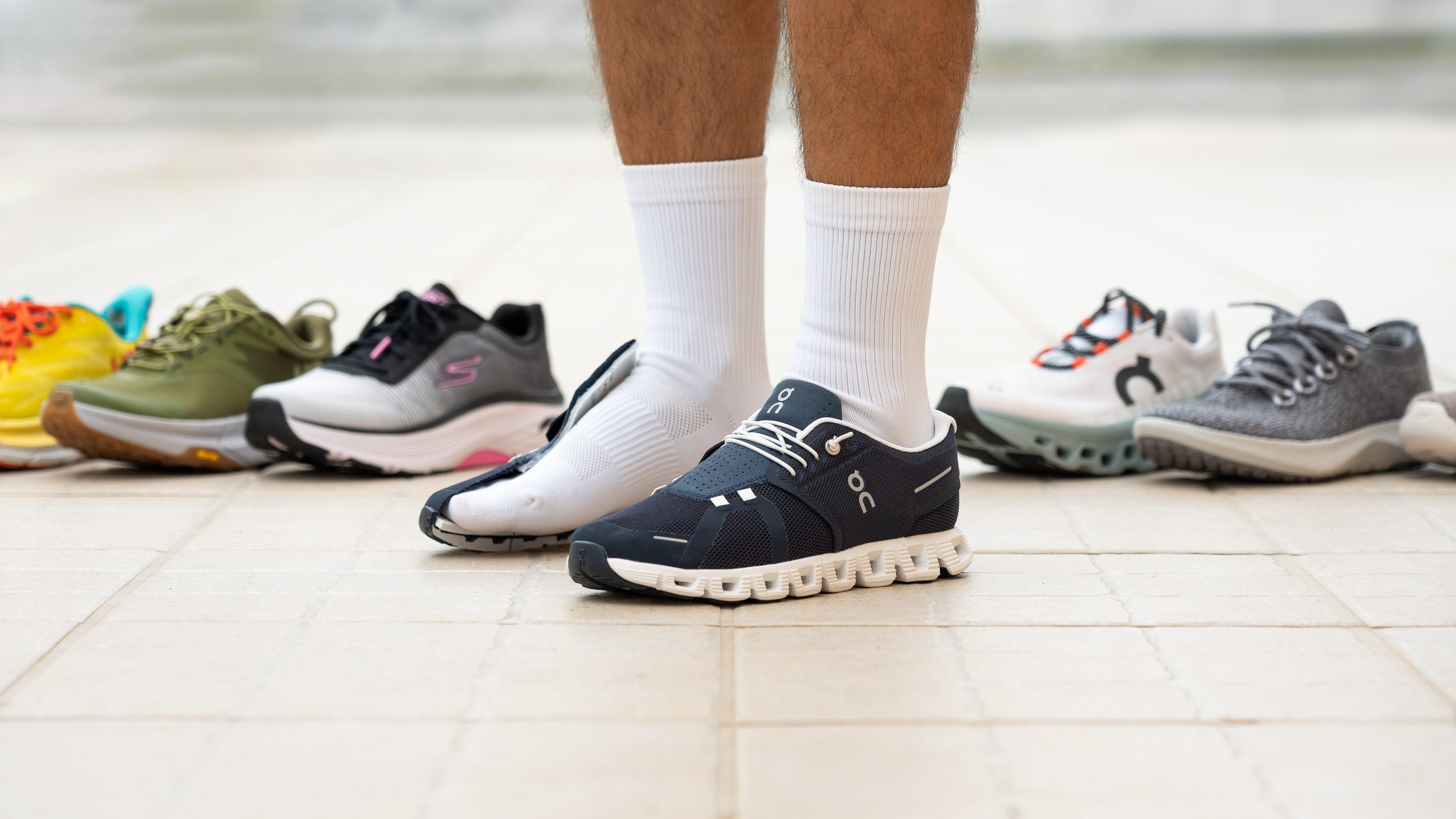
Armed with this knowledge, let’s examine categories of shoes that consistently earn podiatrists’ nods. It’s important to remember that “best” is subjective, but these models exemplify the principles discussed. For those requiring maximum stability and motion control, shoes like the Brooks Addiction Walker or the New Balance 928 are frequently cited. They feature extended progressive diagonal rollbars and firm heel counters to decisively manage overpronation. For the walker seeking a blend of cushioning and moderate support, the HOKA ONE ONE Bondi series or the ASICS Gel-Nimbus are exemplary. HOKA’s meta-rocker geometry promotes a smooth heel-to-toe transition, while ASICS’ Gel cushioning systems in the rearfoot and forefoot are legendary for shock absorption. For everyday comfort with a focus on a spacious fit, particularly for those with wider feet or bunions, the Altra Paradigm or Topo Athletic Ultrafly stand out with their anatomically shaped, foot-shaped toe boxes. The beauty of today’s market is that these professional-grade tools are accessible. Furthermore, savvy shoppers can find exceptional value by looking for previous model years of these podiatrist recommended walking shoes, which often see significant discounts as new colorways are released, without compromising on the core technology.
The Final Step: Listening to Your Body’s Feedback
The journey does not end at the purchase. A new pair of shoes, no matter how highly recommended, requires a break-in period. Start by wearing them for short intervals indoors to assess fit and feel without commitment. Pay attention to specific pressure points: is there rubbing at the heel or the little toe? Is there a pinching sensation over the instep? Minor discomfort from stiff new materials may ease, but pain is a warning. Remember the words of the famous runner and author, Dr. George Sheehan: “Listen to your body. Do not be a blind and deaf tenant.” This philosophy applies perfectly to footwear. Your body provides immediate and honest feedback. A truly great podiatrist recommended walking shoe should feel supportive and comfortable from the very first steps, with no “hot spots” or areas of sharp pressure. It should feel like a natural extension of your foot, facilitating movement rather than dictating or hindering it. This personalized feedback loop—informed by professional knowledge but interpreted through your own experience—is the ultimate determinant of success.
Choosing the right walking shoe is a deliberate act of self-care with far-reaching implications for your mobility and well-being. It moves beyond aesthetics into the realm of biomechanical science and preventive health. By prioritizing the features and endorsements that matter—seeking out those podiatrist recommended walking shoes built on principles of support, cushioning, and anatomical respect—you are not just buying a product. You are investing in the health of your feet, the foundation upon which you move through your world. This investment pays dividends in every step, empowering you to walk farther, feel better, and engage with life on your own terms, free from the limitations of foot pain and discomfort.

