

Discover the Best Podiatrist Recommended Walking Shoes for All-Day Comfort
Your feet are your foundation, and the shoes you choose for walking can mean the difference between a day filled with vibrant energy and one hampered by discomfort. The quest for the perfect walking shoe is not merely about fashion or trend; it is a critical investment in your long-term musculoskeletal health. This guide cuts through the marketing noise to focus on the core principles of foot biomechanics, distilling insights from podiatric medicine to help you identify the true, scientifically-backed champions of comfort. We will explore the non-negotiable features that define podiatrist recommended walking shoes, provide objective analysis of key technologies, and connect you with options that bring professional-grade support to your everyday stride, often at accessible price points.
The Science of Stride: Why Your Feet Demand Expert-Approved Footwear
Walking is a complex series of biomechanical events—heel strike, foot flat, mid-stance, heel-off, and toe-off. Each phase places unique stresses on the bones, ligaments, and tendons of the foot and ankle. According to literature from the American Podiatric Medical Association (APMA), improper footwear can disrupt this natural gait cycle, leading to a cascade of issues from plantar fasciitis and metatarsalgia to knee, hip, and even lower back pain. The primary function of a podiatrist recommended walking shoe is to support and enhance this natural motion, not constrain it. This involves a precise combination of cushioning, stability, and flexibility. For instance, a study cited in the Journal of Foot and Ankle Research emphasizes the role of midsole geometry in controlling overpronation, a common cause of injury. Therefore, the “best” shoe is highly individual, dependent on your unique foot structure, gait pattern, and any pre-existing conditions. The goal is to find a shoe that acts as a seamless extension of your foot, providing protection without interference, a principle consistently echoed by sports medicine specialists at institutions like the University of California, San Francisco’s Department of Orthopaedic Surgery.
Decoding the Anatomy of a Perfect Walking Shoe
1. The Foundation: Midsole Cushioning and Stability Technologies
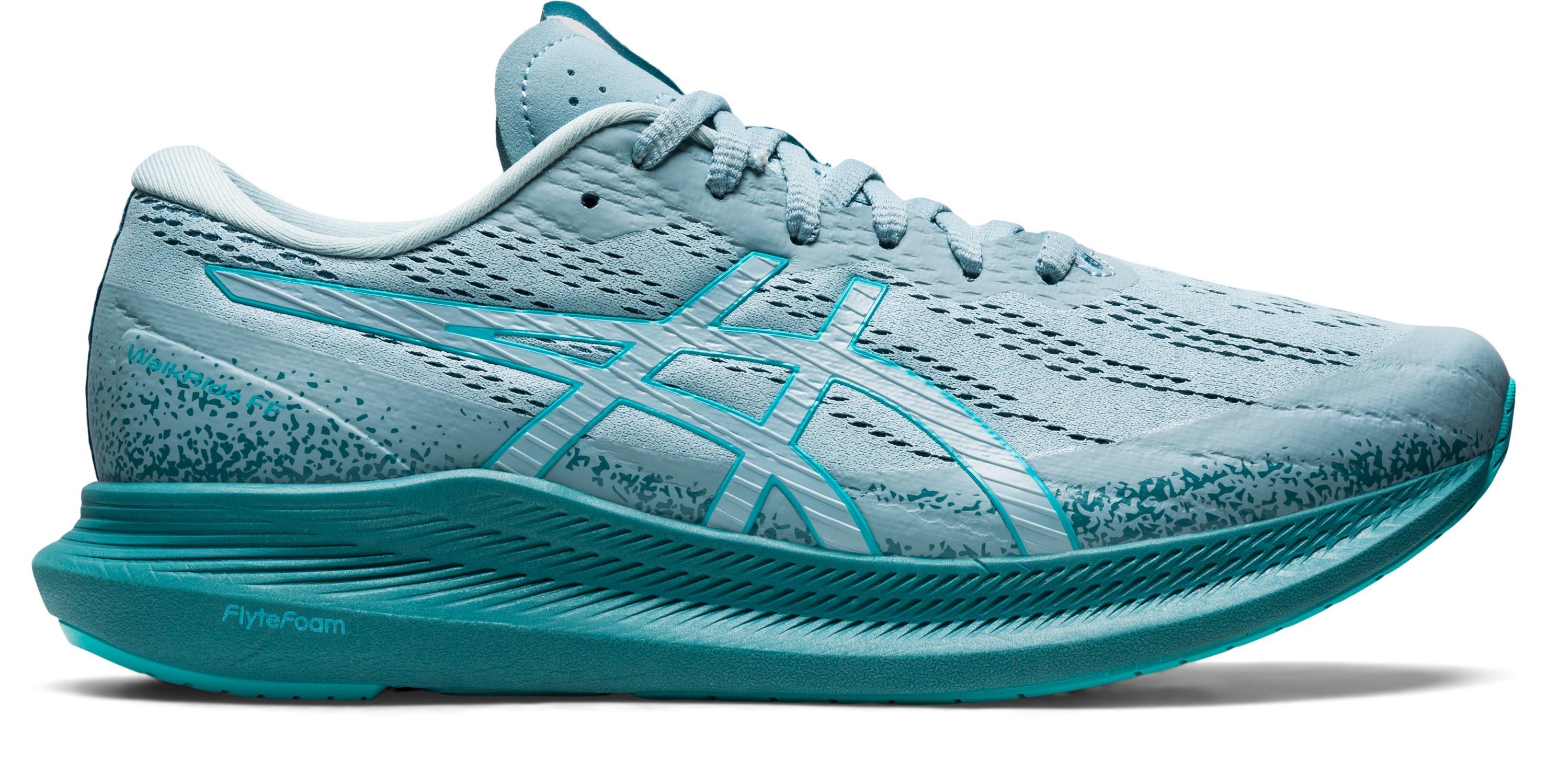
The midsole is the engine room of a walking shoe. Its materials and construction dictate shock absorption, energy return, and medial-lateral stability. Two primary philosophies exist: maximal cushioning and balanced stability. Brands like HOKA ONE ONE, frequently endorsed by podiatrists for high-mileage walkers, utilize thick, lightweight EVA or proprietary foams like Profly+ to create a plush, protective platform that reduces impact forces on joints. Conversely, brands like ASICS and Brooks often integrate dual-density foams or guide rails (as seen in Brooks’ GuideRails technology) within the midsole. These are not rigid “motion control” bars of the past but sophisticated systems that work in tandem with your biomechanics. As Dr. Brad Schaeffer, a New York-based podiatrist, noted in a Footwear News interview, “Modern stability technology is about offering progressive support—it’s there when you need it during pronation but doesn’t fight your foot when you don’t.” This objective, scientific approach to midsole design is a hallmark of podiatrist recommended walking shoes, aiming to reduce fatigue and injury risk over extended periods.
2. The Interface: Upper Construction and Last Shape
While the midsole manages force, the upper manages fit. A high-quality walking shoe upper should be constructed from engineered meshes or flexible, breathable materials that adapt to the foot’s shape without causing pressure points or restrictive “hot spots.” The last—the foot-shaped form around which the shoe is built—is crucial. Podiatrists often recommend shoes with a roomy toe box, allowing the toes to splay naturally during toe-off, a concept popularized by the “natural foot movement” philosophy. Brands like Altra design all their shoes with a “FootShape” toe box for this exact reason. Furthermore, seamless or minimally seamed interiors prevent blisters and irritation, a detail frequently highlighted in reviews on expert-run sites like Runner’s World and Verywell Fit. The closure system, typically laces or a secure BOA fit, should allow for precise adjustability to accommodate different instep heights and swelling that may occur throughout the day.

3. The Connection: Outsole Traction and Flexibility
The outsole is your connection to the ground. Its primary duties are to provide durable traction and facilitate a natural flex at the forefoot. Durable carbon rubber or blown rubber compounds are used in high-wear areas (like the heel) to extend the shoe’s life. The flex grooves or segmentation in the outsole must align with the natural bending points of your foot, primarily at the metatarsophalangeal joints. A shoe that is too stiff will force your foot and calf muscles to work harder, leading to premature fatigue. Conversely, a shoe that is too flexible may lack necessary support. The ideal, as outlined in podiatric guidelines, offers a “controlled flex.” This ensures stability through mid-stance while allowing an efficient roll-through during propulsion. This balance is a key differentiator for casual sneakers versus dedicated podiatrist recommended walking shoes.
Beyond the Basics: Specialized Considerations for Different Needs
Not all walks are created equal, and neither are all feet. A shoe perfect for a daily 3-mile pavement walk may not suit someone with specific biomechanical needs. For individuals with plantar fasciitis, podiatrists often emphasize shoes with exceptional arch support and a firm heel counter to limit excessive strain on the plantar fascia. Brands like Vionic and certain models from New Balance, which carry the APMA Seal of Acceptance, are frequently cited in this category. For those with wider feet or bunions, the aforementioned wide toe box is non-negotiable. Furthermore, the needs of a walker prioritizing all-day comfort on hard retail floors differ from those of a weekend trail walker. The latter requires a more aggressive outsole lug pattern and potentially a rock plate for underfoot protection, features found in hybrid walking/hiking shoes from brands like Merrell or Salomon. The common thread is the application of podiatric principles—support, cushioning, and fit—to specific use cases.
:max_bytes(150000):strip_icc()/I-Asked-Podiatrists-for-Their-Fall-Shoe-Recommendations-These-Are-Their-Top-8-Picks-8fbdf9d65f3a4228ae63f6e5253dc08c.jpg)
Investing in Your Foundation: Where Value Meets Expertise
Acquiring true podiatrist recommended walking shoes is an investment, but it need not break the bank. The proliferation of direct-to-consumer brands and frequent sales cycles from major retailers has made professional-grade footwear more accessible than ever. The key is knowing where to look and what to prioritize. First, consider shopping at specialty running or walking stores where staff are trained in basic gait analysis. While not a substitute for a podiatrist’s diagnosis, this service can point you toward suitable categories. Second, be strategic with timing. New models are released annually, and previous generations—which often retain the core podiatric technologies—are frequently discounted by 30-50%. Websites of brands like Brooks, ASICS, and Saucony have robust “outlet” or “sale” sections. Third, don’t overlook the value of insoles. If you have a perfect upper and outsole but need more arch support, a pair of over-the-counter orthotics from a brand like Superfeet or Powerstep, often recommended by podiatrists as a first-line intervention, can customize a good shoe into a great one for a fraction of the cost of custom orthotics.
Your journey to pain-free, energized walking begins with a single, informed step. By prioritizing the biomechanical principles endorsed by podiatric science—seeking out shoes with intelligent cushioning, adaptive stability, anatomical fit, and durable construction—you move beyond mere footwear into the realm of preventative health tools. The market is rich with options that embody these qualities, and with savvy shopping, they are within reach. Remember, the most advanced shoe is the one that disappears on your foot, allowing you to move through your day with strength and comfort, supported by the invisible engineering of podiatrist recommended walking shoes.

