

Discover the Best Podiatrist Recommended Walking Shoes for All-Day Comfort
Your feet are your foundation, carrying you through thousands of steps each day. Yet, so many of us endure discomfort, pain, and fatigue simply because we haven’t given our feet the proper architectural support they deserve. The quest for the perfect walking shoe isn’t about fleeting fashion trends; it’s a fundamental investment in your mobility and long-term well-being. This journey leads us directly to the expertise of podiatrists—medical professionals specializing in foot, ankle, and lower extremity health. Their recommendations are not mere opinions but are grounded in biomechanics, anatomy, and clinical evidence. When we talk about podiatrist recommended walking shoes, we are referring to footwear that has been scrutinized and endorsed for its ability to promote proper alignment, absorb impact, and provide stability, thereby preventing a host of common foot ailments. This article will guide you through the essential features, scientific principles, and top considerations for selecting shoes that offer genuine, all-day comfort, transforming your daily walks from a chore into a joy.
The Science of Stride: Why Your Shoes Matter More Than You Think
Walking is a complex, repetitive motion involving a precise sequence of heel strike, foot flat, mid-stance, heel-off, and toe-off. Each phase places unique stresses on the bones, muscles, and ligaments of your feet and legs. Improper footwear disrupts this kinetic chain, leading to compensatory movements that can cause pain not only in the feet but also in the knees, hips, and lower back. According to biomechanics literature from institutions like the University of Calgary’s Human Performance Lab, the right shoe acts as a critical interface between your body and the ground, managing forces that can be up to 1.5 times your body weight with each step. Podiatrist recommended walking shoes are engineered to address these forces through specific design elements. For instance, a study often cited in podiatric journals highlights that shoes with adequate rearfoot control and a firm heel counter can reduce excessive pronation (inward rolling of the foot), a major contributor to plantar fasciitis and shin splints. The objective is not to create an overly cushioned “pillow” for your foot, but rather a structured environment that guides and supports its natural, healthy movement pattern. This scientific foundation is what separates a medically endorsed shoe from a generic athletic sneaker.
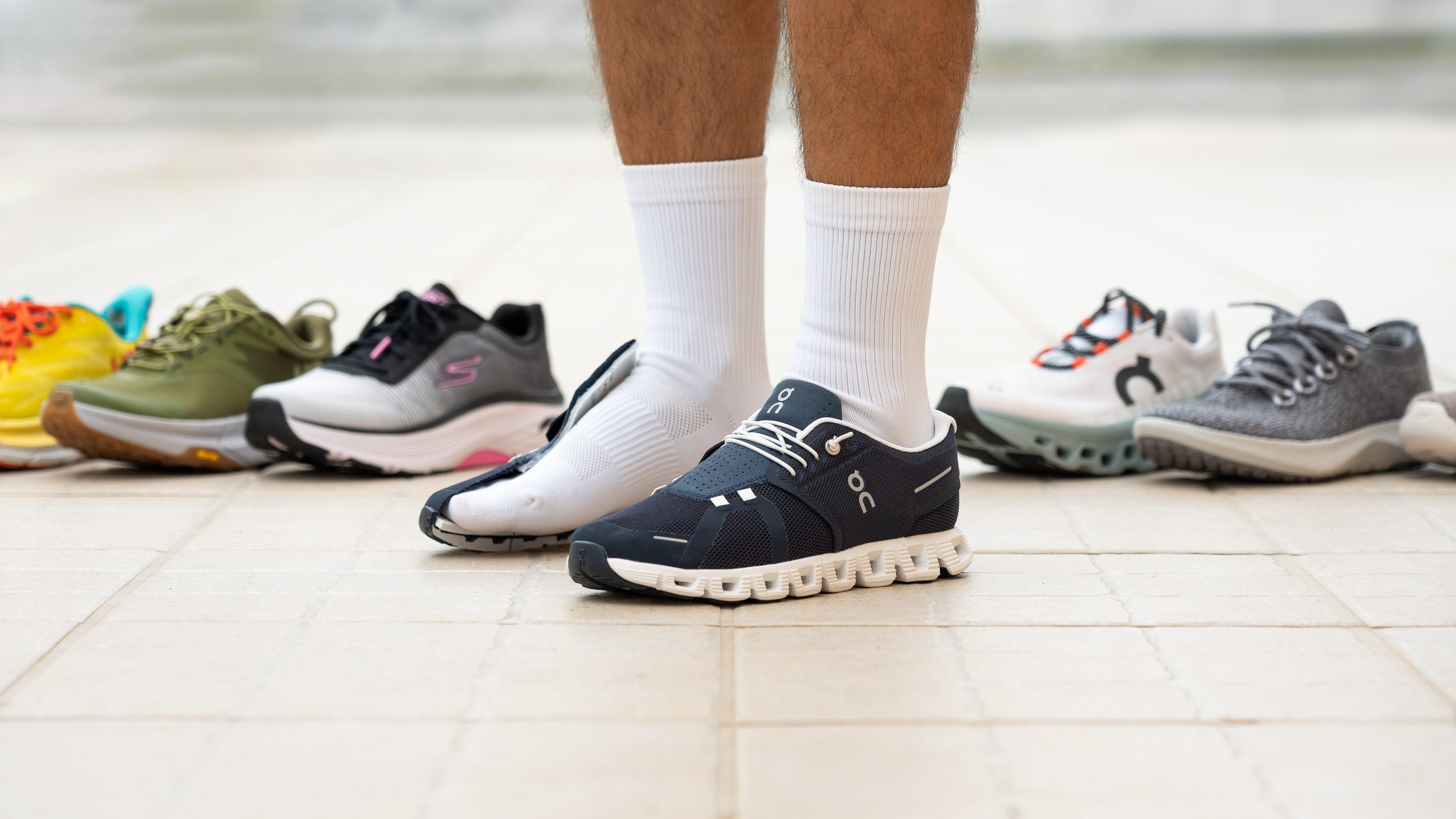
Decoding the Anatomy of a Superior Walking Shoe
To understand what makes a shoe worthy of a podiatrist’s stamp of approval, we must dissect its key components. First, let’s consider the midsole. This is the heart of the shoe’s cushioning and stability, typically made from materials like EVA (ethylene-vinyl acetate) foam, polyurethane, or proprietary compounds like ASICS’ FlyteFoam. The density and construction of the midsole determine how it disperses impact. A dual-density midsole, where the medial (inner) side is firmer, is a hallmark of many podiatrist recommended walking shoes as it combats overpronation. Next is the heel counter, the rigid cup that wraps around the back of your heel. A firm, well-padded heel counter stabilizes the rearfoot, preventing slippage and controlling heel strike alignment. The toe box is another critical area. As noted by the American Podiatric Medical Association (APMA), a roomy, foot-shaped toe box allows your toes to splay naturally upon weight-bearing, which enhances balance and reduces the risk of conditions like bunions and hammertoes. Finally, the outsole and its flex grooves must facilitate a smooth roll-through from heel to toe. The flexibility should be at the ball of the foot, not the arch, to maintain support. Each of these elements works in concert, a principle echoed by Dr. Jacqueline Sutera, a renowned New York City podiatrist, who often states on platforms like Healthline: “A good walking shoe should feel supportive and stable from the moment you put it on, without any ‘break-in’ period needed.”
Beyond the Brand: Features That Forge True Comfort
While brand reputation can be a guide, the true markers of an exceptional walking shoe lie in its specific features. Arch support is paramount. Whether you have high, low, or neutral arches, the shoe must complement your foot’s structure. Many top-tier walking shoes offer removable insoles, allowing you to replace them with custom orthotics if prescribed by a podiatrist. Breathability is another non-negotiable factor. A mesh upper, like those found in many modern performance shoes, promotes airflow, keeping feet cool and dry to prevent blisters and fungal infections. Weight is also a crucial consideration. A lighter shoe reduces the energy cost of lifting your foot with each step, decreasing leg fatigue over long distances. However, lightness should not come at the expense of structure. Furthermore, consider the shoe’s intended environment. Are you primarily walking on paved roads, treadmill belts, or natural trails? The outsole tread pattern should match the surface for optimal grip and durability. The convergence of these features—targeted arch support, breathable materials, strategic weight, and appropriate traction—defines the category of podiatrist recommended walking shoes. They are tools designed for a specific physiological purpose, much like a well-engineered chair supports your spine during a long workday.
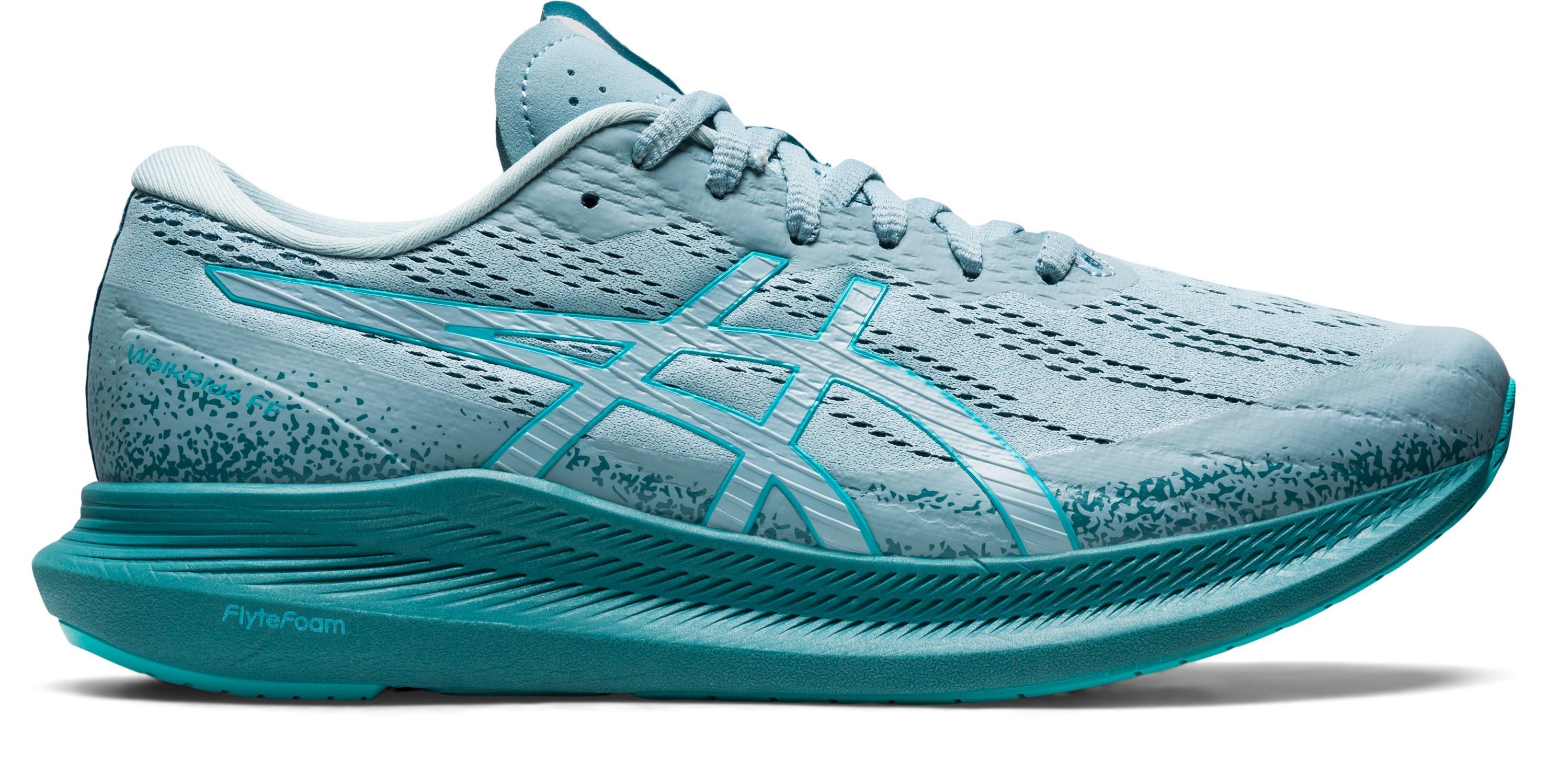
Navigating the Market: How to Identify and Select Your Ideal Pair
With countless options on the shelf, selecting the right pair can feel overwhelming. The most important step is to ignore assumptions about your size and have your feet measured professionally, preferably at the end of the day when they are at their largest. Always try on shoes with the type of socks you intend to wear for walking. There should be about a thumb’s width of space (roughly 3/8 to 1/2 inch) between your longest toe and the end of the shoe. Don’t just stand still; walk around the store, preferably on a hard surface. Pay attention to any points of pinching, slipping, or rubbing. The shoe should feel secure at the heel and midfoot while allowing freedom for your toes. Look for models that have earned the APMA Seal of Acceptance, a reliable indicator that a committee of podiatrists has evaluated the shoe and found it promotes good foot health. Furthermore, leverage the wealth of community-driven reviews on platforms like Runner’s World or dedicated Q&A sites where real users with similar foot types share their long-term experiences. Remember, the most expensive shoe is not necessarily the best for you. The goal is to find the shoe that addresses your individual biomechanical needs, making the search for podiatrist recommended walking shoes a personalized journey, not a one-size-fits-all purchase.
The Price of Comfort: Investing in Your Foundation
It’s tempting to view high-quality walking shoes as a significant expense, but this perspective shifts when you consider them as preventative healthcare. The cost of treating common foot problems like plantar fasciitis—involving physical therapy, orthotics, medications, and potential lost productivity—far exceeds the price of a premium pair of supportive shoes. As the ancient philosopher Socrates is often paraphrased, “When your feet hurt, you hurt all over.” This simple truth underscores the systemic impact of foot health. The good news is that investing in quality doesn’t always mean paying full retail. Many reputable brands offer previous-season models at substantial discounts, often with only minor cosmetic changes from the latest version. Outlet stores, official brand websites during holiday sales, and certified online retailers frequently have excellent deals. The key is to know your correct size and the specific model that works for you, so you can confidently purchase when you see a sale. By prioritizing the engineering and materials that constitute podiatrist recommended walking shoes, you are making a cost-effective investment in your daily comfort and long-term mobility, an investment that pays dividends with every pain-free step you take.
:max_bytes(150000):strip_icc()/favorite-walking-shoes-round-up-november-2024-458c3fc0c6844adca7c0a34ebc5cfb9b.jpg)
A Step in the Right Direction: Embracing a Life in Motion
The right footwear is the cornerstone of an active, healthy lifestyle. It empowers you to walk further, explore more, and engage with the world without the constant distraction of foot pain. This isn’t just about buying a product; it’s about adopting a philosophy of self-care that starts from the ground up. The endorsement of a podiatrist provides a trusted filter in a crowded market, guiding you toward shoes built on principles of human anatomy rather than marketing hype. When you lace up a pair of truly supportive podiatrist recommended walking shoes, you’re not just putting on sneakers—you’re equipping your body with the technology it needs to move as nature intended. You’ll notice the difference in the renewed spring in your step, the absence of afternoon fatigue in your legs, and the simple pleasure of a walk that feels good from start to finish. Let your search for the perfect pair be the first step on a longer, happier, and healthier path forward.

