

Discover the Best Podiatrist Recommended Walking Shoes for All-Day Comfort
Your feet are your foundation, and the shoes you choose for walking can mean the difference between a day filled with vibrant energy and one hampered by discomfort or even pain. The quest for the perfect walking shoe is not merely about style or trend; it is a critical investment in your long-term musculoskeletal health and daily well-being. This guide cuts through the marketing noise to focus on what truly matters: the science of support, the principles of biomechanics, and the specific features that earn a shoe the coveted designation of being podiatrist recommended walking shoes. We will explore the objective criteria that define these shoes, drawing from podiatric literature, biomechanical studies, and the distilled wisdom of foot care professionals, to empower you with the knowledge needed for your next purchase.
The Science of Stride: Why Your Feet Demand Expert-Approved Footwear
Walking is a complex series of biomechanical events—a gait cycle involving heel strike, foot flat, mid-stance, heel-off, and toe-off. Each phase places unique stresses on the bones, ligaments, and tendons of the foot and ankle. According to research from institutions like the American Podiatric Medical Association (APMA), improper footwear can disrupt this natural cycle, leading to a cascade of issues from plantar fasciitis and metatarsalgia to knee, hip, and lower back pain. A podiatrist recommended walking shoe is engineered to support this cycle. It provides structured cushioning to absorb the shock of heel strike (which can be 1.5 times your body weight), a supportive midsole to stabilize the foot during mid-stance and prevent excessive pronation or supination, and a flexible forefoot to facilitate a smooth toe-off. This is not anecdotal advice; it’s applied biomechanics. As noted in resources from the University of Washington’s Department of Orthopaedics, footwear is the most modifiable external factor influencing gait mechanics. Therefore, selecting a shoe designed with these principles is a proactive measure for preventive health, aligning your daily movement with the natural engineering of the human body.
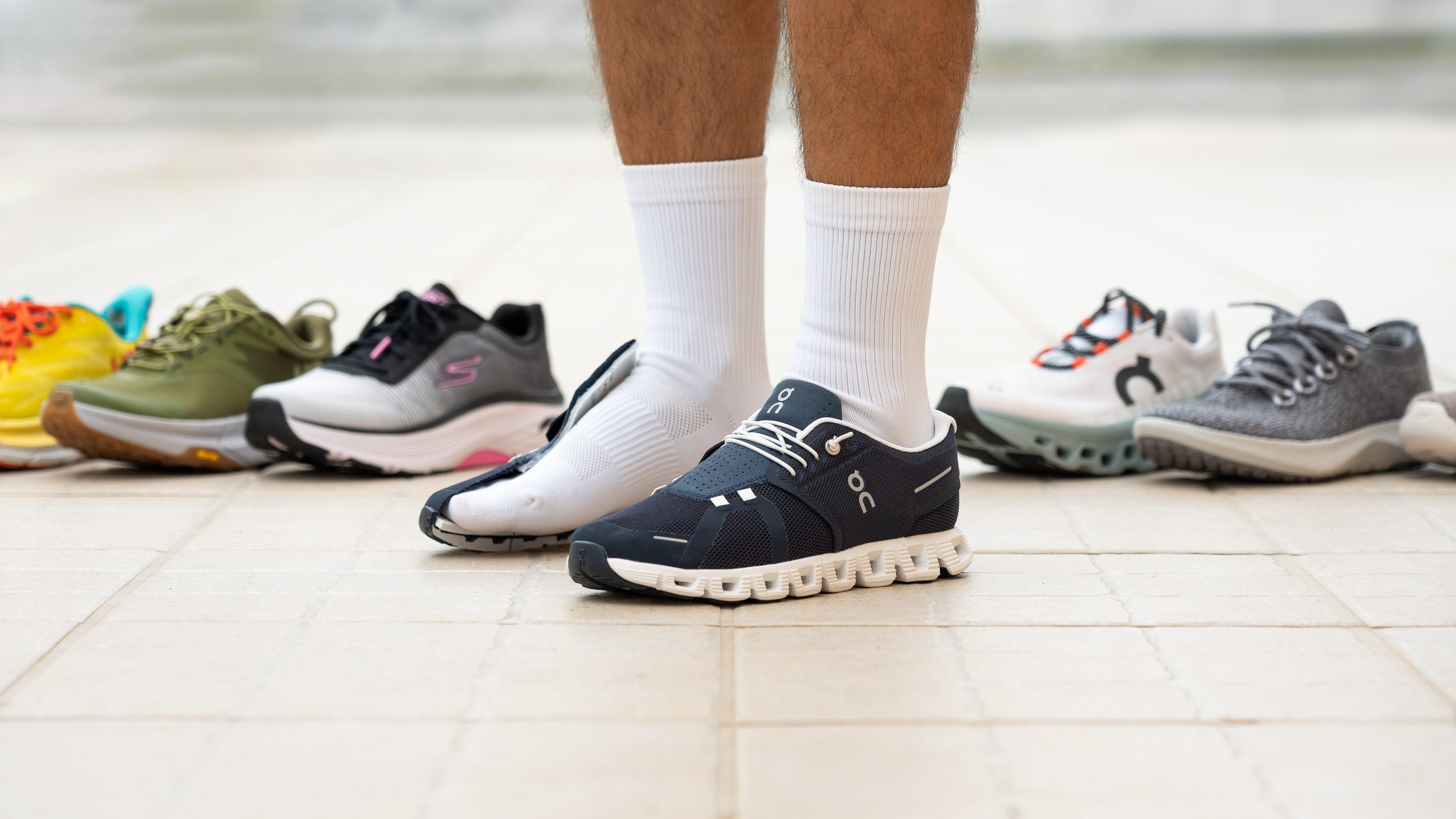
Decoding the Anatomy of a Podiatrist-Recommended Shoe
What specific elements transform an ordinary sneaker into a podiatric ally? Let’s dissect the key components, referencing criteria often cited by APMA Seal of Acceptance reviews and podiatric publications. First, the heel counter: this is the firm cup at the back of the shoe that cradles the heel bone (calcaneus). A rigid, well-padded heel counter prevents lateral movement, ensuring stability and reducing the risk of conditions like Achilles tendonitis. Second, the arch support or medial post. This is not a one-size-fits-all cushion; it is a contoured structure that matches the topography of your foot’s arch, providing essential support to the plantar fascia ligament. A lack of proper arch support is a primary contributor to plantar fasciitis, a condition famously discussed by running experts like Dr. Mark Cucuzzella in his advocacy for natural movement and proper footwear. Third, the toe box. A hallmark of podiatrist recommended walking shoes is a spacious, rounded, or foot-shaped toe box that allows the toes to splay naturally upon weight-bearing. This design, championed by brands informed by barefoot science, prevents crowding, reduces pressure on the joints, and can help mitigate bunions and neuromas. Finally, the midsole material. Advanced compounds like EVA (ethylene-vinyl acetate), polyurethane, or proprietary gels (like ASICS GEL) offer a balance of cushioning and responsiveness. The goal is energy return and shock attenuation, not just softness. A shoe that is too soft can lack stability, causing the foot to work harder to find a stable platform.
Material Matters: From Uppers to Outsoles
The construction materials play an equally vital role in comfort and function. The upper should be made of breathable, flexible, yet supportive materials like engineered mesh or premium leather. Breathability is crucial for temperature and moisture control, preventing the environment where fungi like athlete’s foot thrive. The outsole requires a focus on durability and traction. Carbon rubber is often used in high-wear areas like the heel for longevity, while blown rubber or lighter compounds in the forefoot aid flexibility. The tread pattern should provide multi-directional grip to prevent slips, a feature especially important for those who walk on varied surfaces. As biomechanist Dr. Casey Kerrigan, founder of OESH Shoes, has highlighted in her research, the stiffness of a typical shoe outsole can impair the foot’s natural spring-like function. Therefore, the best podiatrist recommended walking shoes seek a delicate balance: an outsole durable enough for pavement yet flexible enough to work with the foot’s anatomy, not against it. This holistic approach to material science ensures the shoe performs as a synergistic extension of the body.
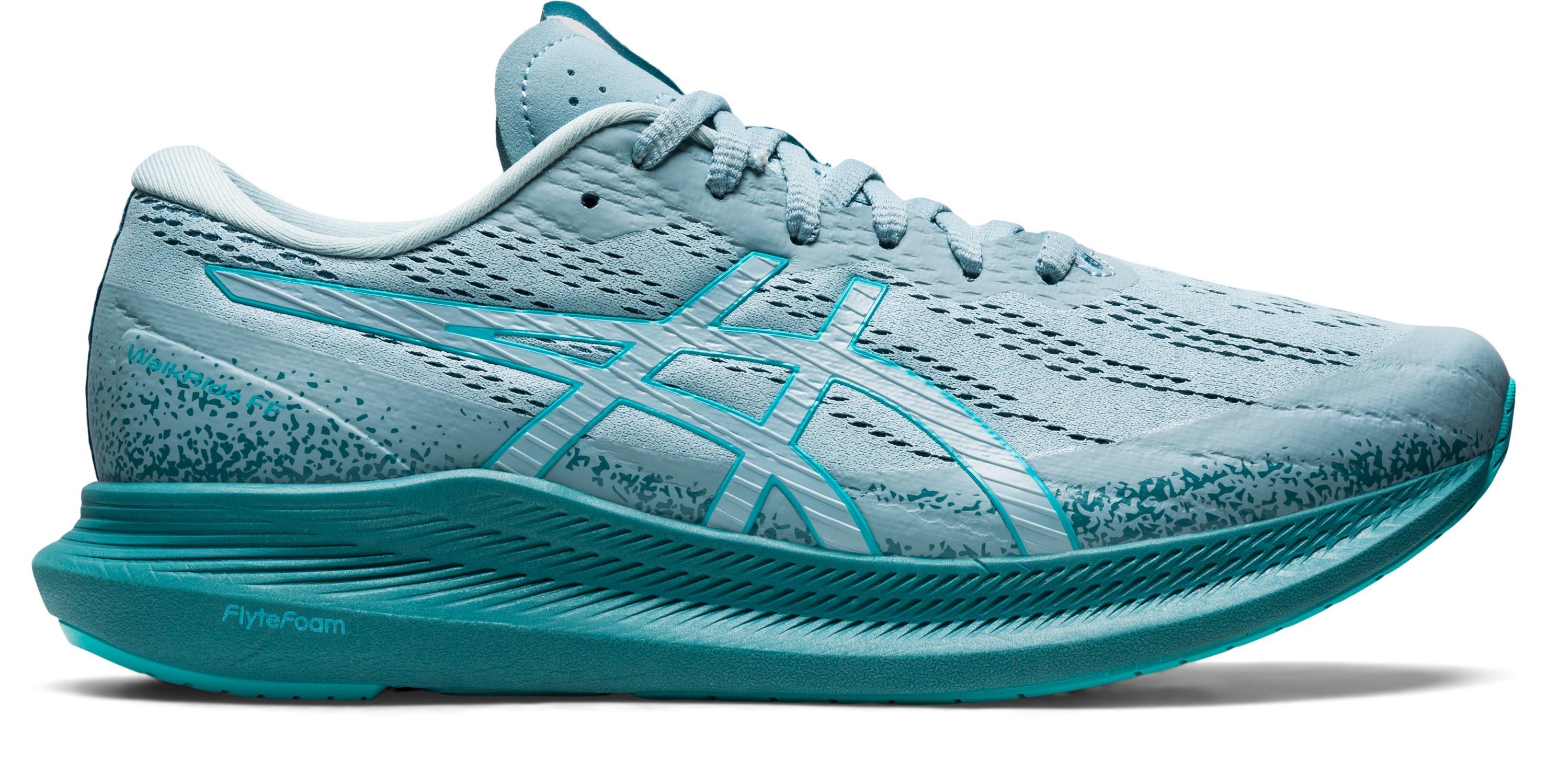
Beyond the Brand: How to Assess a Shoe Like a Podiatrist
You don’t need a medical degree to apply a podiatrist’s lens when shoe shopping. Start with the “flex test.” Bend the shoe at the ball of the foot. It should flex easily at the point where your own toes bend, not in the middle of the arch. A shoe that bends in the arch compromises its support structure. Next, perform the “twist test.” Gently twist the shoe. A good walking shoe will offer resistance to torsion, indicating it has the stability to control the foot’s motion through the gait cycle. Then, examine the “heel counter test.” Squeeze the back of the heel. It should be firm and resistant to collapse. Finally, trust the “feel test” but do so wisely. The shoe should feel comfortable and supportive immediately. The outdated notion that shoes require a lengthy “break-in” period is, as many podiatrists will attest, a myth. A proper podiatrist recommended walking shoe should feel right from the first step. As noted on platforms like Quora in threads moderated by healthcare professionals, persistent discomfort in a new shoe is a red flag, not a challenge to be overcome. Your foot’s feedback is the most immediate diagnostic tool you have.
Investing in Your Foundation: The Long-Term Value of Proper Footwear
Viewing quality walking shoes as an expense is a short-sighted perspective; in reality, they are a high-return investment in your health and vitality. Consider the cost-benefit analysis: a premium pair of podiatrist recommended walking shoes might carry a higher initial price tag, but it pales in comparison to the cumulative cost of treating foot problems—specialist co-pays, orthotics, physical therapy sessions, and lost productivity due to pain. Furthermore, the right shoes enhance the quality and enjoyment of your daily activities, whether it’s exploring a new city, keeping pace with grandchildren, or simply finding joy in a post-dinner stroll. This aligns with a philosophy echoed by thought leaders in wellness, who emphasize that foundational health investments (sleep, nutrition, movement) yield the greatest dividends. Your feet carry you through every experience of your life; outfitting them with the best possible support is an act of profound self-care that pays off with every pain-free step you take.
:max_bytes(150000):strip_icc()/I-Asked-Podiatrists-for-Their-Fall-Shoe-Recommendations-These-Are-Their-Top-8-Picks-8fbdf9d65f3a4228ae63f6e5253dc08c.jpg)
Finding Value: Marrying Professional Standards with Smart Spending
Professional-grade comfort and support need not obliterate your budget. The key is strategic shopping. First, prioritize fit and function over fleeting fashion trends. A classic, well-constructed model from a reputable brand focused on biomechanics often offers better long-term value than a trendy “athleisure” shoe. Second, take advantage of seasonal sales, holiday promotions, and clearance events on older colorways. The core technology and structural integrity of a podiatrist recommended walking shoe remain unchanged from one season to the next. Retailers frequently discount previous models to make room for new inventory, offering the same podiatric benefits at a fraction of the cost. Third, consider reputable online outlets and authorized dealers. Many offer significant discounts, but always ensure you are purchasing authentic products to guarantee you receive the engineered support you’re paying for. Finally, remember that investing in two pairs and rotating them can extend the life of each, as it allows the midsole materials to fully decompress between wears. This practice, recommended by many shoe experts, ensures consistent cushioning and is more cost-effective over time than wearing one pair into the ground every few months.
:max_bytes(150000):strip_icc()/tal-roundup-podiatrist-loved-shoes-on-sale-tout-bdbf5721fa5642efa38b61f6a5b4ff34.jpg)
The journey to all-day comfort begins from the ground up. By understanding the biomechanical rationale behind expert recommendations and learning to identify the non-negotiable features of supportive footwear, you transform your shoe shopping from a mundane task into an informed decision for your health. Prioritize the structural elements that define podiatrist recommended walking shoes—the secure heel counter, the contoured arch support, the spacious toe box, and the responsive midsole. Let this knowledge guide you to choices that support not just your feet, but your entire kinetic chain, enabling you to walk further, feel better, and embrace daily movement with confidence and ease. Your path to comfort is clear; it’s time to take the first step.
