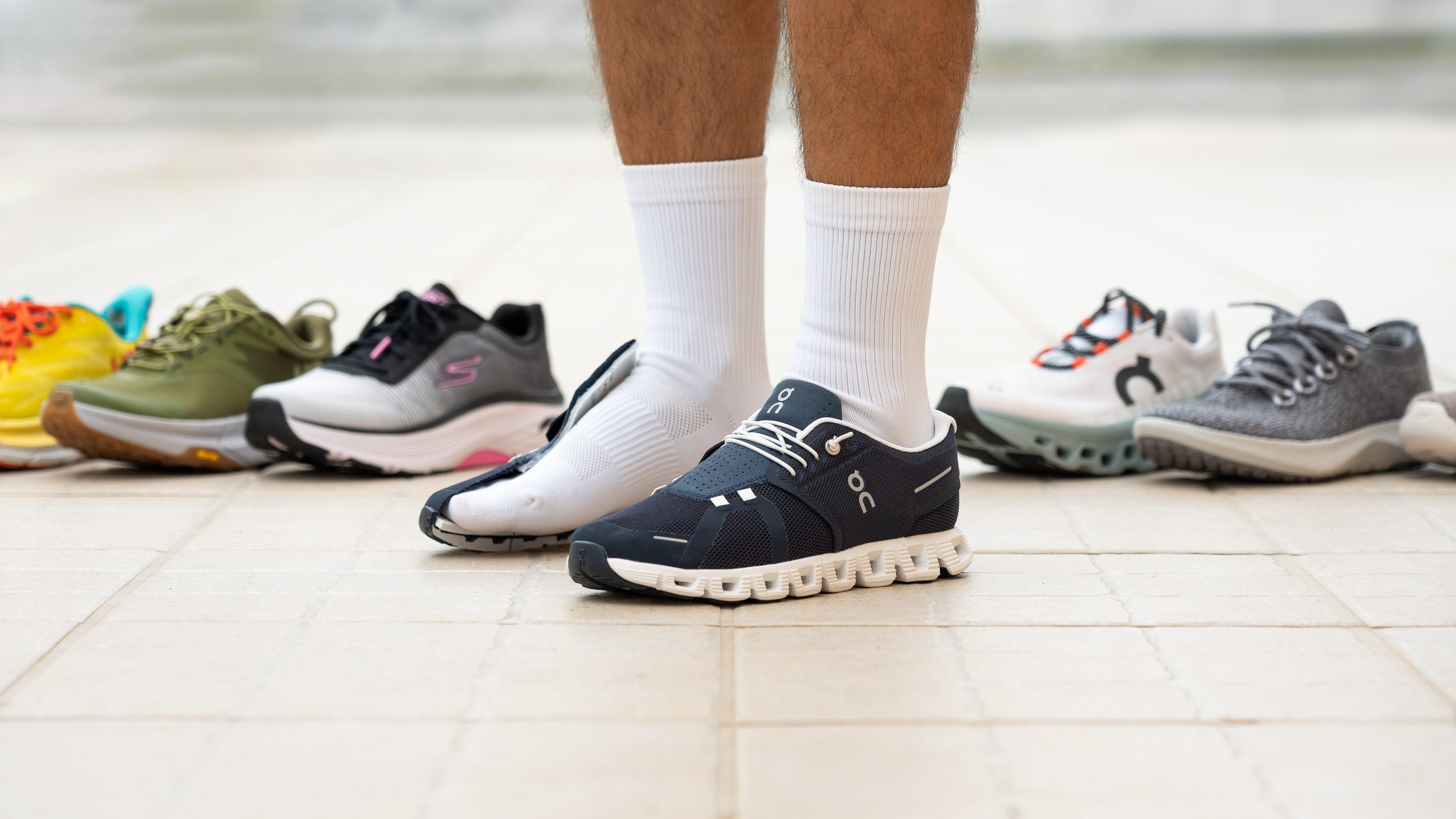
Discover the Top Podiatrist Recommended Walking Shoes for Ultimate Comfort and Support
In a world where every step counts, the foundation of our daily movement—our shoes—demands more attention than we often give. For those seeking not just style but sustained foot health, the guidance of podiatric professionals becomes invaluable. This article delves into the essential characteristics of walking shoes that earn the endorsement of foot specialists, blending scientific insight with practical advice to guide your next purchase. We move beyond marketing claims to explore the anatomical and biomechanical principles that define true comfort and support, ensuring your journey is on solid ground.
The Science of Stride: Why Podiatrist Endorsement Matters
Walking is a complex symphony of biomechanical events. With each step, forces equivalent to multiples of your body weight travel through your feet and up your kinetic chain. A podiatrist, or Doctor of Podiatric Medicine (DPM), is a specialist trained in the diagnosis, treatment, and prevention of foot and ankle disorders. Their recommendation for footwear is not a casual preference but a prescription based on understanding gait analysis, foot morphology, and pathology. According to resources like the American Podiatric Medical Association (APMA), proper footwear is a frontline defense against common issues like plantar fasciitis, metatarsalgia, and excessive pronation. When a shoe bears the seal of approval from such organizations or is frequently recommended in clinical practice, it signifies that its design aligns with podiatric medical standards for stability, cushioning, and fit. Therefore, seeking out podiatrist recommended walking shoes is an act of preventive healthcare, investing in the long-term well-being of your feet, knees, hips, and back.
:max_bytes(150000):strip_icc()/I-Asked-Podiatrists-for-Their-Fall-Shoe-Recommendations-These-Are-Their-Top-8-Picks-8fbdf9d65f3a4228ae63f6e5253dc08c.jpg)
Arch Support and Motion Control: The Non-Negotiables
At the heart of any podiatrist-approved shoe lies superior arch support and effective motion control. The arch of the foot acts as a natural shock absorber; when it collapses excessively (overpronation) or doesn’t collapse enough (supination), it leads to inefficient movement and injury. A well-designed walking shoe provides structured support that matches your arch type—neutral, low, or high. This isn’t about a simple cushioned insole; it’s about a firm midsole material, often made from dual-density EVA or polyurethane, that provides a functional foundation. Motion control features, such as medial posts and heel counters, work to guide the foot into a healthier alignment throughout the gait cycle. As noted in biomechanics literature from institutions like the University of Calgary’s Human Performance Lab, controlling excessive motion can significantly reduce the strain on the plantar fascia and Achilles tendon. When you try on a pair of podiatrist recommended walking shoes, you should feel an immediate, noticeable lift and stabilization under your arch, a sensation that generic sneakers simply cannot replicate.
Cushioning vs. Stability: Striking the Perfect Balance
A common misconception is that the softest shoe is the most comfortable. Podiatrists often caution against this, as excessive, mushy cushioning can destabilize the foot, leading to muscular fatigue and joint strain. True comfort in a walking shoe comes from a balanced combination of responsive cushioning and resilient stability. The cushioning system, often utilizing advanced foams like Brooks’ DNA LOFT, ASICS’ GEL, or proprietary compounds from brands like HOKA, should attenuate impact forces without feeling bottomless. Simultaneously, the shoe’s overall structure must remain rigid enough in the rearfoot and torsionally stable through the midfoot to prevent rolling. Think of it as a high-performance suspension system for your body. Celebrity trainer and physiotherapist, Dr. Emily Splichal, often emphasizes on her social platforms that “the foot needs communication with the ground, not complete isolation.” This principle is embedded in the design of top-tier walking shoes, ensuring protection without sacrificing proprioception and natural foot function.
:max_bytes(150000):strip_icc()/shp-best-brooks-walking-shoes-tout-f67df3ab5afa4c08a24a63ae6dca3444.jpg)
Deconstructing the Top Contenders: Features That Define Excellence
Let’s translate theory into tangible features. What specific elements should you scrutinize when evaluating a walking shoe? First, examine the heel-to-toe drop (or offset). A moderate drop of 8-12mm is common in many podiatrist recommended walking shoes, as it facilitates a smooth heel-to-toe transition. However, some individuals with specific tendon issues may benefit from a lower drop, as suggested by research published in the Journal of Foot and Ankle Research. Second, the toe box must be adequately wide and deep to allow your toes to splay naturally upon weight-bearing, preventing conditions like bunions and neuromas. Third, the upper material should be breathable and adaptive, using engineered meshes that secure the midfoot without pressure points. Finally, outsole durability and flexibility are key; a segmented rubber outsole with flex grooves allows for natural foot flexion at toe-off. Brands that consistently excel in these areas, such as New Balance, ASICS, and Saucony, often have multiple models that carry the APMA Seal of Acceptance, a testament to their podiatric merit.
The Importance of a Professional Fit and Gait Analysis
Even the most highly acclaimed shoe is ineffective if it’s the wrong size or type for your foot. This is where the podiatrist’s role extends beyond a simple product recommendation. Many podiatry clinics and specialty running/walking stores offer gait analysis, often using pressure plates or video technology. This process can reveal subtle imbalances that inform shoe selection. For instance, a person with a rigid, high-arched foot may be steered toward a shoe with enhanced cushioning and a curved last, while someone with severe overpronation may require a maximum support model. As the famous quote attributed to renowned orthopedic surgeon Dr. William A. Rossi states, “The shoe that fits one person pinches another; there is no recipe for living that suits all cases.” This underscores the irreplaceable value of a personalized assessment. Investing time in a professional fitting is as crucial as the investment in the podiatrist recommended walking shoes themselves, ensuring the technology works in harmony with your unique biomechanics.
Beyond the Shoes: Holistic Foot Health and Smart Shopping
While exceptional shoes are paramount, they are one component of a holistic approach to foot health. Pair your footwear with moisture-wicking socks, consider custom orthotics if prescribed by your podiatrist, and incorporate foot-strengthening exercises into your routine. When it comes to acquiring your ideal pair, knowledge is power—and savings. Major retailers often have seasonal sales, and signing up for brand newsletters can yield subscriber discounts. Furthermore, some specialty running stores offer loyalty programs or price-matching policies. Remember, the most expensive shoe is not necessarily the best for you; the right shoe is the one that addresses your specific needs as validated by professional insight. The goal is to merge professional podiatric knowledge with consumer savvy, bringing both health and value to your doorstep.
Your Next Step: A Commitment to Informed Choice
The journey to finding the perfect walking shoe is a step toward taking ownership of your physical well-being. It’s a decision that moves past fleeting trends and anchors itself in the proven principles of podiatric medicine and biomechanical science. By prioritizing features like structured arch support, balanced cushioning, and a precision fit—hallmarks of true podiatrist recommended walking shoes—you are not just buying footwear; you are investing in the infrastructure of your daily life. Let this understanding guide you. Seek professional advice, prioritize function over fashion, and choose shoes that don’t just carry you forward but support every aspect of your stride. Your feet, and your future self, will thank you for the miles of comfort and support to come.