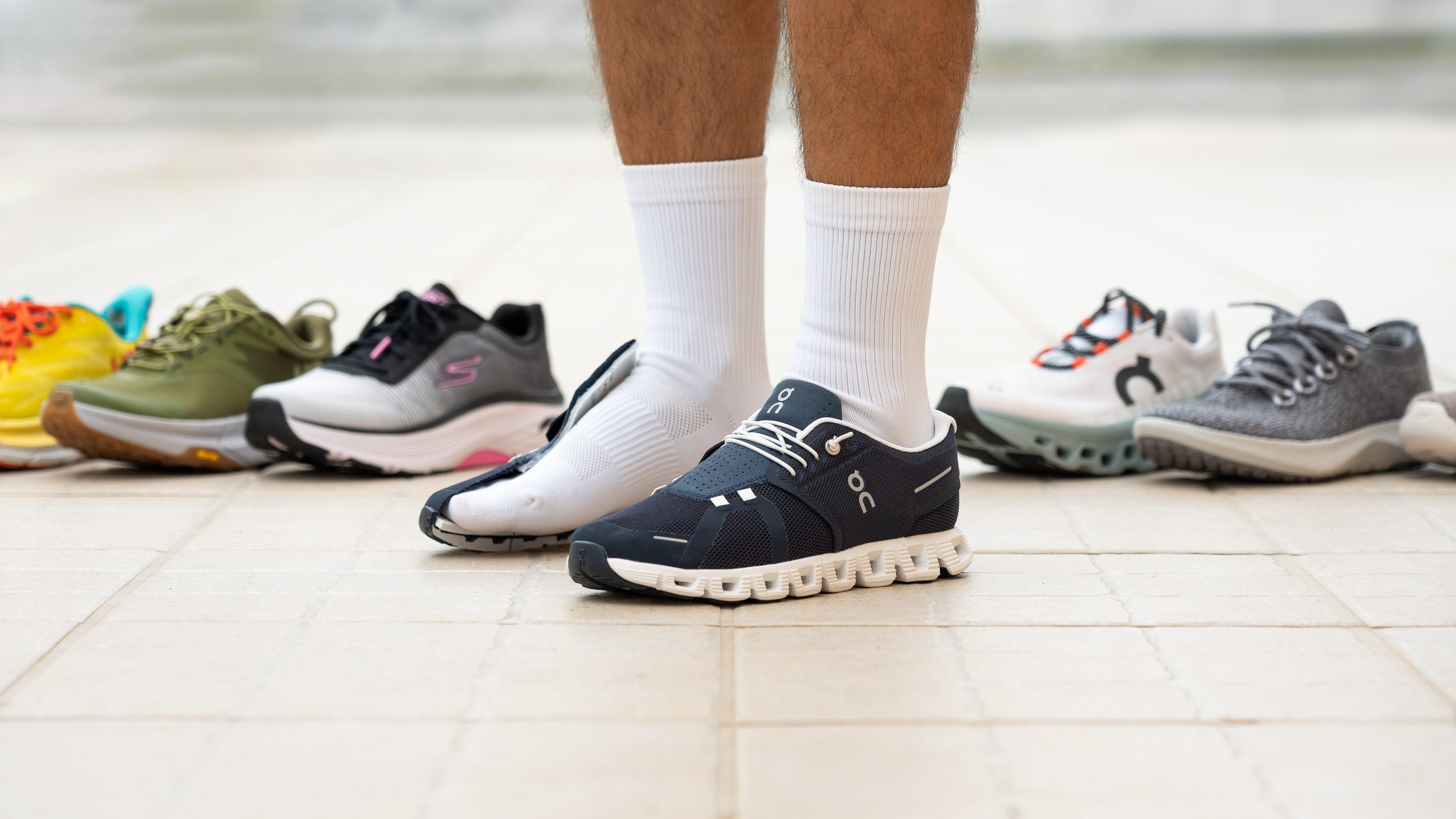
Discover the Best Podiatrist Recommended Walking Shoes for All-Day Comfort
Your feet are the foundation of your movement, and the shoes you choose can either support that foundation or undermine it entirely. For anyone who spends significant time on their feet—whether navigating city streets, exploring nature trails, or managing the demands of a busy workday—the quest for true comfort is paramount. This isn’t merely about avoiding blisters or finding a soft insole; it’s about aligning with the biomechanical principles that govern healthy, pain-free walking. The distinction between ordinary footwear and podiatrist recommended walking shoes lies in a deliberate design philosophy rooted in medical science and functional anatomy. These shoes are engineered not as an afterthought but as a primary intervention for foot health, addressing common ailments like plantar fasciitis, metatarsalgia, and improper gait patterns before they start. We will navigate beyond marketing claims to uncover the objective criteria that define a superior walking shoe, drawing from podiatric literature, biomechanical research, and the aggregated wisdom of foot care specialists. The goal is to equip you with the knowledge to make an informed choice, transforming your daily steps from a potential source of strain into a seamless, supported experience.
The Science of Stride: Why Podiatric Endorsement Matters
To understand the value of a podiatrist recommended walking shoe, one must first appreciate the complex mechanics of the human foot. Each step is a cascade of events: heel strike, foot flattening (pronation) to absorb shock, and finally, a rigid lever created for push-off. When any part of this sequence is disrupted by inadequate footwear, the consequences ripple upward. The American Podiatric Medical Association (APMA) emphasizes that shoes offering proper arch support, ample room for toe splay, and effective cushioning can prevent a host of issues. For instance, a study published in the Journal of Foot and Ankle Research highlights how excessive pronation, if uncorrected, can lead to not only foot pain but also knee, hip, and lower back problems. Podiatrists, therefore, evaluate shoes based on specific, measurable parameters. They look for a firm heel counter to stabilize the rearfoot, a design that respects the natural windlass mechanism of the foot, and materials that provide durability without sacrificing flexibility. As Dr. Jacqueline Sutera, a renowned New York City podiatrist, often states in her media appearances, “A good shoe is the cheapest form of orthotics you can buy.” This perspective shifts the shoe from a fashion accessory to a essential tool for musculoskeletal health. The endorsement from a podiatrist signifies that the shoe has been vetted against these clinical benchmarks, offering a layer of credibility that transcends typical consumer reviews.
:max_bytes(150000):strip_icc()/tal-roundup-podiatrist-loved-shoes-on-sale-tout-bdbf5721fa5642efa38b61f6a5b4ff34.jpg)
Architectural Pillars: Deconstructing the Ideal Walking Shoe
1. Foundation: Midsole Cushioning and Energy Return
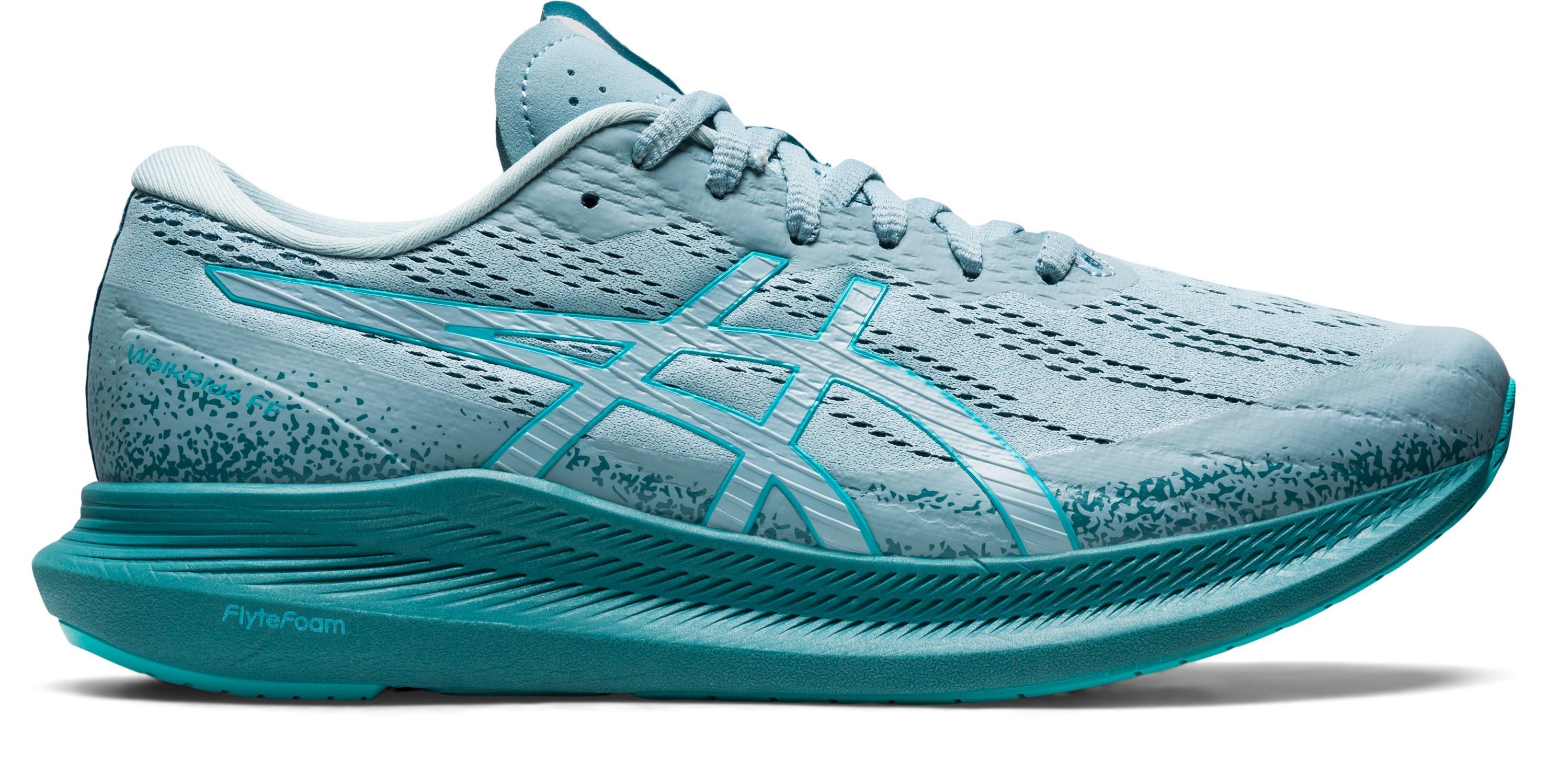
The midsole is the heart of a walking shoe, responsible for dissipating the impact forces that travel through your body with every step. Modern podiatrist recommended walking shoes utilize advanced polymer foams—like ASICS’ FlyteFoam, Brooks’ DNA LOFT, or HOKA’s Profly+—that offer a dual benefit: plush cushioning and responsive energy return. This isn’t mere softness; it’s about engineered resilience. According to biomechanics literature from institutions like the University of Calgary’s Human Performance Lab, optimal cushioning reduces peak loading rates on joints, which is crucial for long-term joint health. A shoe that is too soft can be unstable, while one that is too firm transmits excessive shock. The ideal balance provides a “guided” feel, cushioning the heel strike while facilitating a smooth transition to toe-off. This technology, once reserved for elite athletes, is now a non-negotiable feature in therapeutic footwear, directly addressing the fatigue and micro-trauma associated with prolonged standing and walking.
2. Framework: Structured Support and Motion Control
While cushioning absorbs shock, the shoe’s structure guides the foot through its natural gait cycle. This involves several key components. The heel counter, the rigid cup at the back of the shoe, must be firm to prevent excessive heel movement and control rearfoot stability. The arch support is not a one-size-fits-all proposition; it must correspond to the wearer’s arch type (neutral, low, or high). For overpronators, many podiatrist recommended walking shoes incorporate medial posts—denser foam on the inner side of the midsole—to gently correct the inward roll of the foot. Furthermore, the concept of rocker soles, popularized by brands like HOKA and certain orthopedic lines, is a podiatric innovation. This curved geometry reduces the effort required at the toe-off phase by literally rolling the foot forward, which can be particularly beneficial for individuals with arthritis or plantar fasciitis. This structured approach transforms the shoe from a passive cover into an active participant in gait mechanics.
3. Fit and Form: Upper Design and Toe Box Geometry
The fit of the upper is where comfort meets physiology. A common flaw in standard shoes is a tapered toe box that cramps the toes together, a design at odds with the foot’s natural shape. This can lead to bunions, hammertoes, and neuromas. Podiatrists consistently advocate for a roomy, foot-shaped toe box that allows the toes to lie flat and splay naturally during weight-bearing. This design principle is championed by brands like Altra and is increasingly adopted by mainstream manufacturers. The upper material should be breathable, like engineered mesh, to manage moisture and temperature, reducing the risk of fungal infections. Additionally, secure yet adaptable lacing systems are crucial for achieving a customized, midfoot lockdown without creating pressure points. A proper fit ensures that the advanced technologies in the midsole and outsole can function as intended, making the search for podiatrist recommended walking shoes a holistic pursuit of form and function.
From Clinic to Pavement: Top Podiatrist-Approved Categories
The market for supportive footwear is vast, but several categories consistently receive podiatric acclaim for their all-day comfort profiles. Stability Walking Shoes are the workhorses for individuals with mild to moderate overpronation. Brands like Brooks (Addiction Walker), New Balance (928v3), and ASICS (Gel-Tech Neo 4) excel here, offering a blend of cushioning and guidance without the rigidity of full motion-control shoes. Maximalist Cushioned Shoes, led by HOKA ONE ONE (Bondi, Gaviota), provide an exceptional level of shock absorption, making them ideal for hard surfaces, larger body frames, or those with heel pain. Their meta-rocker geometry also promotes a fluid stride. Conversely, Structured Neutral Shoes cater to those with efficient, neutral gaits who still demand premium comfort. Models like the Saucony Echelon Walker 9 or the Ryka Devotion Plus offer plush cushioning with a focus on arch support and durability. Finally, Foot-Shaped Zero-Drop Shoes from Altra provide a unique approach by aligning the heel and forefoot at the same height (zero drop) and using a spacious toe box. This category, while requiring an adaptation period, is praised by some podiatrists for promoting natural foot strength and alignment. The common thread across all these categories is a commitment to addressing specific biomechanical needs, which is the definitive hallmark of a true podiatrist recommended walking shoe.

Investing in Your Foundation: Value Beyond the Price Tag
It is a compelling truth that investing in high-quality, biomechanically sound footwear often leads to significant savings—both financial and physical—in the long run. The initial cost of a pair of podiatrist recommended walking shoes may be higher than that of a discount-store alternative, but the value proposition is incomparable. Consider the alternative: the cumulative cost of over-the-counter insoles, pain relievers, physical therapy sessions, and potentially, custom orthotics to correct problems exacerbated by poor shoes. A well-designed shoe acts as a preventive measure. Furthermore, the construction quality of these shoes typically involves more durable outsoles (using carbon rubber in high-wear areas), resilient midsoles that resist compaction, and robust uppers, meaning they maintain their supportive properties over many more miles. This extends the replacement cycle, offering better cost-per-wear. Brands frequently update models, leading to discounts on previous versions that are still excellent performers. Seeking out these sales on reputable sites or at specialty running/walking stores is a savvy way to access this tier of footwear. As the adage goes, “You pay for quality once, or you pay for discomfort repeatedly.” Choosing shoes with a podiatric pedigree is an investment in uninterrupted mobility and vitality.
The journey to finding the perfect walking shoe is a personal one, but it need not be a solitary guess. By anchoring your search in the principles of podiatric science—prioritizing structured support, physiological fit, and responsive cushioning—you move from trial and error to informed selection. The shoes discussed here represent more than just products; they are the culmination of decades of orthopedic research and clinical insight, designed to honor the intricate engineering of the human foot. When you lace up a pair of genuinely supportive podiatrist recommended walking shoes, you are not just putting something on your feet. You are engaging a partnership between technology and biology, enabling your body to move as it was designed to: efficiently, comfortably, and freely, step after step, throughout the entire day.