

Discover the Best Podiatrist Recommended Walking Shoes for All-Day Comfort
Your feet are your foundation. For the millions who walk for fitness, commute, or simply navigate daily life, the choice of footwear transcends mere fashion—it becomes a critical decision impacting comfort, joint health, and overall well-being. The quest for the perfect walking shoe is often mired in marketing claims and aesthetic preferences, leading many to endure unnecessary discomfort or even injury. This guide cuts through the noise, focusing on a singular, authoritative standard: podiatrist recommended walking shoes. We will explore the scientific and biomechanical principles that define these shoes, drawing from podiatric literature, biomechanics research, and insights from footwear experts. Our goal is to equip you with the knowledge to select footwear that doesn’t just fit, but actively supports your body’s mechanics, transforming your walking experience from a potential chore into a source of sustained vitality and comfort.
The Science of Stride: Why Your Shoes Are More Than Just Cushioning
Walking is a complex, repetitive motion involving a precise sequence of heel strike, foot flattening (loading), and toe-off. Each step generates forces equal to approximately 1.2 to 1.5 times your body weight, which travel from your feet upward through your ankles, knees, hips, and spine. A shoe that disrupts this natural kinetic chain can lead to a cascade of issues, from plantar fasciitis and shin splints to knee pain and lower back discomfort. The role of a podiatrist recommended walking shoe is to facilitate an efficient, natural gait while providing structured protection. According to biomechanics research from institutions like the University of Virginia’s Motion Analysis Laboratory, optimal walking shoes offer stability in the midfoot to control overpronation (excessive inward rolling) or supination (outward rolling), a heel counter that locks the rearfoot to prevent slippage and provide stability, and a flexible forefoot that allows for a smooth toe-off. Cushioning is crucial, but its distribution is key; it must be balanced with firmness in the right areas to avoid the unstable, “marshmallow” feel that can destabilize joints. This scientific approach to design is what separates generic sneakers from footwear vetted by foot health professionals.
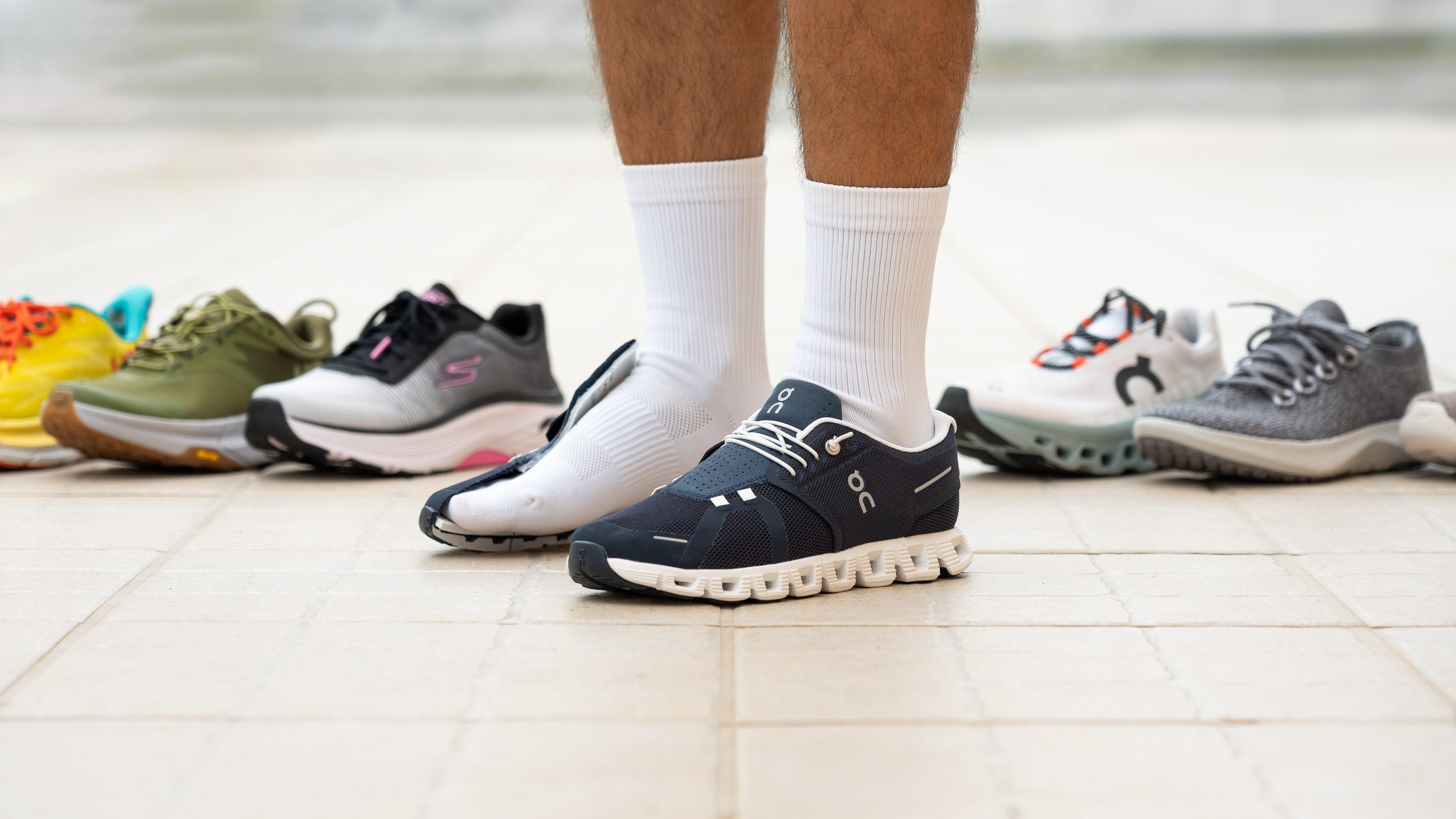
Decoding the Podiatrist’s Criteria: Five Non-Negotiable Features
When a podiatrist evaluates a walking shoe, they assess specific structural elements that contribute to foot health. First is arch support. The arch acts as a natural shock absorber; shoes must complement its function. As noted on educational platforms like Quora and in podiatric publications, proper support prevents the plantar fascia ligament from overstretching, a primary cause of heel pain. Second is the heel counter. This is the firm cup at the back of the shoe. A study cited in the Journal of the American Podiatric Medical Association emphasizes that a rigid, well-padded heel counter reduces calcaneal (heel bone) movement, enhancing stability and reducing Achilles tendon strain. Third is adequate toe box room. The American Academy of Orthopaedic Surgeons frequently highlights the importance of a wide, deep toe box to prevent conditions like bunions, hammertoes, and neuromas by allowing toes to splay naturally during weight-bearing. Fourth is appropriate torsional rigidity. The shoe should twist easily along the long axis in the forefoot for flexibility but remain rigid in the midfoot to prevent torsion that stresses the arch. Finally, the fifth is strategic cushioning materials. Modern foams like Brooks’ DNA LOFT, ASICS’ FF BLAST, or specialized EVA compounds offer durable, responsive cushioning that attenuates shock without bottoming out. A true podiatrist recommended walking shoe integrates all these features cohesively.
Beyond the Brand: How to Assess a Shoe Like a Professional
You don’t need a medical degree to make an informed choice. Start with the “flex test.” Bend the shoe at the ball of the foot—it should flex easily where your toes bend, not in the middle of the arch. Next, perform the “twist test.” Grip the heel and forefoot and twist in opposite directions; the midfoot should resist twisting, indicating stable arch support. Examine the heel counter by squeezing it; it should feel firm and not collapse under pressure. Check the interior for seamless linings or strategically placed padding to minimize friction points that cause blisters. Renowned running coach and biomechanist Jay Dicharry, in his book “Running Rewired,” stresses the importance of “shoe match to task.” A shoe for long-distance pavement walking has different needs than one for trail paths. Furthermore, consider the timing of your purchase. Feet swell throughout the day, so shop in the afternoon or evening. Always try shoes with the socks you intend to wear and measure both feet, as one is often larger. This hands-on analysis empowers you to identify shoes that meet the rigorous standards of podiatrist recommended walking shoes, regardless of the label on the box.

Material Matters: Innovations in Comfort and Durability
The evolution of shoe materials has revolutionized walking comfort. Gone are the days of stiff leather uppers and single-density rubber soles. Today’s leading podiatrist recommended walking shoes utilize engineered mesh uppers that provide breathability and adaptive stretch, conforming to the foot’s shape without constriction. In the midsole, advanced polymer foams have replaced basic EVA. For instance, Adidas’s Boost and Nike’s React foam are celebrated for their energy return and long-term resilience, preventing the cushioning from compacting over time—a common failure point noted in consumer reports on platforms like Wirecutter. The outsole rubber is equally critical. Carbon rubber in high-wear areas (like the heel) offers exceptional durability, while blown rubber in the forefoot provides lighter weight and added cushioning. Dr. Ray McClanahan, a sports podiatrist known for his advocacy of natural foot positioning, often discusses on YouTube the importance of a “zero-drop” or low heel-to-toe offset in some designs to promote a more natural foot strike. While not for everyone, this highlights how material and geometry work in tandem. These material innovations are not mere marketing; they are the tangible components that deliver on the promise of all-day comfort, reducing fatigue and the micro-traumas associated with repetitive impact.
The Personal Equation: Matching Shoes to Your Gait and Foot Type
Universal recommendations are futile without considering individual biomechanics. The most critical factor is your foot strike and arch type. A simple “wet test”—stepping onto a paper bag with a wet foot—can reveal if you have a high arch (low imprint), normal arch, or flat foot (full imprint). Those with flat feet or who overpronate often benefit from podiatrist recommended walking shoes with structured stability features, such as medial (inner-side) posts or dual-density midsoles. Brands like Brooks (Adrenaline GTS) and ASICS (GT-2000) excel here. High-arched individuals, who may underpronate or supinate, generally require shoes with maximum cushioning and flexibility to aid in shock absorption, such as the HOKA Bondi or the New Balance 1080. Your weight is another variable; heavier individuals may need shoes with more robust cushioning and durable outsoles. Furthermore, consider any pre-existing conditions. For example, a person with arthritis might prioritize rocker soles, which facilitate a rolling gait to reduce motion in painful joints. This personalized approach ensures the shoe functions as a therapeutic tool, not just a covering. As the famous quote attributed to Leonardo da Vinci goes, “The human foot is a masterpiece of engineering and a work of art.” Treating it as such requires a bespoke approach to footwear selection.
:max_bytes(150000):strip_icc()/shp-best-brooks-walking-shoes-tout-f67df3ab5afa4c08a24a63ae6dca3444.jpg)
Investing in Your Foundation: The Long-Term Value of Quality Footwear
Viewing quality walking shoes as an expense is a short-sighted perspective; they are an investment in your long-term mobility and health. Compromising on footwear can lead to costly podiatrist visits, physical therapy, orthotics, and the intangible cost of chronic pain. High-quality podiatrist recommended walking shoes are constructed with superior materials that maintain their structural integrity longer, typically offering 300-500 miles of support before the midsole cushioning significantly degrades. To maximize this investment, rotate between two pairs if possible. This allows the foam in each pair to fully rebound between uses, extending the life of both. Be vigilant for signs of wear: uneven tread patterns, creasing midsoles that feel deadened, or collapsed heel counters. Replacing shoes proactively is cheaper than treating an injury. Furthermore, the market offers avenues for value. End-of-season sales, manufacturer refurbished programs, and reputable online retailers often provide significant discounts on previous models, which frequently have only minor updates from the new versions. By prioritizing the engineering and health benefits over fleeting trends, you secure not just a product, but a partnership in your ongoing wellness.
A Final Step Towards Informed Choice
The journey to finding the perfect walking shoe is a fusion of objective science and subjective feel. It requires moving beyond colorways and superficial claims to understand the architecture of support, the innovation in materials, and the alignment with your unique physiology. Podiatrist recommended walking shoes represent a category defined by a commitment to biomechanical harmony, designed to work with your body’s natural engineering rather than against it. By applying the principles outlined—understanding gait science, evaluating key features, assessing materials, and personalizing your choice—you take control of your comfort and health with every step you take. Let your next pair of shoes be a deliberate choice for sustained vitality, a tool that empowers your movement from morning until night, on every path you choose to walk.

