

Discover the Perfect Pair: Podiatrist Approved Walking Shoes for All-Day Comfort
Your search for footwear that seamlessly blends unwavering support with cloud-like comfort ends here. The journey to finding the ideal walking shoe is not merely about aesthetics or fleeting trends; it is a foundational investment in your musculoskeletal health and daily vitality. We navigate a world saturated with options, yet few are crafted with the rigorous, biomechanical understanding that our feet demand. This guide cuts through the noise, focusing exclusively on the gold standard: podiatrist recommended walking shoes. These are not just shoes; they are engineered solutions endorsed by foot health specialists—podiatrists—who understand the intricate symphony of bones, ligaments, and tendons in our feet. Forget about enduring discomfort or compromising your posture. The right pair can transform your daily stride, whether you’re navigating city streets, exploring nature trails, or simply standing for extended periods. Let’s delve into the science, the features, and the undeniable benefits of stepping into footwear that truly cares for you from the ground up.
The Foundation of Foot Health: Why Podiatrist Endorsement Matters
To comprehend the significance of a podiatrist recommended walking shoe, one must first appreciate the complexity of the human foot. Housing 26 bones, 33 joints, and over 100 muscles, tendons, and ligaments, the foot is a marvel of biomechanical engineering. According to resources from authoritative institutions like the American Podiatric Medical Association (APMA), the feet are the body’s foundation, and their health directly impacts the knees, hips, and spine. A podiatrist, a doctor specializing in this very domain, evaluates footwear based on criteria far beyond simple cushioning. They assess factors like arch support precision, heel counter stability, forefoot flexibility, and overall gait cycle compatibility. When a shoe earns the APMA Seal of Acceptance or a similar endorsement from practicing podiatrists, it signifies it has passed rigorous evaluations for promoting good foot health. This is not a marketing gimmick; it is a scientific validation. As Dr. Jacqueline Sutera, a renowned New York City podiatrist, often highlights in media interviews, “Shoes should bend where your foot bends—at the ball of the foot, not the arch. They should have a rigid heel counter to control motion and a supportive arch to prevent overpronation or supination.” This professional insight forms the bedrock of our search. Choosing such shoes is a proactive measure against common ailments like plantar fasciitis, bunions, metatarsalgia, and general fatigue, ensuring every step you take is a step toward sustained well-being.
:max_bytes(150000):strip_icc()/I-Asked-Podiatrists-for-Their-Fall-Shoe-Recommendations-These-Are-Their-Top-8-Picks-8fbdf9d65f3a4228ae63f6e5253dc08c.jpg)
Deconstructing the Perfect Shoe: Five Non-Negotiable Features
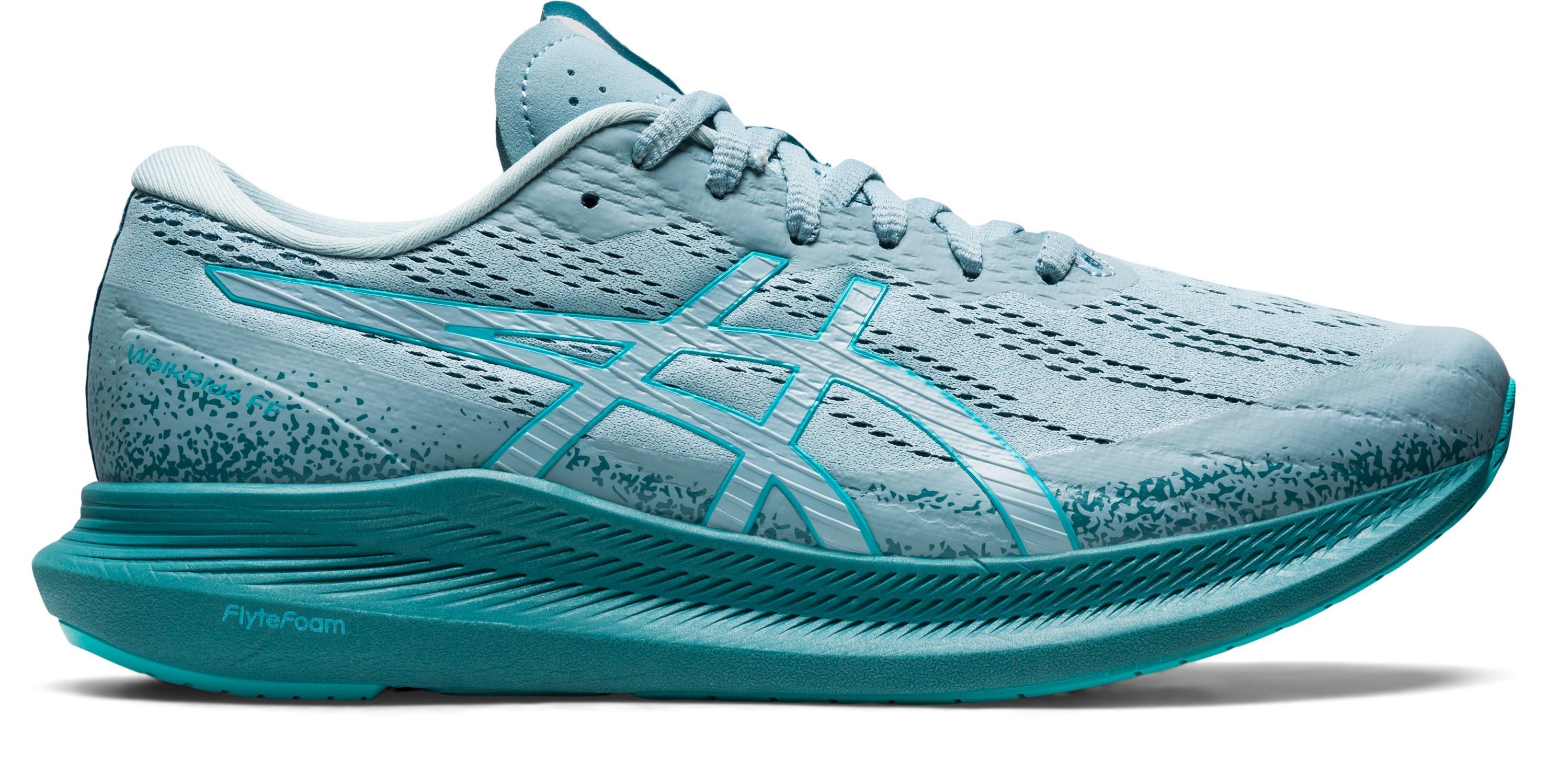
What specific elements transform an ordinary sneaker into a podiatrist recommended walking shoe? The distinction lies in a confluence of design philosophies rooted in orthopedics. First, consider the arch support. This is not a generic, one-size-fits-all bump in the midsole. Superior shoes offer varying levels of support (neutral, stability, motion control) to match your specific foot type, a principle emphasized in biomechanics literature from universities like Stanford. It cradles the arch, preventing it from collapsing inward—a major cause of strain. Second, the heel counter must be firm. This is the reinforced back part of the shoe that cups your heel. A study cited in the Journal of Foot and Ankle Research notes that a rigid heel counter significantly reduces excessive rearfoot motion, enhancing stability and alignment from the moment your foot strikes the ground. Third, adequate toe box room is critical. The forefoot should have a spacious, rounded, or squared-off design to allow toes to splay naturally during the gait cycle, preventing compression and conditions like hammertoes. Fourth, the midsole technology is the heart of cushioning. Materials like EVA foam, polyurethane, or proprietary gels (like ASICS GEL or Brooks DNA LOFT) absorb shock and return energy, reducing impact forces on joints. Finally, a flexible yet supportive sole that bends precisely at the metatarsophalangeal joints (the ball of the foot) facilitates a natural rolling motion. When these five features harmonize, they create an environment where your feet can function as nature intended, making the shoe a true tool for health.
Beyond the Basics: Materials, Weight, and Breathability
While structural features are paramount, the materials constituting the shoe play an equally vital role in achieving all-day comfort. The upper material, whether it’s engineered mesh, knit, or premium leather, must prioritize breathability. A well-ventilated shoe prevents moisture buildup, which can lead to fungal infections and skin maceration—a common concern podiatrists address. Weight is another crucial factor often overlooked. Heavy shoes increase the metabolic cost of walking, leading to quicker fatigue. As noted in biomechanical analyses from sources like ExRx.net, a lighter shoe reduces the pendulum effect of the leg swing, conserving energy. However, lightness must not come at the expense of support; advanced synthetic materials now achieve both. Furthermore, the insole or sock liner should be removable, often featuring antimicrobial treatments, and ideally be replaceable with custom orthotics—a frequent recommendation from foot doctors. The outsole’s rubber compound needs to offer durable traction without being overly stiff, providing grip on varied surfaces. This holistic approach to material science ensures that the podiatrist recommended walking shoes you choose are not only biomechanically sound but also practically durable and comfortable for the long haul, adapting to your foot’s microclimate and movement patterns throughout the day.
The Real-World Impact: From Pain to Performance
Adopting podiatrist recommended walking shoes is often a transformative experience, a sentiment echoed across countless user testimonials on platforms like Quora and Reddit’s r/running or r/walking communities. Individuals who once accepted foot pain as a normal part of their day report dramatic changes. Consider the office worker who no longer feels a burning sensation in their arches after eight hours, or the avid traveler who can explore a new city from dawn till dusk without crippling heel pain. The benefits extend beyond mere comfort. Proper alignment fostered by these shoes can alleviate secondary pains in the knees, lower back, and even shoulders—a chain reaction explained by the kinetic chain theory in kinesiology. This isn’t anecdotal; a body of research, including studies referenced in Harvard Health Publishing, correlates supportive footwear with reduced incidence of overuse injuries. The shift is from a mindset of endurance—”how long can I tolerate these shoes?”—to one of enjoyment and enhanced capability. Your walking routine ceases to be a chore and becomes a sustainable, joyful practice. The shoe becomes an enabler, allowing you to engage more fully with life’s activities, be it a casual stroll, a demanding job on your feet, or an ambitious fitness goal. The investment pays dividends in mobility, confidence, and overall quality of life.
A Podiatrist’s Perspective: Voices from the Experts
To solidify the argument, let’s turn to the experts themselves. Podiatrists actively share their knowledge through various media, offering invaluable guidance.
“The wrong shoe can exacerbate or even create foot problems. I always tell my patients to look for three things: support where you need it (the arch), space where you need it (the toes), and stability where you need it (the heel). A good podiatrist recommended walking shoe checks all these boxes systematically.” — Dr. Megan Leahy, DPM, as quoted in a foot health feature for Prevention Magazine.
Similarly, on platforms like YouTube, certified podiatrists like Dr. Brad Schaeffer of “Foot & Ankle Center of New Jersey” produce detailed reviews, dissecting popular models against clinical criteria. They emphasize that fashion trends like ultra-minimalist soles or extreme platform heights often contradict podiatric principles. The consensus is clear: informed selection is paramount. These professional endorsements are not mere opinions; they are evidence-based conclusions drawn from treating thousands of patients. They steer us away from marketing hype and toward functional design, ensuring our choices are grounded in medical science rather than fleeting style.
Finding Your Match and Making an Informed Investment
Understanding the “why” naturally leads to the “how.” Finding your perfect pair of podiatrist recommended walking shoes involves a few key steps. First, know your foot type. You can perform a simple wet test at home (observing your footprint on a paper bag) or, for optimal accuracy, seek a gait analysis at a specialty running or walking store. This will determine if you have neutral arches, low arches (overpronator), or high arches (underpronator/supinator). Second, prioritize fit in the afternoon or evening, as feet naturally swell throughout the day. There should be about a thumb’s width of space between your longest toe and the end of the shoe. Now, let’s talk about value. While premium podiatrist-approved shoes from brands like Brooks, ASICS, New Balance (many with APMA seals), HOKA, and Saucony represent a significant investment in your health, they need not break the bank. Savvy shoppers can leverage end-of-season sales, manufacturer refurbishment programs, and reputable online retailers that offer last year’s models at deep discounts—often 30-50% off. The core technology in these models evolves incrementally, so a previous version typically provides nearly identical biomechanical benefits. This strategic approach brings professional-grade foot health within reach, proving that comfort, support, and financial sense can indeed walk hand in hand.
:max_bytes(150000):strip_icc()/tal-roundup-podiatrist-loved-shoes-on-sale-tout-bdbf5721fa5642efa38b61f6a5b4ff34.jpg)
The quest for all-day comfort finds its true north in the principles of podiatric medicine. It transcends subjective feel and enters the realm of objective, anatomical support. By choosing shoes built upon these principles—with validated arch support, steadfast heel counters, and intelligent design—you are not just buying footwear; you are partnering with a tool engineered for longevity and vitality. The evidence from biomechanical research, the unanimous counsel of foot care specialists, and the lived experiences of countless individuals all converge on one point: what you put on your feet fundamentally matters. Let this be the moment you decide that compromise is no longer an option. Step into the confidence, relief, and freedom that only a truly supportive, podiatrist recommended walking shoe can provide, and feel the difference with every stride you take into the future.
