

Discover the Best Podiatrist Recommended Walking Shoes for All-Day Comfort
Your feet are the foundation of your movement, and the shoes you choose can either be a source of relentless support or a catalyst for chronic discomfort. For anyone who spends a significant portion of their day on their feet—whether navigating city streets, managing a busy household, or exploring new trails—the quest for the perfect walking shoe is paramount. This isn’t merely about fashion or fleeting trends; it’s a physiological necessity. The wrong footwear can lead to a cascade of issues, from plantar fasciitis and bunions to knee and back pain. Conversely, the right pair can transform your daily experience, offering a sense of effortless propulsion and enduring comfort. This guide is dedicated to uncovering the principles behind podiatrist recommended walking shoes, translating complex biomechanics into actionable knowledge, and presenting you with options that marry scientific design with real-world performance. We will move beyond marketing claims to explore the objective criteria that define a truly supportive shoe, ensuring your next step is your best one.
The Foundation of Foot Health: Why Podiatrist Insight is Non-Negotiable
To understand the value of a podiatrist recommended walking shoe, one must first appreciate the intricate engineering of the human foot. Comprising 26 bones, 33 joints, and over a hundred muscles, tendons, and ligaments, the foot is a marvel of biomechanics. Its primary functions—shock absorption, propulsion, and adaptation to uneven terrain—are often compromised by modern lifestyles and improper footwear. Podiatrists, as medical specialists in foot and ankle disorders, approach footwear not as an accessory but as orthotic therapy. Their recommendations are grounded in principles of alignment, pressure distribution, and gait analysis. For instance, the American Podiatric Medical Association (APMA) grants its Seal of Acceptance to products that promote good foot health, a certification based on rigorous review by a committee of podiatrists. This seal is a critical filter in a saturated market. The core philosophy is prevention: a well-designed shoe mitigates stress before it manifests as injury. As noted by Dr. Jacqueline Sutera, a prominent New York City podiatrist, in various media interviews, “Shoes should have a rigid heel counter, a supportive arch, and flexibility at the ball of the foot—not in the middle.” This triad of features ensures stability, arch support where it’s needed, and natural toe-off during the walking cycle, forming the bedrock of any credible podiatrist recommended walking shoe.
:max_bytes(150000):strip_icc()/tal-10-podiatrist-approved-open-toed-shoes-tout-00bd6ff1c36a49cdbbff486b0b54fb27.jpg)
Deconstructing the Anatomy of an Ideal Walking Shoe
1. The Heel Counter: Your Anchor of Stability
The heel counter is the firm, cup-like structure at the back of the shoe that cradles the calcaneus (heel bone). Its rigidity is non-negotiable for stability. A study published in the Journal of Foot and Ankle Research highlights that a firm heel counter reduces excessive rearfoot motion (overpronation or supination), which is a leading contributor to conditions like Achilles tendinitis and plantar fasciitis. When you try on a shoe, perform this simple test: press on the back of the heel. It should not collapse easily. This firmness ensures your heel is held securely, preventing slippage and the resultant friction that causes blisters, while also providing a stable platform from which your stride can efficiently propel you forward. A robust heel counter is a hallmark of podiatrist recommended walking shoes, as it directly influences the alignment of the entire kinetic chain, from your ankle to your spine.
2. Arch Support: Not One Size Fits All
Arch support is perhaps the most misunderstood yet critical element. The arch of your foot acts as a natural shock absorber. However, modern surfaces and genetic predispositions can lead to arches that collapse (overpronation) or remain too rigid (supination). Proper arch support in a shoe is designed to maintain the foot’s neutral alignment. This isn’t about an arbitrarily placed bump in the insole; it’s about structured support that matches your foot’s contour. Podiatrists often categorize feet as neutral, low-arched (flat), or high-arched. For example, Wikipedia’s entry on “Foot” details the role of the medial longitudinal arch in weight distribution. A podiatrist recommended walking shoe will often come in varieties tailored to these specific needs—motion control for overpronators, stability for mild overpronation, and neutral cushioning for high arches. The goal is to prevent the arch from straining the plantar fascia ligament, a common source of heel pain.
3. Midsole Cushioning and Flexibility: The Dynamic Duo
The midsole, typically made from EVA (ethylene-vinyl acetate) foam, polyurethane, or newer technologies like gel or nitrogen-infused foam, is the primary shock absorber. Its job is to dissipate the impact force—which can be 1.5 times your body weight with each step—before it travels up your legs. However, cushioning must be balanced with responsiveness; a shoe that is too soft can be unstable and cause muscle fatigue. Equally important is the shoe’s flex point. It should bend easily at the metatarsophalangeal joints (the ball of the foot), mirroring the natural hinge point of your foot. If a shoe bends in the middle, it sabotages arch support and can strain the plantar fascia. This principle is frequently emphasized by footwear experts on platforms like Quora and in reviews from sources like Runner’s World, which apply the same biomechanics to walking shoes. The perfect midsole offers a “Goldilocks” level of cushioning—just right—and strategic flexibility, a combination meticulously engineered in true podiatrist recommended walking shoes.
Beyond the Basics: Features That Elevate Everyday Comfort
While the core anatomical features are essential, several other design elements separate good shoes from exceptional ones. Toe box room is crucial. Your toes should be able to wiggle freely without being constricted laterally or vertically. A cramped toe box can lead to neuromas, bunions, and hammertoes. Look for a shape that follows the natural splay of your forefoot. Next, consider the upper material. Breathable mesh promotes airflow, reducing moisture and heat, which in turn minimizes the risk of fungal infections and blisters. Seamless or strategically placed seams prevent irritation on sensitive skin. Furthermore, the outsole’s tread pattern should offer reliable traction on various surfaces to prevent slips, yet be flexible enough to facilitate a natural gait cycle. Finally, consider weight. A lighter shoe reduces the energy cost of lifting your foot thousands of times a day, combating leg fatigue. These features, when combined with the foundational structural elements, create a holistic environment for foot health, embodying the comprehensive thinking behind podiatrist recommended walking shoes.
:max_bytes(150000):strip_icc()/shp-best-brooks-walking-shoes-tout-f67df3ab5afa4c08a24a63ae6dca3444.jpg)
Translating Theory into Practice: A Curated Selection for Your Needs
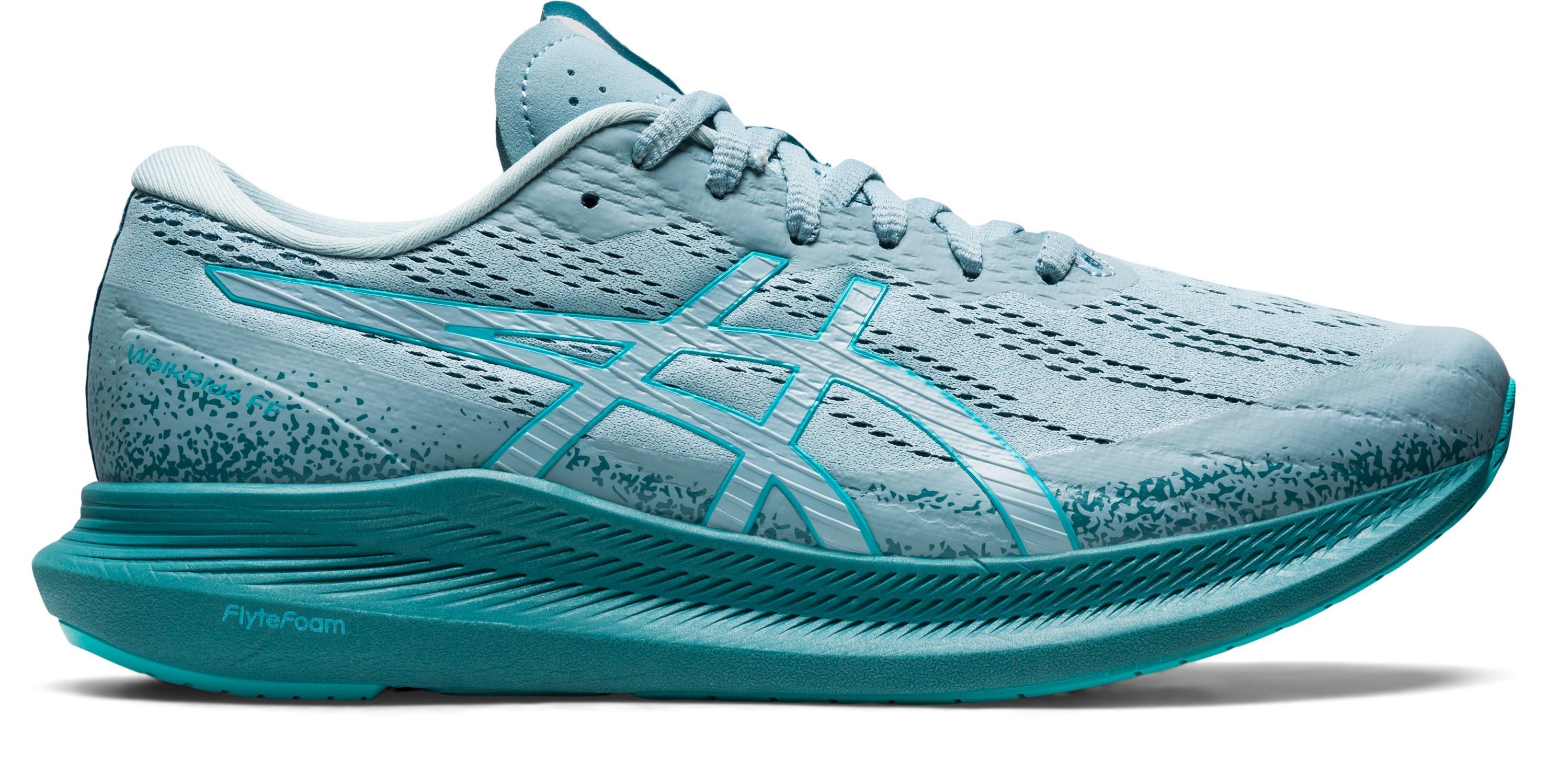
Armed with this knowledge, navigating the market becomes a more informed endeavor. While individual fit is paramount, several brands and models consistently receive praise from podiatrists and wearers alike for their adherence to these principles. It’s important to remember that a higher price tag does not automatically equate to better support; it often reflects advanced materials, proprietary technologies, and extensive research and development. For instance, brands like Brooks, ASICS, New Balance, and HOKA invest heavily in biomechanical research, often collaborating with clinical professionals. The Brooks Addiction Walker, with its extended progressive diagonal rollbar, is frequently cited for exceptional motion control. ASICS, with its focus on impact guidance systems, offers models like the Gel-Tech Neo that provide structured support. HOKA’s maximalist cushioning in models like the Bondi series is renowned for reducing impact stress on joints, a boon for those with arthritis or who walk on hard surfaces. The key is to match the shoe’s design philosophy to your specific foot morphology and walking environment.
“The shoe is the interface between the human body and the ground. Its design dictates the forces that travel through the musculoskeletal system. Choosing a shoe that respects foot anatomy isn’t a luxury; it’s a fundamental aspect of preventive healthcare.” – A sentiment commonly echoed by Dr. Miguel Cunha, founder of Gotham Footcare, in his public health commentaries.
Finding these shoes at an accessible price point is a common concern. The good news is that the features defining podiatrist recommended walking shoes are now available across a wide price spectrum. Strategies for savings include shopping previous seasons’ models, which often have the same core technology as the latest version at a significant discount. Major holidays and retailer clearance events are excellent opportunities. Furthermore, some specialty running stores offer discounts for healthcare workers, teachers, or seniors. It is also worth considering reputable online retailers with generous return policies, allowing you to test the shoes indoors. Investing in quality footwear is an investment in your long-term mobility and pain-free living, and with strategic shopping, it doesn’t have to break the bank. The return on investment—measured in comfort, reduced pain, and enhanced daily vitality—is immeasurable.
:max_bytes(150000):strip_icc()/favorite-walking-shoes-round-up-november-2024-458c3fc0c6844adca7c0a34ebc5cfb9b.jpg)
Your Feet, Your Future: Making an Informed Choice
The journey to finding the perfect walking shoe is deeply personal, yet it is guided by universal biomechanical truths. It begins with listening to your body—noticing where you feel pressure, fatigue, or pain after a long day. It continues with education, understanding the “why” behind features like a firm heel counter and proper arch support. When you step into a store or browse online, you are no longer a passive consumer but an informed advocate for your own well-being. You know to prioritize fit over fashion, support over style, and long-term health over short-term trends. The ultimate goal is to find a shoe that feels like an extension of your body, providing silent, reliable support from your first step in the morning to your last step at night. This is the promise and purpose of seeking out genuinely podiatrist recommended walking shoes: to equip your foundation so you can move through your world with strength, comfort, and confidence, every single day.
