

Discover the Best Podiatrist Recommended Walking Shoes for All-Day Comfort
Your feet are your foundation, and the shoes you choose can either support a lifetime of movement or quietly contribute to a cascade of discomfort and injury. For anyone who spends a significant portion of their day on their feet—whether navigating city streets, exploring nature trails, or managing the demands of a busy workday—the quest for the perfect walking shoe is paramount. This isn’t about fleeting fashion trends; it’s about biomechanical harmony. The right footwear acts as a critical interface between your body and the ground, absorbing impact, providing stability, and facilitating a natural gait. When this interface is flawed, the consequences reverberate upward, potentially affecting ankles, knees, hips, and even the lower back. This is where the guidance of a podiatrist—a medical specialist in foot, ankle, and related structures of the leg—becomes invaluable. Podiatrist recommended walking shoes are not merely a marketing term; they represent a category of footwear vetted for specific structural and functional attributes that promote foot health and overall musculoskeletal alignment. This article delves into the science of what makes these shoes exceptional, explores key features through an objective lens, and guides you toward informed choices that blend professional endorsement with tangible value.
:max_bytes(150000):strip_icc()/podiatrist-recommended-walking-shoes-e1b90077185d4e6cadbf6327c4d17db7.jpg)
The Foundation of Foot Health: Why Podiatrist Endorsement Matters
To understand the significance of a podiatrist’s recommendation, one must first appreciate the complexity of the human foot. It is a masterpiece of engineering, comprising 26 bones, 33 joints, and over 100 muscles, tendons, and ligaments. This intricate structure must simultaneously provide stability, flexibility, and propulsion. Podiatrists, through years of specialized training, diagnose and treat conditions stemming from biomechanical imbalances. They witness firsthand the effects of poor footwear: plantar fasciitis, metatarsalgia, bunions, and Achilles tendinitis, to name a few. Their recommendations, therefore, are rooted in preventative and corrective biomechanics. A podiatrist recommended walking shoe typically addresses three core principles: motion control, cushioning, and stability. Motion control refers to the shoe’s ability to limit excessive inward rolling (overpronation) or outward rolling (supination) of the foot. As noted in biomechanics literature from institutions like the University of Calgary’s Human Performance Lab, uncontrolled pronation can lead to increased stress on the medial structures of the knee. Cushioning, often provided by advanced polymer foams like EVA or polyurethane, is not just about softness; it’s about impact attenuation—dissipating the force of each heel strike, which can be 1.5 times your body weight during walking. Stability involves a combination of a firm heel counter, a supportive midfoot, and a design that encourages a neutral foot position. When a podiatrist advocates for a specific shoe, it is because its design aligns with these evidence-based principles to protect the foot’s intricate architecture.
Deconstructing the Ideal Walking Shoe: Key Features Explained
Navigating the world of athletic footwear can be overwhelming, with brands touting proprietary technologies. Let’s objectively break down the non-negotiable features that constitute the best podiatrist recommended walking shoes. First, the heel counter: this is the rigid cup at the back of the shoe that cradles the heel bone (calcaneus). A study published in the Journal of Foot and Ankle Research emphasizes that a firm, well-padded heel counter is crucial for hindfoot stability, reducing unwanted movement that can strain the plantar fascia. Second, the midsole: this is the heart of the shoe’s functionality. It must offer a balance of cushioning and responsiveness. Materials like Brooks’ DNA LOFT or ASICS’ GEL are engineered to provide soft landings without feeling mushy, which can cause instability. The midsole also often incorporates dual-density foams—a firmer material on the inner side (medial post) to combat overpronation. Third, the toe box: space here is non-negotiable. The American Podiatric Medical Association (APMA) consistently advises that shoes must allow the toes to splay naturally upon weight-bearing. A cramped toe box can lead to neuromas, hammertoes, and aggravate bunions. Fourth, flexibility: while stability is key, the shoe must bend at the forefoot (the ball of the foot), matching the joint’s natural hinge motion during the “toe-off” phase of the gait cycle. A shoe that is too stiff across the entire sole can cause calf strain and alter gait mechanics. Finally, consider the outsole: durable rubber with a patterned tread provides essential traction and wear resistance, ensuring safety and longevity on varied surfaces.
:max_bytes(150000):strip_icc()/shp-best-brooks-walking-shoes-tout-f67df3ab5afa4c08a24a63ae6dca3444.jpg)
Evidence and Endorsement: Voices from Science and Practice
The credibility of podiatrist recommended walking shoes is bolstered by converging evidence from multiple authoritative sources. On platforms like Quora and specialized running forums, biomechanists and physical therapists frequently reference peer-reviewed studies to explain shoe selection. For instance, the “Footwear Science” journal regularly publishes research on how midsole geometry affects energy expenditure and joint loading. Beyond academia, public figures who prioritize performance often share insights that align with podiatric wisdom. Celebrity trainer Harley Pasternak, in interviews and on social media, emphasizes footwear as the most important piece of workout gear, often highlighting brands known for their research and development. On YouTube, certified pedorthists and podiatrists like Dr. Brad Schaeffer of “Foot & Ankle Center of New Jersey” provide detailed shoe reviews, dissecting construction features in a way that empowers consumers. They often reference the APMA’s Seal of Acceptance, a recognition granted to footwear that meets rigorous standards of foot health. This seal serves as a trusted shortcut for consumers. Furthermore, literature from authoritative sources like the Harvard Health Publishing advises on shoe selection for aging populations, stressing support and fit over style. Even in popular culture, the message is clear. In the book Born to Run, while advocating for minimalism for some, author Christopher McDougall doesn’t dismiss the need for structured shoes for the majority of people in modern environments, acknowledging that “the right shoe is the one that lets your foot behave like a foot.” This chorus of voices from science, clinical practice, and informed public discourse validates the pursuit of professionally vetted footwear.
“The shoe is a tool. It should correct a deficit, not create one. When I recommend a shoe to a patient, I am looking for a design that will work with their unique biomechanics to reduce stress, not just on the foot, but on the entire kinetic chain. It’s preventative medicine you wear every day.” – Paraphrased from common clinical advice shared by practicing podiatrists in professional publications.
From Recommendation to Reality: Top Contenders and What They Offer
Let’s translate principles into practice by examining categories of shoes that frequently earn podiatrist accolades. It’s important to note that the “best” shoe is highly individual, but these models consistently rank highly for their targeted engineering. For the overpronator seeking maximum stability and motion control, shoes like the Brooks Adrenaline GTS or the ASICS GT-2000 series are often cited. They feature robust guide rails or dynamic duomax systems that provide structured support without excessive weight. For those needing a balance of cushioning and stability—the “neutral with support” category—the Hoka One One Arahi or the New Balance 860v series offer a plush feel with inherent stability through their J-Frame or medial post technologies. For the true neutral gaiter who prioritizes cloud-like cushioning for long distances, the Brooks Ghost or the Saucony Ride are perennial favorites, offering smooth transitions and resilient foam. Lastly, for individuals with wider feet or specific conditions like bunions, brands like Altra and Topo Athletic stand out with their anatomically shaped, foot-shaped toe boxes that allow natural toe splay, a feature podiatrists passionately advocate for. Each of these models embodies the core tenets of a podiatrist recommended walking shoe: structured support, adequate cushioning, and a fit that respects foot anatomy.
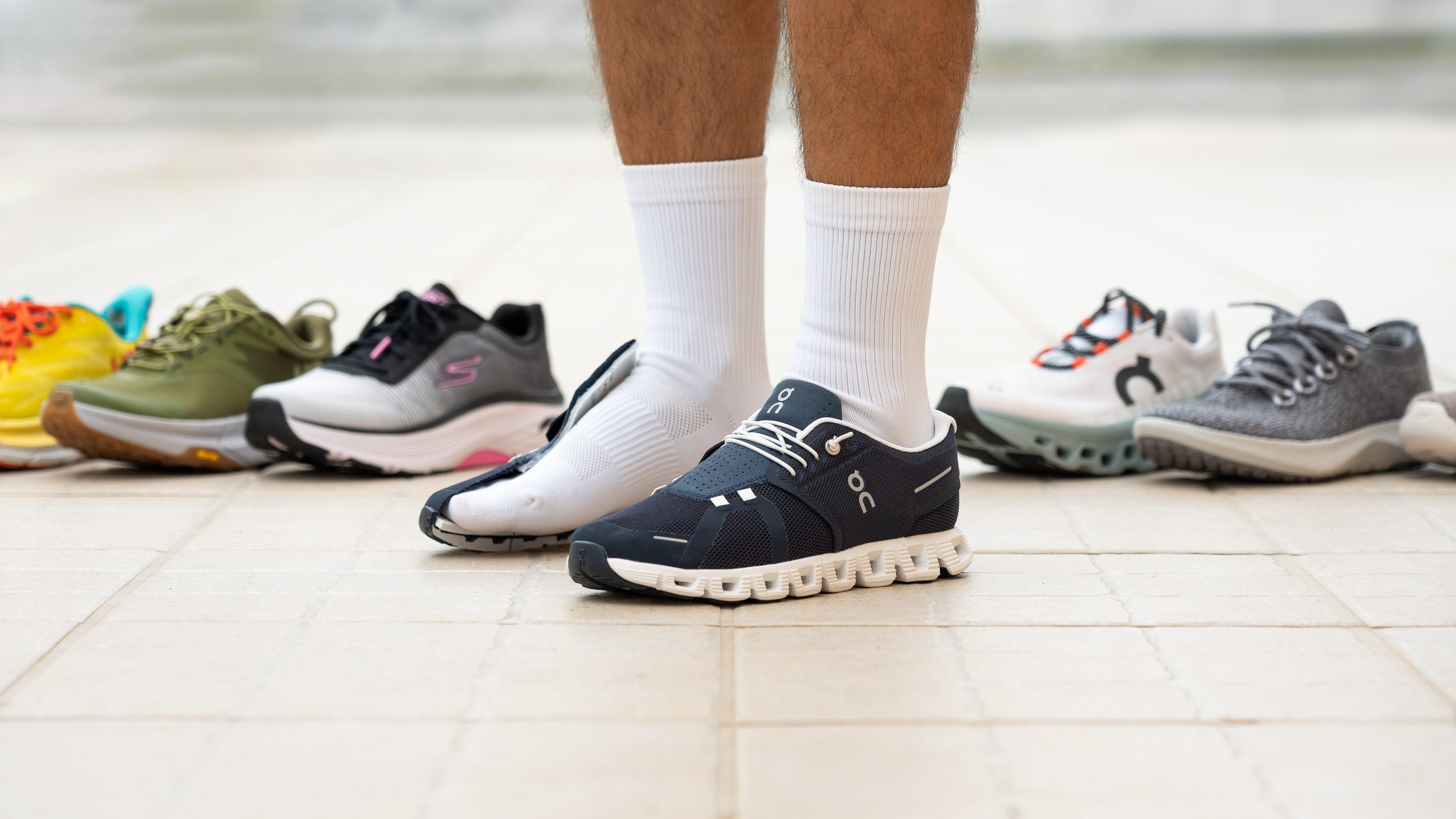
Securing Value: Investing in Your Foundation Without Breaking the Bank
High-quality, biomechanically sound footwear often comes with a premium price tag, reflecting advanced materials and research. However, investing in your foot health can prevent costly medical interventions down the line. The savvy consumer can bridge the gap between professional-grade quality and budget consciousness through strategic practices. First, understand the product cycle: major brands release new models annually. The outgoing model, which is often nearly identical in core technology to the new version, can frequently be found at discounts of 30-50% at online retailers, outlet stores, or during seasonal sales. This is one of the most effective ways to acquire top-tier podiatrist recommended walking shoes at a fraction of the cost. Second, consider specialty running stores that offer gait analysis. While you may pay full retail price, the value lies in the expert fitting service, which can prevent the costly mistake of buying the wrong shoe—a mistake that no discount can rectify. Many of these stores also have loyalty programs or seasonal sales. Third, explore certified refurbished or “like-new” options from reputable resale platforms that specialize in athletic gear. Finally, remember that the true cost of a shoe is calculated in cost-per-mile. A $150 shoe that lasts for 500 miles of comfortable walking is a far better value than a $60 shoe that causes discomfort and wears out after 200 miles. Prioritizing features endorsed by foot health professionals is an investment in your mobility and long-term well-being, and with thoughtful shopping, it is an accessible one.
:max_bytes(150000):strip_icc()/tal-roundup-podiatrist-loved-shoes-on-sale-tout-bdbf5721fa5642efa38b61f6a5b4ff34.jpg)
The journey to all-day comfort begins from the ground up. It is a decision that intertwines the objective science of biomechanics with the subjective feel of personal comfort. Disregarding the importance of proper footwear is an unnecessary gamble with your foundational health. By seeking out and understanding the rationale behind podiatrist recommended walking shoes, you empower yourself to make choices that actively support your body’s architecture. This is not a passive purchase but an active step towards sustaining your mobility, reducing pain, and enhancing your daily life. Let the convergence of clinical expertise, material science, and thoughtful design guide your selection. Your feet, and the entire kinetic chain they support, will thank you with every pain-free step you take, turning the simple act of walking into a sustained pleasure rather than a potential source of strain.
