

Discover the Best Podiatrist Recommended Walking Shoes for All-Day Comfort
Your feet are your foundation, and the shoes you choose can either support or sabotage your daily movement. For anyone who spends significant time on their feet—whether navigating city streets, exploring nature trails, or managing long work shifts—the quest for truly comfortable footwear is paramount. This isn’t merely about style or fleeting trends; it’s about biomechanical health, injury prevention, and sustainable comfort. The most reliable guide in this quest comes not from flashy marketing, but from the clinical expertise of foot health specialists. This article delves into the science and selection of podiatrist recommended walking shoes, translating professional podiatric principles into actionable advice for your next purchase. We’ll move beyond generic suggestions to explore the anatomical and material innovations that define excellence, bringing you closer to the elusive goal of all-day comfort without compromise.
The Podiatric Blueprint: What Makes a Shoe Truly Supportive?
To understand why certain shoes earn the coveted podiatrist recommended walking shoes designation, we must first dissect the podiatric blueprint for ideal footwear. Podiatry, the branch of medicine devoted to the study, diagnosis, and treatment of disorders of the foot, ankle, and lower extremity, provides a rigorous framework. According to resources from authoritative institutions like the American Podiatric Medical Association (APMA), a shoe that promotes foot health must address three core biomechanical principles: stability, cushioning, and fit. Stability is not about rigidity; it’s about controlled motion. The shoe must have a firm heel counter—the back part that cups your heel—to prevent excessive pronation (inward rolling) or supination (outward rolling), which are leading contributors to conditions like plantar fasciitis, shin splints, and knee pain. The midsole, often made from advanced compounds like EVA (ethylene-vinyl acetate) or polyurethane, must provide a balance of cushioning and structural integrity. As noted on platforms like Quora and in discussions by sports medicine specialists, cushioning that is too soft can be as detrimental as too little, failing to provide the necessary rebound and support for the plantar fascia and metatarsal bones. Finally, fit is sacrosanct. A study cited in the Journal of Foot and Ankle Research emphasizes the importance of “functional foot space”—allowing for natural splay and toe movement with every step. A podiatrist recommended walking shoe will inherently respect this tripartite doctrine, integrating features like arch support tailored to different foot types, wide toe boxes, and seamless linings to reduce friction and blister risk.
:max_bytes(150000):strip_icc()/I-Asked-Podiatrists-for-Their-Fall-Shoe-Recommendations-These-Are-Their-Top-8-Picks-8fbdf9d65f3a4228ae63f6e5253dc08c.jpg)
Decoding Shoe Anatomy: Heel to Toe Technologies
Walking is a complex series of impacts and propulsions, and modern shoe technology is engineered to manage these forces. Let’s decode the anatomy from heel to toe. The journey begins with the outsole. The best podiatrist recommended walking shoes feature outsoles made of carbon rubber or blown rubber compounds, designed for durable traction and flexibility at key bending points. This prevents the shoe from fighting your foot’s natural gait cycle. Moving upward, the midsole is the command center. Brands like ASICS, Brooks, and New Balance invest heavily in proprietary technologies here—GEL cushioning, DNA LOFT, Fresh Foam—all aiming to dissipate shock vertically rather than letting it travel up the kinetic chain. Dr. Miguel Cunha, a prominent podiatrist in New York City, often highlights in media interviews that “effective shock absorption is non-negotiable for preventing stress fractures and joint degeneration.” The insole or sockliner is your foot’s direct interface; many podiatrists recommend removable orthotic-friendly insoles, allowing for custom medical orthotics if needed. The upper’s construction is equally critical. Materials must be breathable, like engineered mesh, to manage moisture and temperature, yet structured with synthetic overlays to provide midfoot lockdown without pressure points. The toe box, as emphasized in literature from the University of Pittsburgh’s Department of Orthopedic Surgery, must be high and wide enough to prevent digital deformities like bunions and hammertoes. This holistic technological integration is what separates a casual sneaker from a purpose-built instrument for foot health.
Evidence from the Ground: Where Podiatrists and Research Converge
The recommendation of a shoe by a podiatrist is not a casual endorsement; it is often backed by clinical observation and evolving research. Many podiatrists contribute to or cite studies published in journals like The Foot or Clinics in Podiatric Medicine and Surgery. For instance, research on rocker-bottom soles—a feature in many diabetic and arthritic friendly shoes—shows they can significantly reduce forefoot pressure, a finding corroborated by podiatrists treating diabetic neuropathy patients. Furthermore, the APMA’s Seal of Acceptance program is a tangible benchmark. To earn this seal, shoe manufacturers must submit their products for review by a committee of podiatrists who evaluate them against strict criteria concerning stability, motion control, and overall foot health promotion. This seal is a powerful, objective indicator for consumers. Beyond formal studies, the collective wisdom shared by podiatrists on platforms like YouTube, where professionals like Dr. Brad Schaeffer offer detailed shoe reviews, or on Twitter, where discussions about materials and longevity occur, forms a valuable real-world evidence base. This convergence of peer-reviewed science and practical, clinical consensus creates a robust filter through which only the most genuinely supportive footwear passes, solidifying its status as podiatrist recommended walking shoes.
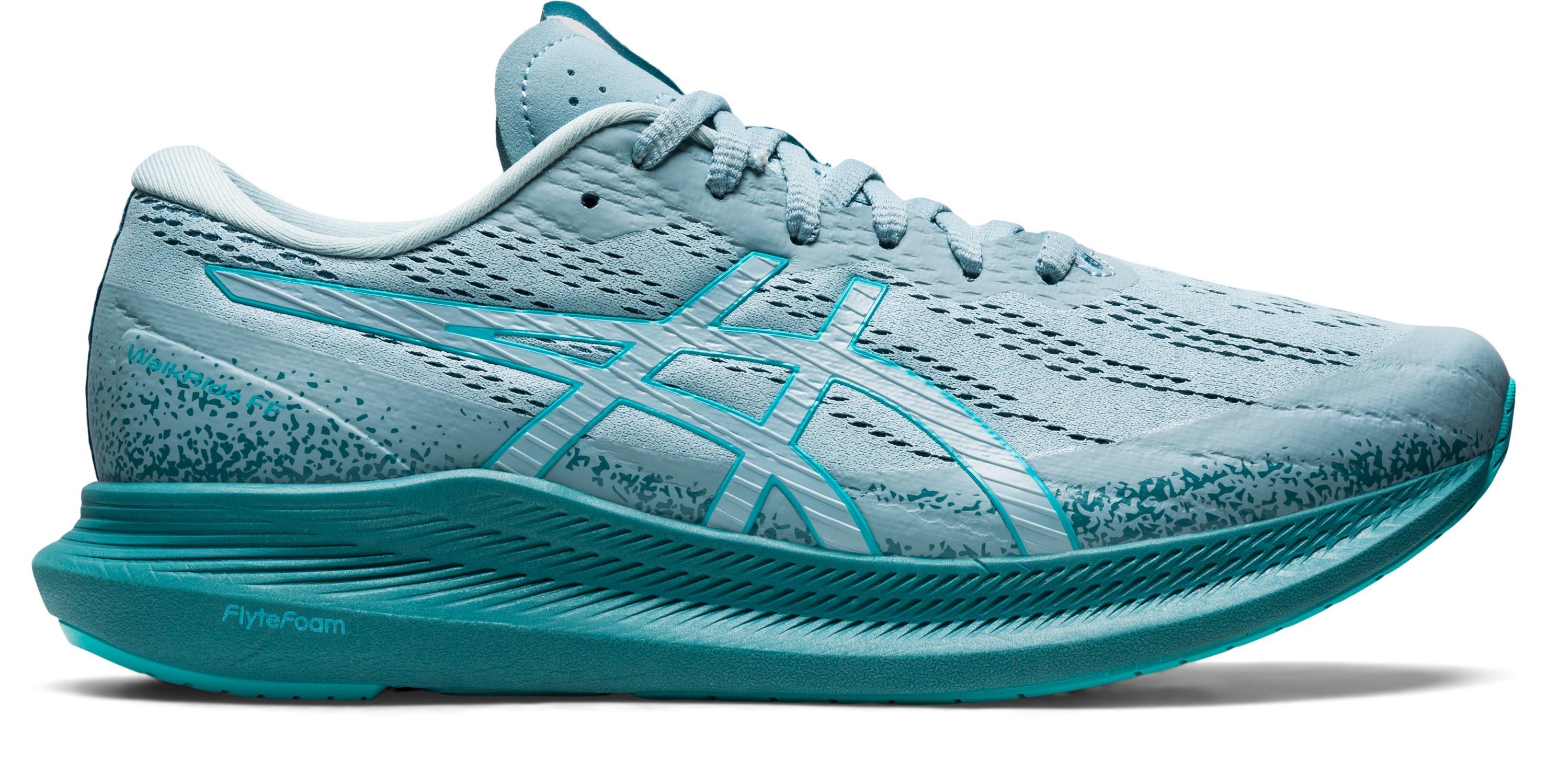
Navigating the Market: Key Features to Prioritize in Your Search
Armed with an understanding of the “why,” the next step is navigating the overwhelming market. Your personal checklist should be informed by podiatric priorities, not just aesthetics. First, prioritize fit above all else. This means shopping later in the day when feet are naturally slightly swollen, wearing the socks you intend to use, and ensuring about a thumbnail’s width of space between your longest toe and the end of the shoe. The width should feel secure without any pinching across the ball of the foot. Second, examine the shoe’s longitudinal rigidity. Try the “twist test”: hold the shoe by the heel and toe and try to wring it. A good walking shoe will resist twisting, indicating torsional stability that protects your arch. However, it should bend easily at the forefoot, where your toes flex. Third, assess the heel counter. Press on it; it should be firm and not collapse under moderate pressure. As celebrity trainer and movement expert Jillian Michaels has noted in various wellness articles, “A sloppy heel counter is a one-way ticket to Achilles tendonitis.” Fourth, consider your specific foot type. Are you flat-footed (overpronator), have a high arch (supinator), or a neutral arch? Many specialty running and walking stores offer gait analysis, which can be invaluable. A podiatrist recommended walking shoe for a flat foot will often feature “motion control” or “stability” labeling, with a denser medial (inner) post in the midsole. For high arches, look for “neutral cushioning” with ample shock absorption. This targeted approach ensures the shoe works in harmony with your unique biomechanics.
Material Matters: Synthetics, Leather, and Breathability
The choice of materials in a walking shoe directly impacts comfort, durability, and foot ecology. Traditional full-grain leather uppers offer excellent structure and durability but can be less breathable than modern synthetics. Today’s engineered meshes and knit uppers, such as those used by Adidas with Primeknit or Nike with Flyknit, provide a dynamic, sock-like fit that adapts to foot movement while offering exceptional breathability. This is crucial for preventing fungal infections and blisters caused by heat and moisture buildup. The lining material is equally important; look for antimicrobial treatments or moisture-wicking fabrics like CoolMax. Inside the shoe, the importance of the insole material cannot be overstated. Memory foam may feel plush initially but can bottom out and retain heat. Poron® XRD, a high-performance foam used in many medical and professional footwear insoles, is frequently cited by podiatrists for its superior pressure redistribution and long-term resilience. When evaluating a potential pair of podiatrist recommended walking shoes, don’t just feel the softness; inquire about the specific technologies and materials used. As the famous quote from architect Ludwig Mies van der Rohe, “God is in the details,” applies perfectly here—the detailed material choices are what sustain comfort from the first mile to the thousandth.
:max_bytes(150000):strip_icc()/tal-10-podiatrist-approved-open-toed-shoes-tout-00bd6ff1c36a49cdbbff486b0b54fb27.jpg)
From Clinic to Pavement: Top Podiatrist-Recommended Categories and Brands
While individual needs vary, several brands and models consistently appear on podiatrists’ shortlists due to their commitment to foot health principles. It’s important to view these not as definitive rankings, but as illustrative examples of categories that meet podiatric standards. For daily wear and high-mileage walkers, brands like New Balance (particularly the 990 series or Fresh Foam X series), Brooks (Addiction Walker, Ghost), and ASICS (GT-2000, Gel-Nimbus) are frequently endorsed for their consistent fit, robust support systems, and reliable cushioning. For those requiring maximum stability and motion control, the Brooks Beast or Ara series for men and the Dyad for women are often cited in podiatric forums. In the realm of more casual or dress-coded comfort, brands like Ecco, Clarks, and Vionic have built their reputations on podiatrist-collaborated designs, integrating rocker soles and built-in orthotic support that aligns the foot naturally. Vionic, for example, was founded based on orthotic principles and many of its styles carry the APMA Seal. The common thread among all these podiatrist recommended walking shoes is a foundational design philosophy that places biomechanical correctness above fleeting fashion, ensuring that style does not come at the expense of substance.
Investing in Your Foundation: Cost Versus Value
A common hesitation when considering high-quality walking shoes is the upfront cost. It’s a valid concern, but one that requires a reframing from an expense to an investment. A cheap, poorly constructed shoe can lead to foot pain, which may cascade into knee, hip, or back issues, potentially resulting in significant medical costs, physical therapy bills, and lost productivity. A well-made, podiatrist recommended walking shoe, while perhaps costing more initially, is engineered for durability—often with higher-grade rubber, reinforced stitching, and premium foams that resist compression. This means they last longer, providing a better cost-per-mile value. Furthermore, the preventive health benefits are incalculable. To make this investment more accessible, savvy shoppers can look for previous model-year versions of top shoes, which often see significant discounts when a new version is released, with only minor cosmetic changes. Official brand outlets, reputable online retailers during holiday sales, and specialty store loyalty programs are excellent avenues. Remember, as the ancient proverb suggests, “We are too poor to buy cheap things.” Investing in your foundational footwear is one of the most direct and impactful investments you can make in your long-term mobility and well-being.
:max_bytes(150000):strip_icc()/tal-roundup-podiatrist-loved-shoes-on-sale-tout-bdbf5721fa5642efa38b61f6a5b4ff34.jpg)
Your Path Forward: Integrating Knowledge into Action
The journey to finding the perfect walking shoe is both a science and a personal exploration. It begins with respecting the expertise of podiatry—a field dedicated to understanding the intricate mechanics of the human foot. By internalizing the principles of stability, cushioning, and anatomical fit, you become an informed consumer, capable of looking past marketing claims to evaluate a shoe’s true merits. Use the resources available: consult the APMA Seal list, watch analyses from trusted podiatric channels, and don’t underestimate the value of a professional fitting. Let your feet, in their unique shape and movement pattern, be the ultimate guide. The right pair of podiatrist recommended walking shoes should feel like a natural extension of your body—supportive yet freeing, protective yet responsive. They are the silent partners in every step you take, enabling you to move through your day with resilience and ease. When your foundation is solid, every journey, whether a commute or an adventure, becomes a more comfortable and sustainable pursuit.
