

Discover the Best Podiatrist Recommended Walking Shoes for All-Day Comfort
Your feet are your foundation, carrying you through thousands of steps each day. Yet, so often, they are an afterthought, crammed into footwear chosen for style over substance, leading to a cascade of discomfort that can ripple up through your entire body. The quest for all-day comfort isn’t merely about avoiding sore feet at the end of a shift or a long walk; it’s a fundamental investment in your mobility and overall well-being. This is where the specialized insight of podiatry becomes invaluable. Moving beyond marketing claims, we delve into the biomechanical principles and clinical experience that define truly supportive footwear. This guide is dedicated to uncovering the science and specifications behind podiatrist recommended walking shoes, translating professional podiatric knowledge into actionable criteria you can use to find your perfect pair, ensuring every step is a comfortable one.
The Podiatric Blueprint: What Makes a Shoe Truly Supportive?
To understand why certain shoes earn the podiatrist recommended walking shoes endorsement, we must first dissect the anatomy of a well-designed walking shoe from a medical perspective. Podiatry, the branch of medicine devoted to the study, diagnosis, and treatment of disorders of the foot, ankle, and lower extremity, provides a rigorous framework for evaluation. According to resources from authoritative institutions like the American Podiatric Medical Association (APMA), the foundation of a good walking shoe lies in its ability to provide stability, cushioning, and proper alignment. A critical concept here is overpronation—the excessive inward roll of the foot after landing. While some pronation is natural, uncontrolled overpronation can lead to plantar fasciitis, shin splints, and knee pain. A podiatrist recommended walking shoe often incorporates features like a firm heel counter (the back part of the shoe that cups the heel) to control this motion. Furthermore, the midsole, typically made from materials like EVA (ethylene-vinyl acetate) or polyurethane, must offer a balance: sufficient cushioning to absorb the impact forces that can be 1.2 to 1.5 times your body weight with each step, yet enough density to prevent the foot from collapsing inward. The rocker sole, a design that curves upward at the toe, is another podiatric favorite, as it promotes a smooth gait cycle and reduces strain on the plantar fascia and Achilles tendon. These are not mere design quirks; they are engineered solutions to common biomechanical problems, validated by clinical observation and biomechanical research.

Beyond the Brand: Decoding Key Shoe Components
When you’re evaluating a potential pair of podiatrist recommended walking shoes, looking past the brand logo is essential. Let’s break down the components you should scrutinize. First, the upper. It should be constructed from breathable, flexible materials like mesh or soft leather to accommodate foot swelling and prevent friction blisters. The toe box is non-negotiable; it must be wide and deep enough to allow your toes to splay naturally without constriction, a point famously emphasized by biomechanist Katy Bowman in her book “Whole Body Barefoot,” where she discusses the importance of foot shape for natural movement. Second, examine the insole or sock liner. While many are removable, a quality insole will have some arch contouring. However, for individuals with specific conditions like flat feet (pes planus) or high arches (pes cavus), a podiatrist will often recommend replacing the generic insole with custom orthotics or high-quality over-the-counter supports. The outsole’s tread pattern is crucial for grip, but its flexibility is equally important. A shoe that bends only at the ball of the foot (where your foot naturally flexes) is superior to one that bends haphazardly in the middle. This design protects the arch’s integrity. As Dr. Miguel Cunha, founder of Gotham Footcare in New York City, has stated in various media interviews, “A good walking shoe should provide a stable base of support and not twist easily.” This stability is often found in shoes that carry the APMA Seal of Acceptance, a mark that indicates a panel of podiatrists has reviewed the shoe and found it promotes good foot health.
The Material Science of Comfort: Cushioning and Energy Return
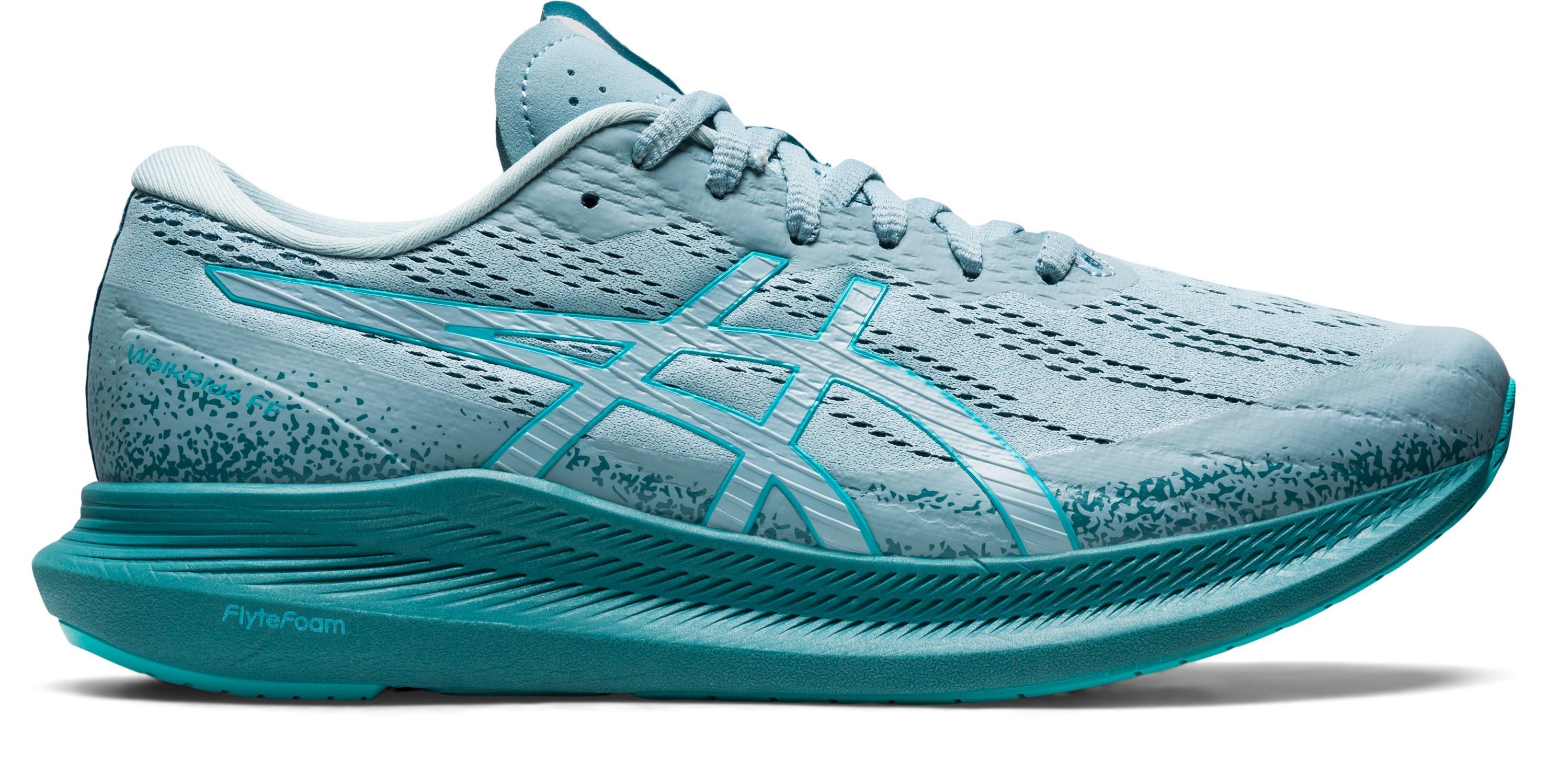
The feeling of “walking on clouds” is often attributed to advanced midsole materials, and there’s legitimate science behind it. Modern podiatrist recommended walking shoes utilize a range of proprietary foams and gels. ASICS, for instance, employs its GEL® cushioning system, which is designed to absorb shock during the heel strike phase of gait. Brooks uses DNA LOFT and BioMoGo DNA, which aim to provide adaptive cushioning—softer where you need it, firmer where you don’t. The principle behind these technologies is energy dissipation and return. Upon impact, the material compresses, absorbing kinetic energy that would otherwise travel up the skeletal system. Then, as you push off, some of that stored energy is returned, theoretically making propulsion more efficient. This isn’t just marketing; studies in biomechanics journals have examined the force attenuation properties of different midsole materials. However, podiatrists caution that “more cushioning” is not universally better. Excessive, overly soft cushioning can destabilize the foot, much like walking on sand. The ideal, as noted in resources from the Spaulding National Running Center at Harvard Medical School, is a balance that provides protection without compromising proprioception (your foot’s awareness of its position) and stability. The right level of cushioning is highly individual, dependent on your weight, gait, and the surfaces you walk on most frequently.
Matching Your Gait: The Personalization of Support
One of the most critical insights from podiatry is that there is no single “best” shoe for everyone. The optimal podiatrist recommended walking shoes for you are a function of your unique biomechanics. This is where gait analysis, once confined to professional labs, has become more accessible. Many specialty running and walking stores now offer basic video gait analysis. The goal is to identify your foot strike pattern (how your foot lands) and your arch type. A person with a neutral gait and medium arch has the widest selection, often thriving in “stability” shoes that offer a moderate level of guidance. Those who overpronate significantly may require “motion control” shoes, which feature denser medial (inner-side) posts to limit inward rolling. Conversely, underpronators or supinators (those whose feet roll outward) need highly cushioned, flexible “neutral” shoes to encourage natural motion. Literature from the University of Pittsburgh Medical Center’s sports medicine department underscores that wearing shoes opposite to your gait type can exacerbate problems. For example, putting a severe overpronator in a highly flexible neutral shoe could lead to increased stress on the medial knee. Therefore, the first step in your search should be a rudimentary self-assessment or professional evaluation. Remember, the most expensive shoe is not the best—it’s the one that correctly matches your body’s mechanics.
When Fashion Meets Function: Styles That Don’t Compromise
The longstanding dichotomy between “comfort shoes” and “stylish shoes” is rapidly dissolving. Today, numerous brands are producing footwear that meets rigorous podiatric standards without sacrificing aesthetic appeal. The rise of athleisure and the integration of technical fabrics into everyday wear have been a boon for foot health. You can find sleek sneakers from brands like HOKA, which are renowned in podiatric circles for their maximalist cushioning and meta-rocker geometry, or ON Running shoes with their distinctive CloudTec® soles. Even traditional dress shoe companies are incorporating anatomical lasts, removable footbeds, and improved toe boxes. The key is to apply the same scrutiny you would to a athletic sneaker. Look for a low heel-to-toe drop (the difference in height between the heel and forefoot) to encourage a more natural foot position. Ensure the sole has some torsional rigidity—it shouldn’t wring out like a towel. As celebrity stylist and comfort advocate on platforms like YouTube have echoed, “You can be both put-together and pain-free.” The market now acknowledges that consumers demand both, leading to an excellent selection of podiatrist recommended walking shoes that transition seamlessly from a day of errands to a casual dinner.
:max_bytes(150000):strip_icc()/I-Asked-Podiatrists-for-Their-Fall-Shoe-Recommendations-These-Are-Their-Top-8-Picks-8fbdf9d65f3a4228ae63f6e5253dc08c.jpg)
Investing in Your Stride: Value Beyond the Price Tag
Purchasing a quality pair of walking shoes is an investment in your health, but it doesn’t have to break the bank. Understanding the value proposition is key. A true podiatrist recommended walking shoe is built with higher-grade materials, more durable construction, and refined technologies that undergo research and development—all of which contribute to cost. However, this initial outlay often pays for itself in longevity and, more importantly, in preventing costly medical interventions for foot, knee, or back pain down the line. To maximize value, consider the shoe’s intended lifespan. Most experts, including sources from Runner’s World and podiatric clinics, suggest replacing walking shoes every 300 to 500 miles. For an average walker, this translates to roughly every six to nine months. Watch for signs of wear: compressed cushioning, worn-out treads, or uneven heel wear. To find discounted prices, be strategic. Shop for previous models when a new version is released, as the technological changes are often incremental. Sign up for newsletters from reputable brands and retailers for alerts on sales. Consider shopping during major holiday sales or at outlet stores. The goal is to acquire the right shoe for your needs at the best possible price, making the commitment to foot health sustainable.
:max_bytes(150000):strip_icc()/tal-roundup-podiatrist-loved-shoes-on-sale-tout-bdbf5721fa5642efa38b61f6a5b4ff34.jpg)
The journey to all-day comfort begins from the ground up. By prioritizing the principles of podiatric science—targeted support, biomechanical alignment, and quality construction—you empower yourself to make informed choices that transcend fleeting trends. The right pair of podiatrist recommended walking shoes acts not just as a barrier between your foot and the ground, but as a dynamic partner in movement, engineered to protect, stabilize, and propel you through your day with ease. Let this knowledge guide your next purchase, turning an everyday necessity into a cornerstone of your long-term health and vitality.
