

Discover the Top Podiatrist Recommended Walking Shoes for Ultimate Comfort and Support
Walking is one of the most fundamental human movements, a daily ritual for millions. Yet, the simple act of placing one foot in front of the other can become a source of discomfort, pain, and even long-term injury if done in improper footwear. This is where the specialized knowledge of podiatry becomes invaluable. Podiatrists, medical professionals specializing in foot, ankle, and lower extremity health, don’t just treat problems; they prevent them. Their recommendations for footwear are not based on fleeting trends or marketing hype, but on biomechanics, material science, and clinical evidence. Choosing a pair of podiatrist recommended walking shoes is an investment in your foundational health, transforming a mundane activity into a pillar of wellness. This article delves into the core principles behind these recommendations, explores the critical features that define top-tier walking shoes, and presents a curated look at models that consistently earn professional endorsements, blending objective science with practical advice to guide your next purchase.
The Foundation of Foot Health: Why Podiatrist Insight is Non-Negotiable
To understand the gravity of a podiatrist’s recommendation, one must first appreciate the complexity of the human foot. It is a marvel of engineering, comprising 26 bones, 33 joints, and over 100 muscles, tendons, and ligaments. This intricate structure must absorb and distribute forces equivalent to several times your body weight with every step. Podiatrists, through years of rigorous training, understand the subtleties of gait cycles, pressure distribution, and the pathologies that arise from imbalances—from plantar fasciitis and metatarsalgia to bunions and Achilles tendinitis. Their perspective is inherently holistic. As Dr. Miguel Cunha, founder of Gotham Footcare in New York City, often emphasizes, “The shoes you wear are the environment your feet live in every day. An unhealthy environment breeds disease.” This viewpoint is echoed in academic literature from institutions like the University of Pittsburgh School of Medicine’s Department of Orthopedic Surgery, which links improper footwear directly to musculoskeletal stress. Therefore, a podiatrist recommended walking shoe is designed to create a therapeutic environment: one that aligns, cushions, and supports the foot’s natural mechanics rather than fighting against them. It’s a shift from viewing shoes as mere fashion accessories to recognizing them as essential medical orthotics for the active individual.

Deconstructing the Ideal Walking Shoe: Five Pillars of Podiatric Design
What specific elements transform a good shoe into a podiatrist-approved powerhouse? The criteria can be distilled into five non-negotiable pillars, each backed by scientific rationale and clinical observation.
1. Arch Support and Contoured Footbeds: The Structural Blueprint
The arch of the foot is its primary shock absorber. A lack of proper support can lead to the arch collapsing—a condition known as overpronation—which strains the plantar fascia ligament. Podiatrist recommended walking shoes feature sophisticated, often removable, contoured footbeds or orthotic-friendly spaces. These are not flat cushions; they are engineered with varying densities to cradle the medial (inner) arch, preventing excessive inward roll. This principle is supported by research published in the Journal of Foot and Ankle Research, which found that contoured insoles significantly reduce peak pressure under the foot. Brands like ASICS and Brooks invest heavily in biomechanical research, developing proprietary last shapes that mimic the foot’s natural topography. As noted on authoritative health platforms like WebMD, proper arch support is the first line of defense against common overuse injuries, making it the cornerstone of any serious walking shoe.
2. Heel Counter and Stability: The Anchor Point
A firm, structured heel counter—the back part of the shoe that cups your heel—is critical for stability. It prevents the heel from sliding side-to-side or rolling upon impact, ensuring a stable transition through the gait cycle. A study from the University of Virginia’s Motion Analysis and Motor Performance Laboratory highlights how heel counter rigidity directly influences rearfoot motion control. In practical terms, when you try on a shoe, you should not be able to collapse the heel cup with moderate thumb pressure. This rigid structure works in concert with the arch support to guide the foot neutrally. Many top-tier podiatrist recommended walking shoes extend this stability element into a mid-foot chassis or bridge, often visible as a harder material on the shoe’s underside, to further control torsion.

3. Cushioning and Responsive Midsole: The Shock Absorption System
Cushioning is about more than softness; it’s about intelligent energy return and impact dissipation. The midsole, typically made from EVA (ethylene-vinyl acetate), polyurethane, or proprietary foams like Brooks’ DNA LOFT or HOKA’s Profly+, is the engine room. The goal is to cushion the heel strike—the moment of highest impact—without creating an unstable, mushy feel. Podiatrists often caution against shoes that are too soft, as they can lack support and lead to instability. The ideal midsole provides a responsive feel: it compresses to absorb shock and then springs back to assist with toe-off. This technology, frequently validated in biomechanics labs, reduces the cumulative stress on joints not just in the feet, but in the knees, hips, and lower back. It’s a systemic benefit born from targeted engineering.
4. Roomy Toe Box and Appropriate Fit: The Freedom to Function
Perhaps the most commonly cited piece of advice from podiatrists is to ensure a spacious toe box. Your toes should not feel cramped or compressed; they need room to splay naturally upon weight-bearing. This space is crucial for balance, propulsion, and preventing deformities like hammertoes or aggravating bunions. The American Podiatric Medical Association (APMA) grants its Seal of Acceptance to shoes that meet, among other criteria, adequate toe box dimensions. A proper fit means there’s about a thumb’s width (roughly half an inch) of space between your longest toe and the end of the shoe. Furthermore, the fit should be secure through the midfoot and heel, avoiding any slippage. This combination of room upfront and security behind creates a harmonious, functional environment for the foot.
5. Flexible Forefoot and Traction: The Push-Off and Grip
While the heel and midfoot require stability, the forefoot (the ball of the foot) needs flexibility to allow for a natural, rolling push-off. A shoe that is too stiff across the entire sole can cause strain and alter your gait. Bend the shoe with your hands; it should flex easily at the point where your foot’s metatarsophalangeal joints bend. Complementing this is a durable, grippy outsole. Traction patterns made from carbon rubber or high-abrasion compounds prevent slips, especially on wet or uneven surfaces, providing confidence with every step. This focus on the complete gait cycle—from heel strike to toe-off—exemplifies the comprehensive approach behind every true podiatrist recommended walking shoe.
Spotlight on Endorsed Performance: Models That Make the Cut
While individual foot morphology dictates the perfect model, certain shoes consistently appear on podiatrists’ shortlists due to their exemplary embodiment of the principles above. It’s important to note that many of these brands partner with podiatrists in the design process, and some even carry the APMA Seal of Acceptance.
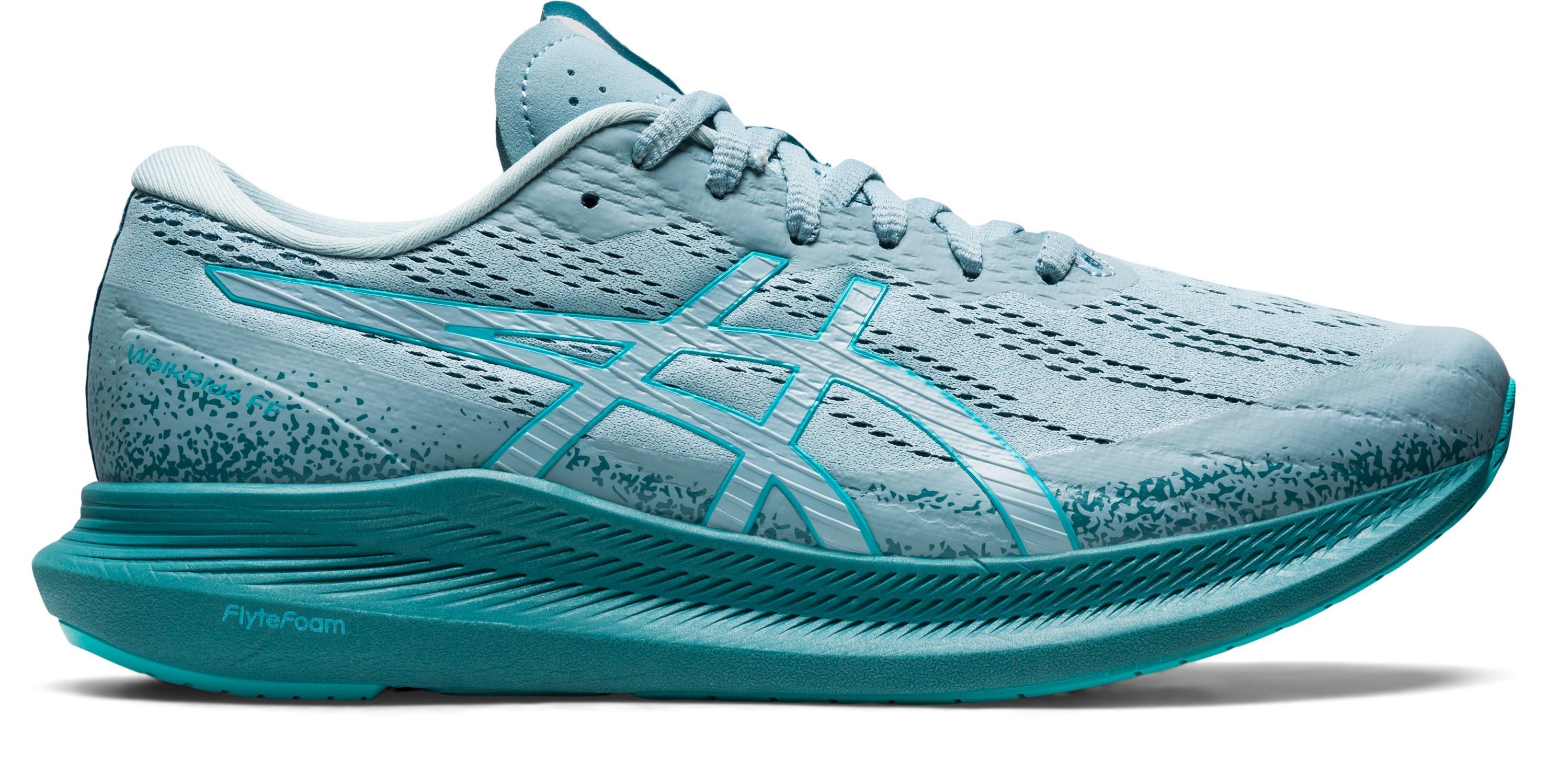
The HOKA Bondi series is frequently lauded for its maximalist cushioning. Its oversized midsole of compression-molded EVA provides exceptional shock absorption for those with joint sensitivities or who walk on hard surfaces. Podiatrists often recommend it for patients recovering from injury or dealing with arthritis, as noted in reviews by professionals on platforms like YouTube. Conversely, the Brooks Addiction Walker is a stalwart for stability. Its extended progressive diagonal rollbar (a firm post on the inner side of the midsole) is a classic tool for controlling overpronation, making it a frequent prescription for those with flat feet. The New Balance 928 is another orthotic-friendly, stability-focused model built on a last specifically designed for walking mechanics, featuring a rocker sole to promote a smooth gait. For a more versatile, athleisure-friendly option that doesn’t sacrifice support, the ASICS Gel-Kayano or Gel-Nimbus series, with their signature Gel cushioning systems and Guidance Line technology, often receive nods. These models demonstrate that the category of podiatrist recommended walking shoes is diverse, catering to different needs while upholding unwavering standards of biomechanical support.
Beyond the Shoe: Integrating Professional Knowledge for Holistic Care
Purchasing the right shoe is a monumental first step, but podiatric wisdom extends beyond the product itself. First, consider the timing of your purchase. Feet swell throughout the day, so it’s best to shop for shoes in the afternoon or evening. Always bring the socks you intend to wear and, if you use custom orthotics, bring them along to ensure compatibility. Second, monitor the lifespan of your shoes. The cushioning and support materials break down long before the outer appearance does. A general rule, cited by sources from Runner’s World to the Cleveland Clinic, is to replace walking shoes every 300-500 miles. For a daily walker, this could mean every 6-9 months. Ignoring this can lead to using a shoe that has lost its therapeutic properties, effectively negating its benefits. Finally, remember that shoes are part of a system. Pair them with moisture-wicking socks to prevent blisters and consider your walking surface—softer trails are more forgiving than concrete. This holistic approach, combining expert-recommended gear with informed habits, is the true path to ultimate comfort and sustained foot health.
:max_bytes(150000):strip_icc()/favorite-walking-shoes-round-up-november-2024-458c3fc0c6844adca7c0a34ebc5cfb9b.jpg)
Investing in Your Stride: Where Value Meets Vitality
It’s true that high-quality, biomechanically sound walking shoes often come with a higher price tag, typically ranging from $120 to $180. However, this should be reframed not as a cost, but as a critical investment in preventative healthcare. Compare it to the potential expense of physical therapy sessions, custom orthotics, or treatment for chronic pain. Brands frequently offer previous-season models or colorways at significant discounts, providing access to the same core technology for less. Moreover, retailers like Zappos or specialty running stores often have knowledgeable staff and generous return policies, allowing you to test shoes risk-free. The goal is to bring this professional knowledge and accessible pricing to you, empowering your choice. Your feet are your base of mobility; they deserve equipment that honors their complexity. By choosing a genuine podiatrist recommended walking shoe, you are not just buying a product—you are adopting a philosophy of care, one step at a time. The path to pain-free, energized walking begins with this single, informed decision.
