

Discover the Best Podiatrist Recommended Walking Shoes for All-Day Comfort
Your feet are the foundation of your movement, carrying you through countless steps each day. Yet, so often, they are an afterthought, crammed into footwear chosen for style over substance, leading to a cascade of discomfort that can ripple up through your entire body. The quest for all-day comfort isn’t merely about avoiding sore feet at the end of a shift or a long day of travel; it’s a fundamental investment in your overall musculoskeletal health. This is where the expertise of podiatry becomes invaluable. Podiatrists, the medical professionals dedicated to the study, diagnosis, and treatment of disorders of the foot, ankle, and lower extremity, possess a deep, scientific understanding of biomechanics. Their recommendations transcend fleeting fashion trends, focusing instead on shoes that provide proper alignment, cushioning, and support. In this exploration, we delve into the world of podiatrist recommended walking shoes, moving beyond marketing claims to understand the objective criteria that define a truly supportive shoe, and how making this informed choice can transform your daily experience from one of endurance to one of effortless comfort.
The Science of the Step: Why Your Shoe Choice Matters More Than You Think
Every step you take is a complex orchestration of bones, muscles, tendons, and ligaments. When this system is in harmony, movement is efficient and pain-free. However, improper footwear can disrupt this biomechanical symphony, leading to a host of issues. From a podiatric perspective, a shoe is not just a covering; it is a critical piece of orthotic equipment. Consider the concept of pronation and supination—the natural inward and outward roll of the foot during the gait cycle. While a degree of pronation is normal, excessive pronation (overpronation) can flatten the arch and strain the plantar fascia, a common precursor to plantar fasciitis. Conversely, supination (underpronation) places excessive pressure on the outer edge of the foot and can lead to ankle sprains and stress fractures. A well-designed podiatrist recommended walking shoe is engineered to manage these forces. It provides structured arch support to prevent overpronation, features a heel counter (the firm back of the shoe) to stabilize the rearfoot, and utilizes midsole materials that offer both cushioning for shock absorption and resilience for energy return. This isn’t anecdotal advice; it’s grounded in biomechanical research from institutions like the American Podiatric Medical Association (APMA), which grants its Seal of Acceptance to products that promote good foot health. Ignoring this science is akin to building a house on a faulty foundation—eventually, the structure above will show signs of stress.

Decoding the Anatomy of a Supportive Shoe: Key Features to Demand
To navigate the market intelligently, you must become fluent in the language of shoe construction. A podiatrist recommended walking shoe is characterized by several non-negotiable features. First, examine the toe box. It should be deep and wide enough to allow your toes to splay naturally without constriction, preventing conditions like bunions and hammertoes. The renowned running author and biomechanist, Dr. Mark Cucuzzella, emphasizes in his book “Run for Your Life” that foot health begins with giving toes room to function. Second, assess the arch support. This isn’t about a generic bump in the midsole; it’s about contoured support that matches your specific arch type (neutral, low, or high). Many podiatrists point to brands that offer multiple width options and removable insoles, allowing for customization with custom orthotics if needed. Third, scrutinize the heel-to-toe drop. This is the difference in height between the heel and forefoot. A lower drop (4-8mm) often encourages a more natural foot strike and can reduce strain on the Achilles tendon and calf, a point frequently discussed in biomechanics forums and by sports medicine professionals on platforms like YouTube. Finally, the outsole flexibility is crucial. It should bend easily at the ball of the foot (where your foot naturally flexes) but remain rigid through the arch to provide torsional stability. When you hold a shoe, give it the “twist test”—a shoe that twists easily in the middle lacks the necessary support for prolonged walking.
Beyond the Brand: The Podiatrist’s Criteria for Endorsement
It’s tempting to assume that a high price tag or a famous athletic endorsement guarantees a healthy shoe, but podiatrists look deeper. Their approval is often based on a combination of clinical observation and adherence to established orthopedic principles. For instance, many podiatrists recommend shoes that have been awarded the APMA Seal of Acceptance, as this indicates the product has been reviewed by a committee of podiatrists and found to contribute positively to foot health. Furthermore, podiatric recommendations frequently emphasize fit over brand loyalty. As stated by Dr. Jacqueline Sutera, a New York City-based podiatrist featured in publications like Travel + Leisure, “The best shoe is the one that fits your foot perfectly.” This involves professional fitting, preferably later in the day when feet are naturally more swollen, and always while wearing the type of socks you intend to use. Podiatrists also consider the shoe’s intended use. A shoe perfect for a brisk, athletic walk on pavement may differ from one designed for all-day standing on hard retail floors. The common thread, however, is a focus on stability, cushioning, and a last (the shoe’s form) that accommodates the natural shape of the human foot, rather than forcing it into an unnatural, pointed silhouette for the sake of aesthetics.
:max_bytes(150000):strip_icc()/tal-roundup-podiatrist-loved-shoes-on-sale-tout-bdbf5721fa5642efa38b61f6a5b4ff34.jpg)
From Discomfort to Relief: Real-World Impact of the Right Footwear
The transition to properly supportive footwear can be nothing short of revolutionary for individuals suffering from common foot ailments. Take plantar fasciitis, an inflammation of the thick band of tissue that runs across the bottom of your foot. The pain, often most severe with the first steps in the morning, is frequently linked to inadequate arch support. A podiatrist recommended walking shoe with firm heel counter and excellent arch support can significantly reduce the tension on the plantar fascia, providing relief that no amount of stretching alone can achieve. Similarly, for those with metatarsalgia (pain in the ball of the foot), a shoe with a wider forefoot and a rocker sole—a design that promotes a rolling gait—can offload pressure from the sensitive metatarsal heads. The benefits extend far beyond the feet. Improved alignment at the foundation can alleviate knee pain, reduce hip strain, and even mitigate lower back discomfort. This holistic impact is a central tenet of podiatric philosophy, viewing the body as an interconnected kinetic chain. By investing in shoes that respect your biomechanics, you are not just buying footwear; you are investing in a mobile, pain-free future, a sentiment echoed by countless patient testimonials and clinical outcomes shared in medical literature.
Integrating Professional Knowledge with Smart Shopping
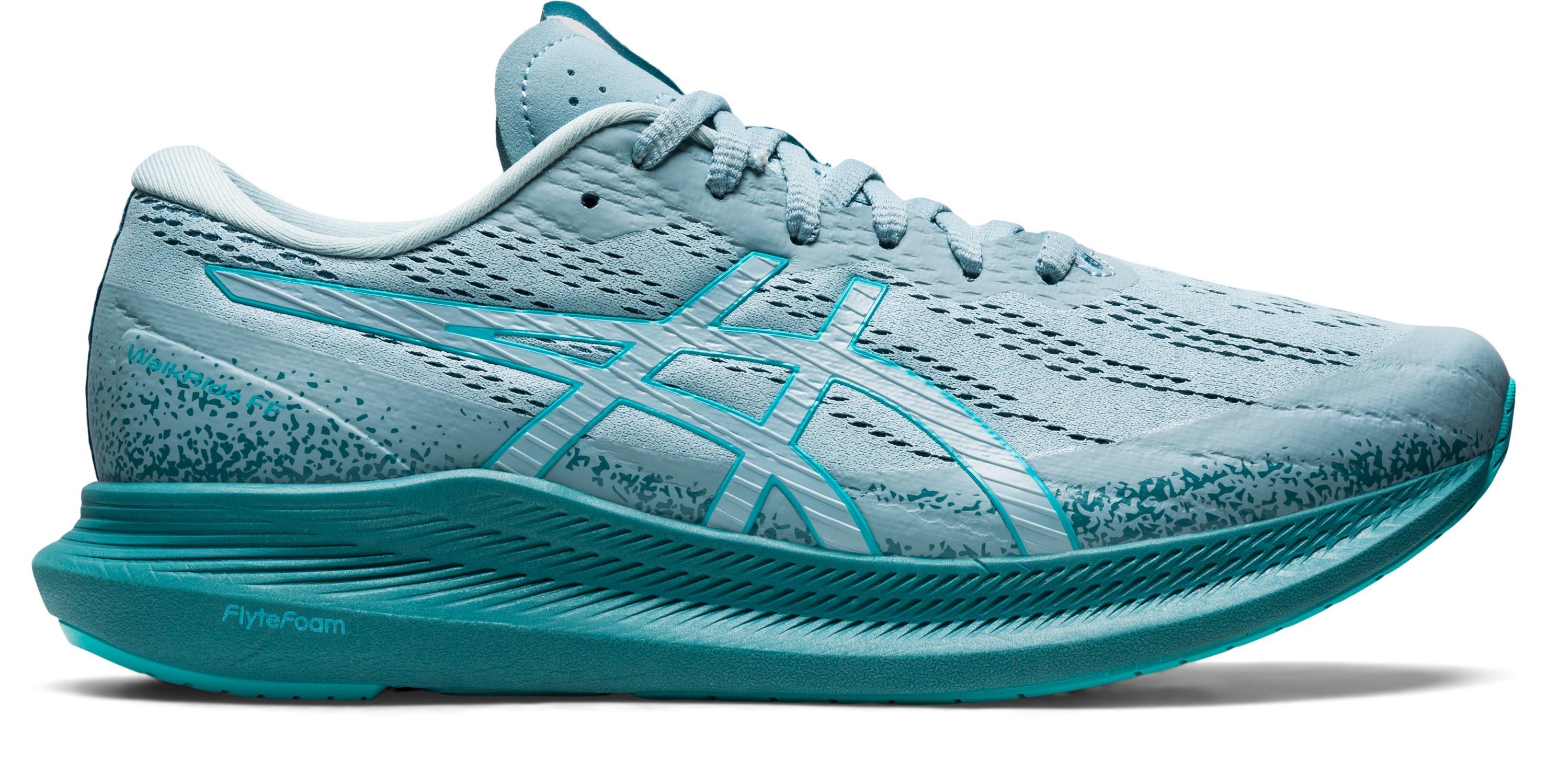
Armed with this podiatric knowledge, your approach to shoe shopping should transform. It becomes a mission, not a chore. Begin by seeking out specialty running or walking stores where staff are trained in gait analysis and can make informed suggestions. Don’t hesitate to bring your old shoes; a knowledgeable fitter can analyze wear patterns on the sole to understand your gait. Remember the key features: a spacious toe box, structured heel, contoured arch support, and appropriate flexibility. Once you have identified a model that meets the podiatric criteria and feels comfortable, the quest for value begins. Premium podiatrist recommended walking shoes from brands like ASICS, Brooks, New Balance, and HOKA are engineering marvels, but their technology often comes with a premium price. Here is where strategic shopping pays dividends. Look for previous seasons’ models, which often see significant discounts as new colorways are released, yet retain the same core supportive technology. Subscribe to newsletters from reputable retailers and manufacturers for alerts on sales. Consider outlet stores and authorized online discounters. The goal is to bridge the gap between professional-grade foot health and financial practicality, ensuring that the best possible support is accessible, not just a luxury.
Your Path Forward: Stepping into Sustained Comfort
The journey to all-day comfort is a deliberate choice, a decision to prioritize the long-term health of your foundation over short-term stylistic compromises. The evidence is clear, drawn from the clinical halls of podiatry, the rigorous testing of biomechanics labs, and the lived experience of millions who have traded foot pain for freedom of movement. Podiatrist recommended walking shoes are not a panacea for every orthopedic issue, but they represent the most fundamental and effective first line of defense. They are the daily orthotic that prepares your feet for the miles ahead, whether those miles are on city streets, hospital corridors, or museum halls. By understanding the science, demanding the right features, and shopping wisely, you empower yourself to make an investment that pays dividends with every single step you take. Let your next step be an informed one, taken in a shoe designed not just to carry you, but to support you completely, from the ground up.
:max_bytes(150000):strip_icc()/I-Asked-Podiatrists-for-Their-Fall-Shoe-Recommendations-These-Are-Their-Top-8-Picks-8fbdf9d65f3a4228ae63f6e5253dc08c.jpg)
