

The Ultimate Guide to Women’s Sneakers in 2023
This year, the landscape of women’s sneakers 2023 is defined not by a single trend, but by a powerful convergence of technology, sustainability, and personal expression. The conversation has moved beyond mere aesthetics to encompass how our footwear interacts with our bodies, our values, and our world. We are witnessing a paradigm shift where performance engineering meets conscious design, and where classic silhouettes are being reimagined through a modern lens. The following exploration delves into the core pillars shaping this dynamic market, offering a roadmap to navigate the most significant developments and make informed choices that align with both style and substance.
The Biomechanics Revolution: Footwear Engineered for Movement
Gone are the days when sneakers were judged solely on their visual appeal. The modern consumer is increasingly informed about the science of walking and running, demanding footwear that supports natural biomechanics. This shift is rooted in a growing body of research from institutions like the University of Oregon’s Bowerman Sports Science Clinic and Harvard’s Skeletal Biology Lab, which emphasizes the importance of proper gait cycles and foot strike patterns. In 2023, leading brands are integrating this research directly into their designs for women’s sneakers 2023. We see advanced midsole technologies utilizing proprietary foams—such as Adidas’s Lightstrike Pro, Nike’s ZoomX, and New Balance’s FuelCell—that provide not just cushioning, but energy return. This means a portion of the impact energy from your footfall is stored and released, propelling you forward with less muscular effort. Furthermore, the focus on stability has evolved. Instead of rigid, motion-control designs that restrict natural foot movement, the new wave emphasizes “guided stability.” This involves strategic placement of firmer foam densities or embedded plates (often carbon fiber or nylon) to prevent excessive inward rolling (overpronation) without sacrificing the foot’s natural ability to flex and adapt to terrain. When selecting a pair, consider your primary activity. A high-cushion, maximalist design with a rocker geometry is ideal for long-distance road running, as studies cited in the Journal of Sports Sciences suggest it can reduce calf muscle fatigue. Conversely, a lower-to-the-ground, flexible sneaker with a wide toe box might be better for gym workouts or trail hiking, allowing for greater proprioception and natural foot splay.
Sustainable Materials: From Buzzword to Foundational Ethos
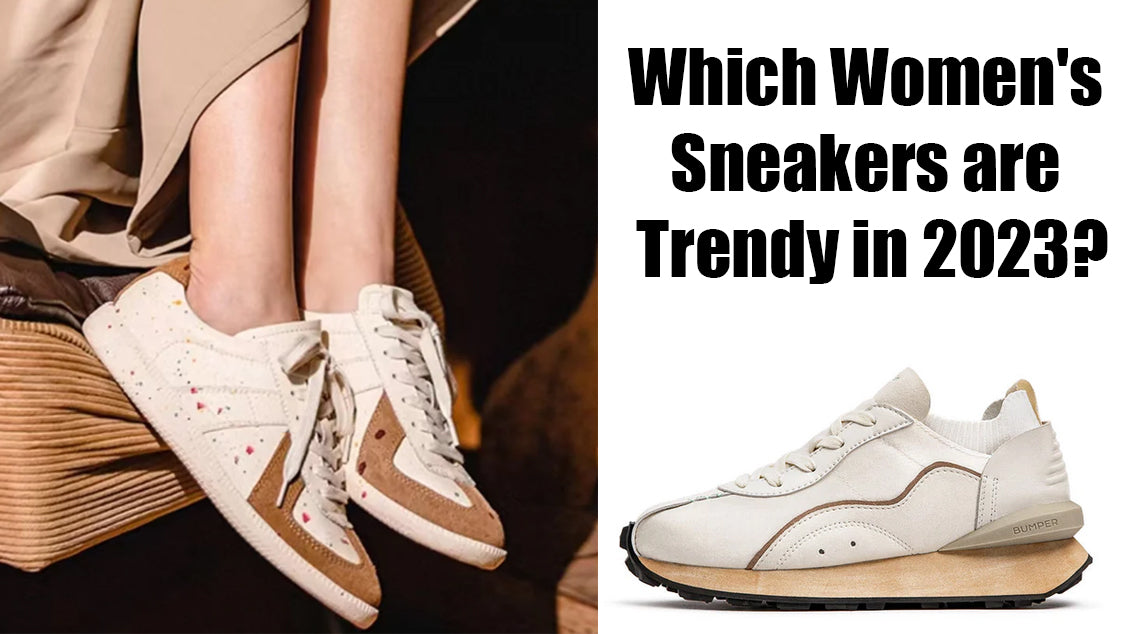
The narrative around eco-friendly fashion has matured from a niche concern to a central purchasing criterion. The production of footwear, historically reliant on petroleum-based plastics, leather tanning chemicals, and water-intensive cotton, has a significant environmental footprint. In response, the 2023 market for women’s sneakers 2023 is rich with innovation aimed at mitigation. Brands are transparently sourcing materials like recycled polyester (often from plastic bottles), organic cotton (which uses less water and no synthetic pesticides), and regenerated nylon. Perhaps the most fascinating developments are in the realm of bio-based materials. Companies like Allbirds pioneered the use of Merino wool and sugarcane-based EVA foam (SweetFoam). Others are exploring mycelium-based leather alternatives (like Mylo), pineapple leaf fibers (Piñatex), and even materials made from algae bloom. As environmental activist and author Elizabeth L. Cline notes in her work on sustainable fashion, “The true cost of a garment isn’t just the price tag; it’s the cumulative impact of its creation.” This sentiment is driving the circular economy model in sneakers. Brands like Veja have built their entire identity on traceable supply chains and eco-materials, while others are launching take-back programs where old sneakers are ground down to create materials for playgrounds or new shoe components. When evaluating a sneaker’s sustainability, look beyond vague “green” claims. Seek out specific details on material percentages, certifications (like Bluesign for textiles or FSC for forest-based products), and the brand’s overall commitment to reducing carbon emissions across its supply chain.
The Aesthetic Spectrum: Chunky Silhouettes, Retro Revival, and Minimalist Precision
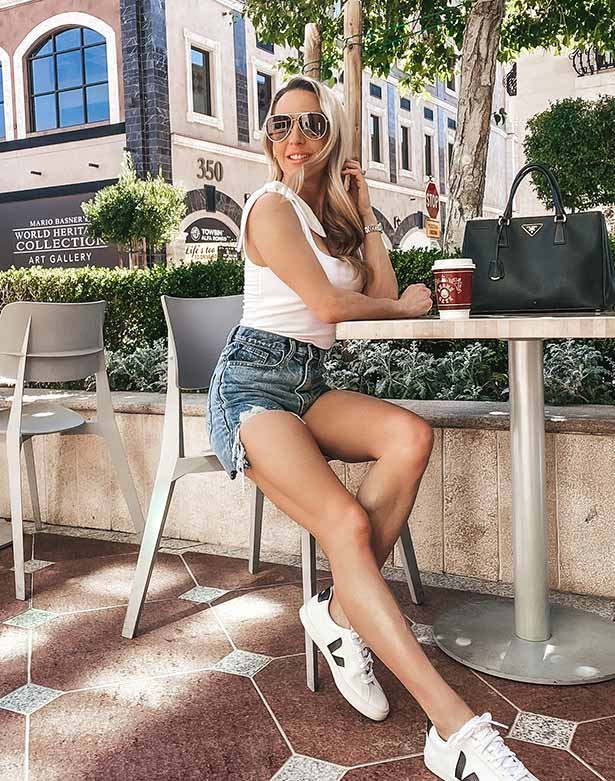
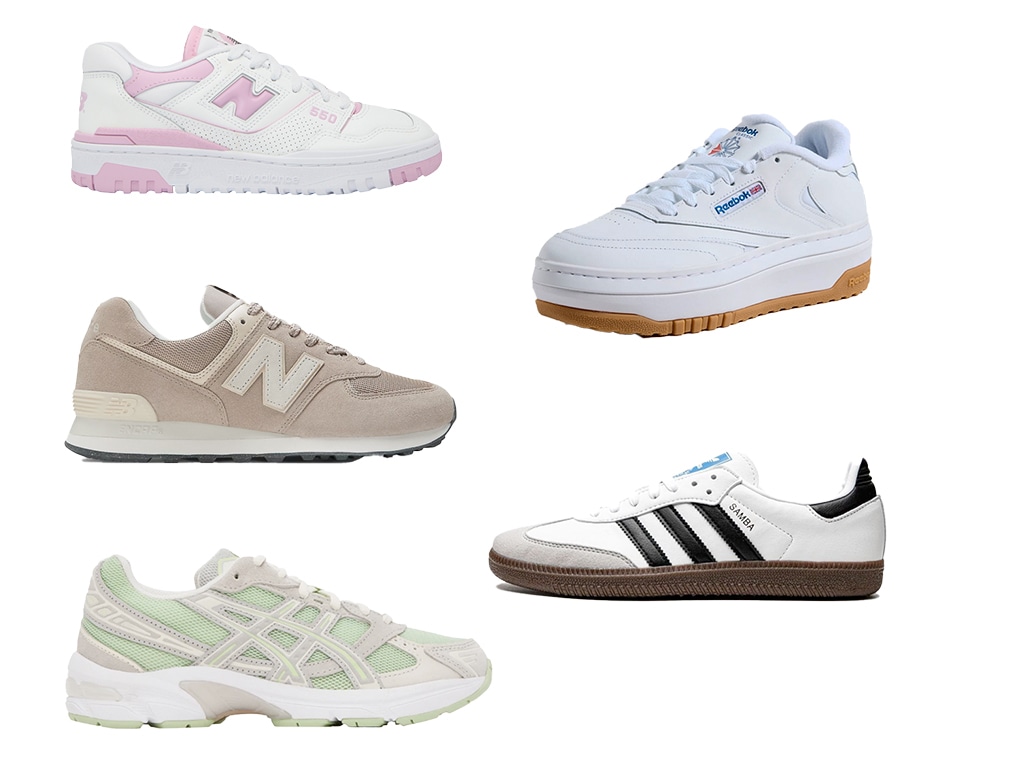
The visual language of sneakers in 2023 is delightfully contradictory, offering distinct paths for personal style. On one end, the “dad shoe” or chunky sneaker trend, popularized by models like the Balenciaga Triple S and the New Balance 990 series, continues to hold sway. This style, reminiscent of 90s athletic aesthetics, champions volume, complex paneling, and a rugged, technical look. It represents a rejection of delicate footwear in favor of something perceived as more substantial and confident. On the opposite pole, minimalist sneakers maintain a steadfast presence. Think of the classic Adidas Stan Smith, Common Projects Achilles Low, or Koio Capri. These designs focus on pristine leather, flawless construction, and a sleek, almost architectural profile. They serve as a neutral canvas, a “third piece” in an outfit that complements rather than competes. Bridging these two extremes is the powerful force of retro revival. Brands are meticulously reissuing archival styles from the 80s and early 2000s, often with updated materials and colorways. This taps into a potent sense of nostalgia, a phenomenon explored by cultural critics like Simon Reynolds in his book Retromania. A re-released Nike Air Max 95 or Asics Gel-Kayano 14 isn’t just a shoe; it’s a wearable piece of design history. The key in 2023 is intentionality. Your choice in this spectrum communicates a specific style dialect: the bold statement of a chunky sole, the quiet luxury of a minimalist design, or the curated nostalgia of a retro reissue.
Versatility as a Virtue: The All-Terrain Lifestyle Sneaker
A dominant theme for women’s sneakers 2023 is the erosion of boundaries between categories. The line between a running shoe, a hiking sneaker, and a fashion item is increasingly blurred, giving rise to the “all-terrain” or “hybrid” lifestyle sneaker. This category is built for the multifaceted modern life, where a day might transition from a morning school run to office hours to an evening park stroll. Designers are taking cues from trail-running shoes—adding subtle lug patterns for grip, water-resistant uppers, and reinforced toe caps—but executing them with urban color palettes and streamlined silhouettes. Brands like Hoka One One with their Tor Ultra series, Salomon’s XT-6 (which has become a streetwear staple), and even The North Face’s collaborative efforts exemplify this trend. The underlying principle is “technical wearability,” a concept championed by designers like Errolson Hugh of Acronym, who integrates high-performance outdoor gear aesthetics into everyday clothing. These sneakers promise readiness for unpredictable weather and varied surfaces without sacrificing style. They embody a pragmatic, adventurous spirit, suggesting that the wearer is prepared for both literal and metaphorical off-road experiences. When considering such a pair, assess the balance of features. A deeply lugged sole may offer superior traction on mud but feel awkward on polished concrete. A Gore-Tex liner guarantees waterproofing but reduces breathability on warm days. The ideal hybrid finds the sweet spot for your most common environments.
Investment and Value: Navigating Price Points and Smart Purchases
With the elevation of sneakers to a cornerstone of contemporary wardrobes, understanding their value proposition is crucial. Prices can range from under $50 for basic models to over $300 for limited-edition collaborations or sneakers employing cutting-edge technology and premium materials. The investment, however, should be viewed through the lenses of cost-per-wear, technological benefit, and ethical production. A well-constructed sneaker from a brand with a reputation for durability, using high-grade leather and a quality sole unit, may have a higher upfront cost but will outlast several pairs of cheaper, disposable alternatives. As stylist and image consultant Allison Bornstein often discusses on her platform, building a “closet core” of versatile, high-quality staples is a more sustainable and economical approach in the long run. To access the best of women’s sneakers 2023 without full retail price, strategic shopping is key. Sign up for brand newsletters for early access to sales. Explore authorized online retailers like SSENSE, END. Clothing, or Asos, which frequently have seasonal markdowns. Consider previous season’s colorways, which often see significant discounts as new collections launch. The resale market on platforms like Grailed or StockX can be a source for sold-out styles, but be vigilant about authentication. Remember, the true value lies in a sneaker that perfectly marries form, function, and your personal ethics, becoming a reliable and expressive part of your daily life.

The journey through the world of women’s sneakers 2023 reveals a sector driven by intelligent design, environmental responsibility, and stylistic diversity. The perfect pair is no longer just about matching an outfit; it is a deliberate choice that considers anatomical support, material origin, aesthetic alignment, and functional adaptability. This guide serves as a foundation for moving beyond trends and towards a more conscious and personalized relationship with the footwear that carries you forward. Your selection is a statement—make it one that resonates with every step you take.
