

Discover the Top Podiatrist Recommended Walking Shoes for Ultimate Comfort and Support
Choosing the right walking shoes is not merely a matter of style or casual preference; it is a critical decision that impacts your musculoskeletal health, comfort during daily activities, and long-term mobility. The wrong footwear can lead to a cascade of issues, from plantar fasciitis and bunions to knee and back pain. This is where the guidance of a podiatrist—a medical professional specializing in foot, ankle, and lower extremity health—becomes invaluable. Podiatrist recommended walking shoes are designed based on biomechanical principles to offer superior support, cushioning, and stability, addressing common foot ailments and promoting a healthier gait. This article delves into the science behind these recommendations, explores key features you should prioritize, and highlights specific models that consistently earn professional endorsements, all while connecting you with expert insights and valuable purchasing knowledge.
The Science of Support: Why Podiatrist Endorsement Matters
Podiatry, as defined by authoritative sources like the American Podiatric Medical Association (APMA), is a branch of medicine devoted to the study, diagnosis, and treatment of disorders of the foot, ankle, and lower extremity. A podiatrist’s recommendation carries weight because it is rooted in an understanding of biomechanics—the study of the structure and function of biological systems by means of the methods of mechanics. When a podiatrist evaluates a shoe, they are assessing its ability to manage ground reaction forces, provide motion control, and maintain proper alignment from the foot upwards through the kinetic chain. This is not anecdotal advice; it is evidence-based. For instance, a systematic review published in the Journal of Foot and Ankle Research often cites the importance of adequate arch support and heel counter rigidity in preventing overpronation, a common cause of injury. Renowned podiatrist Dr. Jacqueline Sutera, a spokesperson for the APMA, frequently emphasizes in media interviews that “shoes are the foundation of your body.” She argues that wearing unsupportive shoes is akin to building a house on a shaky foundation—eventually, problems will manifest in the structure above. Therefore, seeking out podiatrist recommended walking shoes is a proactive step in preventive healthcare, aligning your daily footwear with medical science to safeguard against pain and injury.
:max_bytes(150000):strip_icc()/podiatrist-recommended-walking-shoes-e1b90077185d4e6cadbf6327c4d17db7.jpg)
Deconstructing the Ideal Walking Shoe: Key Features Explained
To understand what makes a shoe worthy of a podiatrist’s seal of approval, we must dissect its anatomy. First and foremost is arch support. The arch of your foot acts as a natural shock absorber. Shoes with insufficient support can lead to the stretching of the plantar fascia ligament, causing inflammation and pain known as plantar fasciitis. A well-designed insole or midsole will contour to and support the medial longitudinal arch, a feature frequently highlighted in footwear literature from institutions like the Spaulding National Running Center at Harvard Medical School. Next is the heel counter. This is the firm cup at the back of the shoe that cradles the heel. A study referenced on Quora by a sports medicine professional pointed out that a rigid heel counter is crucial for stabilizing the rearfoot, preventing excessive side-to-side motion that can strain the Achilles tendon. Cushioning is another critical element, but it must be strategic. As explained in resources like Baidu Baike, cushioning materials like EVA foam or gel are not just for softness; they are engineered to attenuate impact forces during the heel-strike phase of walking. However, too much softness without stability can be detrimental, a paradox often discussed by biomechanists on YouTube channels like “The Gait Guys.” Finally, consider the toe box. A roomy, foot-shaped toe box allows your toes to splay naturally upon weight-bearing, which is essential for balance and propulsion. This design principle, championed by brands like Altra, finds its rationale in the natural foot morphology studies often cited in podiatric literature. A true podiatrist recommended walking shoe harmonizes all these elements, creating a synergistic system of support.
Top Contenders: Shoes That Consistently Earn Professional Praise
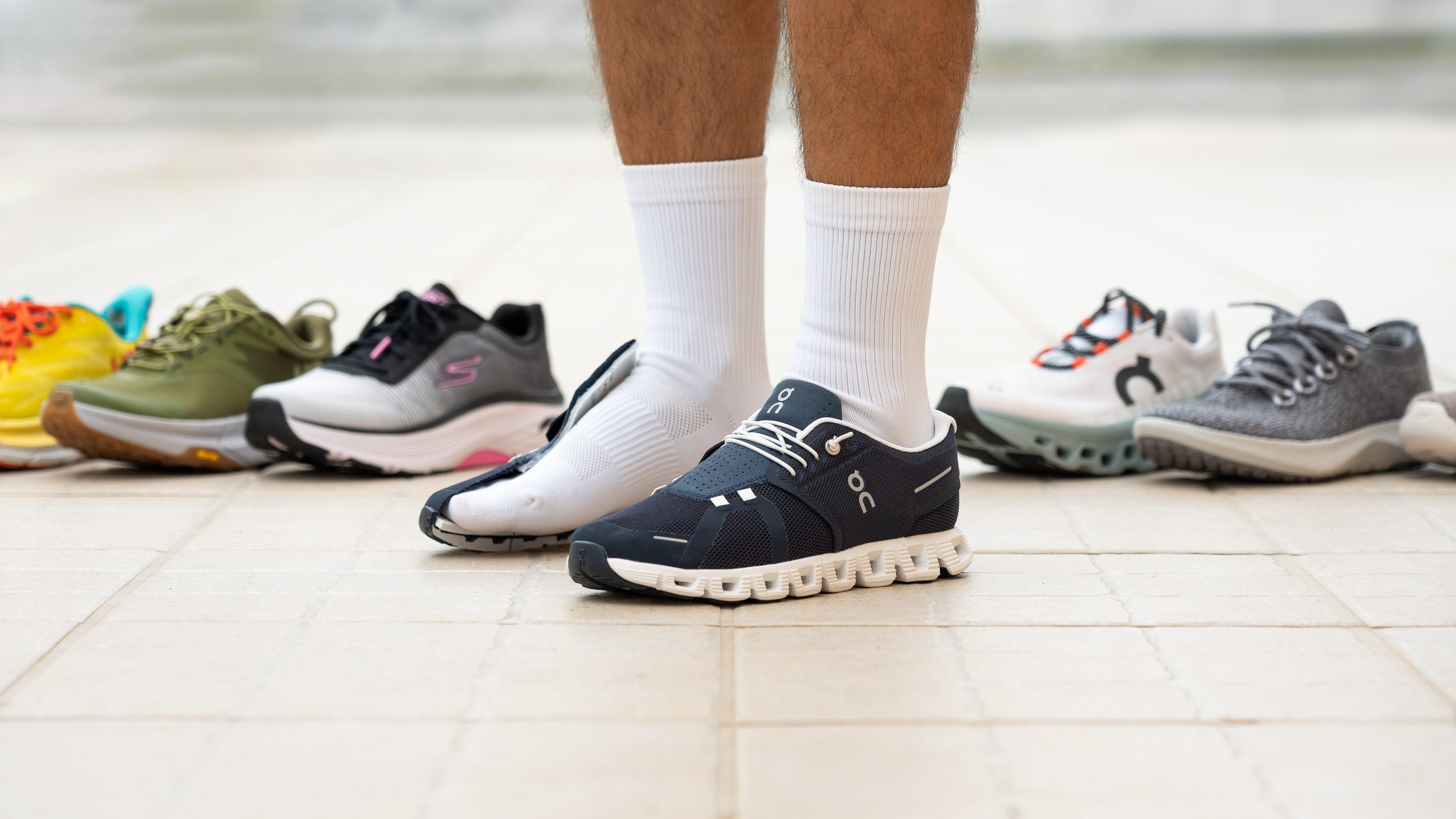
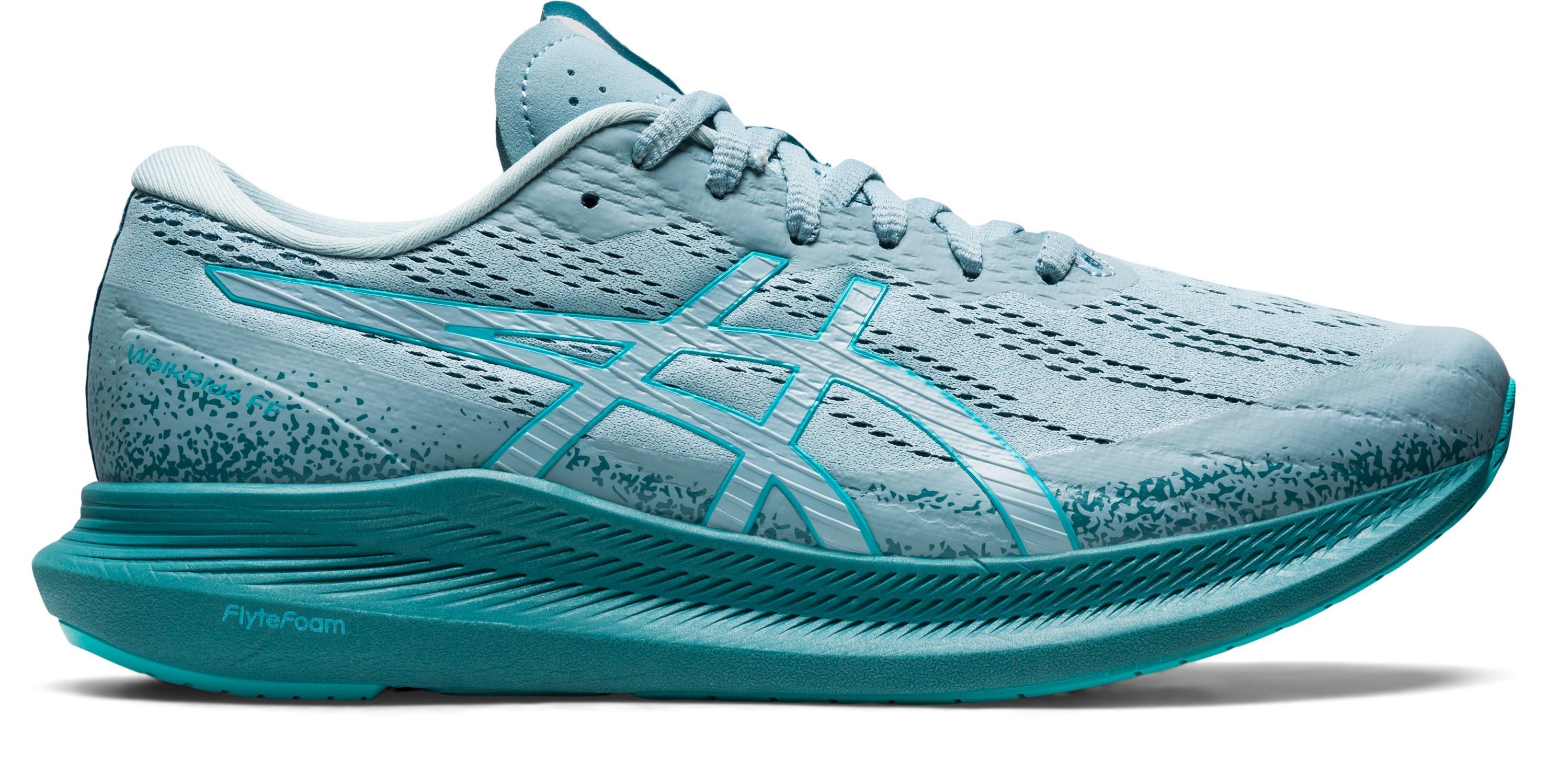
While individual needs vary, certain shoe models have garnered widespread acclaim from foot care professionals for their exemplary design. One perennial favorite is the Brooks Addiction Walker. It is frequently endorsed for its extended progressive diagonal rollbar—a firm post in the midsole that provides exceptional motion control for overpronators. Another standout is the New Balance 928. This model is often recommended for its combination of sturdy leather upper, robust rollbar technology, and ample cushioning, making it a go-to for those requiring maximum support and durability, a point reiterated in numerous “best of” lists on health and wellness websites. For those seeking a blend of modern style and clinical function, the HOKA ONE ONE Bondi series is noteworthy. Its meta-rocker geometry and super-soft yet stable cushioning are designed to promote a smooth gait cycle, a feature highlighted by podiatrists in reviews for publications like Consumer Reports. The ASICS Gel-Kayano, though often categorized as a running shoe, is also a top-tier walking shoe due to its Dynamic DuoMax support system and Guidance Line technology, which work in tandem to enhance gait efficiency. These models exemplify what it means to be a podiatrist recommended walking shoe, integrating advanced technology with fundamental biomechanical principles.
Beyond the Shoe: The Holistic Approach to Foot Health
It is crucial to recognize that even the best podiatrist recommended walking shoes are part of a larger ecosystem of foot care. Your choice should be informed by an understanding of your own foot type—whether you have a neutral arch, flat feet (pes planus), or high arches (pes cavus). This self-knowledge, which can be gleaned from a simple wet foot test or a professional gait analysis, is paramount. Furthermore, the lifespan of a shoe is finite. The cushioning and support materials break down over time, typically after 300-500 miles of use, long before the outer sole appears worn out. Ignoring this can negate all benefits. As noted in literature from the University of Pittsburgh Medical Center’s sports medicine division, worn-out shoes lose their ability to absorb shock, transferring excessive force to the joints. Complementing your footwear with targeted exercises, such as calf stretches and toe curls, can strengthen the intrinsic muscles of the foot, creating a more resilient foundation. This holistic view—combining informed shoe selection with mindful usage and supplemental care—is the true path to ultimate comfort and support, a philosophy echoed by thought leaders across platforms from Twitter discussions among physiotherapists to dedicated chapters in wellness books.
Making an Informed Investment: Value Beyond the Price Tag
Purchasing high-quality walking shoes is an investment in your health, but it need not be a financially burdensome one. The key is to seek value, which means prioritizing construction and technology over brand hype. Many reputable brands offer previous-season models at significant discounts, and these often contain the same core support technologies as the latest versions. Websites that specialize in athletic gear frequently run sales, especially during holiday seasons or model changeover periods. It is also wise to consider purchasing from retailers with knowledgeable staff who can provide fitting advice, as a proper fit is non-negotiable. Remember, the most expensive shoe is not necessarily the best for you; the goal is to find the shoe that correctly addresses your specific biomechanical needs. As a famous line from the book Born to Run by Christopher McDougall suggests, the secret to happy feet isn’t magic—it’s understanding. Investing time in research and a little patience in waiting for sales can yield access to top-tier podiatrist recommended walking shoes without straining your budget. This approach brings professional-grade foot health within practical reach for everyone.

Your journey toward pain-free, supported walking begins with a single, informed step. By prioritizing the science-backed features championed by podiatrists—rigorous arch support, a secure heel counter, strategic cushioning, and a anatomical toe box—you move beyond fashion and into the realm of functional wellness. The recommended models from Brooks, New Balance, HOKA, and ASICS serve as proven starting points, but your personal fit remains the ultimate decider. Embrace a holistic view of foot care, understand the importance of timely shoe replacement, and leverage sales cycles to make smart investments. Ultimately, choosing podiatrist recommended walking shoes is a conscious decision to place your foundation on solid, scientifically-engineered ground, ensuring every step you take is one of comfort, stability, and long-term health.
